21 Valuable Homestead Trees That Feed You, Fuel You, And Fight For You!
Welcome! This article contains affiliate links, meaning I get a commission if you decide to make a purchase through my links, at no extra cost to you.
Planting backyard trees is one of the best investments a homesteader can make. The right trees will feed you, shelter your livestock, improve your soil, attract pollinators, provide firewood, and even generate income, all while asking for very little in return. These 21 species have proven themselves on homesteads across the country, each bringing something special to the table that makes your land more productive and resilient.
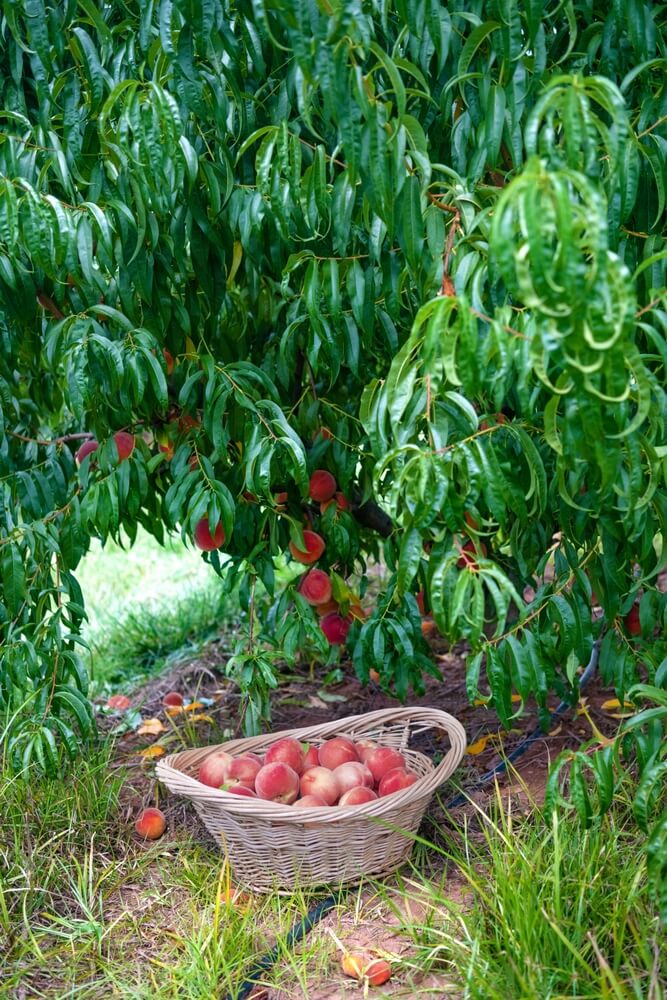
Sound intriguing?
Then let’s plant some homestead trees!
21 Best Trees for Homesteaders
Our epic list covers the essential species every homesteader should consider – whether you’re building a food forest, establishing windbreaks, or looking for multi-purpose trees.
1. Willow
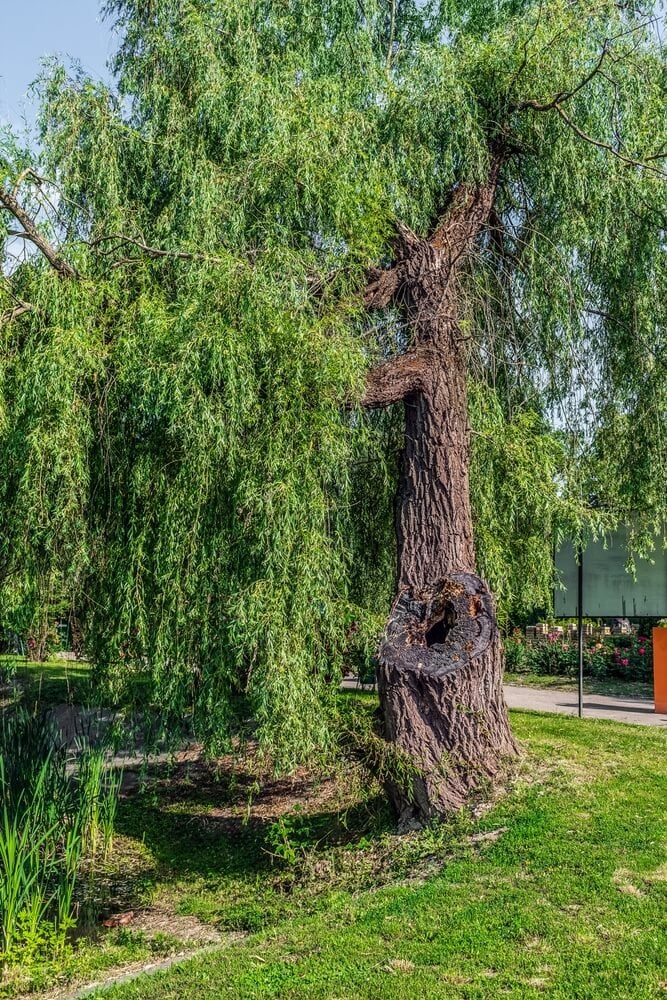
Willow trees rock when your pollinators desperately need that first meal after a long winter. They’re incredibly easy to propagate. Just stick a cutting in the ground, and it’ll likely take root. They’re not fussy about moisture levels either. They’re great for feeding bees, basket weaving, living fences, and stabilizing wet areas where other trees struggle to thrive.
- USDA Grow Zones: 4 through 9.
- Flowering Season: Yes, produces small catkins in early spring (March through April).
- Tree Size: Roughly 30 to 50 feet tall by 30 to 50 feet wide.
Willow trees also provide critical early spring pollen for pollinators emerging from winter. Easily propagated from cuttings and grows in various moisture conditions.
2. Pecan
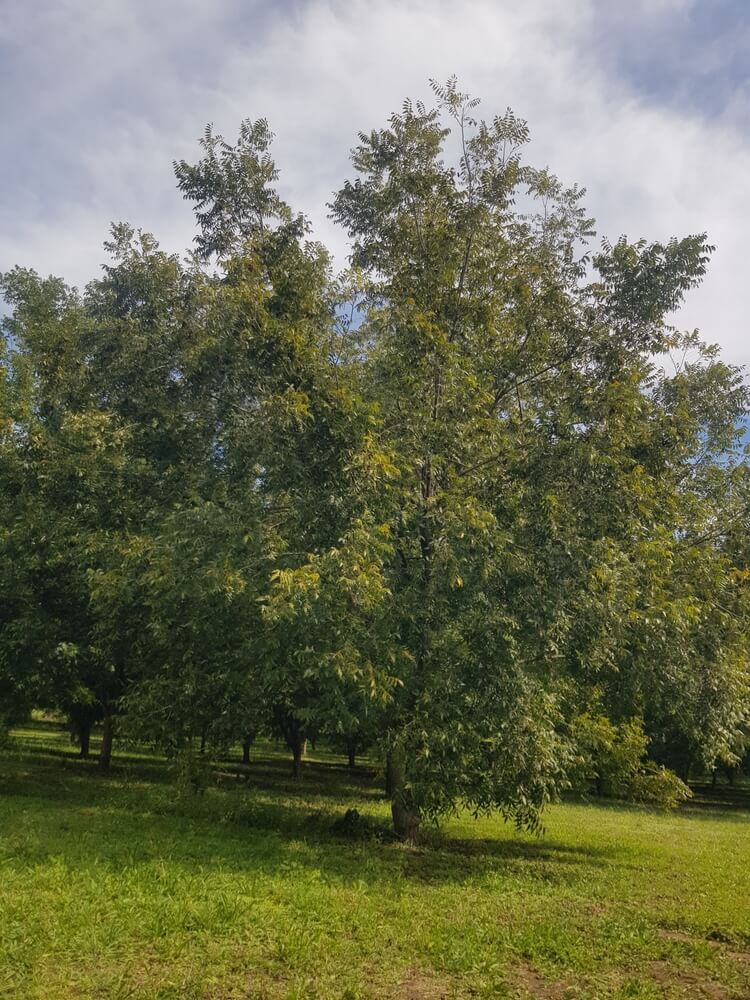
Pecans are liquid gold. But only if you’re in the Southern US and have the patience for it. A mature tree can produce over 40 pounds of nutrient-dense nuts annually, and that’s protein and healthy fats you don’t have to buy. The timber is valuable too, though you’ll probably never want to cut one down once it starts producing. Just know they need space and time to reach their full potential.
- USDA Grow Zones: 5 through 9.
- Flowering Season: Yes, produces insignificant yellow-green catkins in spring (April through May).
- Tree Size: Roughly 70 to 100 feet tall by 40 to 75 feet wide.
Pecan trees produce 40-plus pounds of high-fat, high-protein nuts per mature tree with valuable hardwood timber. Supports pollinator larvae and provides wildlife food.
3. Hawthorn
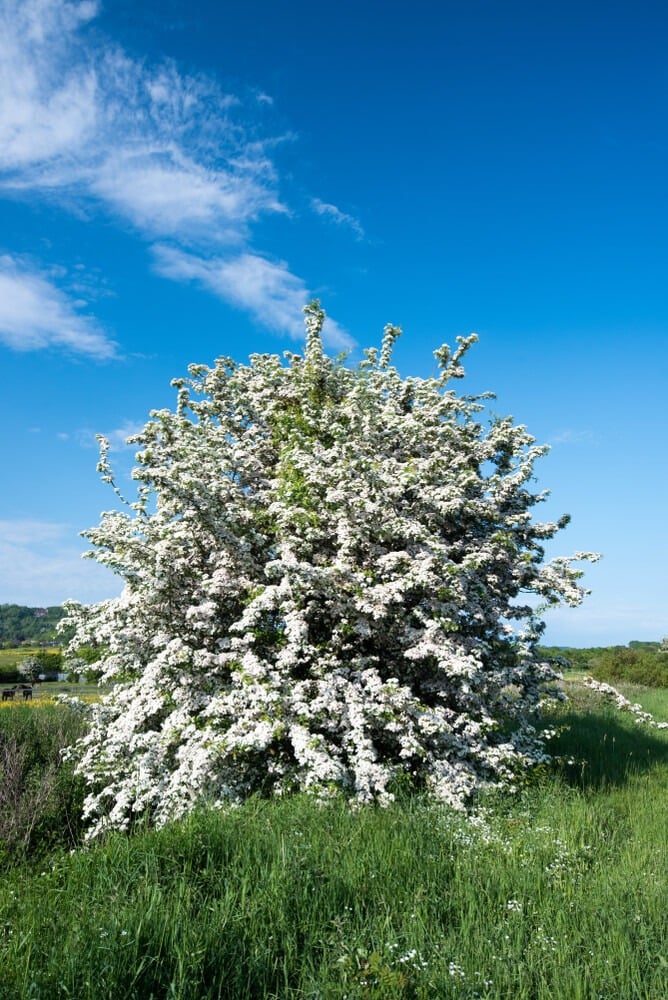
Plant hawthorns close together, and you’ve got a living fence that nothing’s getting through. Those thorns mean business. But they’re more than just security. The berries, leaves, and flowers have been used medicinally for centuries, particularly for heart health. They’re tough, adaptable, and require virtually no maintenance once established.
- USDA Grow Zones: 3 through 9.
- Flowering Season: Yes, produces fragrant white or pink flowers in mid to late spring.
- Tree Size: Roughly 15 to 30 feet tall by 15 to 25 feet wide, depending on variety.
Hawthorn trees also offer edible berries, which provide food for songbirds through winter. (You too, if you can get them before the birds.)
Read More – The Ultimate Guide To Growing Thanksgiving Cactus From Seed, Cuttings, Or Transplant!
4. Linden (Basswood)
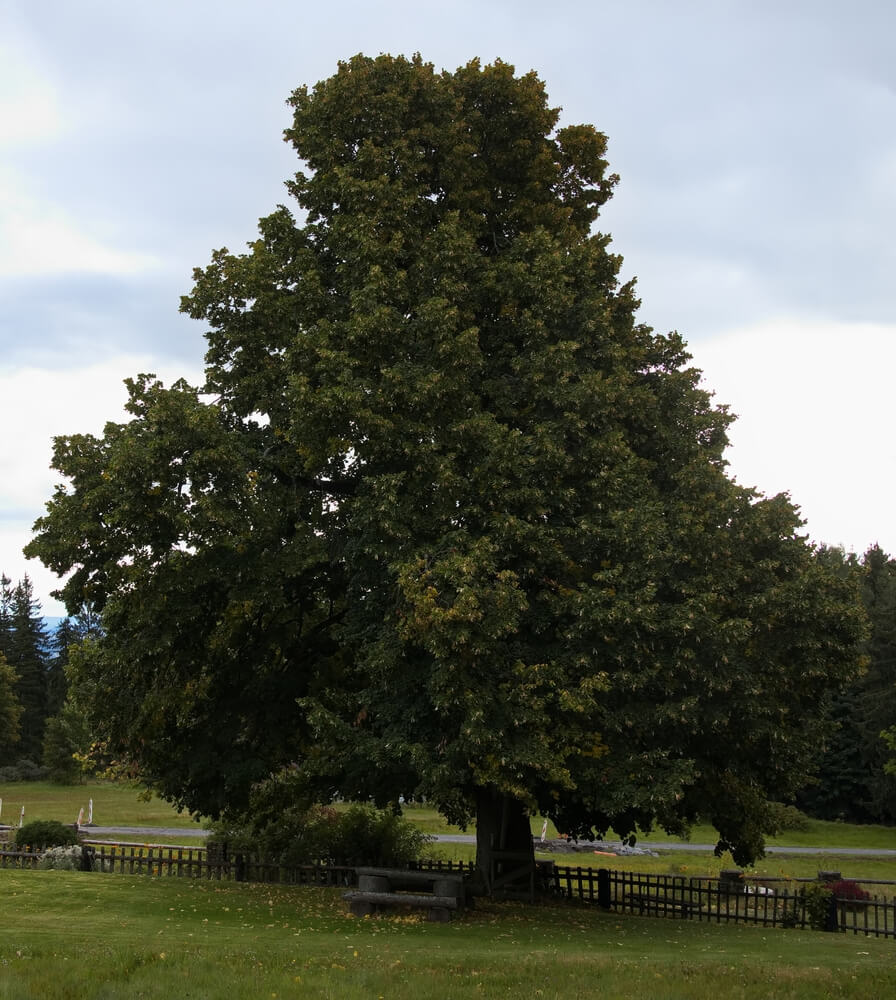
Linden trees keep on giving. Their flowers are absolute pollinator magnets. They’re superb nectar sources for urban areas. The fragrant blooms also make excellent tea. The wood is perfect for carving and woodworking. And you can even harvest the inner bark for cordage. It’s an actual multi-purpose homestead tree.
- USDA Grow Zones: 2 through 8.
- Flowering Season: Yes, produces fragrant pale yellow flowers in early to mid summer (June through July).
- Tree Size: Roughly 60 to 80 feet tall by 30 to 50 feet wide.
Blooms during late spring into summer with fragrant yellowish white flowers. Provides versatile wood for crafting and inner bark for rope making.
5. Apple
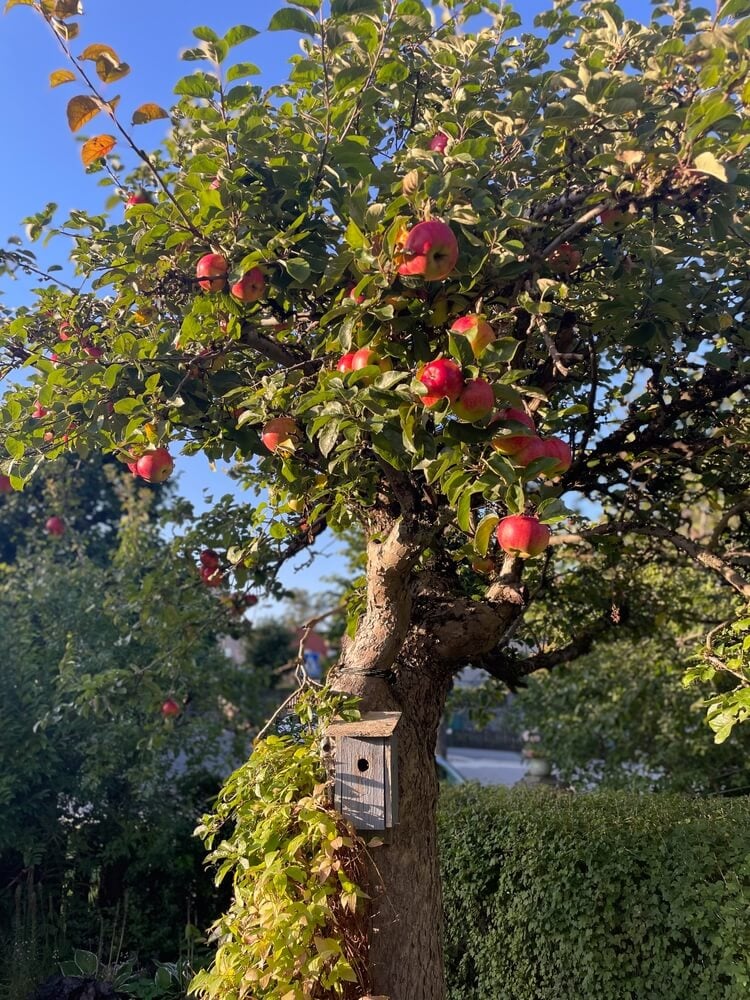
Apple trees are perfect for all homesteaders. Each tree can easily produce 50 to 60 fruits each season. Grow a few, and you’ll have enough for fresh eating, sauce, cider, pies, and plenty left for winter storage. Consider planting several types for cross-pollination and an extended harvest season. They’re the backbone of any food forest!
- USDA Grow Zones: 3 through 10, depending on variety.
- Flowering Season: Yes, produces white to pink blossoms in spring (April through May).
- Tree Size: Roughly 15 to 25 feet tall by 12 to 20 feet wide for most varieties.
These epic trees are homestead staples that yield 50 to 70 apples per tree each year, with excellent storage and versatile culinary uses. Supports pollinators in spring.
6. Osage Orange
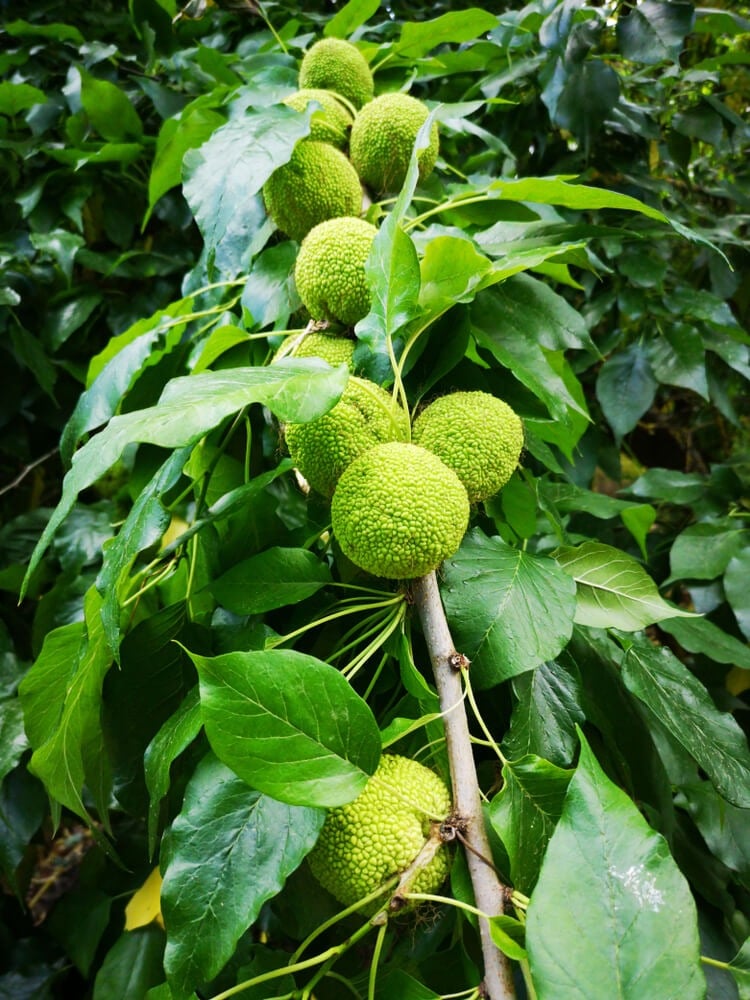
Osage orange is the workhorse of windbreaks and living fences. Those roots dig deep, over 25 feet down, making them excellent for erosion control. The wood is so dense and rot-resistant that fence posts can last 50+ years in the ground. Yes, the “hedge apples” are messy and inedible, but that’s a small price to pay for what this tree offers in terms of property protection and firewood.
- USDA Grow Zones: 4 through 9.
- Flowering Season: Yes, produces small greenish flowers in late spring.
- Tree Size: Roughly 20 to 40 feet tall by 20 to 40 feet wide.
Hedge apple trees are exceptional for natural fencing and windbreaks. They help prevent soil erosion with deep roots while producing incredibly dense, rot-resistant wood perfect for fence posts and firewood. Burns hot and efficiently with wood so durable it just doesn’t rot.
Read More – The 5-Step Hydrangea Pruning Protocol For Perfect Blooms Every Time!
7. Hazelnut
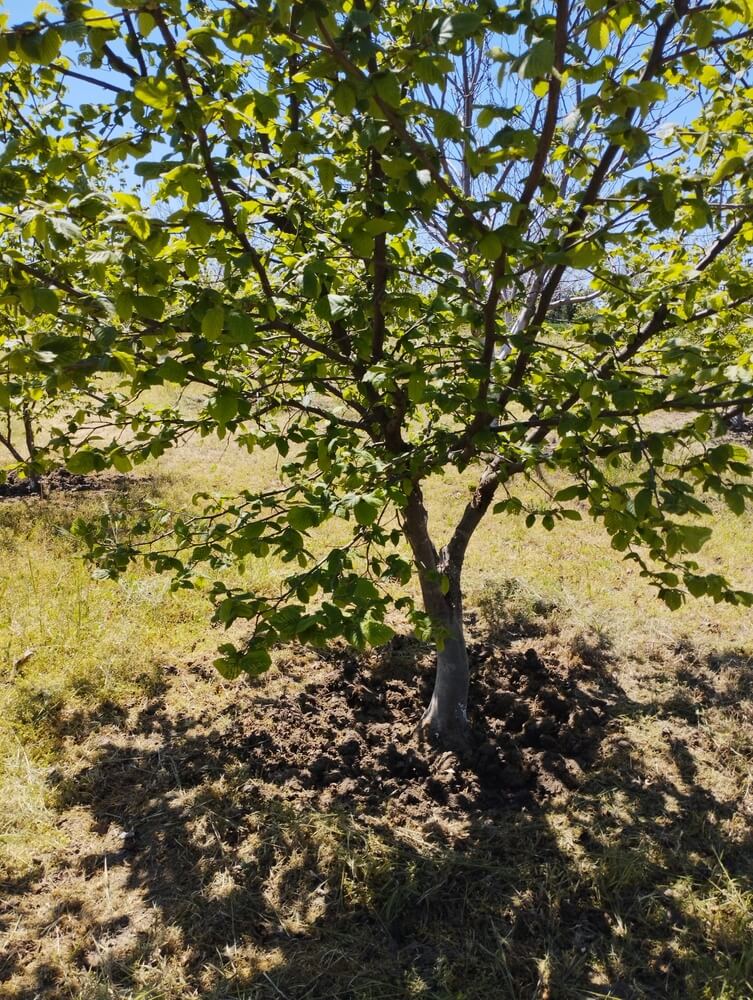
Hazelnuts are one of those set-it-and-forget-it crops. These shrubby trees produce abundantly with minimal fuss. And they’re naturally resistant to most pests and diseases. Fresh hazelnuts are a completely different experience from store-bought. They’re excellent for both fresh eating and long-term storage. Plant a few varieties for better pollination.
- USDA Grow Zones: 4 through 9.
- Flowering Season: Yes, produces catkins in late winter to early spring (February through March).
- Tree Size: Roughly 8 to 15 feet tall by 10 to 15 feet wide.
Hazelnut trees are easy to grow, pest-resistant, and they produce abundant nuts. They’re perfect for hedgerows and wildlife food.
8. Nectarine
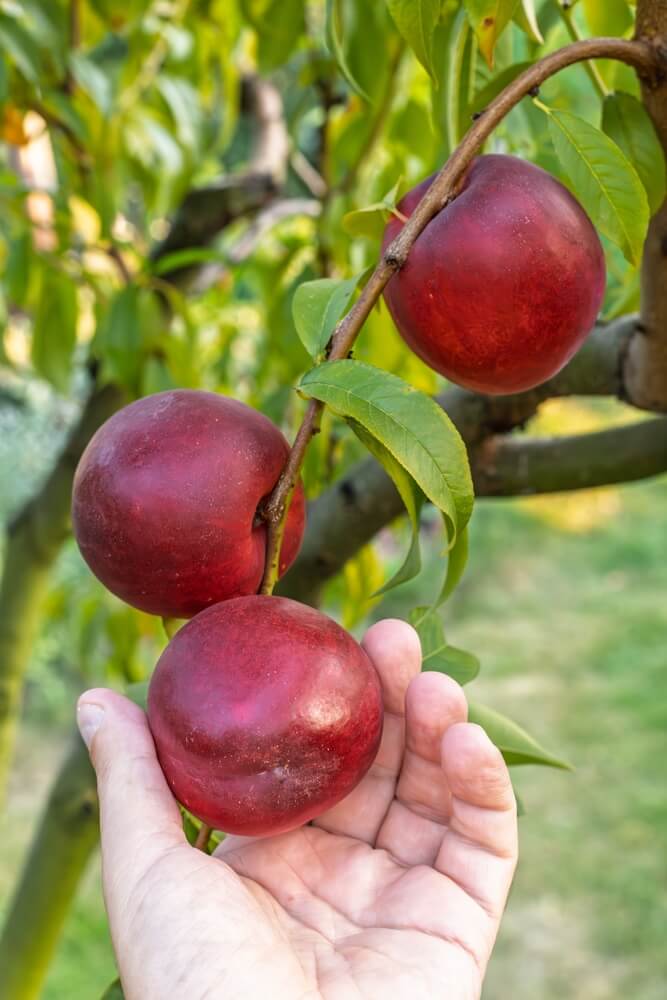
Nectarine trees are self-fertile food forest gems! These delicious fruits can thrive in zones 5 through 9. They mature quickly and make super-sweet fruit perfect for fresh eating, canning, or drying. Dwarf varieties are very homestead-friendly. Each nectarine tree produces 40 to 50 nectarines annually without taking up much space. Just give them full sun and good drainage.
- USDA Grow Zones: 5 through 9.
- Flowering Season: Yes, produces pink to white blossoms in early spring.
- Tree Size: Roughly 15 to 20 feet tall by 10 to 15 feet wide, with dwarf varieties staying smaller.
Nectarines require eight plus hours of sunlight and well-draining soil. Give them that, and they become self-fertile trees that produce abundant, smooth-skinned fruit.
9. Cedar
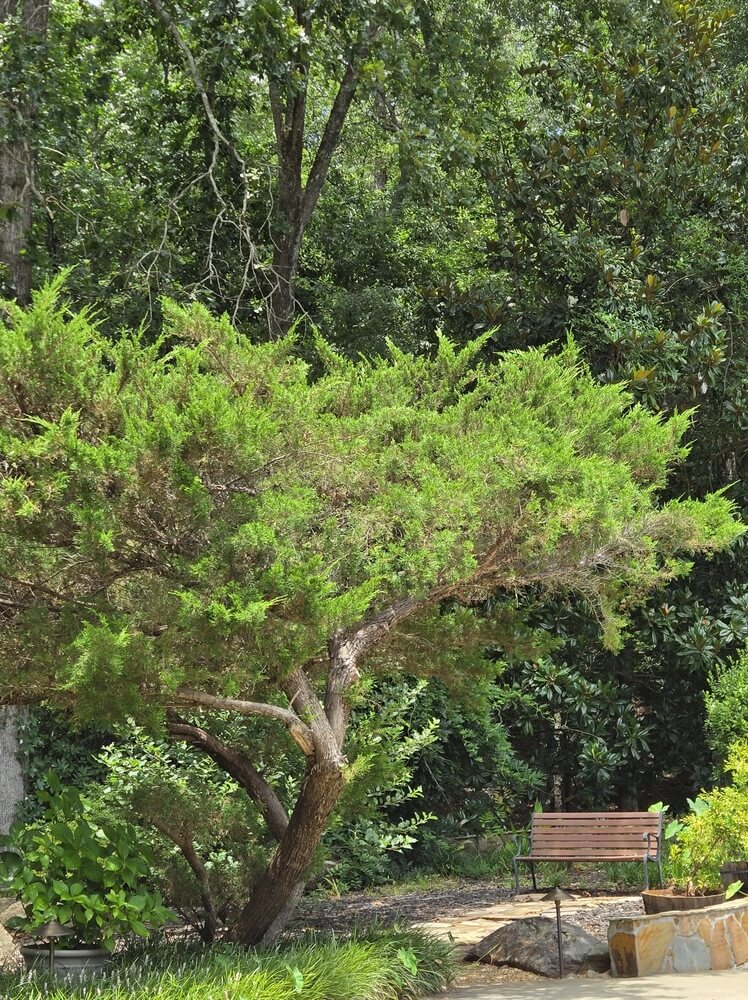
Cedar is premium firewood that burns clean and hot, but that’s just the beginning. The rot-resistant wood is excellent for carpentry projects, fencing, and raised beds. You can process it into fragrant animal bedding, and it naturally repels moths and other pests. Plant cedars as windbreaks and you’ll be harvesting value from them for decades.
- USDA Grow Zones: 2 through 9, depending on species.
- Flowering Season: No, it produces small cones instead of flowers.
- Tree Size: Roughly 40 to 60 feet tall by 15 to 25 feet wide, depending on species.
Top-tier firewood that’s rot-resistant for building, processable into animal bedding shavings, and naturally pest-repellent. Provides year-round evergreen shelter for wildlife.
Read More – 9 Reasons Why I Stopped Raking Leaves (And Why I May Never Rake Again)
10. Tulip Tree
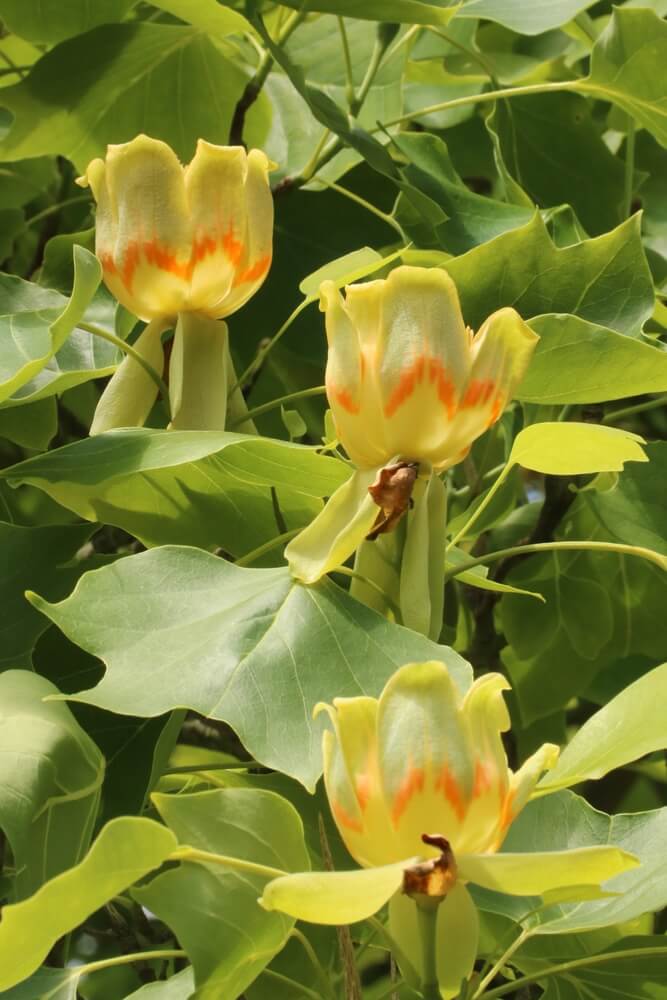
These native beauties shoot up fast, great if you’re trying to establish shade or a windbreak quickly. They can reach 70 to 90 feet and produce those distinctive tulip-shaped flowers that bees absolutely love. The straight timber is valuable too, and they’re surprisingly low-maintenance once established in well-drained soil.
- USDA Grow Zones: 4 through 9.
- Flowering Season: Yes, produces yellow-green tulip-shaped flowers in late spring (May through June).
- Tree Size: Roughly 70 to 90 feet tall by 30 to 50 feet wide.
Fast-growing native providing excellent nectar for bees, reaching impressive heights and thriving in well-drained soils. Also provides valuable straight-grained lumber.
11. Black Locust
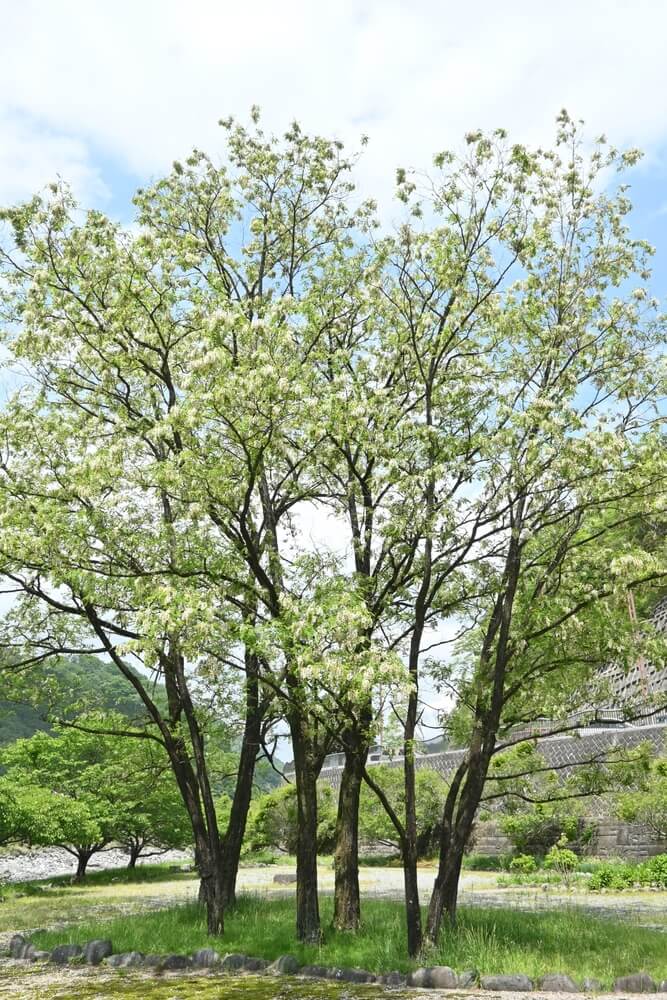
Black locust might be the most underrated homestead tree out there. It grows fast, fixes nitrogen in your soil, and produces rot-resistant wood. It’s perfect for untreated fence posts. The fragrant spring flowers are excellent for bees. Just be mindful of where you plant it. It spreads aggressively.
- USDA Grow Zones: 3 through 9.
- Flowering Season: Yes, produces fragrant white flower clusters in late spring (May through June).
- Tree Size: Roughly 40 to 80 feet tall by 20 to 35 feet wide.
These epic trees grow 3 to 4 feet per season while fixing atmospheric nitrogen. The wood is an exceptional rot-resistant timber. And it nearly doubles local soil nitrogen levels!
12. Chestnut
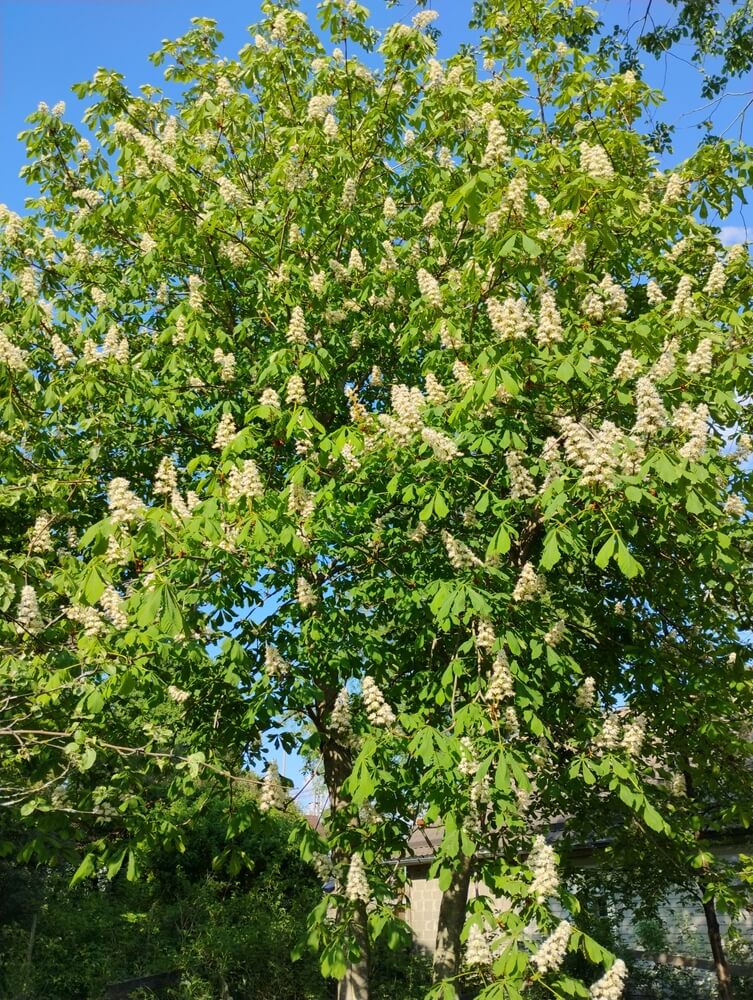
The American chestnut is making a comeback thanks to blight-resistant cultivars, and homesteaders should take note. A mature chestnut tree easily produces 50+ pounds of sweet, versatile nuts that store well. They’re easier to peel than many nuts, making them more practical for regular cooking. Plus, you’re helping restore an iconic native species.
- USDA Grow Zones: 4 through 9.
- Flowering Season: Yes, produces creamy white catkins in early summer (June through July).
- Tree Size: Roughly 50 to 75 feet tall by 40 to 50 feet wide for American varieties.
Blight-resistant American Chestnut cultivars are now available! They provide valuable timber and wildlife food.
Read More – 10 Permaculture Principles That Let Nature Do The Heavy Lifting For You!
13. Oak
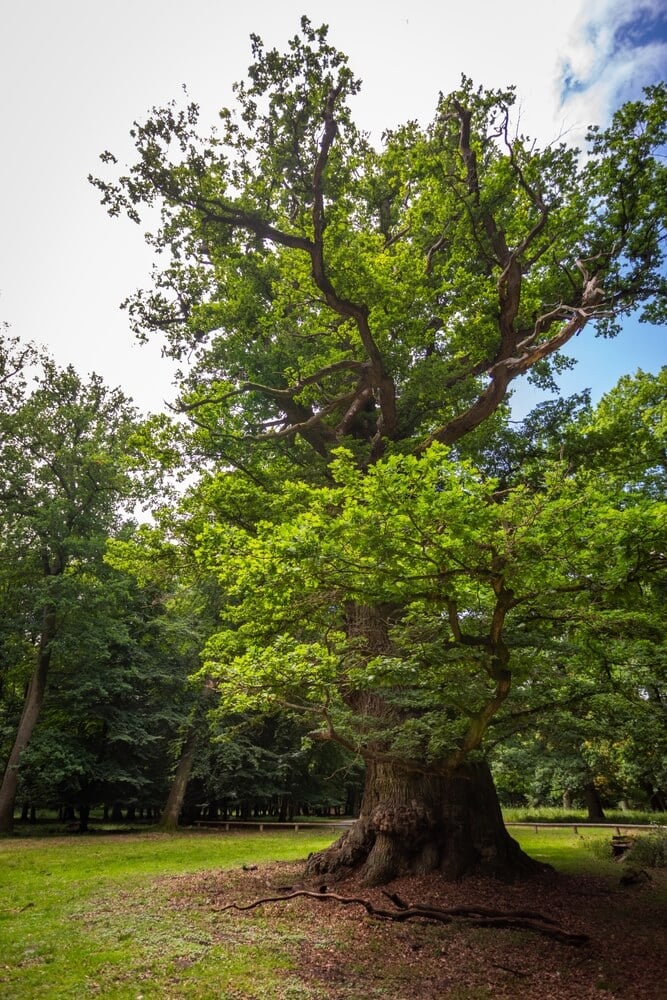
Oaks are the anchor trees of any homestead. The firewood burns long and hot, they support countless pollinator and wildlife species, and they produce mast that feeds everything from deer to turkeys. Yes, they’re slow-growing, but they’re also incredibly long-lived and will serve your grandchildren’s grandchildren. Plant oaks for the future.
- USDA Grow Zones: 3 through 9, depending on species.
- Flowering Season: Yes! It produces small catkins in spring (April through May).
- Tree Size: Roughly 50 to 80 feet tall by 40 to 70 feet wide, depending on species.
Provides long-lasting, hot-burning firewood, supports pollinators year-round with leaves and habitat, and produces mast for wildlife. Exceptional for timber and shade.
14. Plum
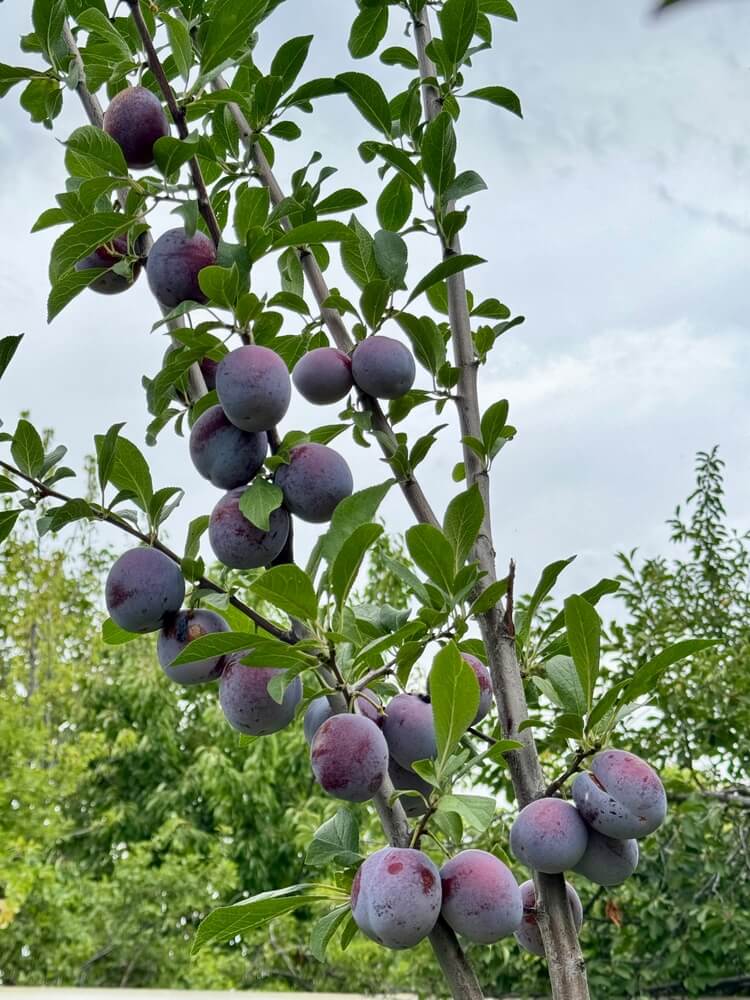
American plums stay relatively compact, making them perfect for food forests where you need trees that won’t shade out everything below them. The fruit is versatile. Eat it fresh, make wine, preserve it as jam, or dry it into prunes. They’re also quite cold-hardy and adaptable to a wide range of soil types.
- USDA Grow Zones: 3 through 9, depending on variety.
- Flowering Season: Yes, produces white to pink blossoms in early spring (March through April).
- Tree Size: Roughly 10 to 20 feet tall by 12 to 20 feet wide for American varieties.
American plums stay relatively short, allowing sunlight for understory plants while producing fruit for fresh eating, wines, jellies, and prunes. Dense growth creates natural security barriers.
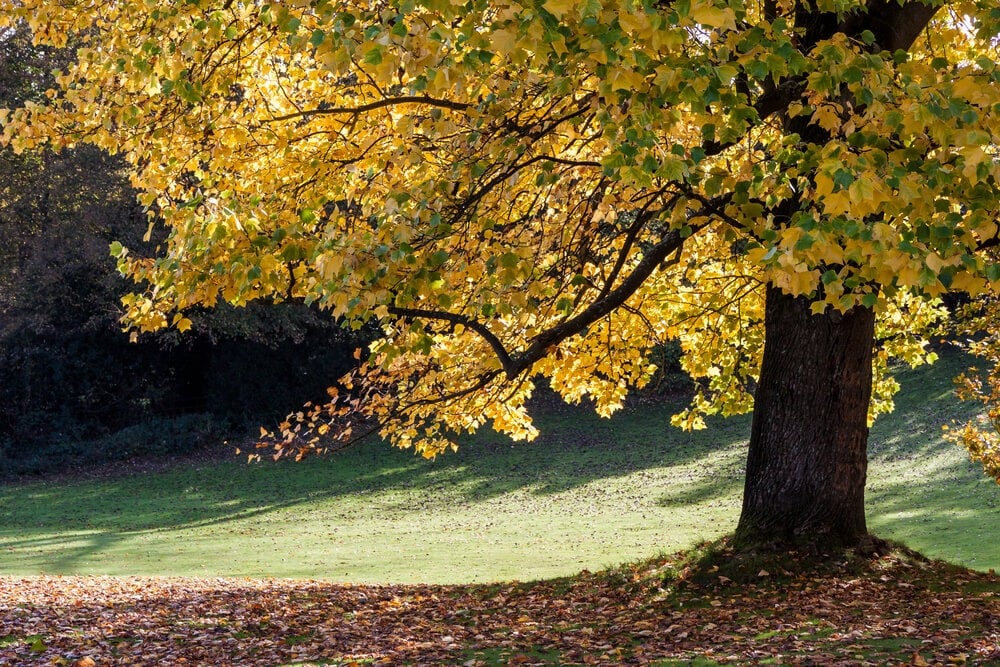
15. Maple (Sugar & Red)
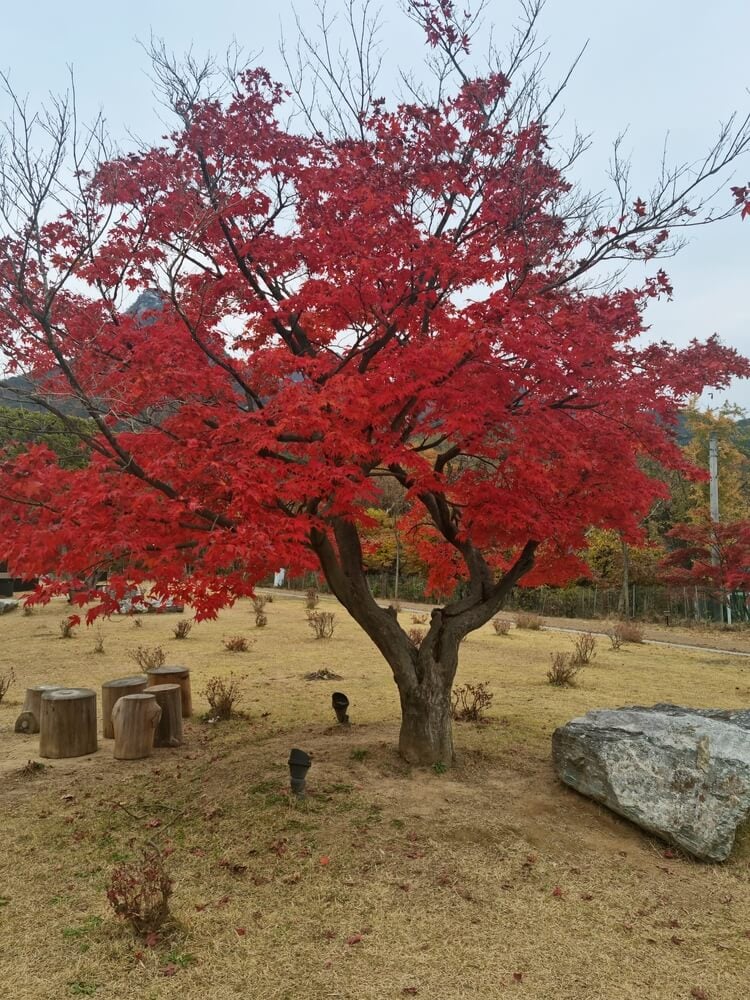
Maples are the tree that taps back. Sugar maples primarily can provide gallons of sap for syrup production each spring, and they’re also early bloomers that give honeybees crucial forage. The hardwood is prized for furniture and flooring, and the fall color is just a bonus. They’re long-term investments that pay dividends in multiple ways.
- USDA Grow Zones: 3 through 9, depending on species.
- Flowering Season: Yes, produces small red or yellow flowers in early spring (March through April).
- Tree Size: Roughly 50 to 75 feet tall by 35 to 50 feet wide.
These dazzling trees provide spectacular fall color. They’re also early-spring bloomers that attract honeybees, are tappable for syrup production, and are prized for their beautiful hardwood.
Read More – The 21 Best Food Forest Crops For Homesteaders And Small Gardens!
16. Burr Oak
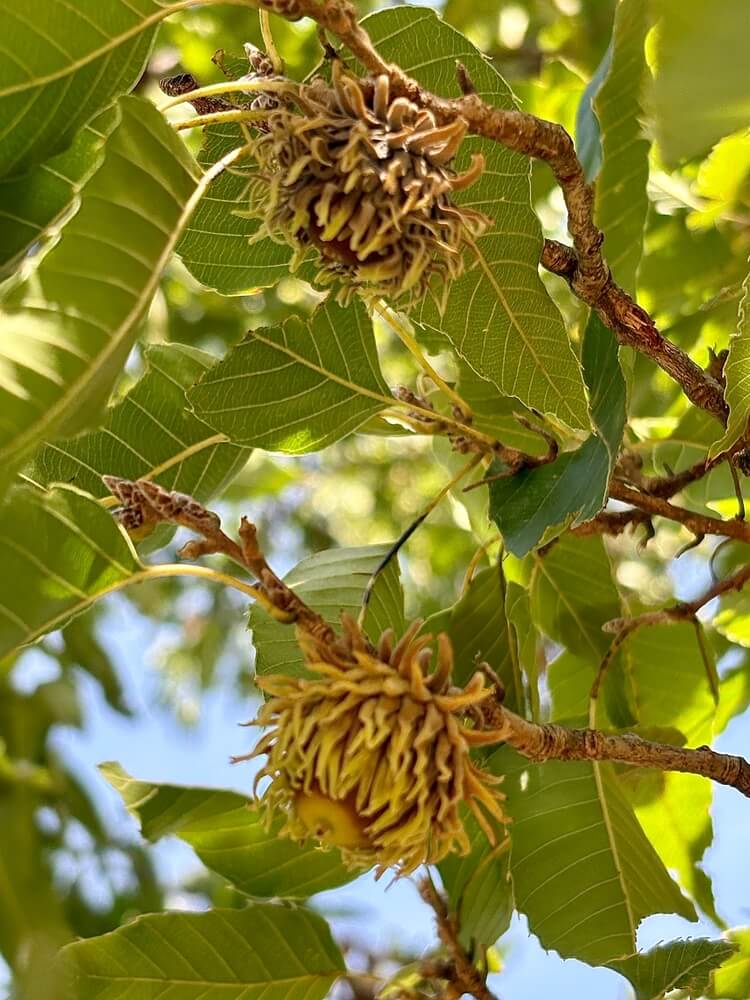
Unlike most oaks that produce bitter acorns, burr oak acorns are sometimes pleasant-tasting and can be eaten with minimal processing. (On a good tree, you can eat them raw or with just one quick soak.) They store well, too, making them a genuine food source rather than just wildlife fodder. Add in the strong timber and impressive size, and you’ve got a tree worth the wait.
- USDA Grow Zones: 3 through 8.
- Flowering Season: Yes, produces catkins in spring (April through May).
- Tree Size: Roughly 60 to 80 feet tall by 60 to 80 feet wide.
Unlike many oaks, it produces edible acorns that can taste good and store well. Plus, it provides strong timber and wildlife fodder. Extremely drought-tolerant once established. (Some burr oak trees produce nuts that are more bitter than others.)
17. Honey Locust
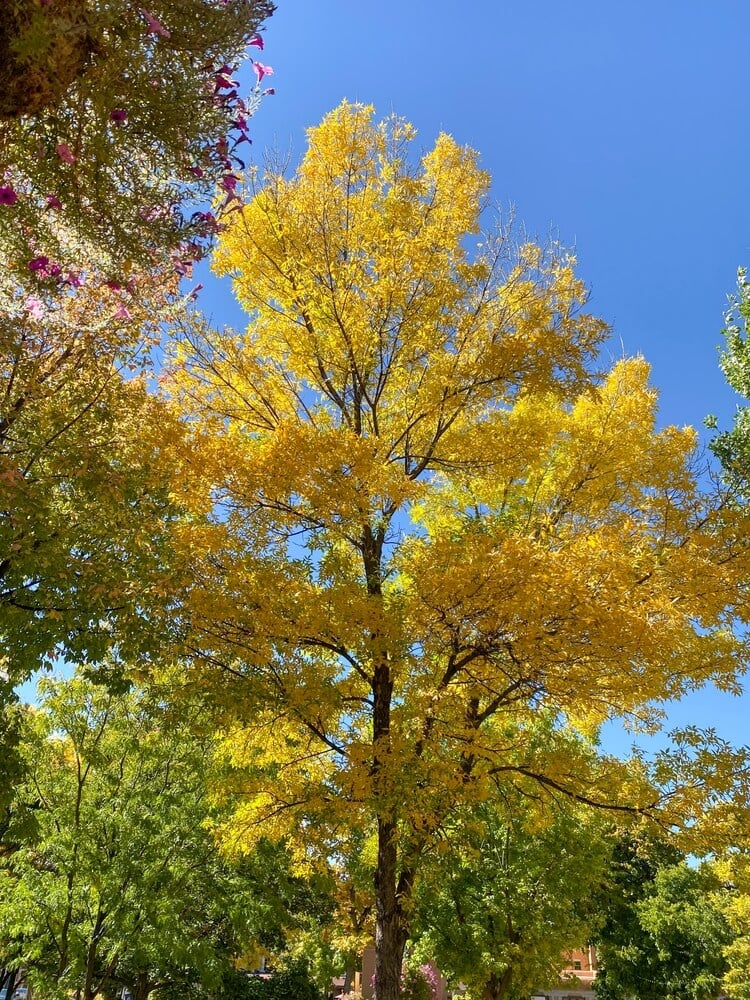
The thornless varieties are easier to manage, but even the thorny ones serve a purpose as natural security barriers. Honey locust produces edible sweet pods, fixes nitrogen to improve your soil, and provides dappled shade that allows plants to grow underneath. The wood is dense and valuable, making this another solid multi-purpose choice.
- USDA Grow Zones: 3 through 9.
- Flowering Season: Yes, produces greenish white fragrant flower clusters in late spring (May through June).
- Tree Size: Roughly 50 to 70 feet tall by 40 to 50 feet wide.
Produces edible pods, fixes nitrogen, and creates security barriers with thorns while improving soil fertility. Filtered shade allows grass to grow beneath.
18. Pawpaw
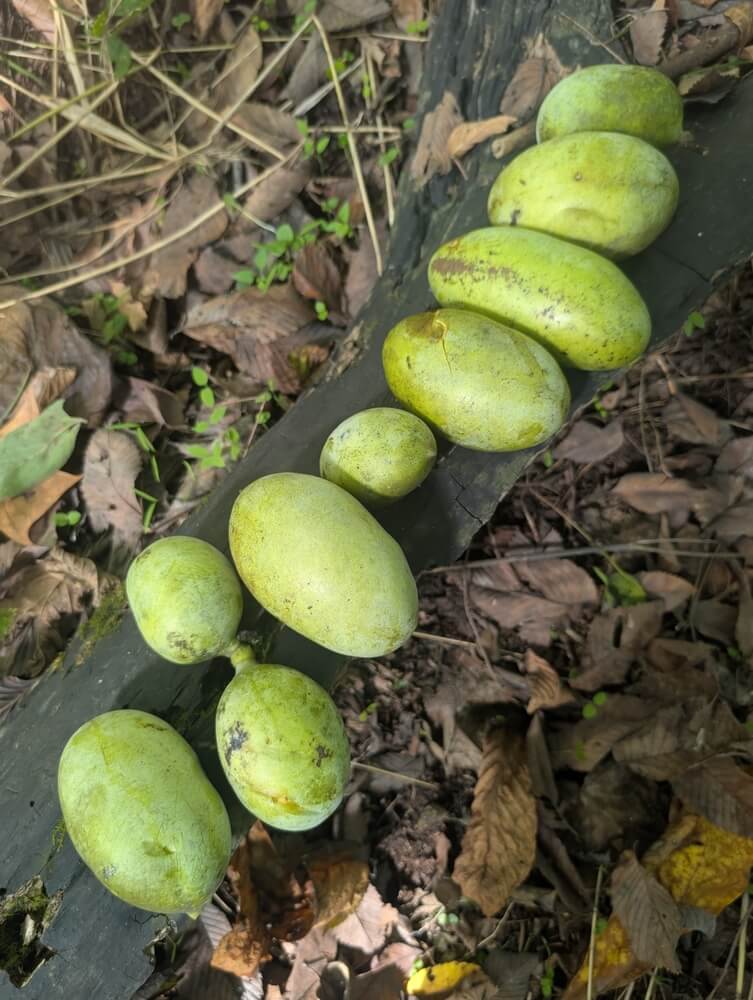
Pawpaws are North America’s secret tropical fruit with creamy, custard-like flesh that tastes like a banana-mango hybrid. They’re shade-tolerant understory trees with beautiful, deep red flowers, making them perfect for food forest plantings. The fruit doesn’t ship well, which is why you never see it in stores, so growing your own is really the only option.
- USDA Grow Zones: 5 through 9.
- Flowering Season: Yes, produces deep red to maroon flowers in early spring (April through May).
- Tree Size: Roughly 15 to 30 feet tall by 15 to 30 feet wide.
Native North American fruit tree with custard-like, tropical-tasting fruit, attractive ornamental qualities, and deep red flowers. Grows well in shade and provides unique fruit.
Read More – The Ultimate Guide To Growing Hostas From Seed, Division, Or Transplant!
19. Peach
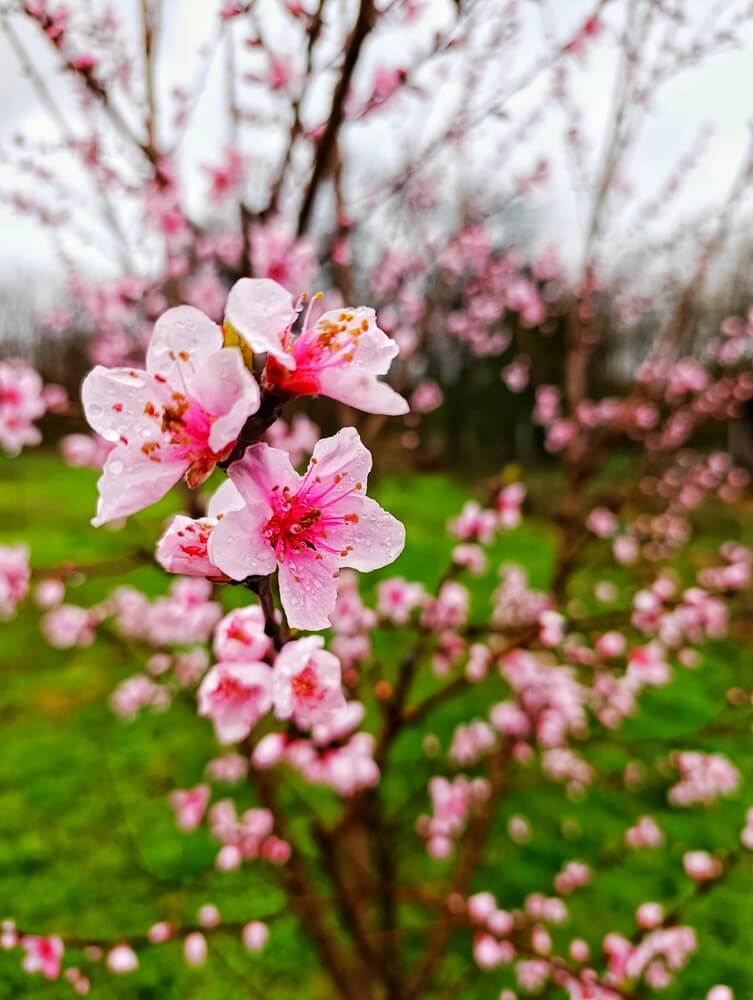
Peach trees are superb summer fruit producers in temperate climates. Like nectarines, peach trees also bear relatively quickly compared to other fruit trees. The challenge is managing diseases in humid climates. But if you choose resistant varieties and stay on top of basic care, you’ll have more peaches than you know what to do with. Canning, freezing, and drying will become essential skills!
- USDA Grow Zones: 5 through 9.
- Flowering Season: Yes, produces pink to white blossoms in early spring (March through April).
- Tree Size: Roughly 15 to 25 feet tall by 15 to 20 feet wide.
Similar to nectarines, with growing climates and produce reliable summer harvests in temperate climates. Self-fertile and productive within 2 to 4 years.
20. Walnut (Black & English)
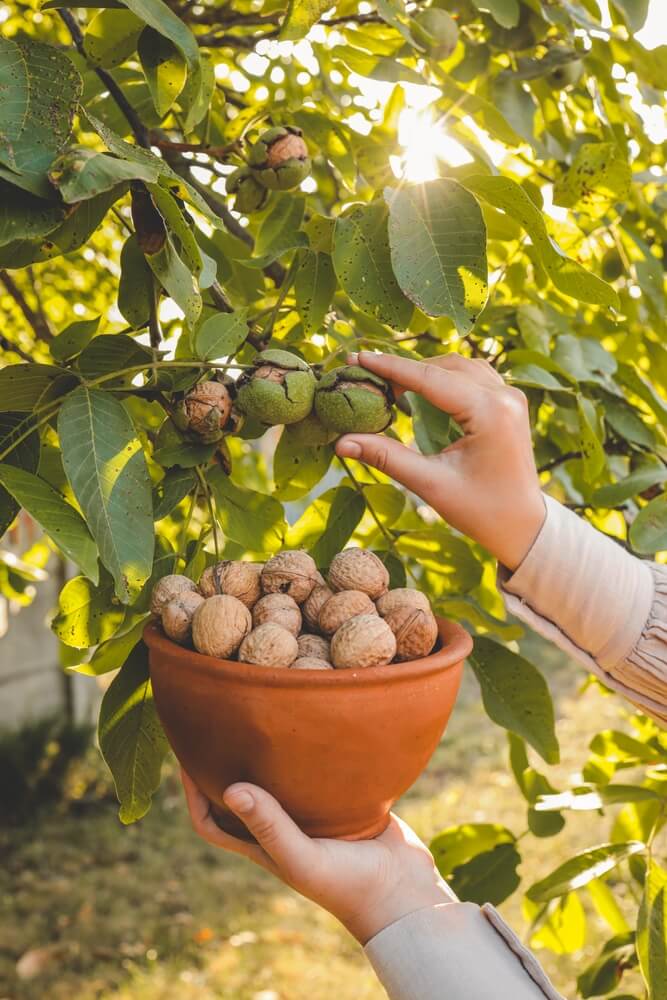
Black walnuts are phenomenal producers, over 100 pounds per mature tree, but they release juglone, which inhibits many plants. English or Carpathian walnuts are gentler on surrounding vegetation while still producing excellent nuts. Either way, you’re looking at high-quality protein and oil that stores well. Just plant them away from sensitive crops and gardens.
- USDA Grow Zones: 4 through 9.
- Flowering Season: Yes, produces catkins in spring (April through May).
- Tree Size: Roughly 50 to 75 feet tall by 50 to 75 feet wide for black walnut, smaller for English varieties.
Black walnuts can yield over 100 pounds once mature. English or Carpathian varieties emit less juglone, making them more compatible with other plants. Provides valuable timber and high-protein nuts.
21. Mulberry
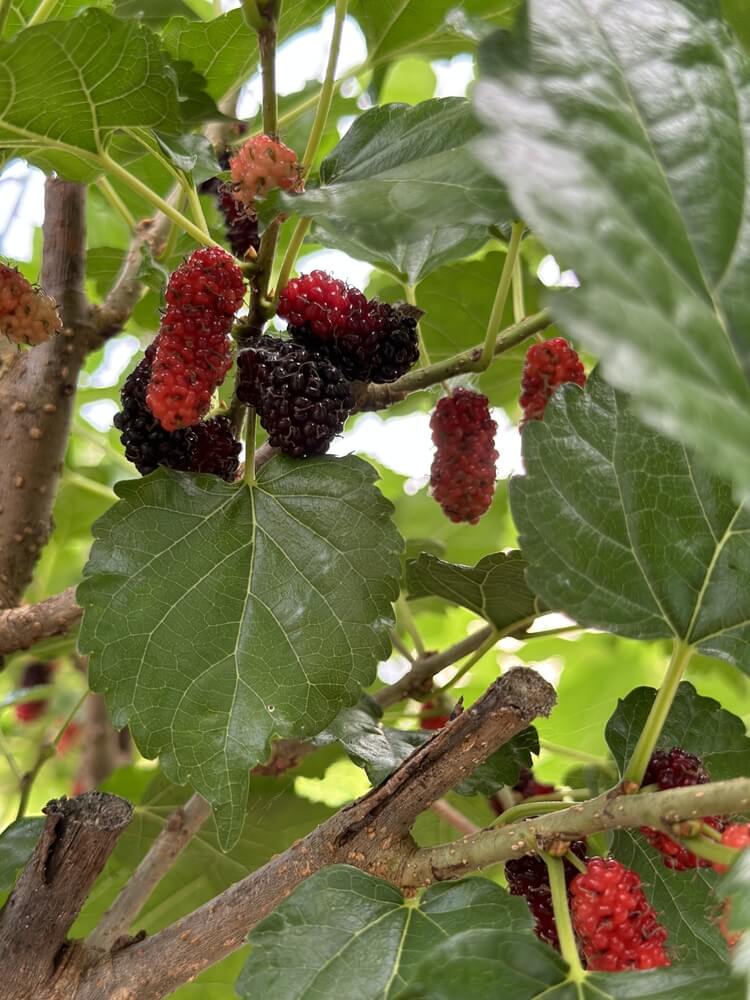
Mulberries are nearly indestructible once established and produce fruit so prolifically that you’ll be giving it away. The berries are excellent fresh or in preserves, and anything that drops feeds your chickens, ducks, or pigs beautifully. They’re fast-growing, drought-tolerant once mature, and about as low-maintenance as fruit trees get. Plant one and forget about it. It’ll take care of itself.
- USDA Grow Zones: 4 through 9.
- Flowering Season: Yes, produces small, greenish-white catkins in spring (April through May).
- Tree Size: Roughly 30 to 50 feet tall by 35 to 45 feet wide.
Incredibly prolific and low-maintenance fruit producers that also support livestock and poultry with dropped fruit. Produces fruit continuously over several weeks for an extended harvest.
Read More – How To Attract Bats To Your Garden – 13 Epic Flowers And Shrubs That Bats Love!
Conclusion

The best time to plant a tree was twenty years ago, and the second-best time is today. Start with what fits your climate and needs, plant a few each year, and before you know it, you’ll have a thriving homestead ecosystem that works for you instead of the other way around. Your future self will thank you every time you harvest nuts, tap for syrup, cut firewood, or watch the pollinators swarm those spring blooms.
Thanks for reading.
Have a great day!