The 21 Best Food Forest Crops For Homesteaders And Small Gardens!
Welcome! This article contains affiliate links, meaning I get a commission if you decide to make a purchase through my links, at no extra cost to you.
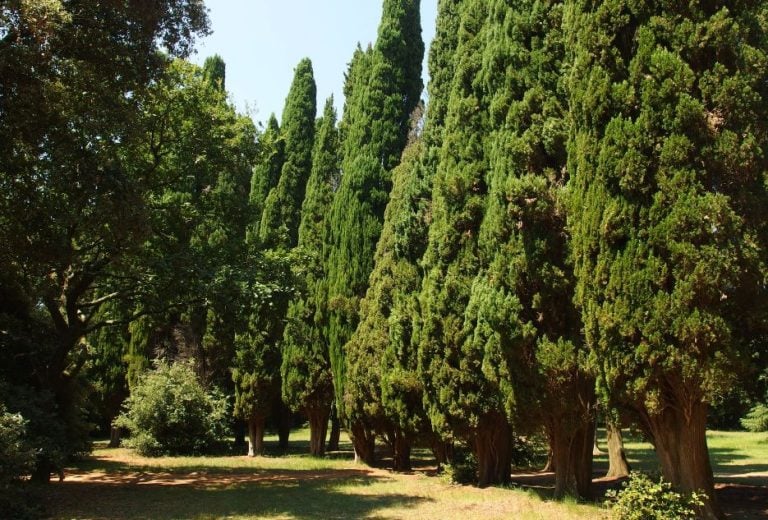
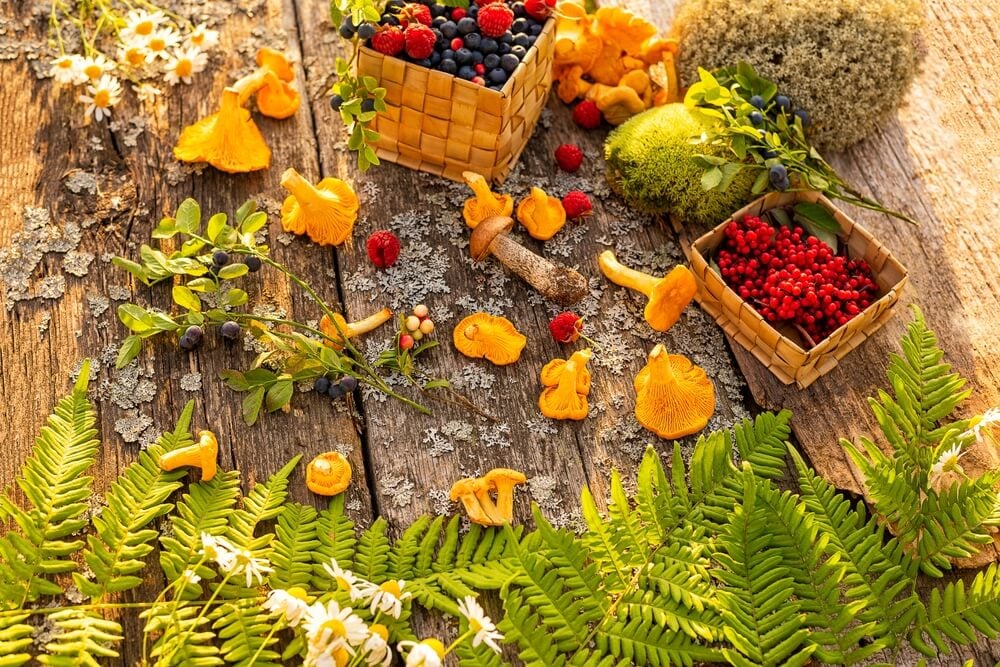
Building a backyard food forest means selecting plants that work together across multiple layers. It also means choosing edible perennials and yummy fruit trees that require only minimal maintenance once established. Well, we’ve got all of those angles covered. The following 21 food forest crops represent the most reliable, productive, and practical choices for permaculture systems across various climates.
Sound enticing?
Then let’s grow a backyard permaculture food forest. Shall we?
21 Best Food Forest Permaculture Crops For Backyard Homesteaders
Any edible perennial or fruit tree works perfectly for food forests. But these 21 crops are our top picks.
1. Rhubarb
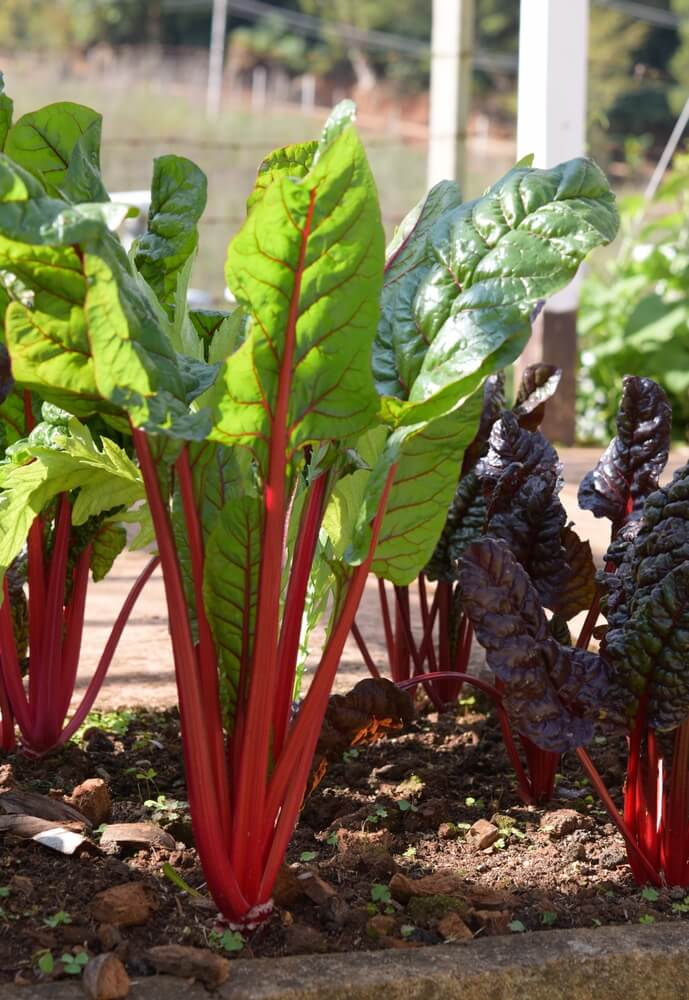
Rhubarb offers superb reliability and productivity for your food forest. Once established, this hardy perennial produces tart stalks for decades with almost no care required. Its large leaves create adequate ground cover that naturally suppresses weeds while adding organic matter to the soil when they decompose each fall.
- USDA Growth Zones: 3 through 8.
- What It Produces: Edible stalks for pies, compotes, and preserves.
- Personality: The Workhorse. Reliable, tough, and zero fuss.
- Best Use: A ground-layer anchor that shades the soil and suppresses weeds.
Dice it fine with plenty of sugar, simmer until it breaks down into a jammy compote, then swirl it into yogurt or spoon it over vanilla ice cream.
2. Mulberry
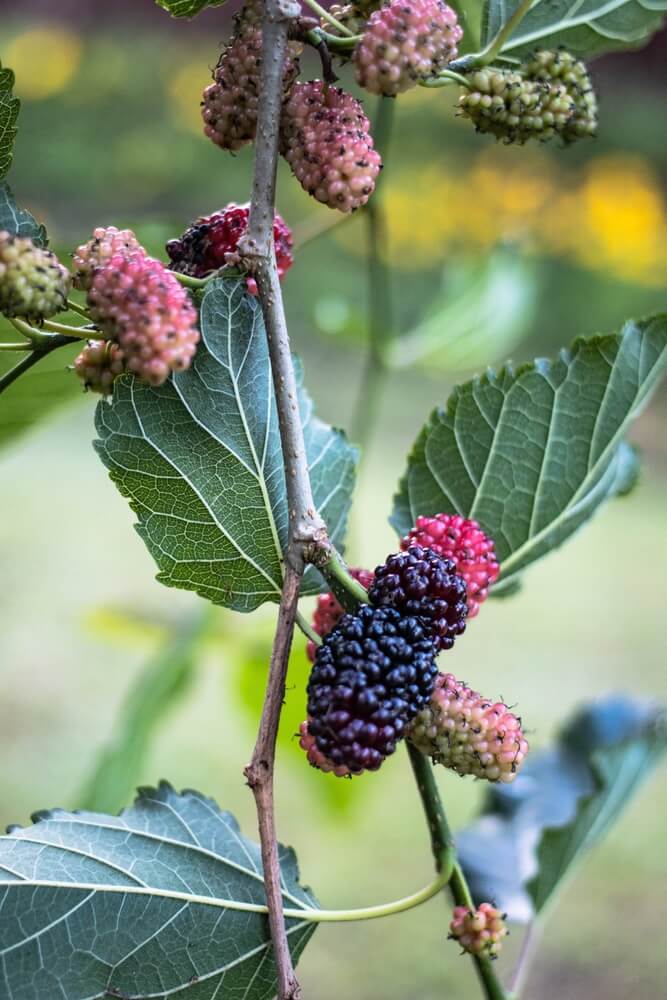
Mulberry trees offer serious fruit in abundance. These fast-growing trees can produce hundreds of pounds of sweet berries annually while providing valuable shade and attracting beneficial wildlife. The fruit is perfect for eating fresh, dried, or made into preserves, and the tree essentially takes care of itself.
- USDA Growth Zones: 4 through 9 (varies by species).
- What It Produces: Heavy yields of sweet, blackberry-like fruit.
- Personality: The Overachiever. Produces more fruit than you think is possible.
- Best Use: Overstory fruit source and wildlife-friendly shade.
Mulberry trees play a central role in silk production across Asia. (There, silkworms feed exclusively on mulberry leaves.)
3. Good King Henry
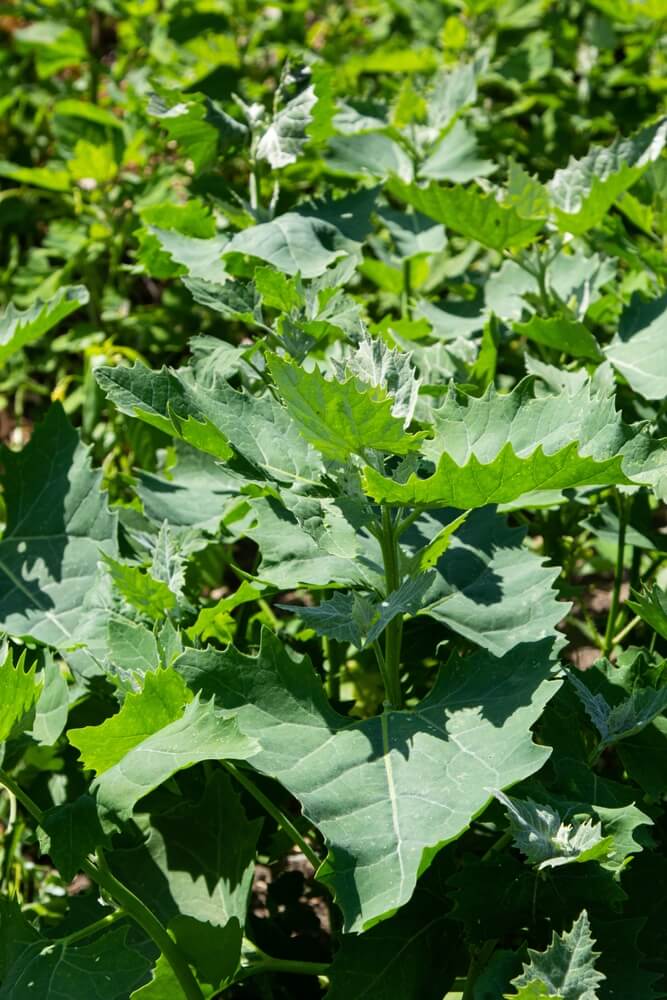
Good King Henry is a highly underrated perennial green. It deserves way more attention from food forest designers! Good King Henry produces edible leaves, shoots, and flower buds throughout the growing season. It functions like spinach, but without the need for annual replanting. It thrives in partial shade under larger plants, making it an excellent choice for filling the herbaceous layer.
- USDA Growth Zones: 4 through 8.
- What It Produces: Perennial spinach-like greens.
- Personality: The Quiet Provider. Not flashy, but endlessly useful.
- Best Use: Perennial leafy vegetable for reliable spring greens.
Harvest leaves when they are young and tender. Once they become too large and mature, they develop an unpleasant, soapy taste due to the presence of saponins.
Read More – How To Grow Blueberry Shrubs At Home From Seeds, Cuttings, Or Seedlings – The Ultimate Guide!
4. Hardy Kiwi
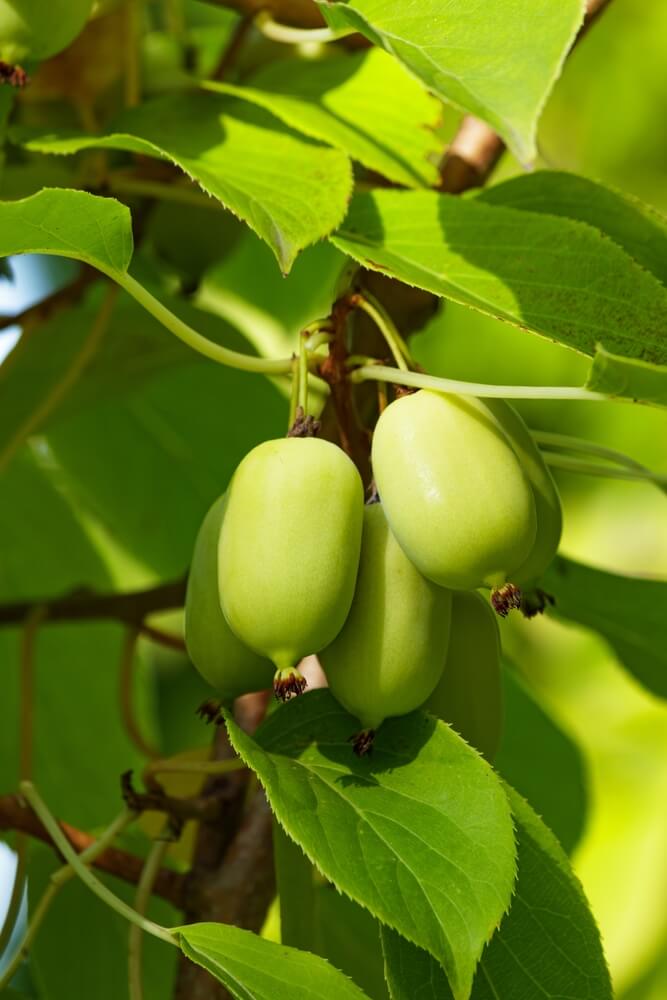
Hardy kiwi transforms vertical spaces into productive fruit zones without the fussiness of traditional kiwifruit. These vigorous vines produce smooth-skinned, grape-sized fruits with sweet, complex flavor and require far less heat than their fuzzy cousins. Give them strong support and watch them climb pergolas, arbors, or sturdy fences with enthusiasm.
- USDA Growth Zones: 4 through 8.
- What It Produces: Smooth-skinned grape-sized kiwis.
- Personality: The Wild Climber. Fast-growing and adventurous.
- Best Use: Vertical layer on pergolas, arbors, or strong trellises.
Hardy kiwi excels in the vertical/vine layer, transforming overhead structures into a productive canopy while leaving ground space free for understory plants.
5. Black Raspberry
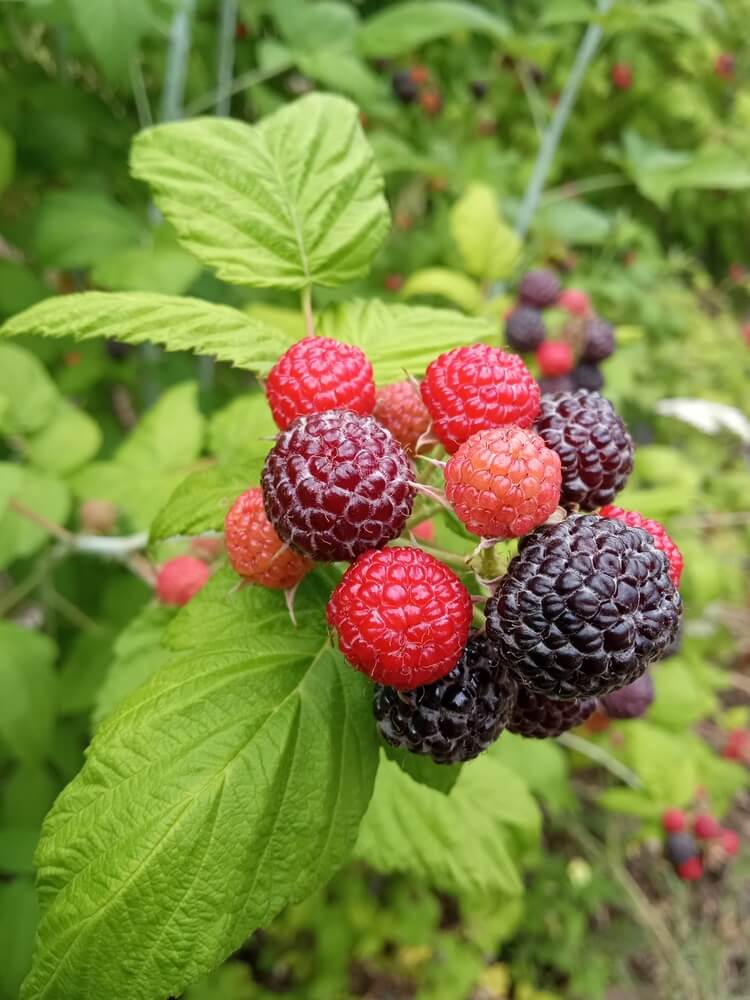
Black raspberries are sweetly delicious, and some say they are even sweeter than their red counterparts. They have a deep, wine-like complexity that foragers prize. Black raspberries can also spread more aggressively than cultivated varieties. But this spreading trait makes them perfect for establishing productive hedgerows along property edges. The canes require occasional management but reward you with outstanding fruit for fresh eating and preserves.
- USDA Growth Zones: 5 through 8.
- What It Produces: Deep, complex raspberry flavor prized by foragers.
- Personality: The Wild Artist. A little unruly but intensely rewarding.
- Best Use: Cane-fruit layer backyard paths or edges.
There are so many delicious ways to eat black raspberries. Jam and spreads for one. But you can also use them to upgrade salads, yogurts, smoothies, and ice cream.
6. American Persimmon
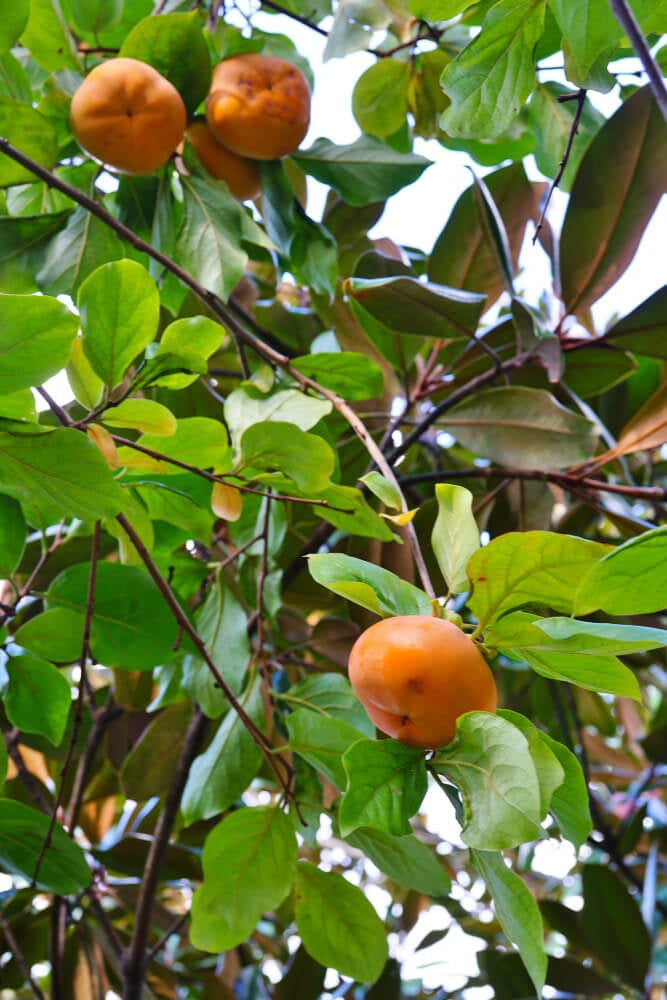
These epic fruit crops bring dramatic seasonal interest and delicious fruit to your food forest canopy. The trees are remarkably adaptable and resistant to pests. They produce caramel-sweet fruits in autumn that transform from astringent to delicious after the first frost. Plant both male and female trees for reliable fruiting, and enjoy harvests that improve as the trees mature.
- USDA Growth Zones: 4 through 9.
- What It Produces: Caramel-flavored autumn fruit once fully ripe.
- Personality: The Late Bloomer. Reward comes in the fall, and it’s worth the wait.
- Best Use: Overstory canopy with seasonal drama.
It can be tempting to harvest your American Persimmon early. But it’s usually best to wait until after they’re softer, usually after the first frost. Most farmers swear the astringent flavor fades after cool weather hits.
Read More – The Ultimate Guide To Growing Nectarine Trees In Your Backyard! (From Seeds Or Grafts!)
7. Chestnut
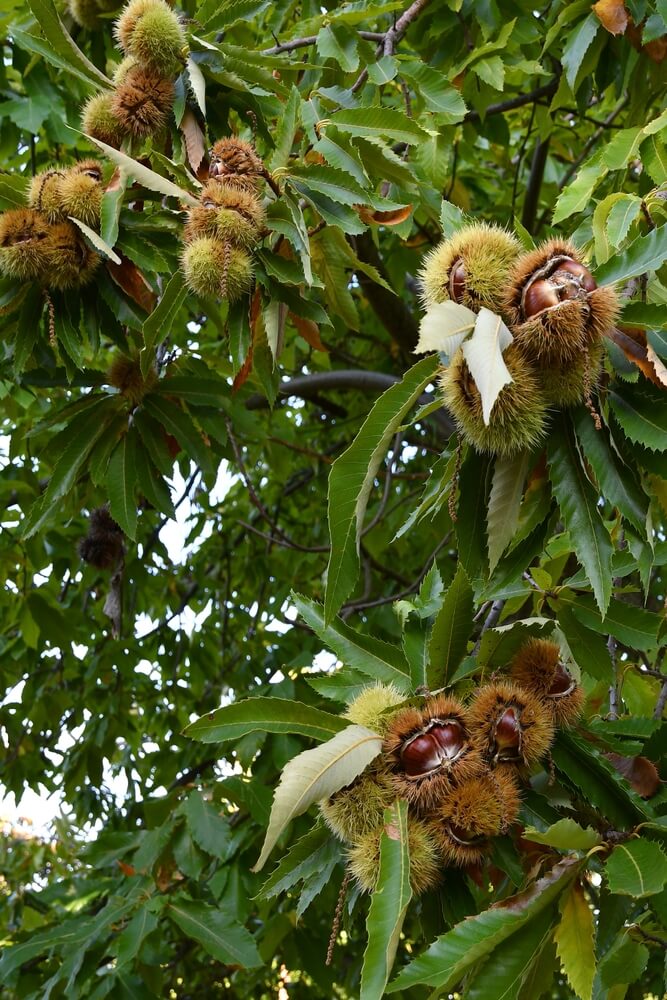
Chestnuts represent one of the most valuable long-term investments in a food forest. These epic trees produce starchy nuts that can genuinely supplement grain consumption. Modern blight-resistant varieties have made chestnuts viable again in North America, offering a perennial carbohydrate source that stores well and provides exceptional nutrition. These trees take time to reach full production. But they eventually become genuine food security assets.
- USDA Growth Zones: 4 through 8.
- What It Produces: Starchy nuts that can replace grains in cooking.
- Personality: The Staple Crop. A food forest cornerstone.
- Best Use: Long-term carbohydrate-producing canopy tree.
Chestnuts were once referred to as “the bread tree” in parts of Europe, where they provided essential calories for mountain communities before the potato arrived from the Americas.
8. Fall-Bearing Red Raspberry
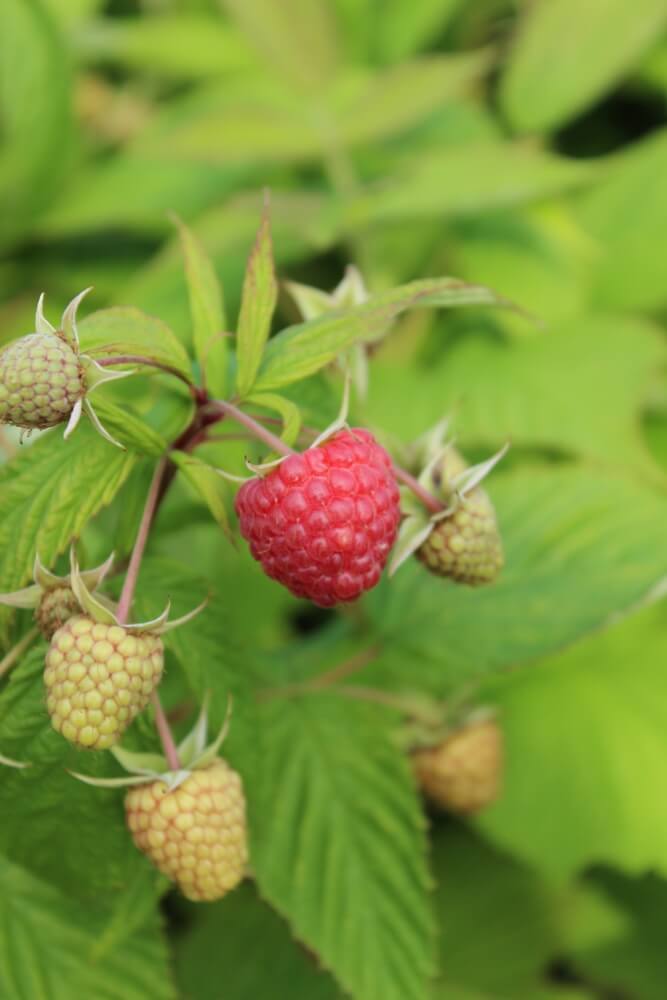
Fall-bearing raspberries give you two harvests from a single planting. They produce on both first-year and second-year canes. This extended harvest window makes them invaluable for homesteaders wanting consistent berry production throughout the season. They’re more manageable than their spreading cousins and work beautifully in defined rows or borders.
- USDA Growth Zones: 4 through 8.
- What It Produces: Two harvests per year of bright, sweet berries.
- Personality: The Overdeliverer. Small footprint, significant return.
- Best Use: Fruit-heavy edges or rows.
Pick them warm from the sun on a late summer afternoon and eat them immediately. The flavor is incomparably better than refrigerated berries.
9. Goji Berry
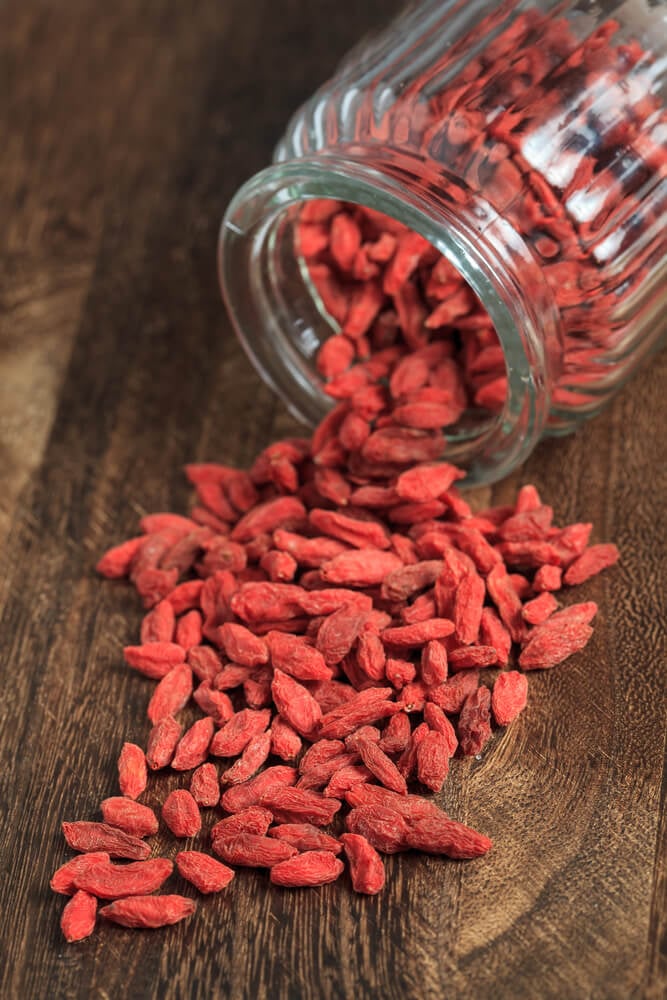
Goji berries bring both nutrition and novelty to the food forest. These legendary crops produce antioxidant-rich fruits that have been valued in traditional medicine for centuries. These hardy shrubs tolerate poor soil and drought once established, making them excellent for challenging sites. The berries dry beautifully for long-term storage and add nutritional punch to smoothies, teas, and trail mixes.
- USDA Growth Zones: 5 through 9.
- What It Produces: Nutrient-dense, antioxidant-rich red berries.
- Personality: The Herbalist. Nutritious and slightly eccentric.
- Best Use: Casual hedge or sunny shrub layer.
Goji berries ideally occupy the shrub layer. They grow roughly 4 to 6 feet tall and create a mid-level structure between ground covers and small trees.
Read More – The Ultimate Guide To Growing Epic Peppers From Seed To Delicious Harvest!
10. Elderberry
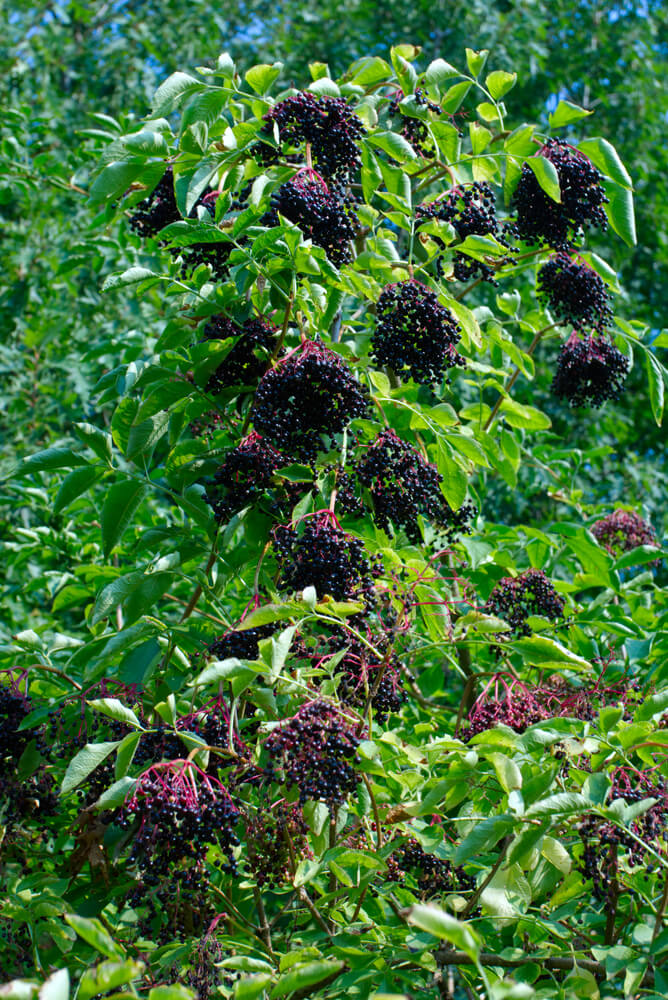
Elderberry serves multiple roles in the food forest. They offer both edible flowers and medicinally valuable berries, while also serving as an effective windbreak or hedge. The flowers make delicious cordial or fritters. And the berries create immune-supporting syrups prized during the cold season. These fast-growing shrubs establish quickly and thrive in a wide range of soil conditions.
- USDA Growth Zones: 3 through 9.
- What It Produces: Flowers for tea and fritters. Berries for syrup and wine.
- Personality: The Herbal Guardian. Generous and medicinal.
- Best Use: A hedge or windbreak that also serves as a food source for wildlife.
European folklore claimed that burning elderwood would bring the devil to your door. But harvesting its flowers and berries would bring health and protection to your home.
11. Serviceberry / Juneberry
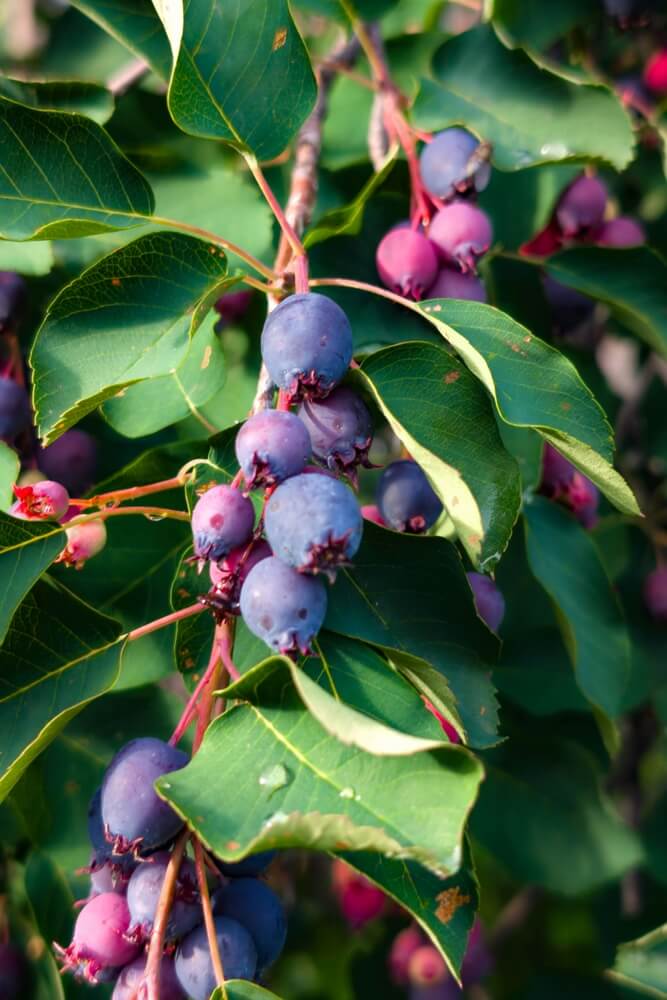
Serviceberry combines exceptional ornamental value with reliable fruit production. They also offer gorgeous spring blossoms, summer berries, and brilliant fall color. The berries have a unique flavor reminiscent of blueberries with almond undertones. Both humans and wildlife appreciate them. As a native plant across much of North America, serviceberries integrate seamlessly into natural landscapes.
- USDA Growth Zones: 3 through 9.
- What It Produces: Blueberry-like berries with a subtle almond note.
- Personality: The Native Gentleman. Low drama, high reliability.
- Best Use: Multi-season interest tree for midstory fruit.
Serviceberry blooms signal the actual arrival of spring with clouds of delicate white flowers that seem to embody hope made visible.
12. Hazelnut / Filbert
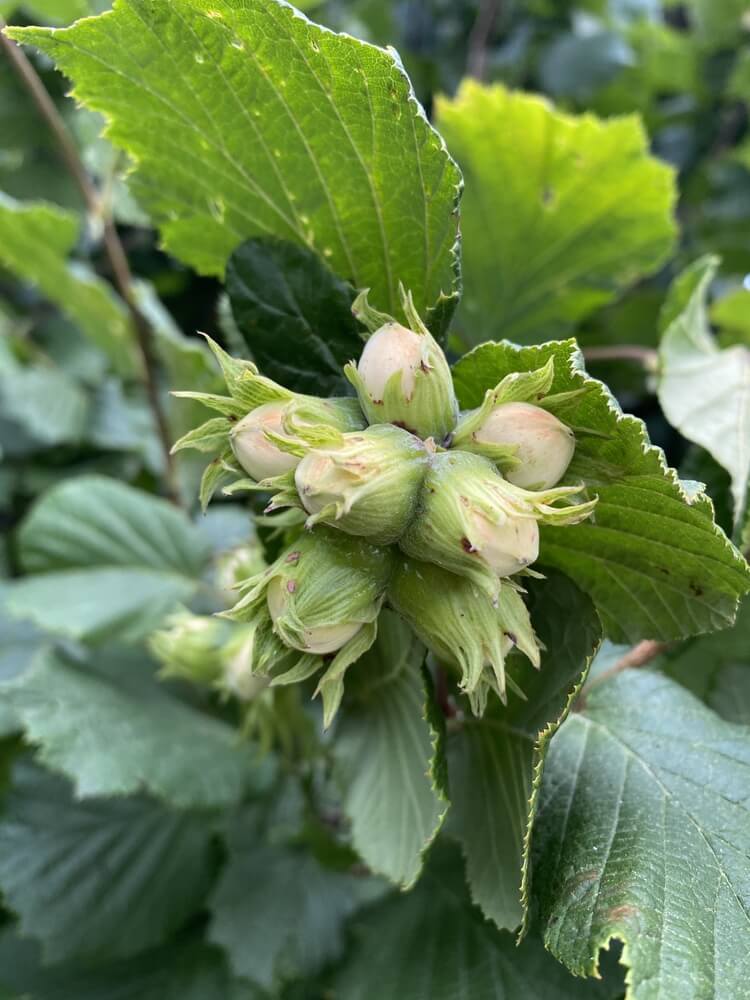
Hazelnuts fill the crucial mid-story layer. They produce rich, versatile nuts packed with healthy fats and protein. These multi-stemmed shrubs can be maintained at manageable heights through coppicing. Many modern varieties produce heavily, even in smaller gardens. The nuts store exceptionally well and can be used fresh, roasted, or pressed for homemade oil.
- USDA Growth Zones: 4 through 8.
- What It Produces: Rich edible nuts and homegrown plant-based oils.
- Personality: The Provider. Compact and productive.
- Best Use: Midstory nut production and wildlife value.
Plant at least two different varieties for cross-pollination, and you’ll see dramatically better nut production than from a single shrub.
Read More – The Ultimate Guide To Growing Apple Trees In Your Backyard (From Seed Or Sapling!)
13. Jostaberry
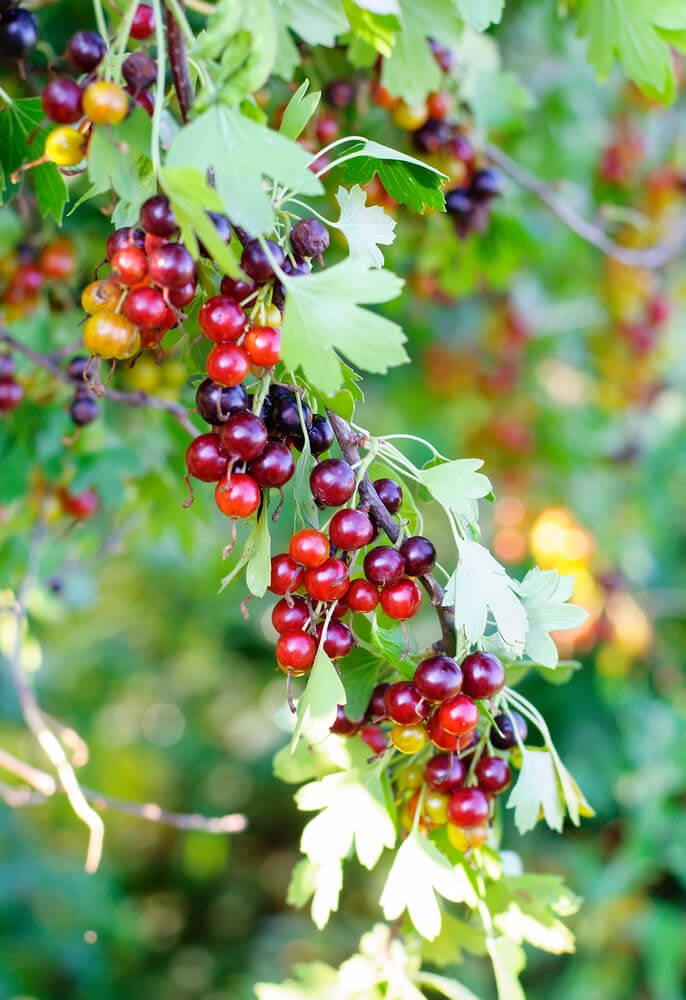
Jostaberries combine the best traits of blackcurrants and gooseberries while eliminating the thorns that make gooseberries challenging to harvest. These productive shrubs produce flavorful berries. The berries are perfect for jams, jellies, and cordials, without requiring the intensive pest management that currants sometimes require. They’re particularly valuable in food forests where ease of harvest is a priority.
- USDA Growth Zones: 4 through 8.
- What It Produces: Blackcurrant-gooseberry hybrid berries.
- Personality: The Hybrid Hero. Flavorful and thornless.
- Best Use: Shrub layer for jam and cordial production.
You can make a richly flavored cordial by simmering the berries with sugar and water. Then mix it with sparkling water for a deliciously fresh homemade soda.
14. Asian Pear
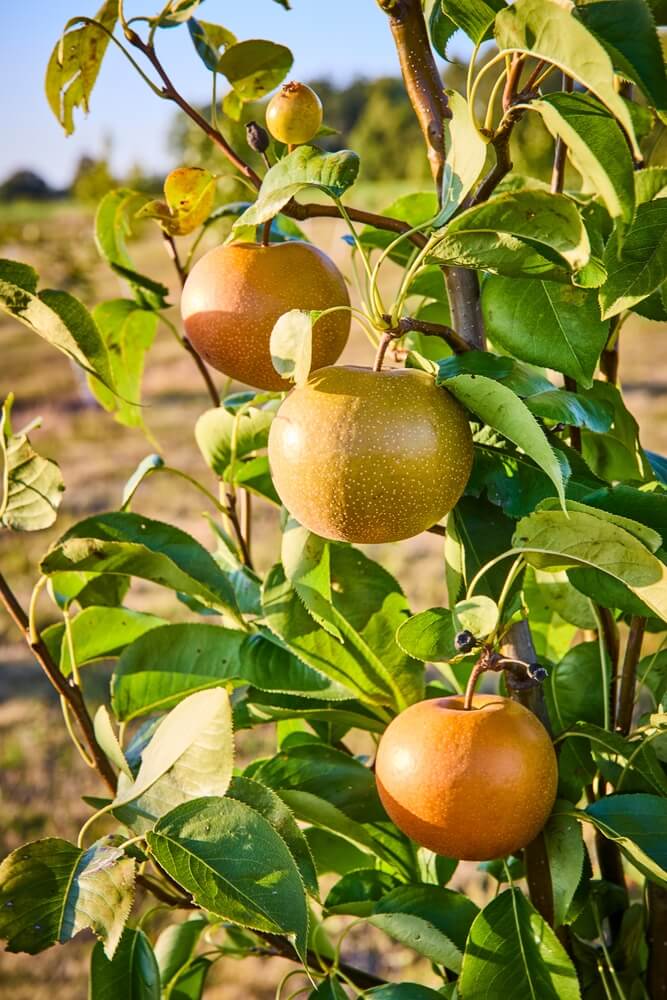
Asian pears offer crisp, juicy fruit with an almost sparkling texture that appeals to nearly everyone. They’re an excellent choice for families. These yummy fruit trees produce reliably once established and require less intensive pruning than European pears. The fruit stores remarkably well in cold storage, extending your harvest season well into winter.
- USDA Growth Zones: 5 through 9.
- What It Produces: Crisp, juicy, almost sparkling-textured fruit.
- Personality: The Crowd Pleaser. Loved by everyone.
- Best Use: Small fruit tree with reliable annual yield.
Asian pears thrive well in the understory layer, typically growing to under 15 feet tall and casting dappled rather than dense shade.
15. Walking Onion
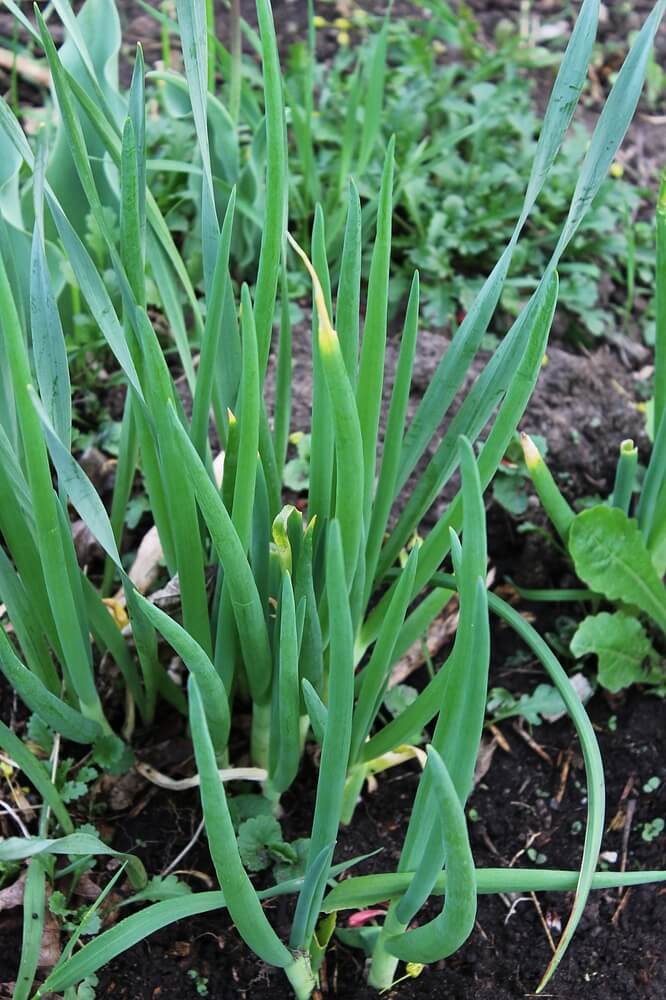
Walking onions represent the ultimate set-it-and-forget-it perennial vegetable. It produces both green tops and aerial bulbils that literally plant themselves. These quirky alliums spread naturally across garden beds, providing a constant supply of onion flavor without any replanting. They’re exceptionally cold-hardy and nearly indestructible once established.
- USDA Growth Zones: 3 through 9.
- What It Produces: Endless supply of green onions and bulbils.
- Personality: The Self-Sufficient Nomad. Plants itself. Never stops.
- Best Use: Perennial kitchen-garden onion patch.
Watching walking onions topple over and plant themselves is oddly delightful. It’s like having a garden that tends itself while you watch.
Read More – Growing Zucchini From Seed To Harvest – The Ultimate Zucchini Garden Guide!
16. Nanking Cherry
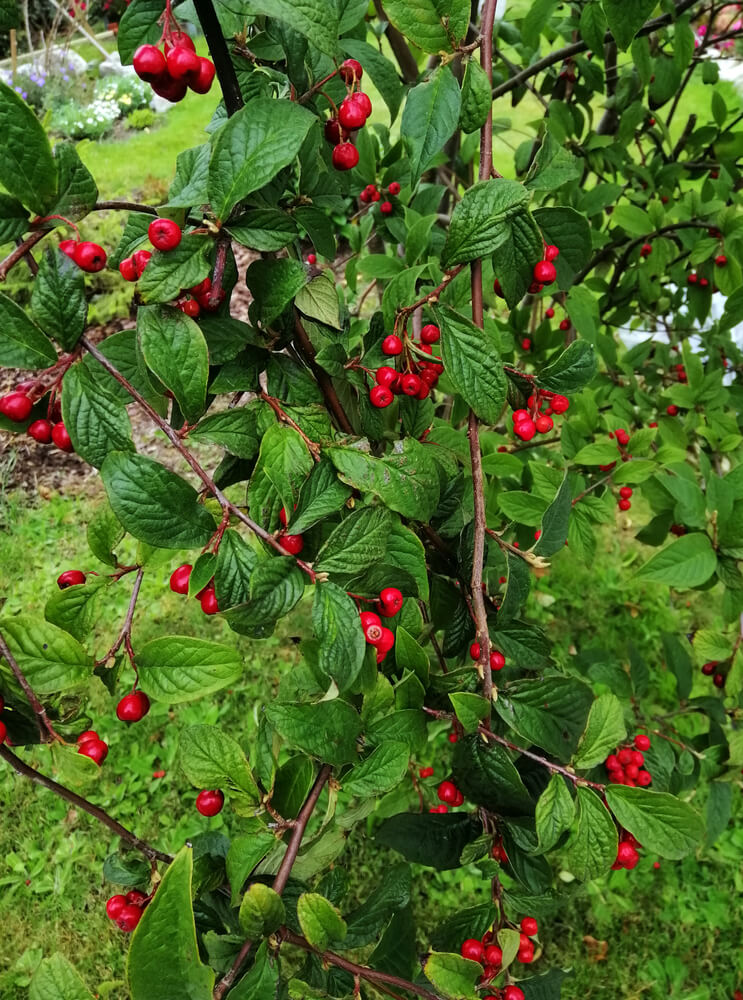
Nanking cherries fruit earlier in the season than most fruit crops. They help fill the gap between spring and the main summer harvest. These compact, cold-hardy shrubs produce heavily even in challenging climates and work beautifully as edible hedges or windbreaks. Tart cherries make excellent preserves and pies, although they’re pleasant fresh if you enjoy bright, acidic fruit.
- USDA Growth Zones: 3 through 7.
- What It Produces: Tart cherry-like fruit in early summer.
- Personality: The Early Riser. Quick to fruit and early to harvest.
- Best Use: Edible hedge or boundary row.
These shrubs are incredibly drought-tolerant once established, making them perfect for drier microclimates in your food forest where other fruits might struggle.
17. Pawpaw
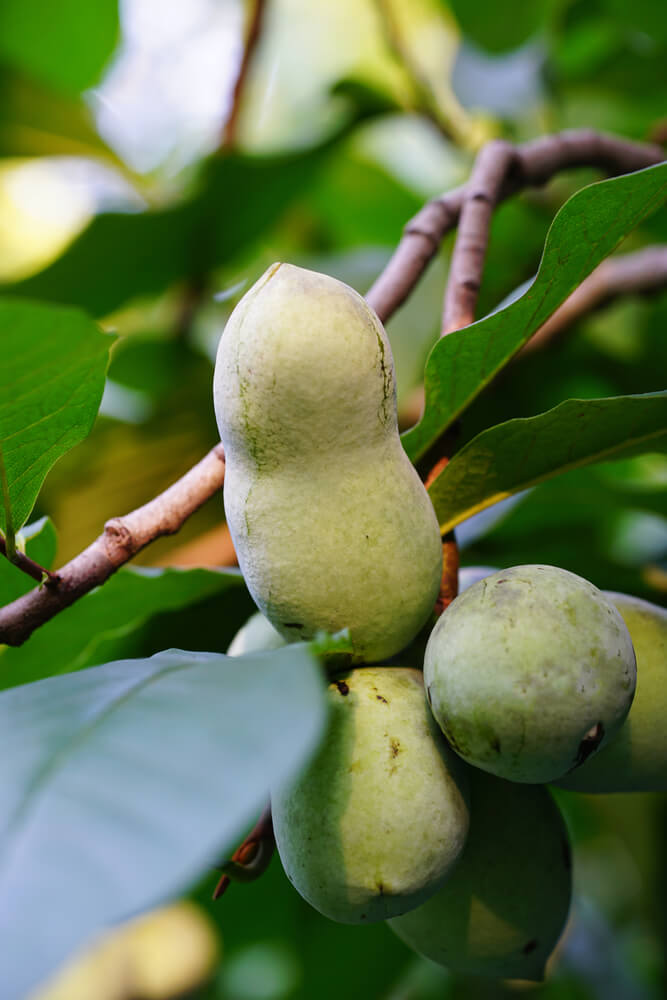
Pawpaws bring a truly exotic flavor to temperate food forests. The fruits themselves have a custardy flavor reminiscent of mango and banana, despite being entirely cold-hardy. These understory trees thrive in the dappled shade beneath larger canopy trees, making them perfect for filling the midstory layer. The fruit is highly perishable, making pawpaws a genuine homestead specialty you can’t buy at any store.
- USDA Growth Zones: 5 through 8.
- What It Produces: Custardy, tropical-flavored fruit native to the U.S.
- Personality: The Mythical One. Feels exotic, grows in the woods.
- Best Use: Midstory shade-loving fruit tree.
Pawpaws sustained Lewis and Clark’s expedition through lean times. Indigenous peoples cultivated them for centuries before European contact, spreading them far beyond their natural range.
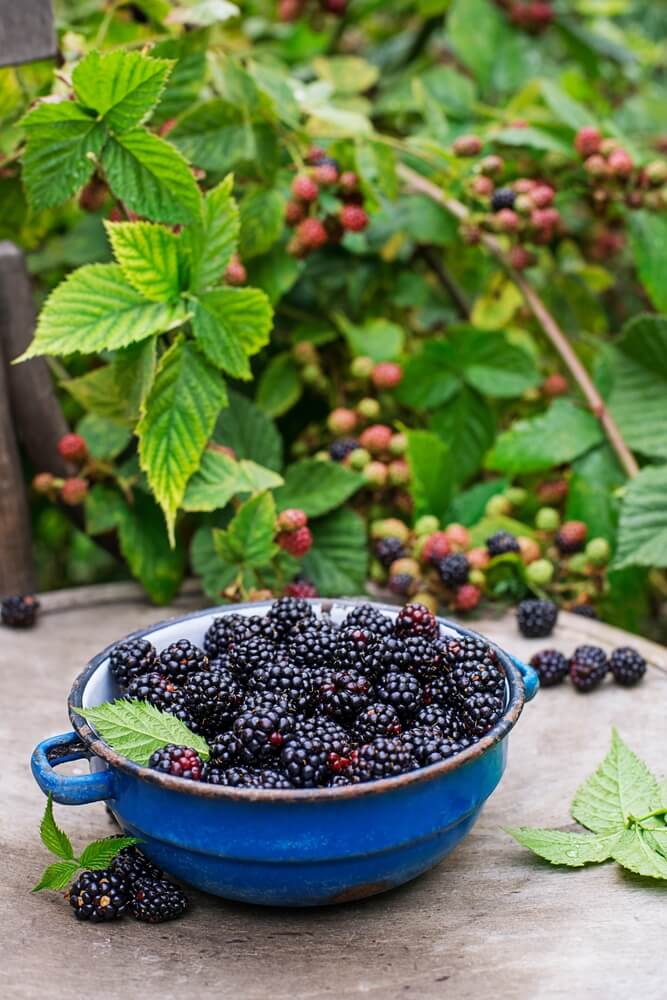
18. Thornless Blackberry
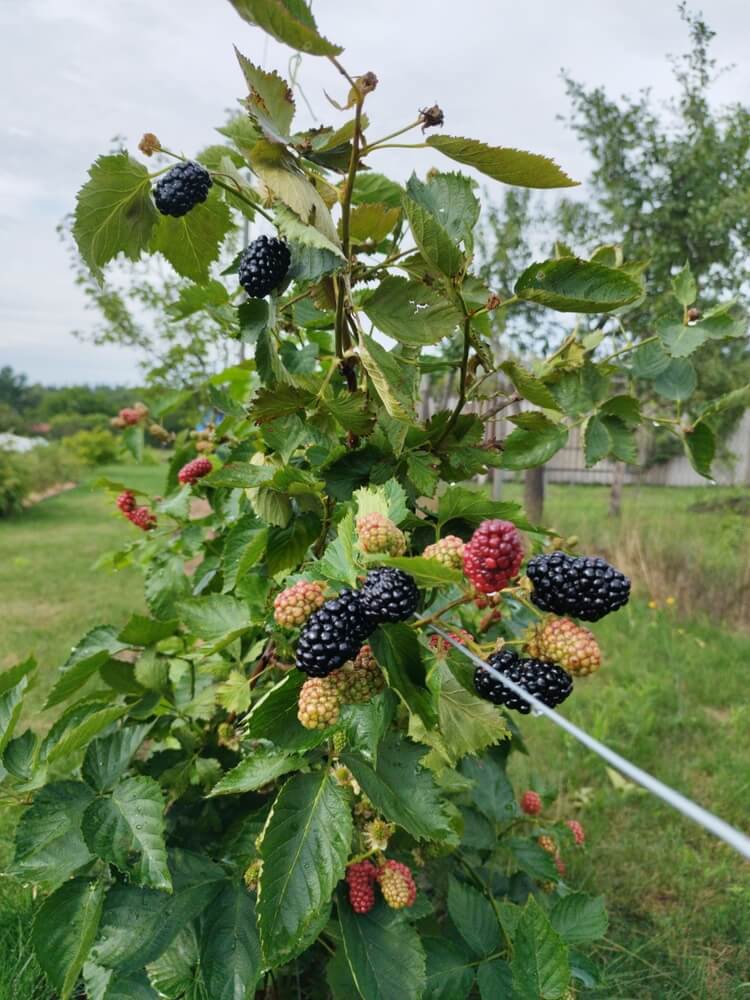
Modern thornless blackberry varieties offer all the productivity of wild blackberries without the scratches! These vigorous canes produce abundant sweet fruit when trained on simple trellises or fences. And the lack of thorns makes harvest a pleasure rather than a battle. They’re way easier to manage than their thorned ancestors while maintaining excellent flavor.
- USDA Growth Zones: 5 through 9.
- What It Produces: Abundant sweet berries with no blood sacrifice required.
- Personality: The Tamed Bramble. Generous and easy.
- Best Use: Trellised berry row or fence companion.
Freeze your blackberries on a baking sheet. Then blend frozen berries with a splash of cream and honey for instant, intensely flavored ice cream.
Read More – Growing Celery In Containers – The Ultimate Celery Garden Guide!
19. Aronia / Chokeberry
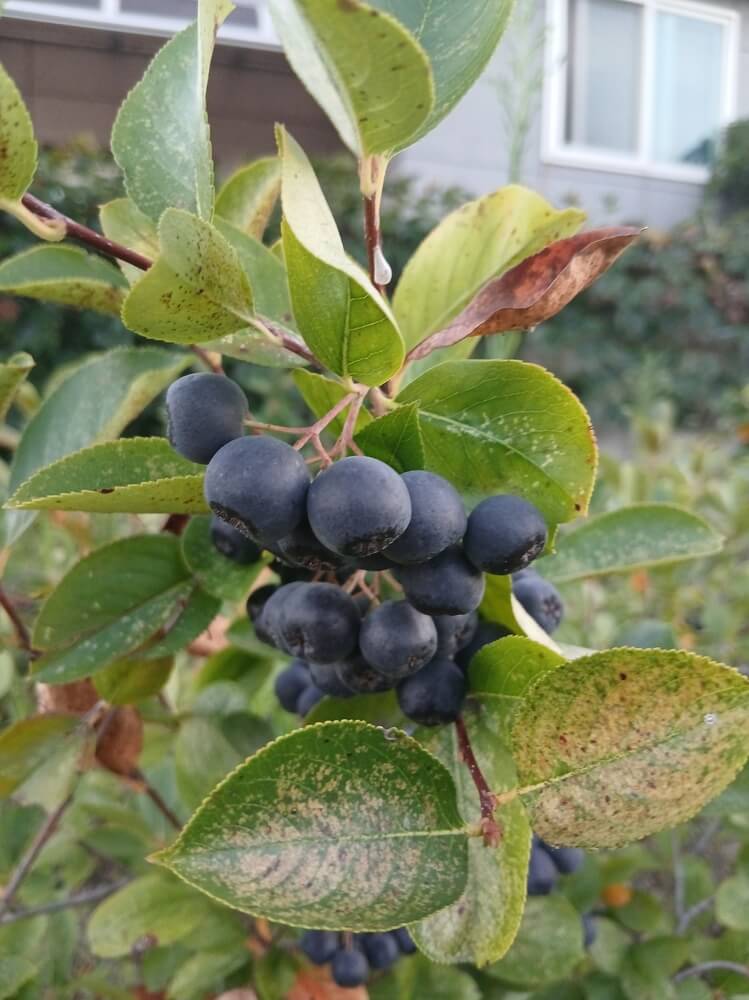
Aronia berries might be too astringent for fresh eating. However, they shine when processed into syrups, wines, and fermented tonics, which are valued for their exceptional antioxidant content. These yummy shrubs tolerate poor soil, wet conditions, and neglect while producing heavily and displaying brilliant fall color. They’re perfect for the hands-off corners of your food forest that still need to be productive.
- USDA Growth Zones: 3 through 8.
- What It Produces: Astringent berries with high antioxidant value.
- Personality: The Apothecary. Best used for syrups and fermented tonics.
- Best Use: Low-maintenance edible hedge.
Aronia has a quiet resilience that’s almost stoic. These yummy fruit crops thrive where pampered plants fail. And, it asks for nothing in return while giving generously.
20. Asparagus
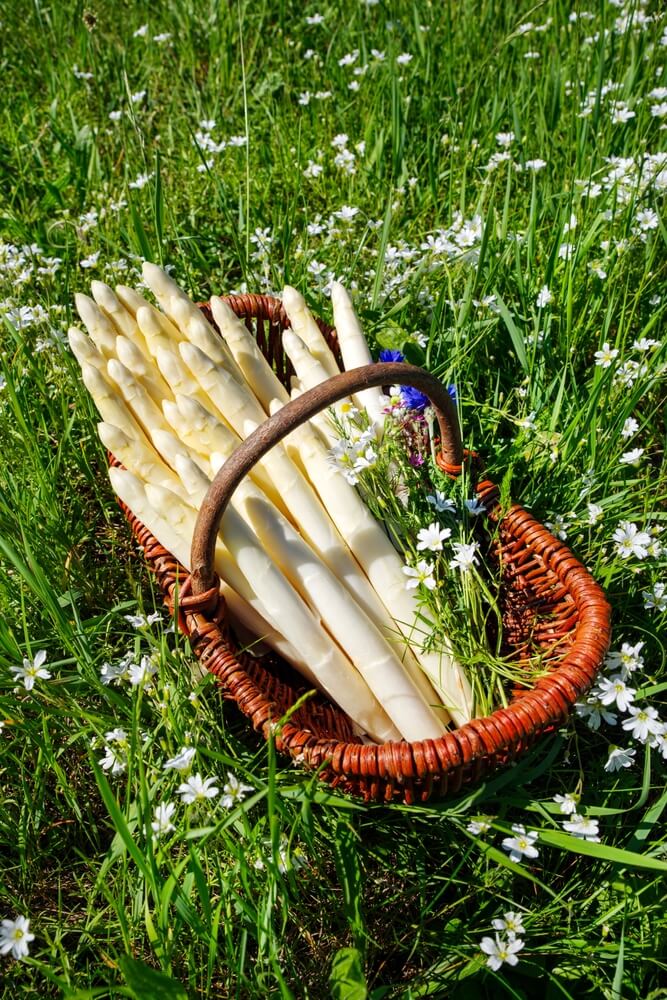
Asparagus represents the quintessential perennial vegetable investment. They require patience in the establishment phase, but produce abundantly for twenty years or more once mature. The tender spring shoots are among the most anticipated harvests of the season, and a well-established asparagus bed becomes a genuine asset to any homestead. Give these plants rich, well-draining soil, then step back and let them do their work.
- USDA Growth Zones: 3 through 8.
- What It Produces: Tender spring shoots for decades once established.
- Personality: The Perennial Payoff. Slow start, then unstoppable.
- Best Use: Long-term perennial vegetable bed anchor.
Resist the urge to harvest during the first two years. Letting the ferns grow tall and feed the crowns creates a dramatically more productive bed for decades to come.
21. Perpetual Spinach
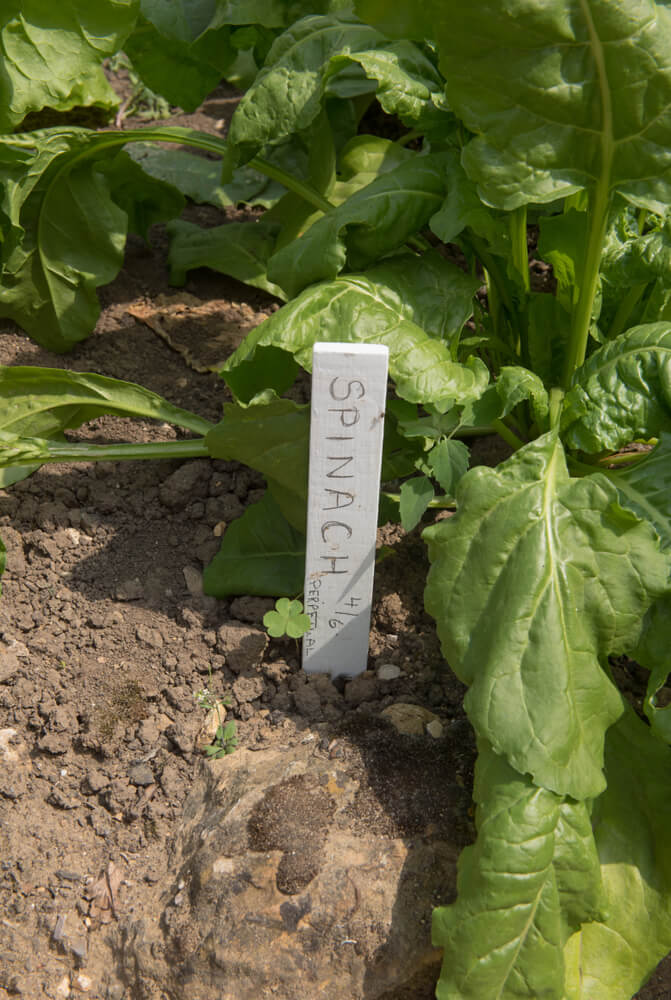
Perpetual spinach provides nearly year-round leafy greens in mild climates. It self-seeds readily and fills gaps in the herbaceous layer without becoming invasive. In warmer regions, Egyptian spinach serves a similar role, with better heat tolerance.
- USDA Growth Zones: 6 through 9 (annual but self-renewing in mild climates).
- What It Produces: Nearly year-round leafy greens.
- Personality: The Consistent Green. Always there when you need it.
- Best Use: Reliable nutrient-dense ground-layer crop.
Perpetual spinach is arguably one of the least appreciated ground cover crops. It also helps provide living mulch for taller plants.
Read More – How To Grow Epic Fig Trees From Seeds Or Cuttings – The Ultimate Guide!
Conclusion
These 21 delicious permaculture crops represent time-tested choices that deliver reliable harvests with minimal maintenance once established. Start with a few that suit your climate and growing conditions, then expand gradually as you learn what thrives in your specific microclimate.
What about you?
- Will you start a backyard food forest this year?
- Will you try growing any of these epic food forest crops?
- Which edible perennials or fruit trees will you try first?
Thanks for reading.
Have a great day!