21 Seeds To Start Indoors In February For An Epic Spring Garden!
Welcome! This article contains affiliate links, meaning I get a commission if you decide to make a purchase through my links, at no extra cost to you.
This winter has been fierce… Hasn’t it? All that cold, gray weather makes the promise of a spring garden feel even more far off and distant. Well, there’s one way to resist the dreariest days of winter. February is your chance to fight back against the frigid weather by getting seeds started indoors. While snow might still be falling outside, you can nurture tomatoes, flowers, and herbs under grow lights. Let’s turn that cabin fever into garden productivity.
Sound good?
Then, let’s plant some indoor seeds!
21 Seeds to Start Indoors in February
Deciding when to germinate your indoor seeds is the trickiest part. The best thing is to determine your USDA Growing Zone’s last frost date. Then, use the data below to calculate your ideal planting schedule. Some cultivars also vary slightly, so always double-check the ideal start date for whatever you’re growing. Good luck! And happy growing.
(By the way, if you have any questions, feel free to leave a message here or on our Substack.)
1. Lavender
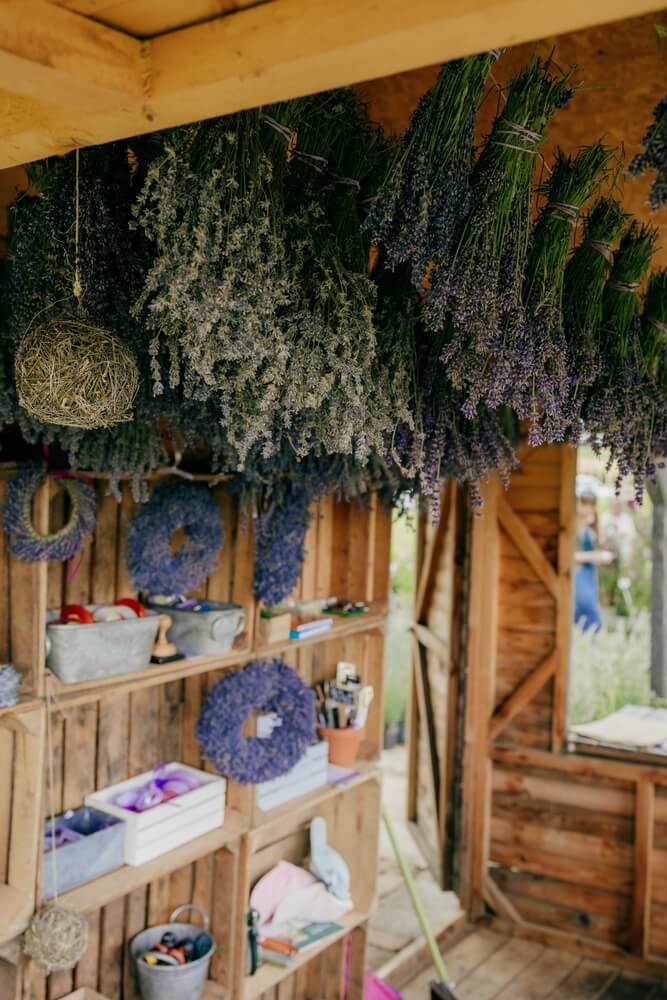
February is the perfect time to start lavender seeds if you want those gorgeous purple blooms by summer. This Mediterranean herb needs a long lead time to develop strong roots before heading outdoors. Starting indoors in Feb gives you control over moisture and temperature, which lavender seedlings absolutely love.
- USDA Grow Zones: 5 through 9.
- Start Indoors: 10 to 12 weeks before the last frost.
- Hardy Cultivars: “Munstead” (Zone 5 hardy, compact), “Hidcote” (deep purple, Zone 5 hardy), “Phenomenal” (extremely hardy and humidity tolerant).
Once these babies establish, you’ll have fresh lavender for sachets, cooking, and cutting for years to come.
2. Celery
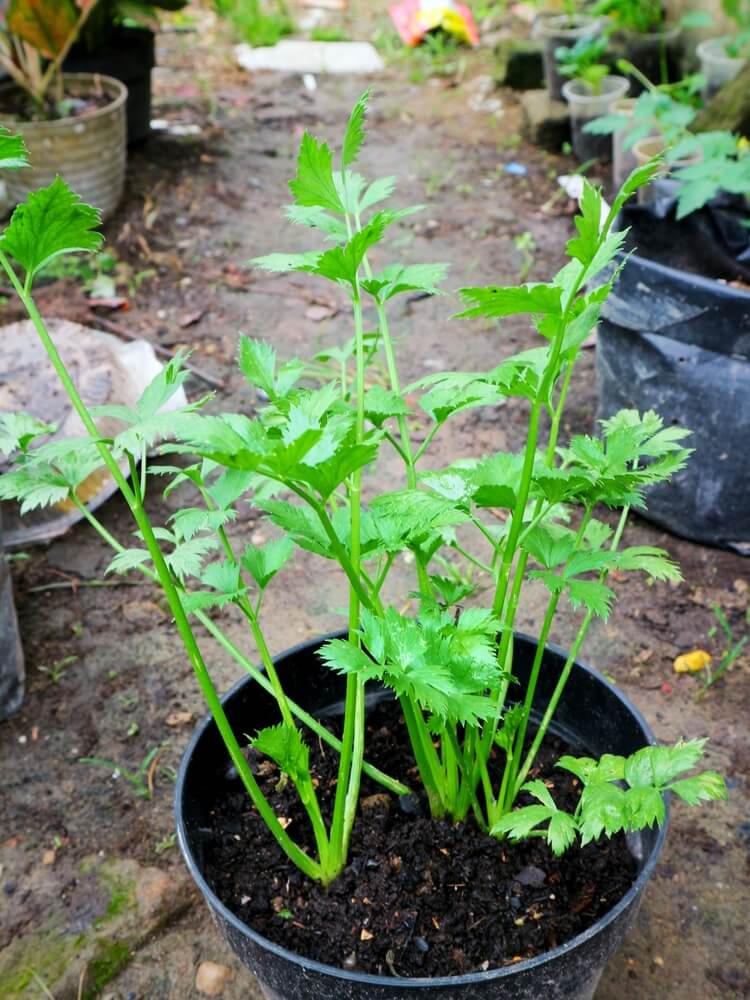
Growing celery from seed is one of those garden challenges that feels incredibly rewarding when you nail it. It’s a slow grower that demands an early start. making February ideal in many growing zones. Indoor starting protects those tiny seeds from temperature swings that can kill your baby celery seedlings before they get a chance to develop.
- USDA Grow Zones: 5 through 10.
- Start Indoors: 10 to 12 weeks before the last frost.
- Hardy Cultivars: “Tall Utah” (standard, reliable), “Tango” (more forgiving of temperature fluctuations).
Celery is one of those oddball garden plants that few of my friends grow. I’m unsure why. It’s surprisingly fresh and delicious when grown at home.
3. Foxglove
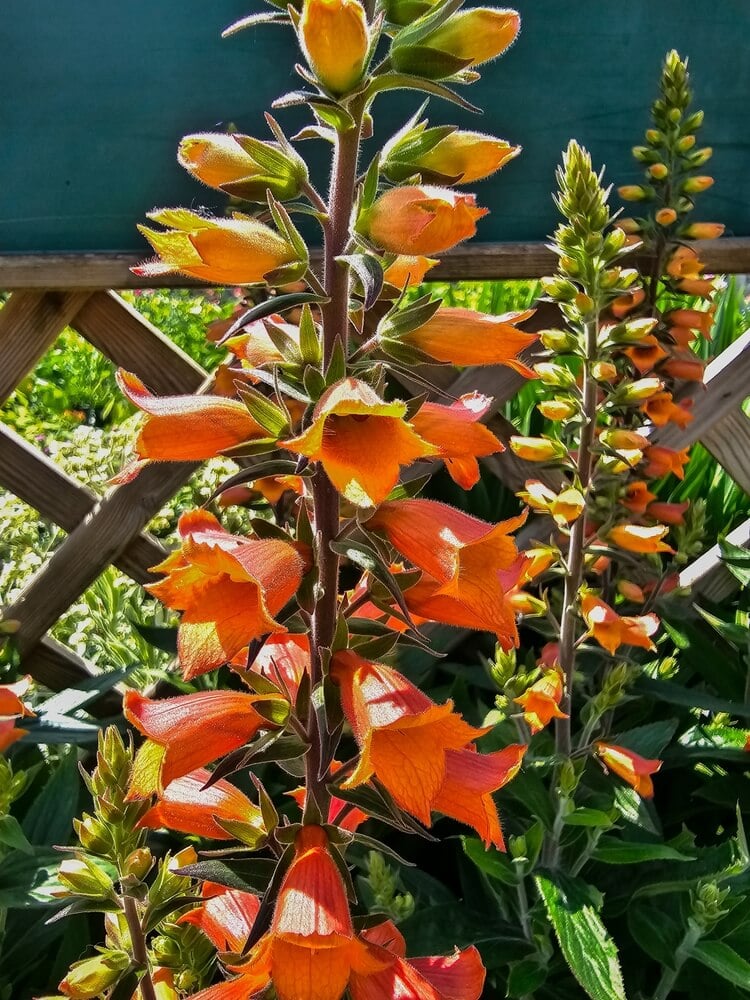
Foxglove brings that cottage garden magic with towering spikes of tubular flowers that hummingbirds go absolutely wild for. Starting these bountiful seeds indoors in February helps you get first-year blooms from certain varieties instead of waiting through a whole biennial cycle. These plants look delicate, true. But they’re surprisingly tough once established. Indoor germination gives you better control and higher success rates with these woodland beauties.
- USDA Grow Zones: 4 through 9.
- Start Indoors: 10 to 12 weeks before last frost (for first-year blooms from “Foxy” types).
- Hardy Cultivars: “Dalmatian” (often blooms first year), “Excelsior” (classic tall biennial).
Just remember that all parts of foxglove are toxic! So plant them away from curious kids and pets.
Read More – Don’t Stop Composting Over Winter! Use These 7 Easy Methods For Cold Weather Instead.
4. Luffa Gourds
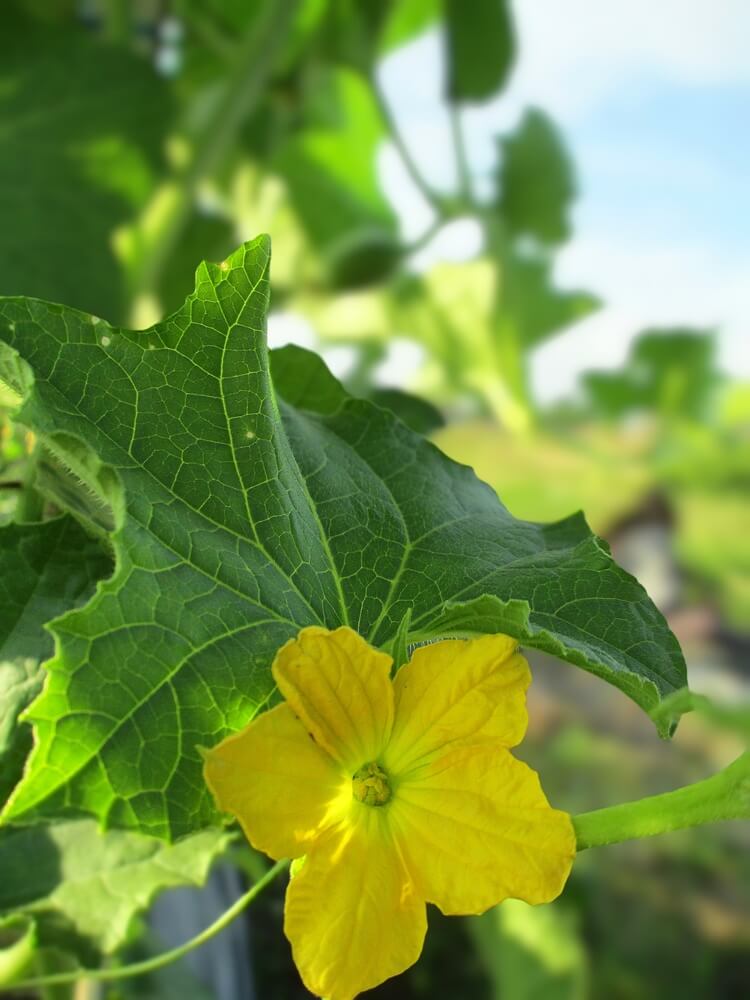
Yes, you can grow your own shower sponges! And it’s way cooler than it sounds. Luffa gourds need a seriously long growing season. Starting in February is essential in most climates. Starting indoors gives them the head start they desperately need to mature before frost returns. It’s worth the effort. These vigorous vines will take over your garden in the best way possible.
- USDA Grow Zones: Annual in 5-9.
- Start Indoors: 6 to 8 weeks before last frost (Needs 150+ days to mature).
- Hardy Cultivars: No specific “hardy” cultivars, really. Only Luffa aegyptiaca (smooth) or Luffa acutangula (ridged).
By fall, you’ll harvest natural sponges that make fantastic gifts and feel amazing on your skin.
5. Onions (from seed)
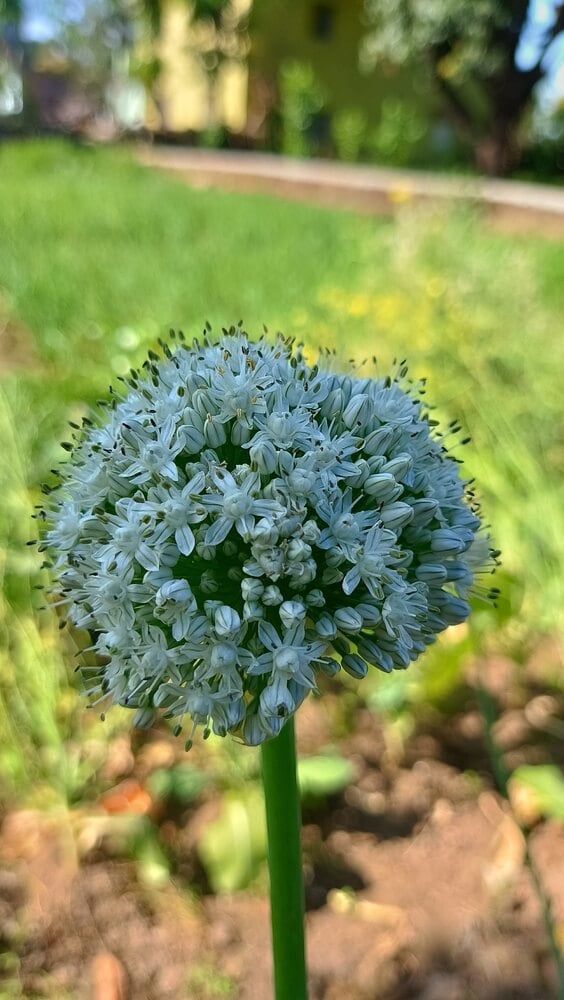
Starting onions from seed instead of “sets” opens up a whole world of varieties you’ll never find at the grocery store. February is prime time because onions need that long, slow growth period to develop nice, big bulbs. Indoor starting means you can choose sweet onions, storage onions, or specialty reds based on what you actually want to eat. The seedlings are surprisingly hardy and transplant like champions.
- USDA Grow Zones: 3 through 9 (Day-length specific).
- Start Indoors: 10 to 12 weeks before the last frost.
- Hardy Cultivars: “Walla Walla Sweet” (Zone 6 hardy, long-day), “Patterson” (excellent storage), “Red Zeppelin” (long storage red).
You’ll have fresh onions from spring through winter if you choose the right mix of varieties.
6. Petunias
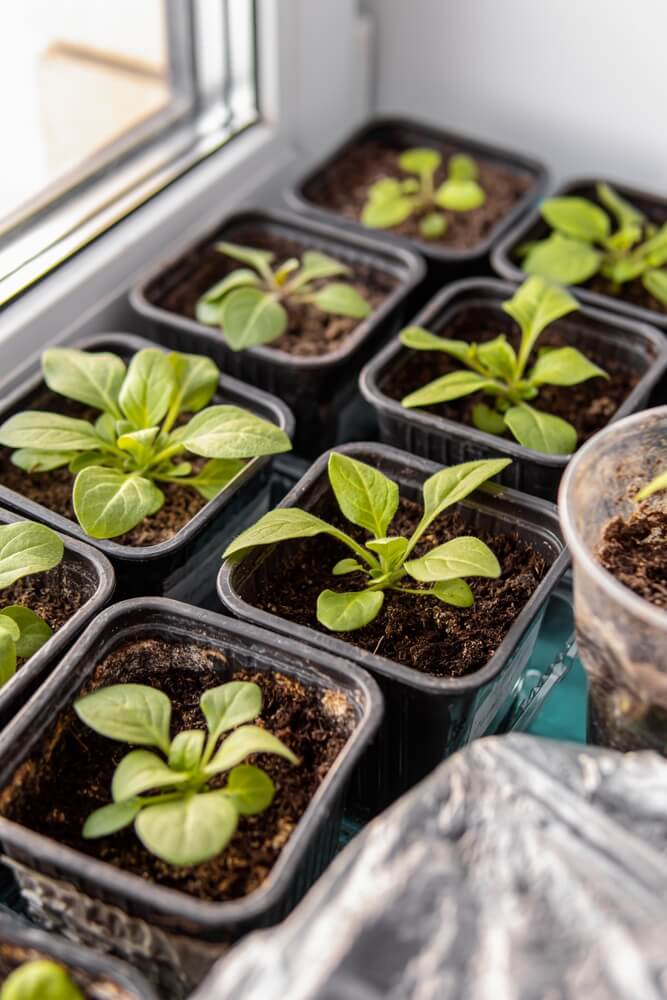
Want a beautiful garden this year? Petunias are summer color workhorses! And starting them from seed saves you serious money at the garden center. These annuals need a long runway to develop into those full, flowering plants everyone loves. February sowing means massive blooms by Memorial Day weekend. Indoor starting also protects those microscopic seeds from getting washed away or eaten by birds.
- USDA Grow Zones: Annual in 3-8.
- Start Indoors: 10 to 12 weeks before the last frost.
- Hardy Cultivars: “Wave Series” (vigorous spreading), “Daddy Series” (veined flowers).
Plant them in hanging baskets, containers, or garden beds. They’ll bloom their hearts out until hard frost.
Read More – Stop Buying Plant Seedlings – Master Indoor Seed Starting In 8 Simple Steps!
7. Artichokes
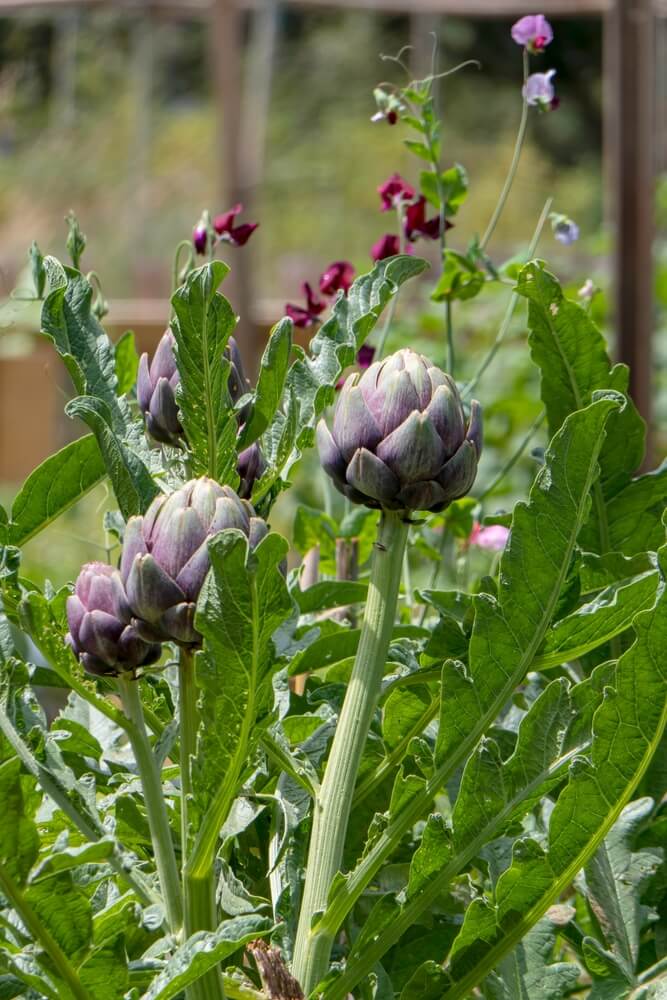
Growing artichokes from seed is definitely an advanced move. But February is when you need to make it happen. These architectural plants need time to develop. Plus a cold treatment to trigger flowering in their first year. Starting indoors lets you control that process and gives you a huge head start. These plants are tough to grow, yes. But few garden treasures beat the taste of a homegrown artichoke fresh from your own backyard.
- USDA Grow Zones: 6 through 9 (Zone 5 with heavy protection or as an annual).
- Start Indoors: 8 to 12 weeks before last frost (Requires vernalization/cold treatment).
- Hardy Cultivars: “Imperial Star” (bred for annual production in cold zones), “Colorado Star” (early maturing).
Even if you don’t get huge harvests the first year, these plants are stunning enough to earn their spot in any backyard food forest.
8. Thyme
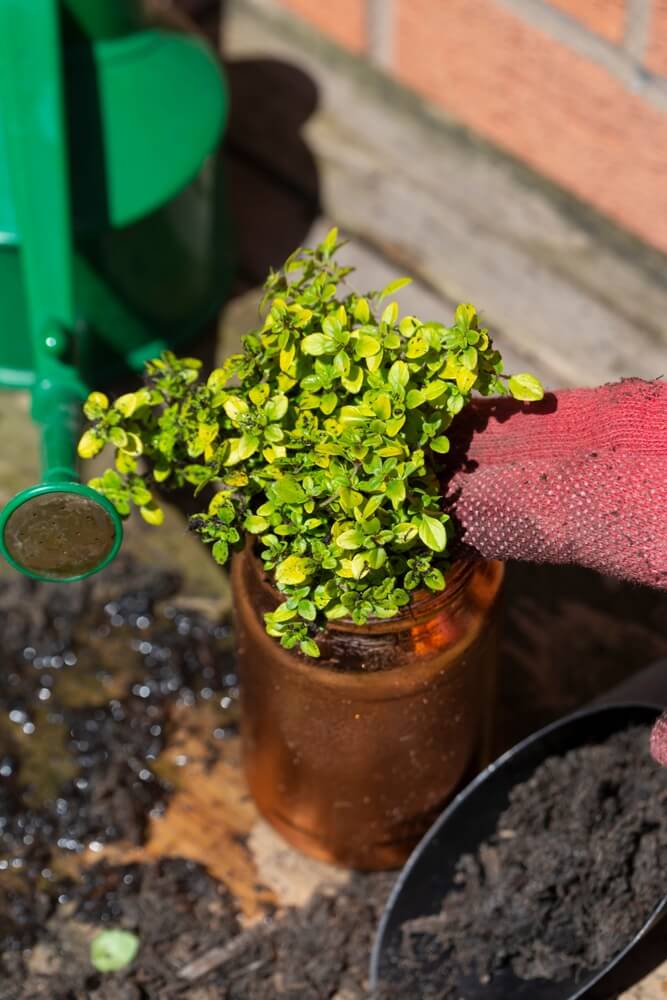
Thyme from seed is a patience game. But February gives you plenty of time before the outdoor planting season. This Mediterranean herb grows slowly at first but becomes an absolute rock star in the garden once established. Starting indoors means you can nurture those tiny seedlings without losing them to weather or pests. I also add that fresh thyme beats dried every single time for cooking!
- USDA Grow Zones: 4 through 9.
- Start Indoors: 8 to 10 weeks before the last frost.
- Hardy Cultivars: “English Thyme” (Thymus vulgaris – hardy to Zone 4), “Creeping Thyme” (hardy groundcover).
Plant thyme once. Then, you’ll have fresh thyme for years, whether you’re roasting chicken or making herb butter.
9. Hot Peppers (Habanero/Chinense types)
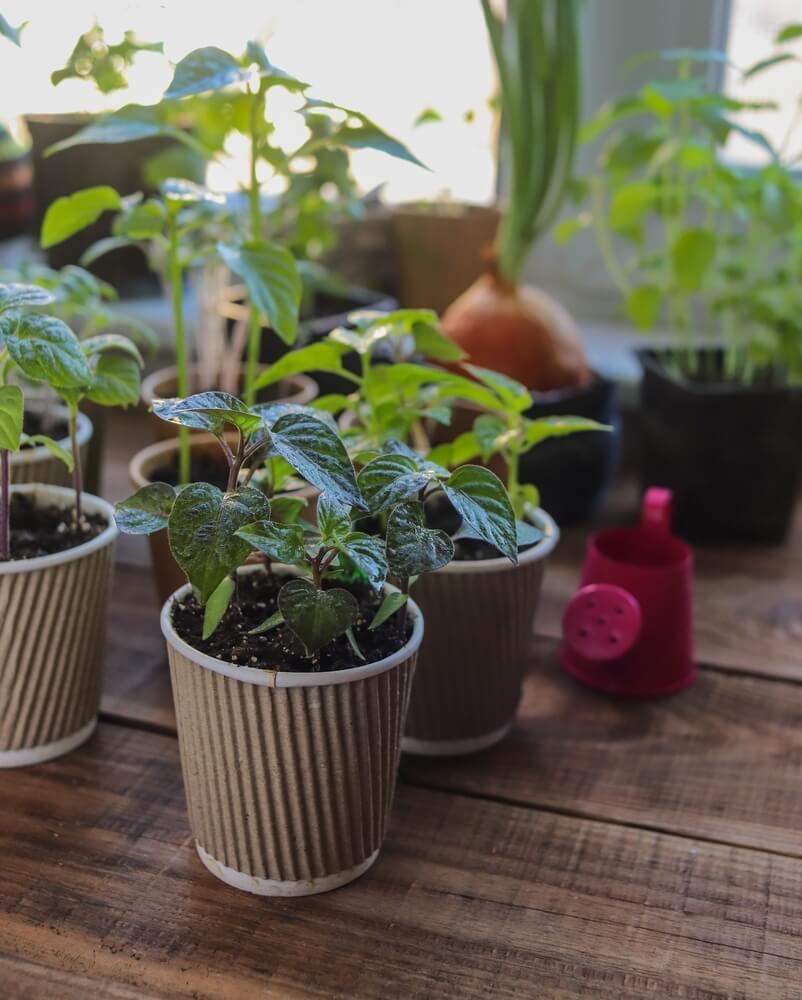
Superhot peppers need an extra-long growing season to develop their signature heat and fruit production. Starting habaneros and ghost peppers in February is basically mandatory unless you live in the deep south. These plants are notoriously slow to germinate and grow… So indoor heat and light are game changers. The payoff is fresh hot sauce and dried peppers that’ll last you all year.
- USDA Grow Zones: Annual in 3-8.
- Start Indoors: 8 to 10 weeks before the last frost.
- Hardy Cultivars: “Habanero” (needs long season), “Ghost Pepper” (extremely slow growing).
Just one plant can produce hundreds of peppers if you give it the time it needs to mature properly.
Read More – 14 Best Winter Berry Shrubs For Gardeners And Homesteaders!
10. Geraniums (Pelargonium)
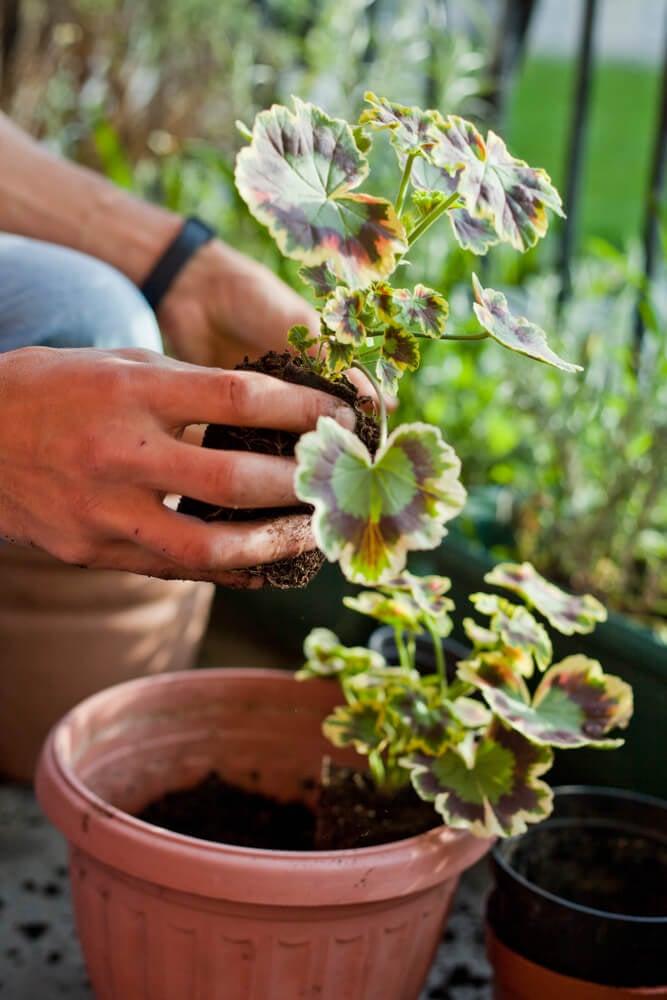
Growing geraniums from seed takes forever, which is exactly why starting in February makes sense. These classic porch and container plants bloom like crazy once they hit their stride. Starting from seed costs pennies compared to buying those gorgeous plants at the nursery. You get the same beautiful performance with way more color options to choose from.
- USDA Grow Zones: Annual in 3-8 (Perennial 9+).
- Start Indoors: 10 to 12 weeks before the last frost.
- Hardy Cultivars: (Note: Pelargonium are not hardy. True Hardy Geraniums like “Biokovo” are Zone 5 perennials usually sold as roots/plants, not seed).
These plants look fancy. But they’re actually pretty forgiving once they get going in containers or beds.
11. Leeks
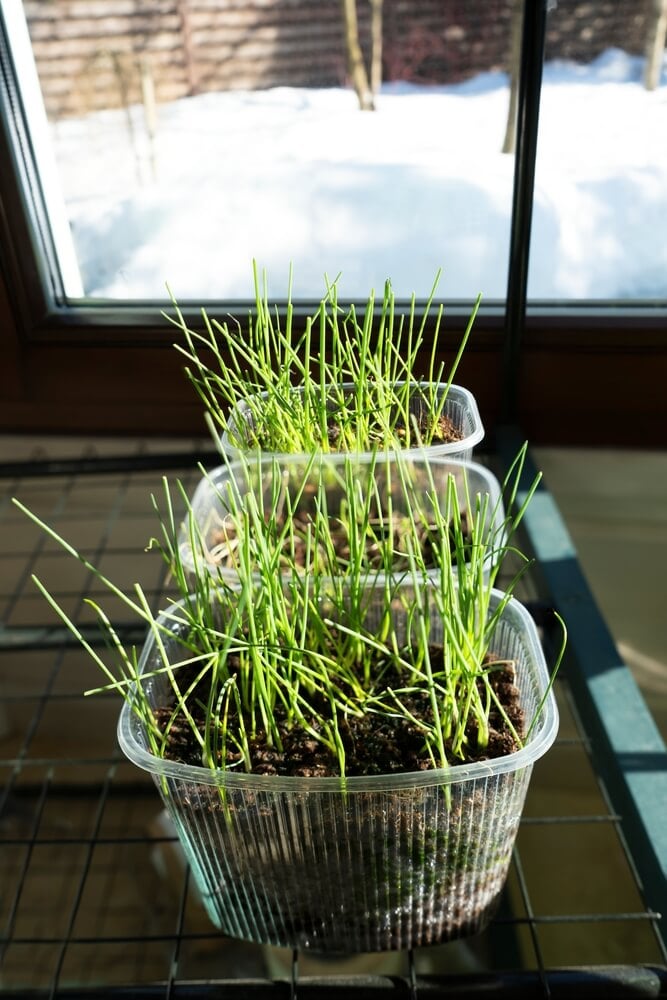
Leeks are the gentle giants of the onion family! And starting them in February gives you thick, succulent stems by fall. These slow growers need maximum time to reach their full potential. Indoor starting protects the grass-like seedlings during their vulnerable early stage. Homegrown leeks are so much sweeter and more tender than anything you’ll find at the store.
- USDA Grow Zones: 5 through 9.
- Start Indoors: 10 to 12 weeks before the last frost.
- Hardy Cultivars: “Giant Musselburgh” (very cold hardy, survives down to 15°F), “King Richard” (for summer harvest, less hardy).
How to eat leeks? There are so many good ways! They’re perfect in soups, quiches, and roasted vegetable dishes all season long.
12. Alpine Strawberries
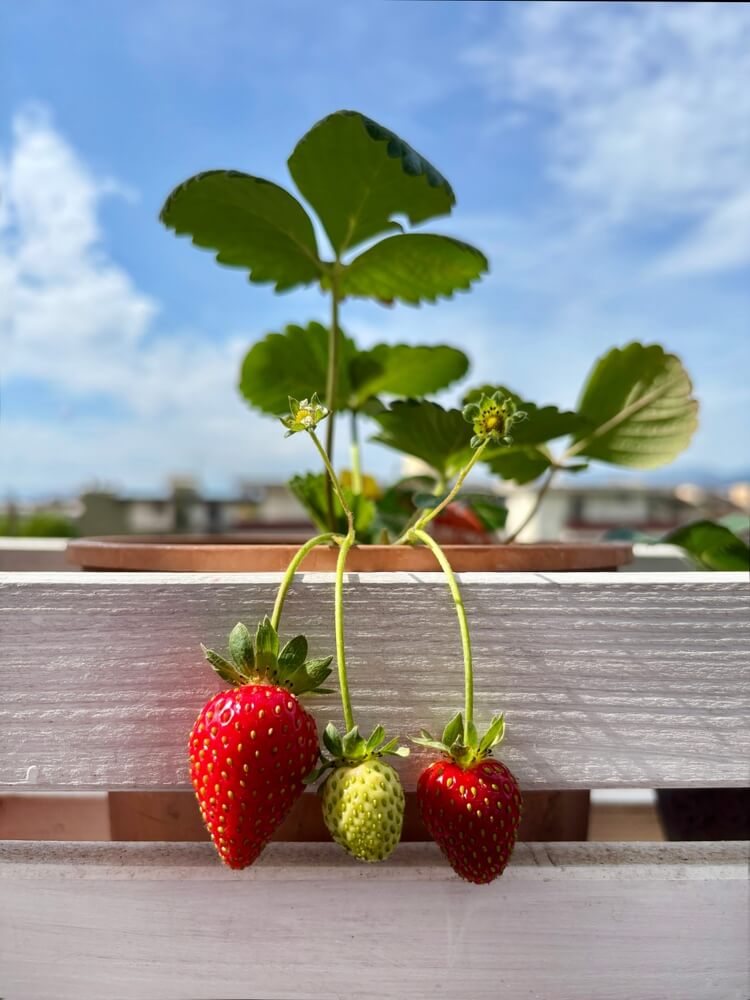
Alpine strawberries are completely different from regular strawberries. They produce tiny, intensely flavored berries. Starting from seed in February gives these slow-pokes time to establish before transplanting. They make excellent edging plants or container berries. The flavor is concentrated and almost candy-like compared to grocery store strawberries.
- USDA Grow Zones: 5 through 9.
- Start Indoors: 10 to 12 weeks before last frost (Slow to establish).
- Hardy Cultivars: “Alexandria” (runnerless, very sweet), “Mignonette” (intense flavor).
Birds and squirrels go absolutely nuts for these little berries. You’ll have to guard your stash! (Or grow lots of extras.)
Read More – 10 Low-Light Houseplants That Grow Even In The Darkest Days Of Winter!
13. Coleus
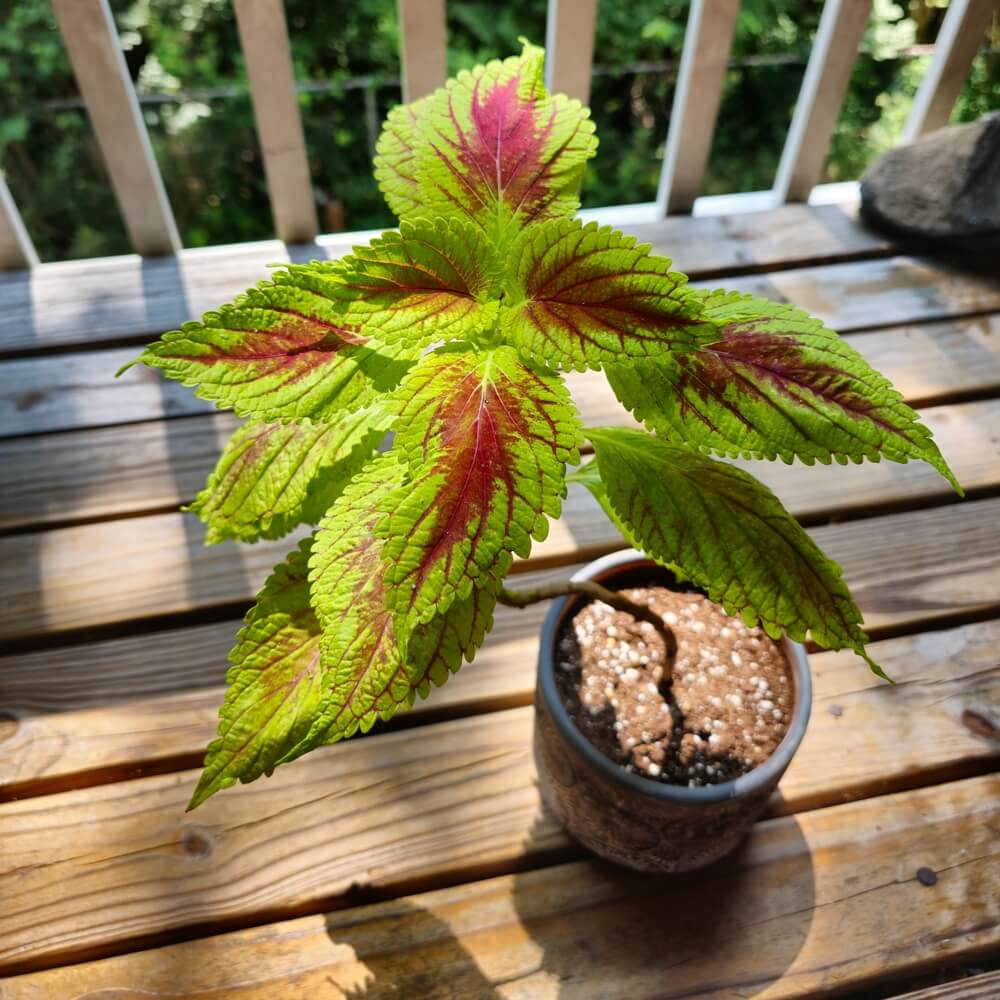
Coleus is all about that stunning foliage in every color combination imaginable. Starting seeds indoors in February means huge bushy plants by the time summer heat arrives. These shade-lovers are stupid easy to grow from seed. And they transplant without any stress. One packet of seeds can fill your entire shade garden for less than the cost of a single nursery plant.
- USDA Grow Zones: Annual in 3-9.
- Start Indoors: 8 to 10 weeks before the last frost.
- Hardy Cultivars: “Kong” (huge leaves), “Wizard” (compact, good for borders).
Plant them in containers or garden beds. Then, prepare for nonstop compliments on your foliage game.
14. Celeriac (Celery Root)
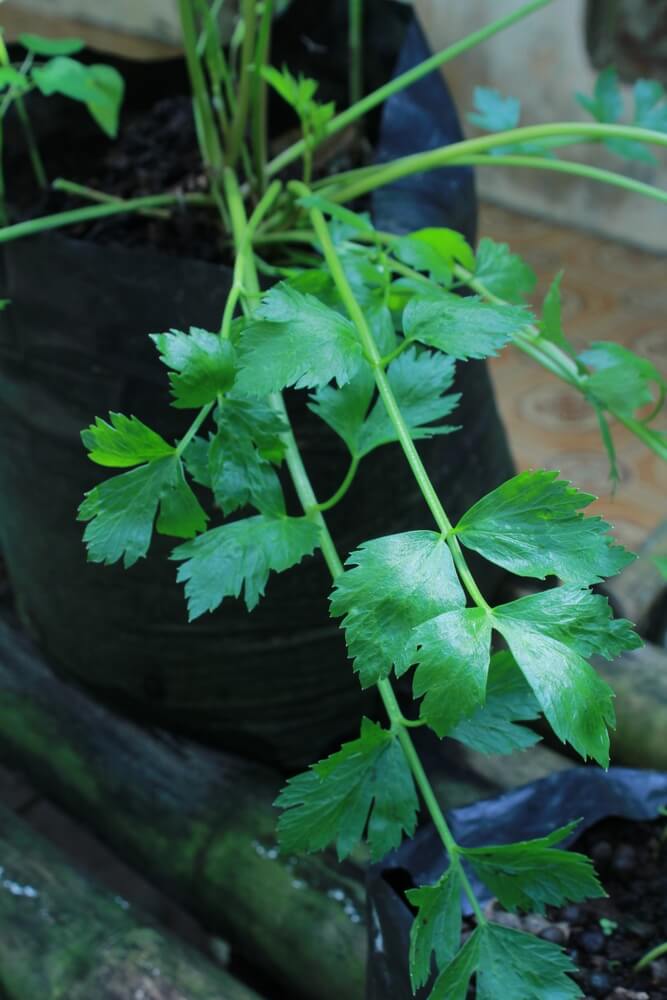
Celeriac is that weird knobby root vegetable that tastes like celery and parsley had a delicious baby. It needs an incredibly long growing season. So, starting in February is absolutely critical in many zones. This underappreciated vegetable is a staple in European kitchens and deserves more love here. Starting indoors gives you control over those slow-developing roots.
- USDA Grow Zones: 5 through 9.
- Start Indoors: 10 to 12 weeks before the last frost.
- Hardy Cultivars: “Giant Prague” (heirloom, reliable), “Mars” (smooth skin, easier to clean).
Roast it, mash it, or make the classic French celery root remoulade for a real treat.
15. Lisianthus
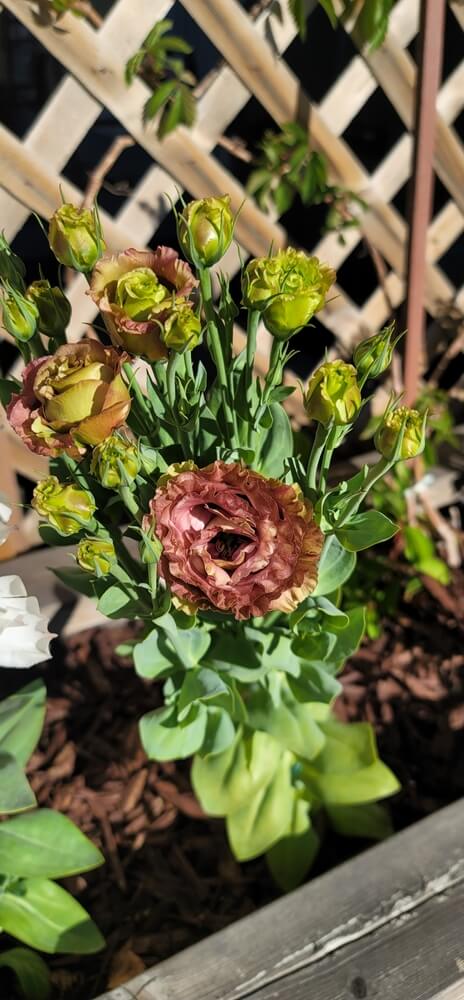
Lisianthus produces flowers that look like roses crossed with poppies. They’re absolute showstoppers in bouquets. The only issue is that these flowers need an insanely long head start. February is basically your last chance to start seeds. They’re notoriously slow-growing but worth every bit of the wait. Starting indoors is helpful because these delicate seedlings need consistent conditions.
- USDA Grow Zones: Annual in all cold zones.
- Start Indoors: 12 to 16 weeks before last frost (Must start NOW or buy plugs).
- Hardy Cultivars: “Echo Series” (early blooming spray type), “Voyage” (ruffled petals).
Florists charge premium prices for lisianthus! Growing your own is both beautiful and economical.
Read More – The 10 Best Citrus Trees For Indoor Growing (Yes, Even In Winter!)
16. Broccoli
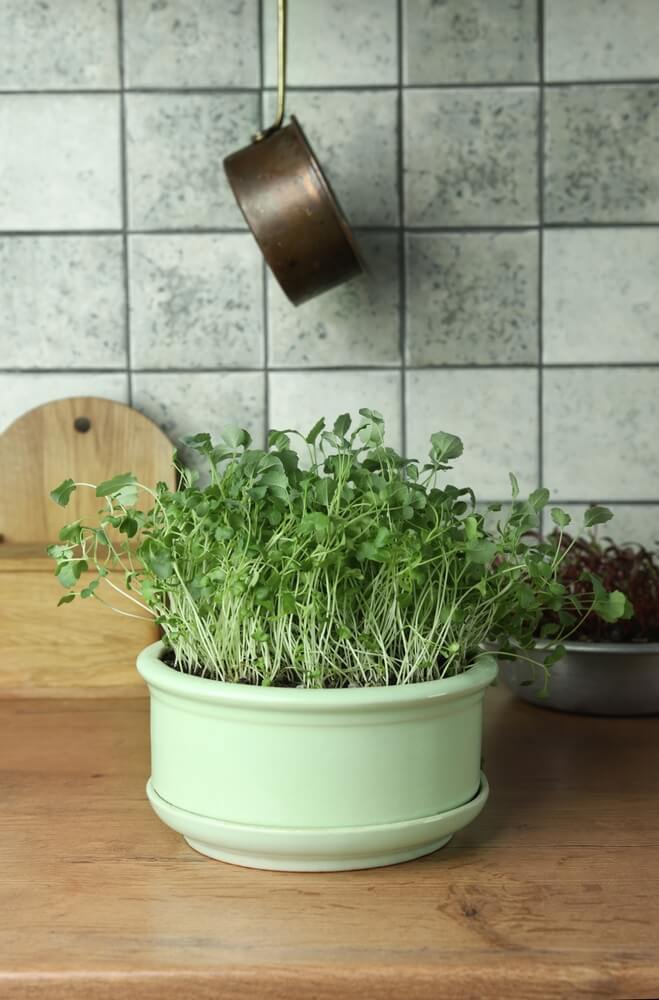
February is prime time for starting broccoli seeds if you want that early spring harvest before summer heat ruins everything. This cool-season crop needs a head start to develop those tight crowns before temperatures spike. Starting indoors means you control exactly when they go out, and you’ll beat the pests that show up later.
- USDA Grow Zones: 3 through 9.
- Start Indoors: 6 to 8 weeks before last frost (for early spring crop).
- Hardy Cultivars: “Belstar” (adaptable), “Di Cicco” (heirloom, produces side shoots).
Harvest the main head. Most varieties will keep producing side shoots for weeks afterward.
17. Rosemary
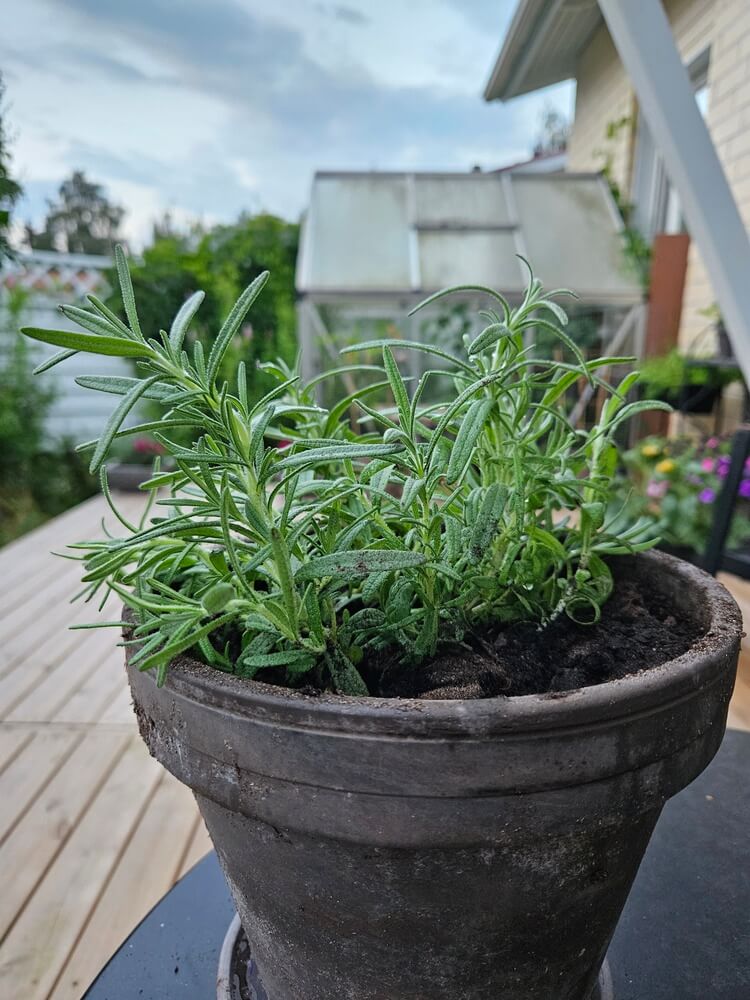
Growing rosemary from seed is another challenge. But February gives you the long timeline these Mediterranean treasures need. Germination is painfully slow. And the seedlings grow at a snail’s pace initially. Starting indoors with bottom heat dramatically improves your success rate. Once established, rosemary becomes a fragrant workhorse in both garden and kitchen.
- USDA Grow Zones: 6 through 10 (Zone 5 with protection or pots).
- Start Indoors: 10 to 12 weeks before last frost (Slow germination).
- Hardy Cultivars: “Arp” (legendary cold tolerance to Zone 6), “Hill Hardy” (tough and upright).
Growing your own means unlimited fresh rosemary for roasting, grilling, and flavoring olive oil all year long.
18. Eggplant
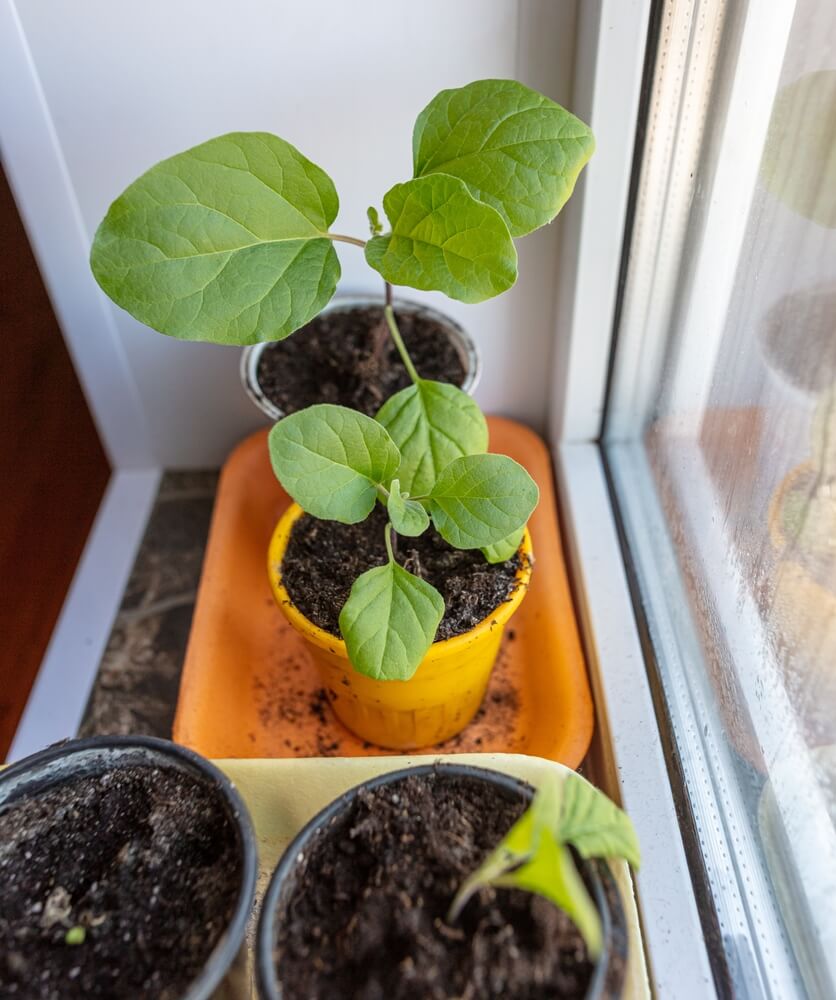
Eggplants are heat lovers that need a solid head start in cold climates. February is perfect for indoor sowing. The payoff is beautiful, glossy fruits in colors beyond just purple. Homegrown eggplant has a completely different texture and flavor from store-bought.
- USDA Grow Zones: Annual in 3-8.
- Start Indoors: 8 to 10 weeks before the last frost.
- Hardy Cultivars: “Black Beauty” (standard), “Ping Tung Long” (early maturing, good for short seasons).
Whether you’re grilling, roasting, or making eggplant parmesan, fresh-picked makes all the difference.
Read More – 21 Best Evergreen Shrubs And Trees For A Gorgeous Winter Garden That Never Sleeps!
19. Snapdragons
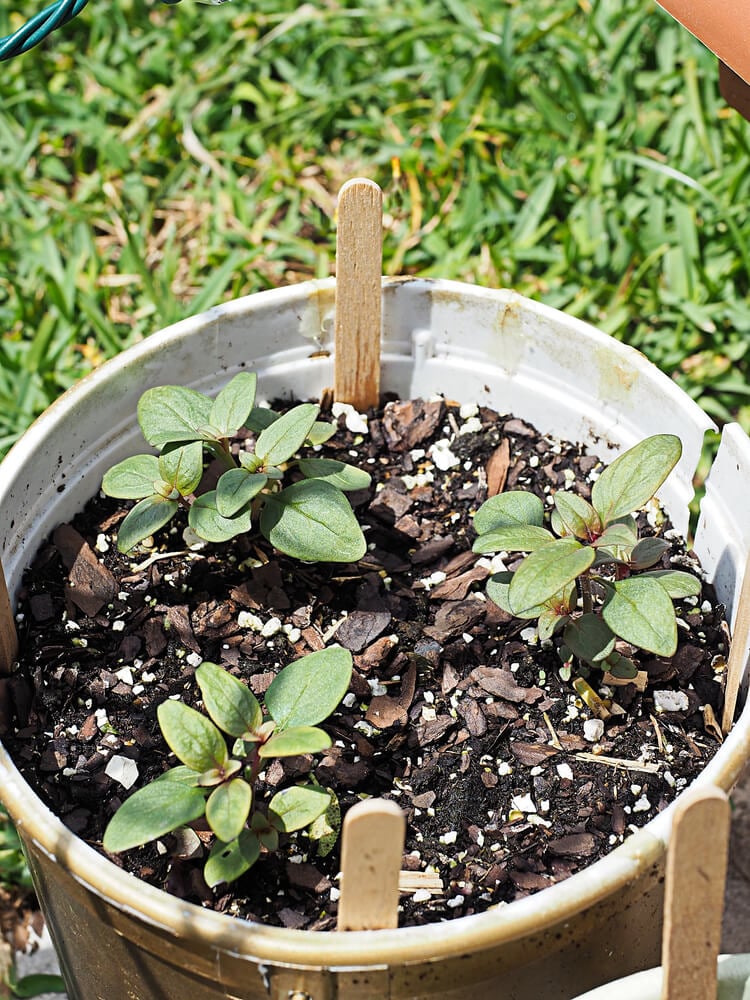
Snapdragons bring vertical interest and bold color to spring gardens while tolerating light frosts like champions. Starting them indoors in February means blooming plants ready to go out early for maximum flower production. These cottage garden favorites reseed themselves and sometimes overwinter in milder zones.
- USDA Grow Zones: 4 through 9 (Often overwinter in Zone 5/6).
- Start Indoors: 8 to 10 weeks before the last frost.
- Hardy Cultivars: “Rocket” (tall, heat-tolerant), “Liberty” (mid-height, reliable).
Plant them in early spring. They’ll bloom through summer if you keep them deadheaded and watered.
20. Lemongrass
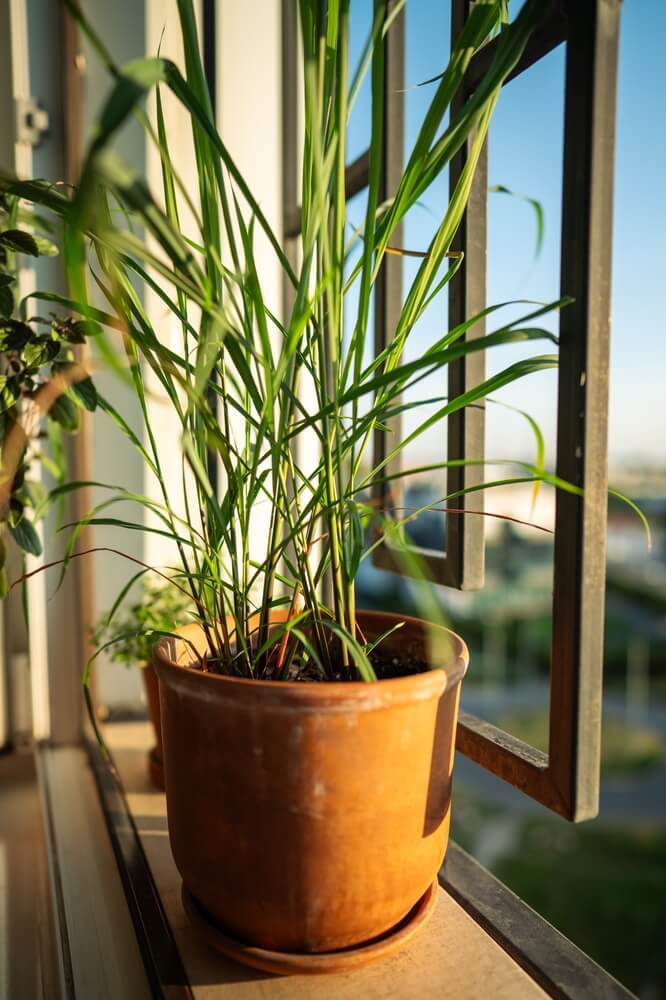
Growing lemongrass from seed brings you that fresh citrus flavor for Thai cooking, teas, and mosquito-repelling landscaping. It needs a long, warm season to develop those aromatic stalks. Starting indoors in February gives this tropical grass time to bulk up before summer. One clump will multiply and provide fresh lemongrass for years if you bring it indoors for winter.
- USDA Grow Zones: Annual in 3-8 (Perennial 9+).
- Start Indoors: 8 to 10 weeks before the last frost.
- Hardy Cultivars: “West Indian” (standard culinary).
Fresh lemongrass makes a world of difference in curries, soups, and homemade ginger ale.
21. Parsley
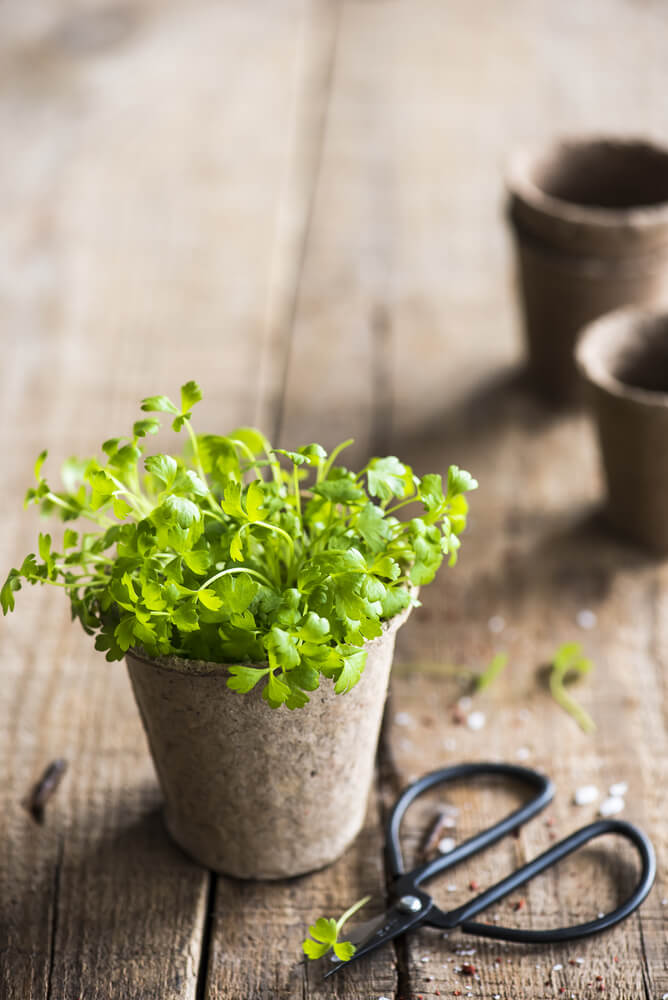
Parsley is notoriously slow to germinate! Its slow-growing nature gives rise to the old saying that it goes to the devil and back seven times before sprouting. (Seriously!) Starting it indoors in February solves that problem with controlled conditions and bottom heat. This biennial herb is way more cold-hardy than people realize and often overwinters for early spring harvests. Either way, fresh parsley beats the dried stuff in every possible way for cooking and garnishing.
- USDA Grow Zones: 4 through 9.
- Start Indoors: 8 to 10 weeks before the last frost.
- Hardy Cultivars: “Giant of Italy” (flat leaf, very productive), “Moss Curled” (classic garnish type, cold hardy).
Plant extras because you’ll use way more fresh parsley than you think once you have it growing.
Read More – The 10 Best Winter Cover Crops For Building Garden Soil!
Conclusion
Starting these seeds in February means you’re already winning the gardening game before most people even think about spring. After the winter we’ve all survived, that first harvest is going to taste like absolute victory. Get your seeds started now, and by the time the last frost passes, you’ll have strong transplants ready to explode into growth. This spring garden is going to be your best one yet.
Thanks for reading.
Have a great day!