
14 Best Winter Berry Shrubs For Gardeners And Homesteaders!
Welcome! This article contains affiliate links, meaning I get a commission if you decide to make a purchase through my links, at no extra cost to you.
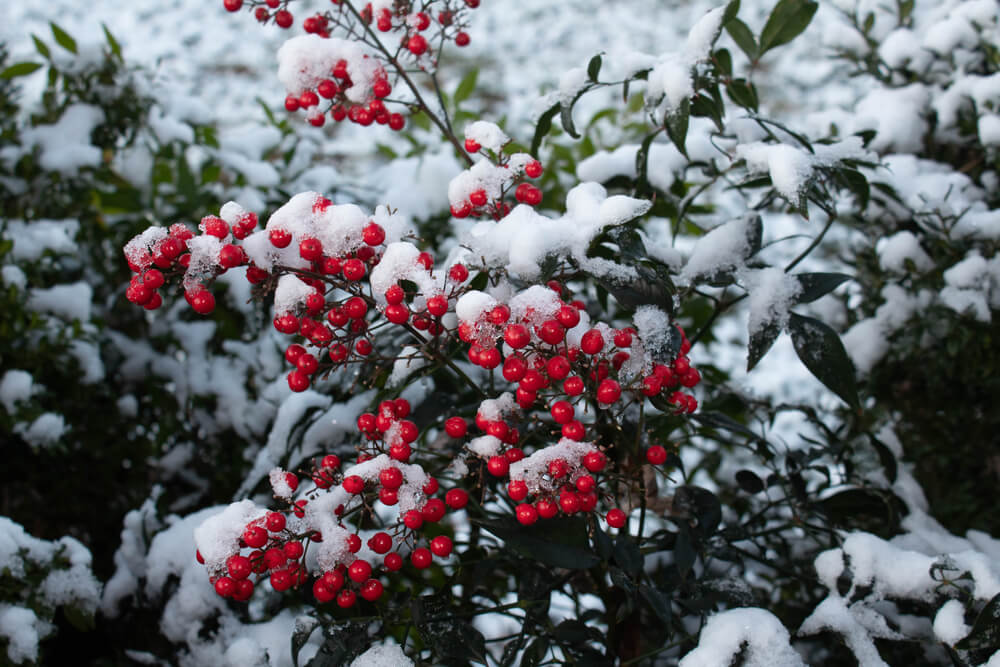
Winter doesn’t have to mean a lifeless landscape of bare branches and endless gray skies. While most of the garden sleeps beneath snow and frost, these epic winter berry shrubs burst with vibrant reds, oranges, and whites. These lovely shrubs also do more than merely look the part. They’re lifelines for birds and wildlife struggling through the leanest time of year.

Sound intriguing?
Then, let’s explore these shrubs in detail!
14 Best Winter Berry Shrubs That Brighten The Cold Season
There are surprisingly many shrubs that fruit in winter. But of all winter shrubs, these 14 are our favorites.
1. Winterberry Holly (Ilex verticillata)

Winterberry holly is a gorgeous showstopper in the winter landscape. They light up dreary months with brilliant red berries that cling to bare branches like nature’s holiday decorations. It’s a lovely deciduous native and also a magnet for robins, cedar waxwings, and bluebirds.
- USDA Growing Zones: 3 to 9.
- Shrub Size: 6 to 10 feet tall.
- Fruit Season: Starts in September and persists into winter.
One of the only downsides of winterberry holly is that you need male and female plants to make berries. But one male can pollinate five holly females.
2. American Holly (Ilex opaca)

American holly brings year-round structure to the landscape with its glossy evergreen leaves and classic red berries that embody winter elegance. This native tree-sized shrub provides critical shelter for overwintering birds while its berries feed mockingbirds, thrashers, and cardinals during the leanest months. Homesteaders appreciate its dual-purpose nature as both a living windbreak and a source of gorgeous holiday greenery. Berries are mildly toxic to humans. Safe for wildlife.
- USDA Growing Zones: 5 to 9.
- Shrub Size: 15 to 30 feet tall (small tree).
- Fruit Season: Ripens in fall and often persists through winter.
Just remember that, like all hollies, you’ll need a male pollinator nearby, and the berries are mildly toxic to humans but perfectly safe for wildlife.
3. Meserve Hollies (Ilex × meserveae ‘Blue Princess’, etc.)

Meserve hollies are tremendously cold-hardy. They were explicitly bred to withstand northern winters and deliver abundant berry displays on striking blue-green foliage. The ‘Blue Princess’ and her sisters are wildlife favorites. They attract woodpeckers, waxwings, and songbirds to their vibrant red fruits throughout the coldest months.
- USDA Growing Zones: 4 to 7.
- Shrub Size: 8 to 12 feet tall.
- Fruit Season: Berries color up in fall and last well into winter.
Their berries are among the longest-lasting in the holly family. They can often remain colorful well into March when other food sources are scarce.
Read More – The 10 Best Citrus Trees For Indoor Growing (Yes, Even In Winter!)
4. Inkberry Holly (Ilex glabra)

Inkberry holly offers glossy evergreen leaves and small black berries. They may not dazzle from a distance. But they provide essential nutrition for woodpeckers, catbirds, and other berry-loving birds. Inkberry hollies also tolerate lackluster soil. (From salt spray to heavy shade.) Gardeners appreciate its adaptability and tolerance for pruning, though older plants benefit from occasional rejuvenation.
- USDA Growing Zones: 4 to 9.
- Shrub Size: 4 to 8 feet tall.
- Fruit Season: Fruits form late summer and can persist into winter.
Birds often overlook Inkberry’s dark fruits until late winter. But during this time, they might become a crucial emergency food source.
5. Possumhaw Holly (Ilex decidua)

Possumhaw holly puts on one of winter’s most spectacular displays. I love the brilliant orange-red berries studding bare silver-gray branches. Sometimes, the contrast is so stark that the shrub appears to glow. It’s a tough, native, deciduous holly. Cedar waxwings, robins, and mockingbirds often strip the branches clean during late winter feeding frenzies.
- USDA Growing Zones: 5 to 9.
- Shrub Size: 7 to 15 feet tall.
- Fruit Season: Fruits color in fall and remain on bare branches through winter.
Possumhaw holly berries sweeten after repeated freezing. They’re more palatable to wildlife as winter progresses.
6. Washington Hawthorn (Crataegus phaenopyrum)

Washington hawthorn is a four-season stunner! It’s a compact, small tree with spring flowers, glossy summer foliage, fiery fall color, and bright red berries. The berries persist through winter’s harshest weather. This small tree provides essential food for waxwings, thrushes, and grosbeaks. And its dense, thorny branches offer protected nesting sites and shelter from predators.
- USDA Growing Zones: 4 to 8.
- Shrub Size: 25 to 30 feet tall (small tree/large shrub).
- Fruit Season: Berries ripen in fall and often persist into late winter.
Those persistent berries are rich in vitamin C and were traditionally used in herbal medicine. However, they’re best left for the birds who depend on them.
Read More – 21 Best Evergreen Shrubs And Trees For A Gorgeous Winter Garden That Never Sleeps!
7. Winter King Hawthorn (Crataegus viridis ‘Winter King’)

Winter King hawthorn earns its regal name with an outstanding display of large, glossy red berries that can measure up to half an inch across. They are so bright red that they appear to glow against winter snow. This cultivar is renowned for its exceptional disease resistance and a beautiful vase-shaped form. Birds, including robins, waxwings, and bluebirds, relish the abundant fruit.
- USDA Growing Zones: 4 to 7.
- Shrub Size: 20 to 30 feet tall (small tree/large shrub).
- Fruit Season: Fruit colors in the fall and hang into winter.
Winter King often fruits reliably even as a single specimen, though nearby hawthorns can improve yields. (Unlike many other hawthorns!) So, it’s perfect for smaller homesteads.
8. Black Chokeberry (Aronia melanocarpa)

Black chokeberry is the ultimate multitasker for homesteaders, delivering antioxidant-rich berries for human consumption, abundant wildlife food, and stunning burgundy fall foliage all in one compact native package. While the astringent berries make thrushes, waxwings, and grouse work a bit for their meal, these fruits sweeten after frost and persist well into winter as an emergency food source. This tough-as-nails shrub tolerates wet feet, drought, and poor soil with equal aplomb, and it spreads slowly by suckers to form informal hedges.
- USDA Growing Zones: 3 to 8.
- Shrub Size: 3 to 6 feet tall.
- Fruit Season: Fruits ripen in late summer–early fall and often persist into winter.
Black chokeberry is one of the few fruits on our list that humans can reliably eat. Those same berries that birds love are a superfood for humans when processed into jams, syrups, or dried for tea.
9. Northern Bayberry (Myrica pensylvanica)

Northern bayberry is a coastal native fruiting shrub. It has unusual, waxy gray-white berries and aromatic foliage. This distinctive, fruity shrub thrives in sandy, salty conditions where pampered shrubs fail. The berries are a crucial high-fat food source for yellow-rumped warblers and other birds capable of digesting waxy berries during migration and winter. One cool thing about bayberry is that it’s a nitrogen fixer, so it helps improve soil health.
- USDA Growing Zones: 3 to 7.
- Shrub Size: 5 to 10 feet tall.
- Fruit Season: Gray berries mature in late summer and persist through winter.
Crush the bayberry leaves to release a spicy fragrance. Bayberry has been used in everything from soaps to natural insect repellents.
Read More – The 10 Best Winter Cover Crops For Building Garden Soil!
10. Common Snowberry (Symphoricarpos albus)

Common snowberry is nature’s winter ornament, producing clusters of pure white berries that stand out like pearls against bare winter branches, making the shrub glow in moonlight. While the berries are somewhat toxic to humans and less preferred by most birds, waxwings, grouse, and quail do consume them during harsh winters when other food is scarce. This native shrub excels in shady spots where little else will fruit, spreads by underground runners to stabilize slopes, and provides excellent cover for small mammals and ground-nesting birds.
- USDA Growing Zones: 3 to 7.
- Shrub Size: Roughly 3 to 6 feet tall.
- Fruit Season: White berries develop in late summer. They remain into winter.
Common snowberry has lovely arching stems all winter. It also adds peaceful movement and texture to the dormant garden.
11. Cotoneaster Species (Peking, Spreading Types)

Cotoneasters are reliable workhorses of winter berry production. They load their graceful arching branches with such dense clusters of red berries that the shrubs appear to be dusted with rubies. These fruiting shrubs attract waxwings, thrushes, and blackbirds in impressive numbers, particularly during late winter when their berries remain after other food sources have been depleted.
- USDA Growing Zones: 4 to 7.
- Shrub Size: 3 to 10 feet tall. (Depending on species.)
- Fruit Season: Red berries color in the fall and can persist into winter.
Many Cotoneaster species are invasive in parts of North America. (Especially in the Pacific Northwest and Northeast.) Always verify local restrictions before planting.
12. Korean Barberry (Berberis koreana)

Korean barberry distinguishes itself from its invasive Japanese barberry cousins by having larger leaves, showier yellow flowers, and elongated red berries. It’s an underutilized species with late-season nectar for pollinators, and fall color that rivals burning bush. Most of all, it has winter berries that feed mockingbirds, waxwings, and other fruit-eaters.
- USDA Growing Zones: 4 to 7.
- Shrub Size: 4 to 6 feet tall.
- Fruit Season: Red berries form in fall and may persist into winter.
Those thorns also make it a perfect nesting habitat for songbirds seeking protection from predators.
Read More – The 15 Best Dual-Purpose Chicken Breeds for Cold Climates!
13. American Highbush Cranberry (Viburnum opulus var. americanum)

American highbush cranberry is a native shrub gem. It offers snowball-like spring blooms, maple-shaped leaves with brilliant fall color, and translucent red berry clusters that hang like jeweled earrings through the coldest months. The tart berries are edible for humans (great for jelly!) and highly attractive to waxwings, grosbeaks, and ruffed grouse, though they typically remain on the shrub until late winter when freezing improves their flavor.
- USDA Growing Zones: 2 to 7.
- Shrub Size: 8 to 12 feet tall.
- Fruit Season: Red clusters ripen in late summer–fall and often hang into winter.
Unlike its European cousin, the American variety is resistant to viburnum leaf beetles. For that reason alone, it’s a far superior choice for sustainable landscapes.
14. Firethorn (Pyracantha coccinea, P. angustifolia, etc.)

Firethorn lives up to its dramatic name! This epic winter shrub features blazing displays of orange, red, or yellow berries. The berries are so abundant, in fact, that they nearly obscure the evergreen foliage. This vigorous shrub is a magnet for cedar waxwings, robins, and mockingbirds. Homesteaders prize firethorn for espaliering against walls, training as impenetrable hedges, or using it as security plantings beneath windows. In humid regions, firethorn can be susceptible to fire blight. So, resistant cultivars and good airflow are essential!
- USDA Growing Zones: 6 to 9 (most landscape forms).
- Shrub Size: 6 to 12 feet tall
- Fruit Season: Orange-red or yellow berries ripen in fall and persist into winter.
Those masses of spring flowers are equally attractive to pollinators, making this one of the hardest-working shrubs in the edible landscape. However, the berries are better suited for birds than human consumption.
Read More – 9 Reasons Why I Stopped Raking Leaves (And Why I Might Never Rake Again)
Conclusion

Winter berry shrubs are unsung heroes of the cold-season landscape. But which one do you like best? Maybe you like the fire-engine red of winterberry holly, the elegant clusters of American highbush cranberry, or the architectural drama of possumhaw’s berry-studded branches. These plants reward both gardeners and wildlife with beauty and sustenance when it’s needed most. By planting even a few of these exceptional shrubs, you’ll create a winter sanctuary that delights the eye, supports local bird populations, and proves that the gardening season truly never ends.

Fill your garden with fresh vegetables and your kitchen with homegrown food. This heirloom seed collection includes 32 popular varieties, from tomatoes, cucumbers, and lettuce to pumpkins, corn, beans, and carrots. It's an easy way to start a productive vegetable garden, grow more of your own food, and enjoy harvests that taste far better than store-bought produce. Perfect for anyone dreaming of a backyard packed with fresh vegetables!


What’s worked for you?
Have something to add? Share your experience below. Whether you’ve been gardening, raising animals, or making things yourself for years, your tips might help someone else.