The Ultimate Guide To Growing Winterberry From Seed, Cuttings, Or Transplants!
Welcome! This article contains affiliate links, meaning I get a commission if you decide to make a purchase through my links, at no extra cost to you.
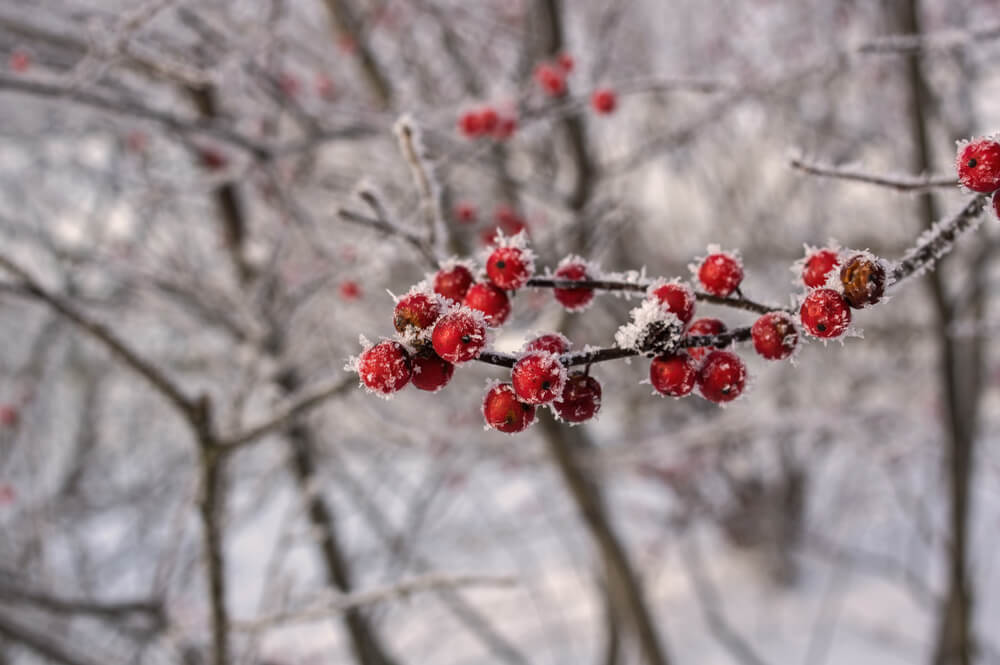
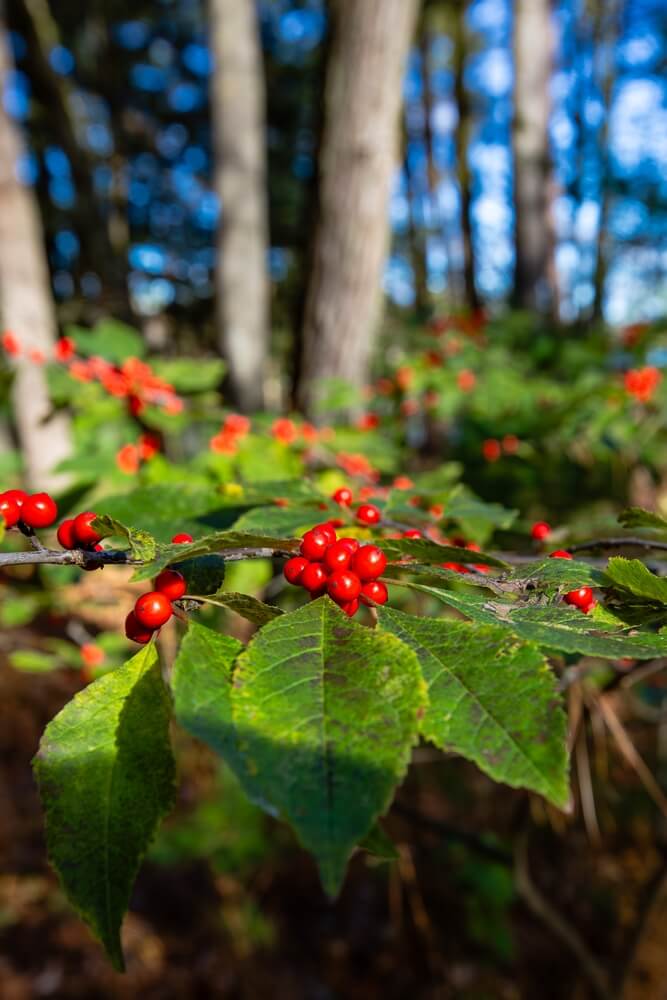
Winterberry is the homesteader’s secret weapon for jaw-dropping winter color when everything else in the garden has gone dormant and dreary. While most native shrubs are busy being boring from November through March, winterberry lights up like nature’s Christmas lights with clusters of brilliant red, orange, or gold berries that persist on bare stems all winter long. This guide covers everything from the patient (and slightly masochistic) route of starting winterberry from seed, to the smart shortcut of cuttings, to choosing the best cultivars and avoiding the three most significant blunders that leave gardeners berry-less and confused.
Sound enticing?
Then let’s grow some winterberries!
Starting Winterberry From Seed
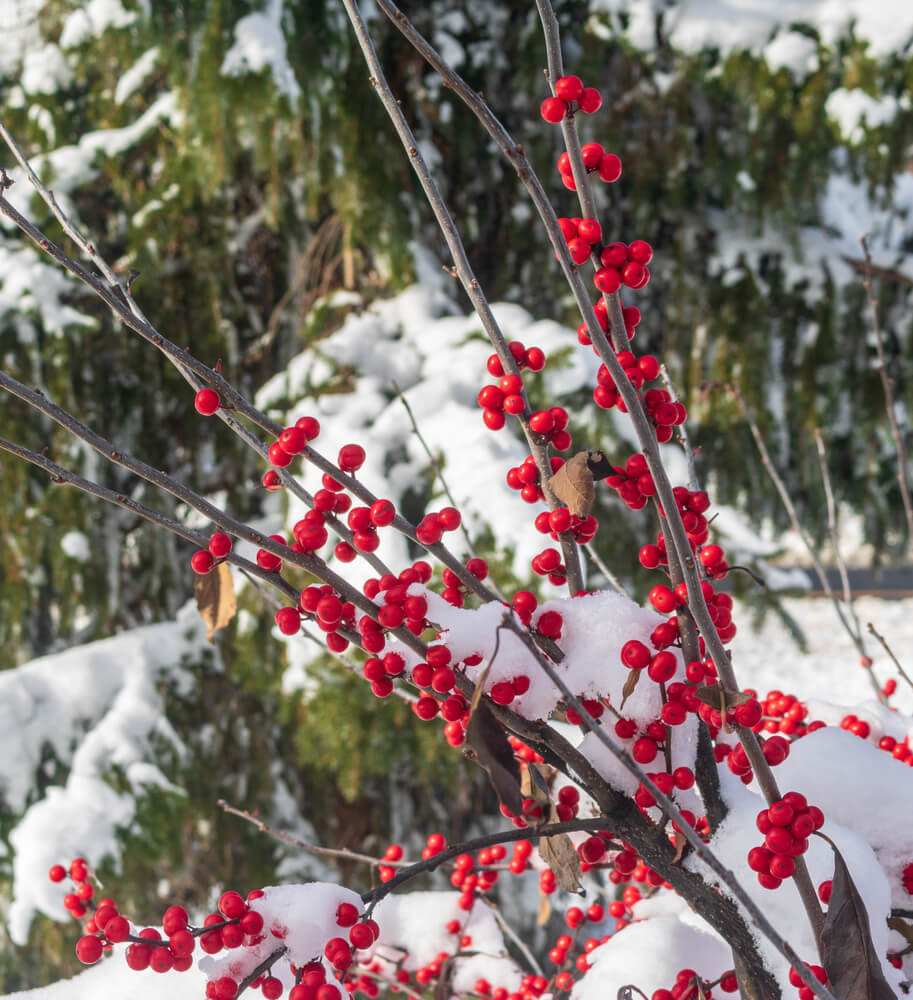
Growing winterberry can be a saga or a shortcut. Let’s talk about how to sow them from seeds first. (It’s the most challenging method. But also, arguably the cheapest.)
Step 1 – Harvest And Ferment The Berries
Harvest ripe winterberry fruits and let them ferment for about a week until they’re soft enough to separate the seeds from the pulp.
Step 2 – Clean And Plant
Clean the seeds thoroughly and place them in a pot with acidic, well-drained soil.
Step 3 – Cold Stratification
Cover with builder’s sand or a thin layer of soil, then give seeds their first cold period. Leave the pot outside for winter or use a fridge to simulate cold temperatures for 3 to 4 months.
Step 4 – Warm Stratification
After the cold period, move seeds to warm stratification (60-70°F) for 2 to 3 months. Winterberry needs this double-stratification (cold, then warm, sometimes followed by another cold period) to break dormancy.
Step 5 – Pot And Wait
Pot seedlings individually when they finally germinate (sometimes up to two years!), and remember it can take 5 to 8 years to get berries!
Read More – The Ultimate Guide To Growing Thanksgiving Cactus From Seed, Cuttings, Or Transplant!
Growing Winterberry From Cuttings
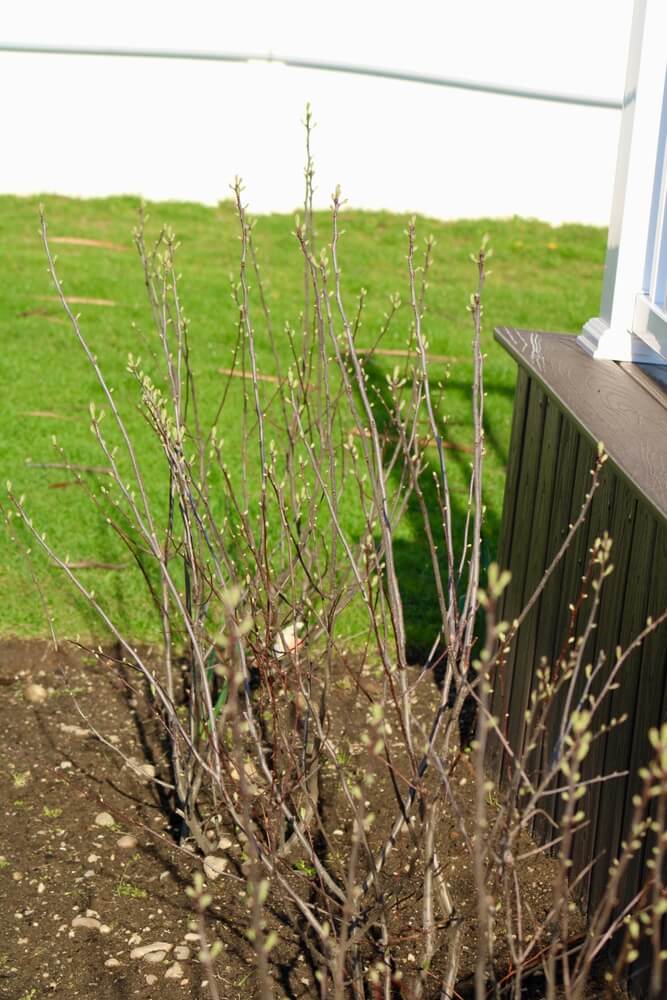
Propagation by cuttings is the garden world’s winterberry cheat code. It’s easy, fast, and far more rewarding than seeds. It’s like skipping the hedge apple drama and grabbing a young Osage orange tree from a friend.
Step 1 – Take Your Cuttings
Take softwood winterberry shrub cuttings in late spring to early summer (June to early July) or semi-hardwood cuttings in mid-to-late summer (July through August), choosing healthy branches that are 4 to 6 inches long.
Step 2 – Apply Rooting Hormone
Dip the cut ends of winterberry branches in rooting hormone to boost success.
Step 3 – Plant And Keep Humid
Plant in moist, well-drained potting mix and keep the cuttings humid (like under plastic or a humidity dome).
Step 4 – Root And Transplant
Within 1 to 3 months, cuttings will root. You’ll get a clone of your favorite plant and can see berries in just 2 to 4 years.
Read More – The Ultimate Guide To Growing Hostas From Seed, Division, Or Transplant!
Starting Winterberry From Nursery Transplants
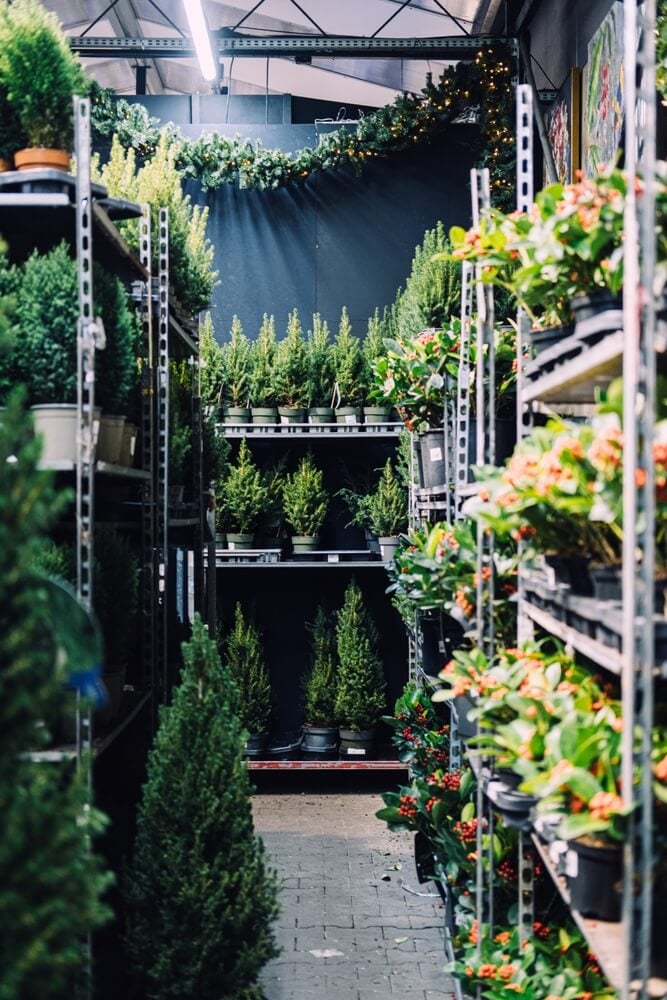
Want berries sooner and less fuss? Pick up winterberry transplants from your local nursery. These plants are already sexed (male/female), so you get instant results. Just plant and enjoy. Zero waiting, zero stratification drama, just like skipping the hard work and getting the good stuff way faster.
Winterberry Requirements
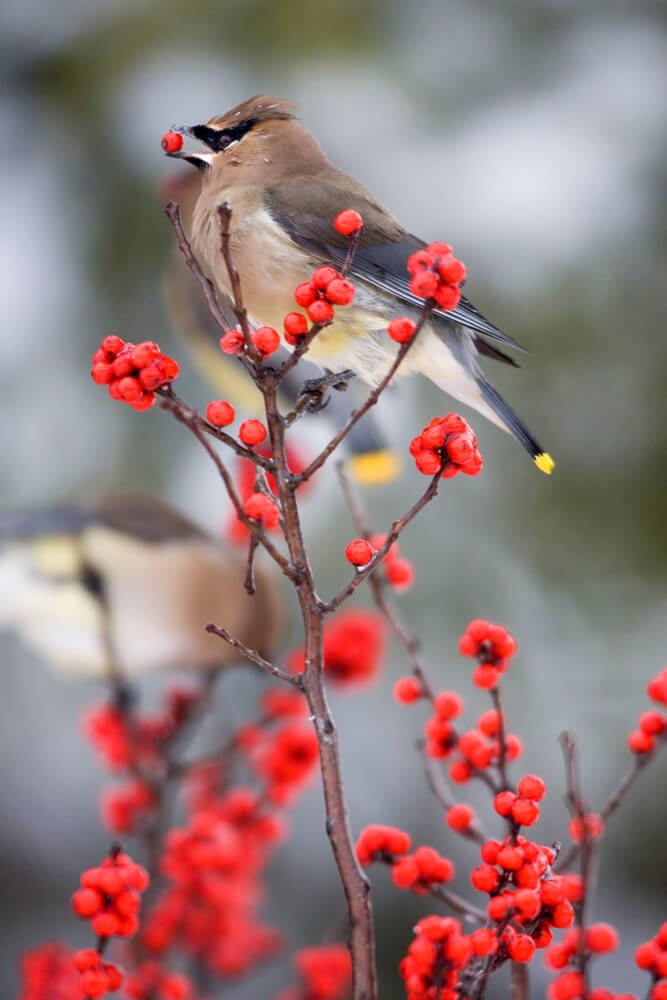
Once you’ve got your winterberry plants in the ground (or rooted from cuttings), the real work begins. Keeping them happy, healthy, and loaded with berries.
Sunlight
Winterberries thrive in full sun to partial shade, but more sun equals more berries. Aim for at least four to six hours of direct sunlight each day for the best berry display. In shadier spots, they’ll still grow, but flowering and fruiting will drop significantly. If you’re planting near other shrubs or under tree canopies, make sure they get enough light, or you’ll be left wondering where all the berries went.
Climate
Winterberries are tough native plants that handle cold like champs. They’re hardy from USDA zones 3 to 9, which covers most of North America. Originally from eastern North America (Canada down to Texas), they tolerate freezing winters and hot summers once established. Perfect for homesteaders in cold climates who want winter interest without babying their plants.
Soil + Fertilizer
Here’s where winterberry gets a bit picky. Winterberries prefer acidic soil with a pH of 5.0 to 6.5. If your soil is too alkaline (typical in many regions), you’ll need to amend it with sulfur or aluminum sulfate, or use an acid-based fertilizer like Miracid. Apply liquid acid fertilizer 3 to 4 times per year from April through mid-July. For young plants, work about a cup of complete organic or synthetic fertilizer into the soil each spring for the first few years.
Once established, winterberry shrubs don’t need much fertilization. Skip nitrogen fertilizer during the first growing season. Add a 2 to 4-inch layer of bark or needle mulch around the base to maintain acidity and moisture. They also love organic matter, so compost is your friend here.
Pollination
Winterberries are dioecious, meaning you need both male and female plants to get berries. Only females produce berries, but they need a male nearby to pollinate them. The good news? One male can pollinate up to 5 to 10 females if planted within 50 feet. Make sure your male and female varieties have overlapping bloom times (check nursery tags for compatibility).
Winterberry flowers attract pollinators, including a specialized native bee called Colletes banksi. Insects handle pollination, and they prefer sunny conditions, so adequate sun helps here, too. Once berries form, dozens of species of birds might feast on them, especially after freeze-thaw cycles soften them up.
Watering
Winterberries naturally grow in wetlands and along stream banks. So they love moisture. Water regularly (about 1 inch per week over the root zone) for at least the first year after planting until leaves fall in autumn. Once established, they tolerate both wet and dry conditions. However, drought stress can cause berry drop. Keep a 2 to 3-inch mulch layer around the base! Doing so helps prevent the soil from drying out too much during hot spells. If you have a boggy spot in your yard that stays moist year-round, winterberry is your plant.
Read More – The Ultimate Guide To Growing Pawpaw Trees – From Seed To Backyard Harvest!
Winterberry Growing Schedule
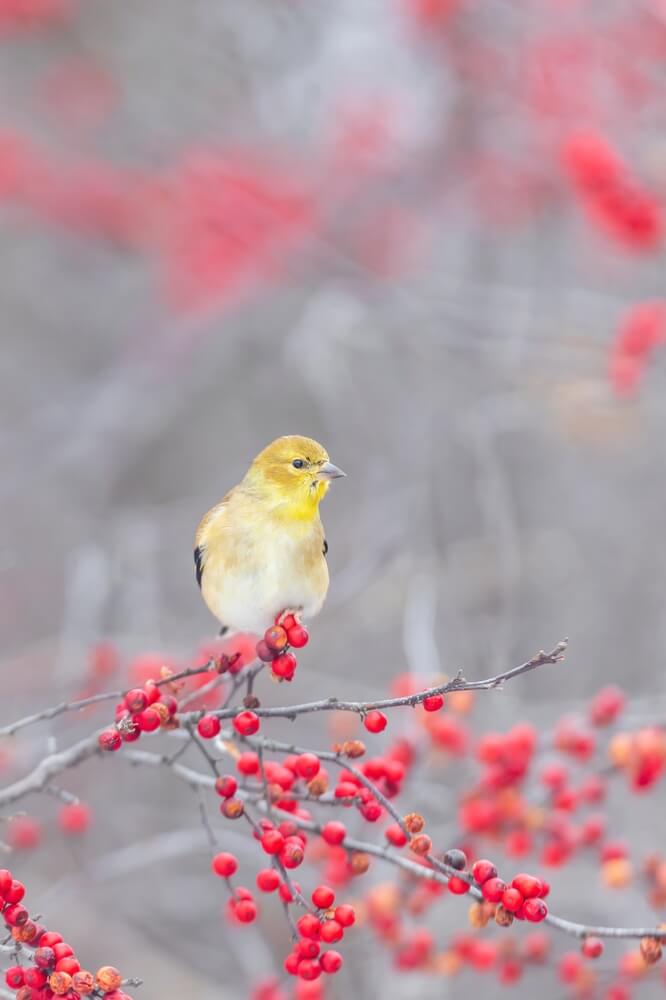
Here are the critical dates all Winterberry growers should know. While these are mostly outdoor plants that folks often overlook for scheduling, timing your care tasks right makes all the difference between a mediocre berry show and a jaw-dropping winter display.
April
Prime planting season arrives. Get your winterberries in the ground early this month while the soil is workable and plants are still dormant. Apply your first round of acid fertilizer (such as Miracid) to established plants, and work compost into the soil around the root zone. Water deeply after planting and keep the soil consistently moist as new growth emerges.
May
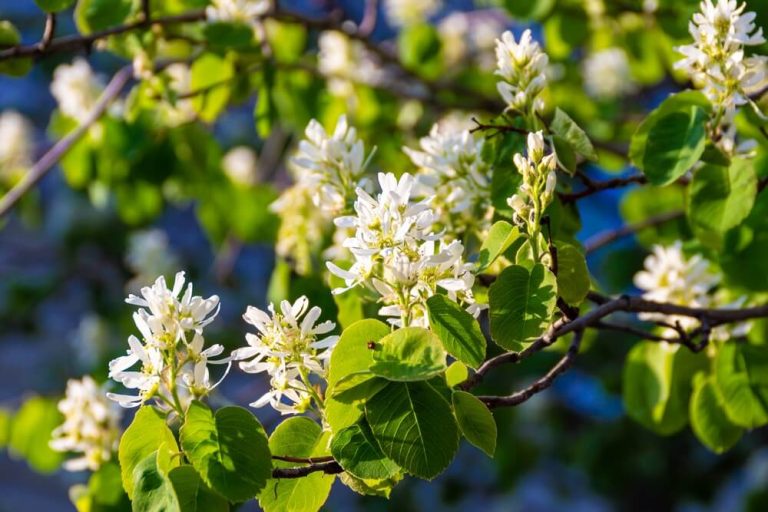
Winterberry flowers are small, white, and inconspicuous. May is pollination time, so make sure your male and female plants are both flowering, and that pollinators can easily move between them. If you haven’t planted a male within 50 feet of your females, now’s the time to fix that mistake before it’s too late for berries this year.
June
Perfect month for taking softwood cuttings if you want to propagate more plants. Clip 2-inch cuttings from healthy female branches, dip them in rooting hormone, and pot them up in moist soil under a plastic cover to create a mini greenhouse effect. Keep monitoring soil moisture as temperatures rise, especially for newly planted shrubs.
July
Continue taking semi-hardwood cuttings through mid-July if you missed the June window. Stop fertilizing after mid-July to allow plants to harden off before winter. Green berries should be forming on female plants by now. If you don’t see any, check that your male and female varieties have compatible bloom times.
August
Berries begin their transition from green to their final color. Keep plants watered during hot, dry spells since drought stress can cause berry drop. August is primarily a maintenance month. Just watch, water, and let the plants do their thing.
September
The berry show begins! Berries ripen to their full vibrant red, orange, or yellow, depending on variety. Your winterberries are now shifting into display mode. Reduce watering slightly as fall rains increase, but don’t let them dry out completely.
October Through Winter
Peak display season when those brilliant berries really pop against bare branches and snow. Leave the berries for the birds (they’ll soften after freeze-thaw cycles). Start planning your late winter pruning strategy. In late winter (February to March), prune up to 30% of the oldest branches down to the ground before new growth appears to encourage fresh berry-producing wood for next year.
Read More – How To Grow Blueberry Shrubs At Home From Seeds, Cuttings, Or Seedlings – The Ultimate Guide!
5 Best Winterberry Tree Cultivars
We love all winterberry cultivars! But here are five proven winners with knockout winter displays.
Red Sprite
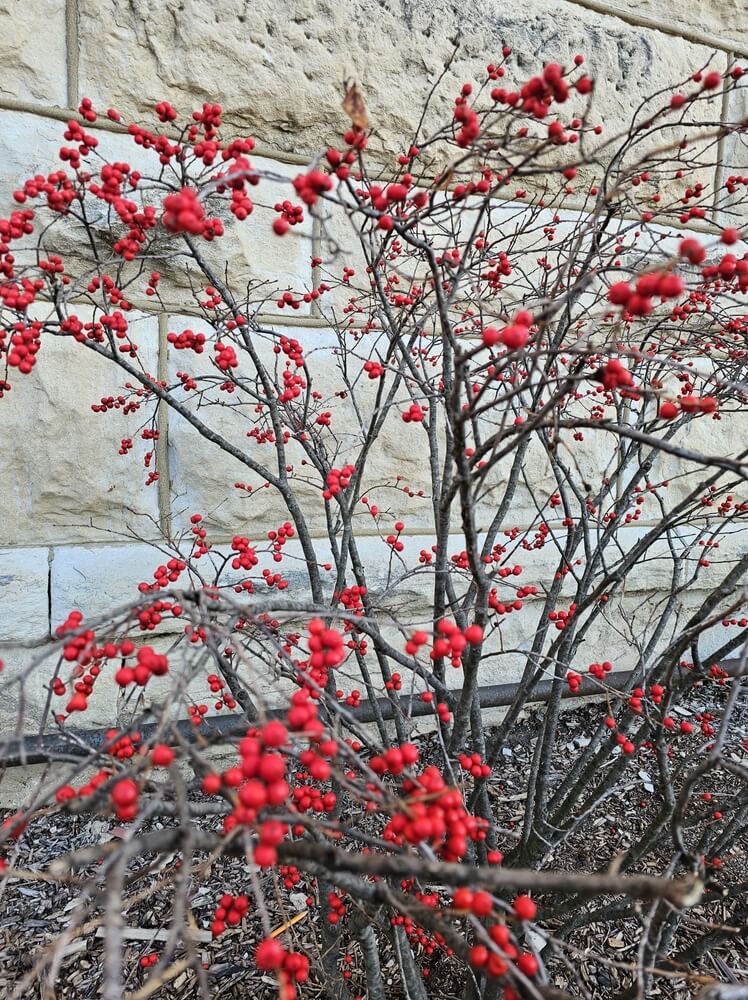
Red Sprite is compact and beautiful! It’s perfect for smaller gardens or tight spaces where you want a gorgeous berry display. This dwarf cultivar stays manageable at just 3 to 5 feet tall and wide. It’s ideal for mixed borders or foundation plantings. Despite its small size, Red Sprite produces dense clusters of huge, bright red berries that pack a serious visual punch against its dark green foliage.
- USDA Growing Zones: 3 through 9.
- Fruit Season: Late summer through early spring (berries persist on bare stems).
- Yield: High. Abundant clusters of large, bright red berries.
- Supports: Robins, cedar waxwings, bluebirds, mockingbirds, thrushes, and over 48 bird species total. Also, red squirrels and other small mammals.
Pair it with Jim Dandy or Apollo for reliable pollination and prepare for a winter show that far exceeds its small footprint.
Winter Gold
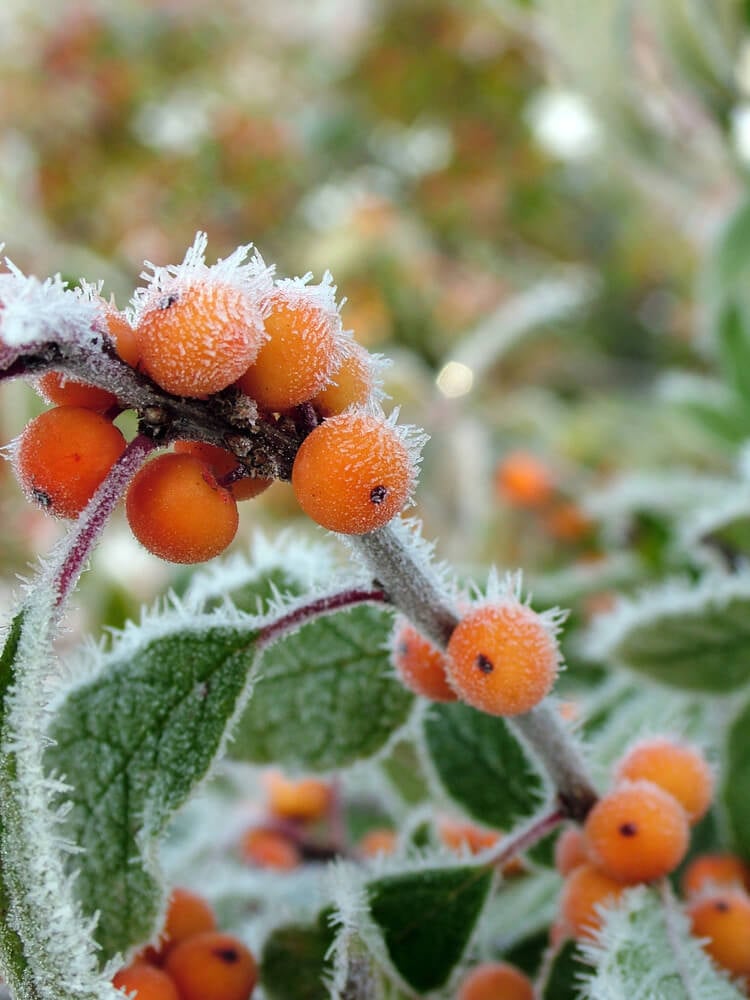
Winter Gold is a yellow-berried sport of the famous Winter Red, offering homesteaders something different from the typical red berry display. The berries start as a lovely pinkish-orange in fall, then lighten to soft golden-yellow as they age, creating a warmer, more subtle winter glow. This cultivar grows to roughly 7 feet tall and wide and features medium-green foliage during the growing season. It offers a lovely backdrop with its unique fruit color.
- USDA Growing Zones: 3 through 9.
- Fruit Season: Late summer through early spring.
- Yield: High. Dense clusters of soft orange-yellow to golden berries.
- Supports: Robins, bluebirds, cedar waxwings, finches. Host plant for Henry’s elfin butterfly caterpillars. Attracts bees and other pollinators.
Use Southern Gentleman as the pollinator for best results with this late-blooming beauty.
Berry Heavy Gold
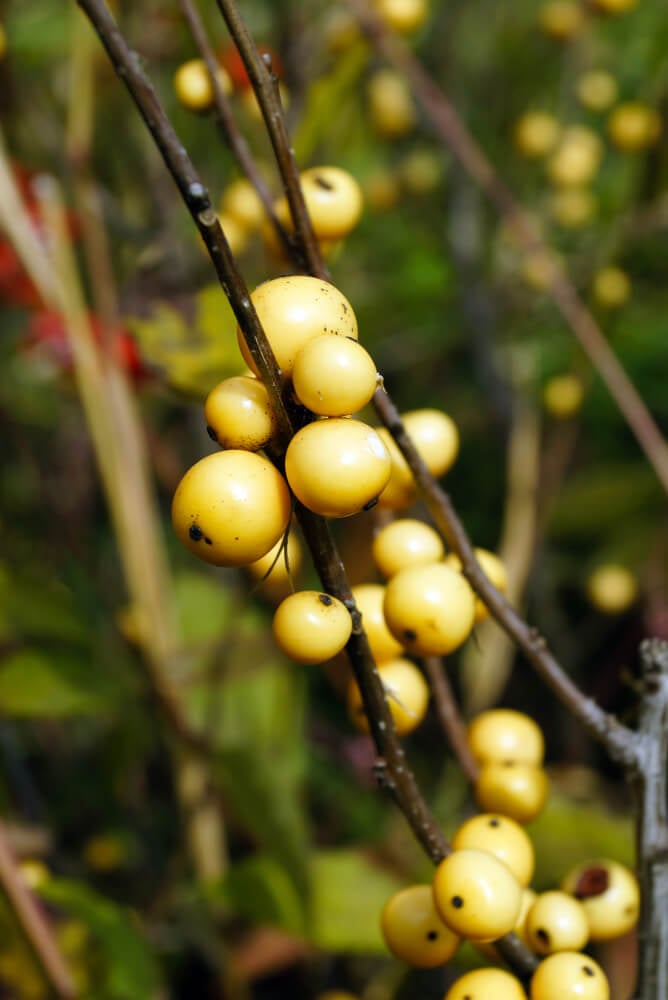
Berry Heavy Gold lives up to its name with a hefty display of large, bright golden-yellow berries that often persist longer into winter than red varieties. This robust cultivar reaches 6 to 8 feet tall and wide, with shiny foliage that takes on attractive purplish-bronze tints in autumn before dropping. The berry production is truly outstanding, making this one of the showiest yellow-fruited options available for gardeners craving something beyond traditional red.
- USDA Growing Zones: 3 through 9.
- Fruit Season: Mid-fall through late winter (often persists longest).
- Yield: Very high. Hefty display of large golden-yellow berries.
- Supports: Robins, bluebirds, cedar waxwings, cardinals, finches. Excellent late-winter food source for migrating and resident birds.
Pollinate with early-blooming varieties such as Mr. Poppins or Jim Dandy for maximum berry set.
Japanese Winterberry
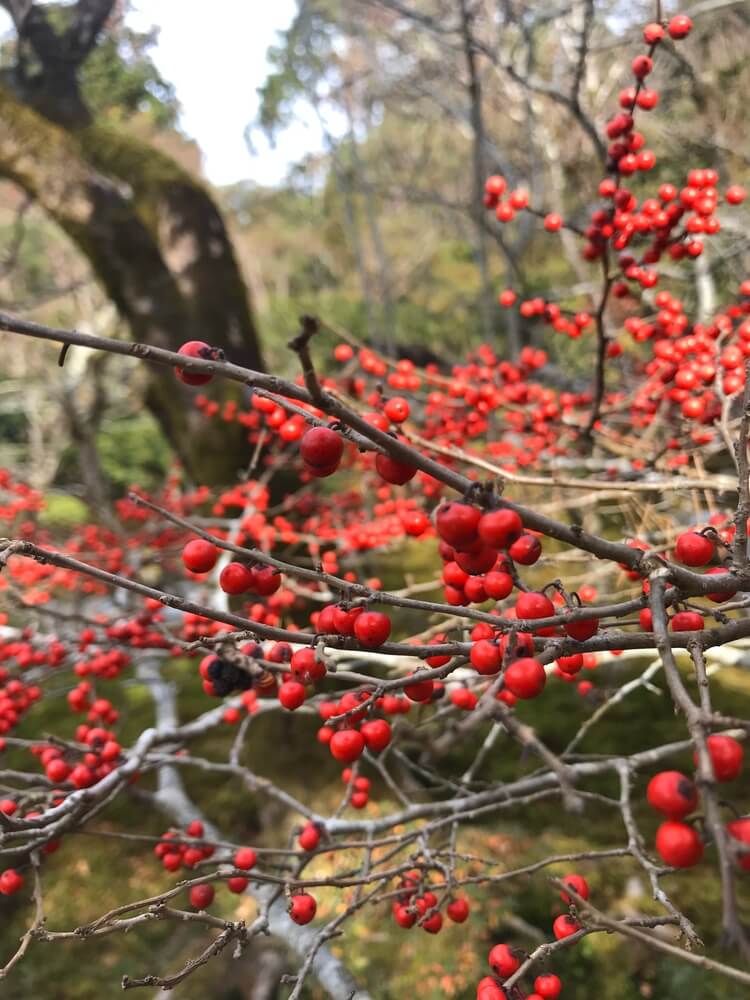
Japanese Winterberry, including hybrids like Sparkleberry (a cross between Ilex verticillata and I. serrata), brings the best of both worlds with faster growth and earlier berry production than pure native species. Sparkleberry is a vigorous grower that can reach 10 to 12 feet tall (roughly) and wide with an upright form, producing generous quantities of large, brilliant red berries that catch the winter sun beautifully. These hybrids often fruit heavily at a younger age than the straight species.
- USDA Growing Zones: 5 through 8. Most cultivars are hardy to zone 5. Some to zone 4 with protection.
- Fruit Season: Autumn through mid-winter.
- Yield: Moderate to high. Varies by cultivar. Hybrids are often hefty.
- Supports: Robins, waxwings, and other fruit-eating birds. Also attracts pollinators. Berries are often consumed faster than native I. verticillata.
Apollo is the pollinator of choice for Sparkleberry and other late-blooming Japanese hybrids.
Winter Red
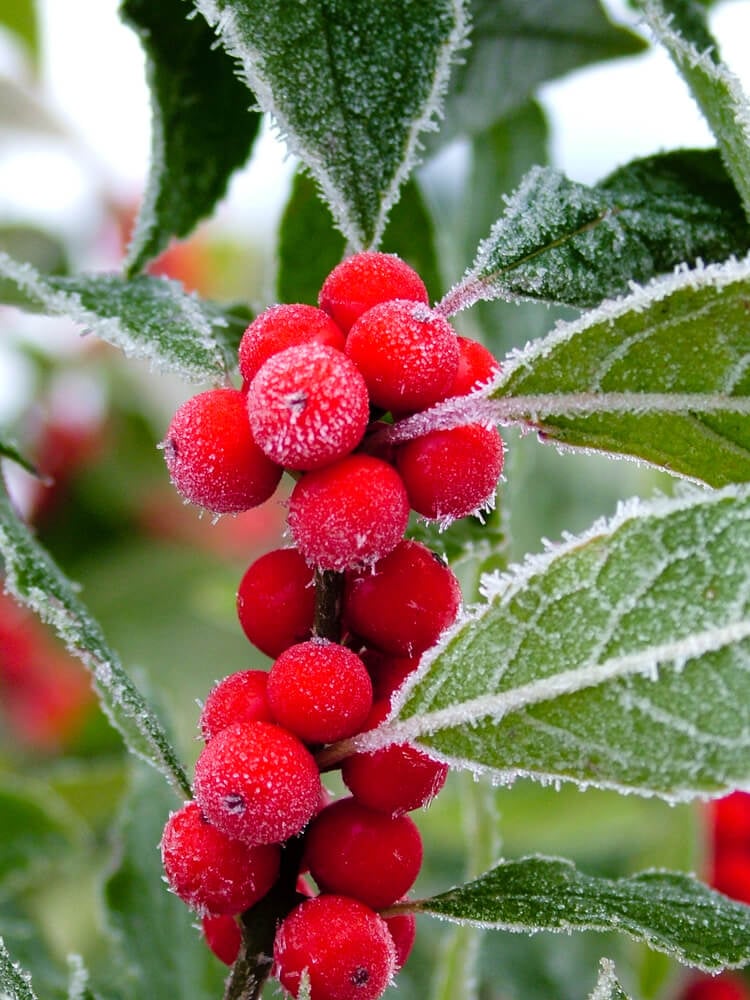
Winter Red is the gold standard of winterberries and one of the most popular cultivars grown commercially for good reason. This upright female grows 6 to 9 feet tall with abundant, long-lasting, bright red berries (about 3/8-inch) that remain vivid throughout winter and are exceptionally showy in the landscape.
- USDA Growing Zones: 3 through 9.
- Fruit Season: Autumn through late winter/early spring (one of the longest-persisting red cultivars).
- Yield: Very high. Outstanding heavy crop of bright red 3/8-inch berries.
- Supports: Robins, bluebirds, cedar waxwings, cardinals, catbirds, thrushes. Widely considered one of the very best winterberries for bird attraction.
Match Winter Red with late-blooming Southern Gentleman, Apollo, or Raritan Chief for perfect pollination timing and prepare for a truly spectacular winter display.
Read More – How To Grow Epic Fig Trees From Seeds Or Cuttings – The Ultimate Guide!
The 3 Biggest Winterberry Blunders (That’ll Make You Cry In December)
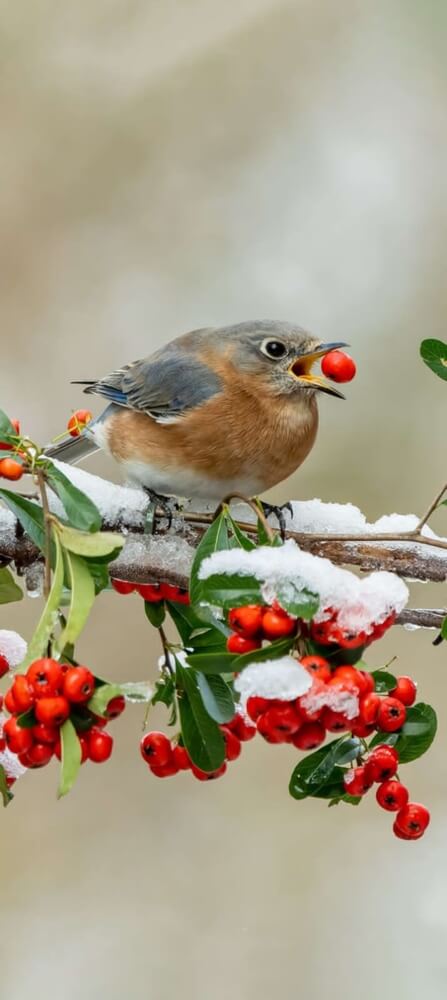
Winterberries are usually one of the easiest landscape shrubs. Once they settle in, you can forget about them and let the birds have free lunch. That said, these three winterberry blunders are the most common we find.
Poor Pollination
The biggest heartbreak of all? Planting only one winterberry or, even worse, accidentally buying all females because they’re the pretty ones at the nursery. Winterberry is dioecious! That means you absolutely need both male and female plants to get winterberries.
Always plant at least one male pollinator like Jim Dandy or Southern Gentleman for every 5 to 10 females, and make sure their bloom times overlap. The male doesn’t need prime real estate since it won’t produce berries, so tuck it somewhere practical but within range.
Overly Dry Soil
The second killer mistake is planting winterberry in that perfect, well-drained garden soil you’ve worked so hard to create. Here’s the thing. Winterberry is a swamp native that naturally grows in wetlands and along streambeds. It actually loves wet feet and will sulk, struggle, and potentially die in average or dry garden soil.
Drought stress is a top killer of new winterberry plants, and it can cause established plants to drop their berries before they even color up. If you don’t have a naturally boggy spot, be ready to baby your winterberries with consistent watering for at least the first 2 to 3 years, and keep a thick layer of mulch around them to retain moisture.
Give them acidic, consistently moist soil, or prepare for disappointment.
Expecting Your Berry Display To Last All Winter
The third blunder hits you right when you think you’ve finally won. You’ve done everything right. You planted the proper male-to-female ratio, kept the soil moist, waited patiently for years, and finally, your winterberry is absolutely loaded with brilliant red berries that have been glowing like tiny beacons through November, December, and January.
You’re smugly admiring your winter masterpiece, taking photos for Instagram, showing off to the neighbors. Then comes a stretch of mild weather in late winter, the berries soften up after a few freeze-thaw cycles, and you wake up one February morning to discover that the robins, cedar waxwings, and every other bird in the county have descended like a feathered locust swarm and stripped your shrubs completely bare in 48 hours flat. It’s nature’s cruelest bait-and-switch.
The good news? You got months of stunning display before the great bird feast. The bad news? Don’t count on those berries lasting clear through to spring. Your pro move here is to plant extra shrubs so that there’s enough visual impact even after the birds take their share, make peace with the eventual stripping (it’s literally why you planted a native shrub, right?), or enjoy the fact that your yard becomes the hottest bird buffet in town every late winter.
At least the wildlife is thriving. That’s something worth celebrating. For sure!
Read More – The Ultimate Guide To Growing Nectarine Trees In Your Backyard! (From Seeds Or Grafts!)
Conclusion
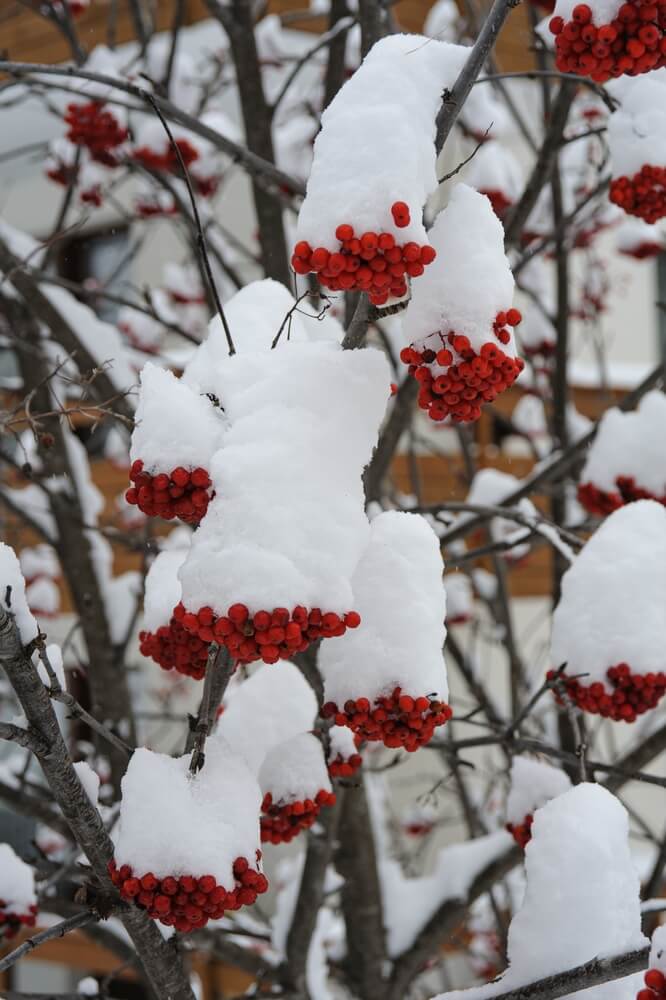
Winterberry shrubs are perfect for nature lovers who adore native plants. They’re excellent for homesteaders who don’t mind sharing the berry bounty with birds. And winterberry is definitely ideal for those who understand that the best winter displays come from planning and respecting each plant’s actual needs.
Do that, and winterberry will reward you with years of brilliant winter color that gets better as the plants mature. And it turns your yard into a wildlife haven when everything else is frozen solid. Now get planting before another winter passes you by!
Thanks for reading.
Have a great day.