21 Microgreens To Grow Indoors For Fresh, Nutritious Food All Winter!
Welcome! This article contains affiliate links, meaning I get a commission if you decide to make a purchase through my links, at no extra cost to you.
Winter hits hard. When the cold settles in and your outdoor garden goes dormant, grocery prices decide to go absolutely wild. A bag of salad greens that cost three dollars last year now runs you six or seven, and forget about fresh herbs unless you want to take out a small loan. Here’s the good news. You can fight back with a sunny windowsill, a few trays, and some seeds that cost pennies per pound. Microgreens are the ultimate winter weapon for self-reliant families. We know it’s tricky to figure out where to start. So, we’re sharing the top 21 microgreens that are easiest to grow.
We’ll also share a quick cheatsheet on growing microgreens. (It’s the easiest way to start indoor growing.)
Sound good?
Then let’s plant some indoor greens!
Before Choosing Microgreens – Read These Instructions!
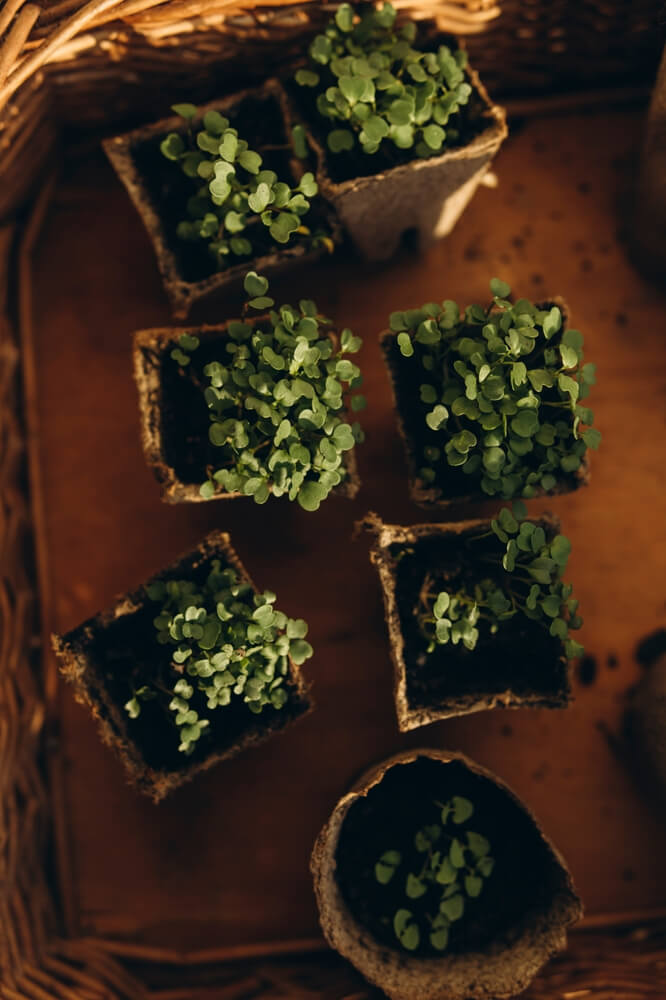
Growing microgreens is dead simple. Almost every variety needs 6 to 7 hours of light daily (a sunny windowsill or cheap grow light works great), water when the soil feels dry, and decent air circulation to prevent mold.
Most indoor microgreen crops on this list are ready to harvest and eat in roughly 1 to 2 weeks. They’re easily one of the fastest crops you can grow.
Use a shallow tray with drainage holes, quality potting mix, or a grow mat, and sprinkle seeds densely but not piled up. Mist gently until germinated, then water from below once they’ve sprouted.
Harvest with clean scissors when the first true leaves appear. Then rinse, pat dry, and eat immediately! You can also store it in the fridge for up to a week.
That’s it. You’re now a microgreens grower.
So now, let’s explore the 21 best microgreen crops for you to grow in the first place.
Shall we?
21 Best Microgreen Crops For Growing Indoors – Beginner Friendly!
Growing microgreens is surprisingly easy. The trickiest part is choosing the best crops. We can’t choose for you. But we can show you 21 of our favorites. 🙂 Here they are.
1. Clover
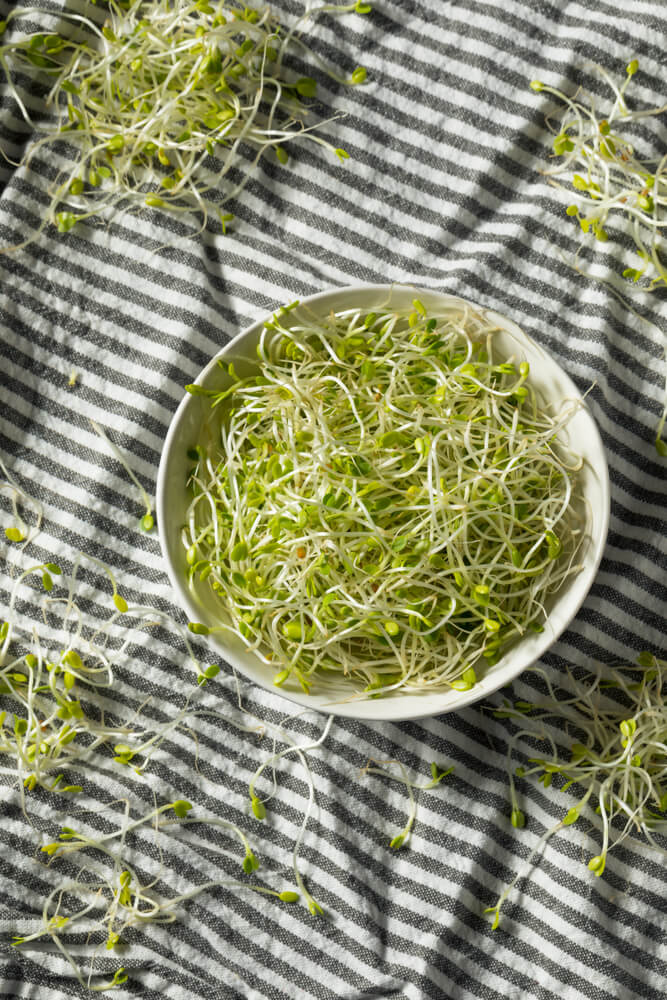
I love clover microgreens! They’re a forgiving crop perfect for beginners. They’re also reliable sprouters. They can grow even if conditions aren’t ideal. And best of all, they grow tender, mild, and yummy greens. You can cook them in just about any dish you want without overpowering other flavors.
- Best Way To Eat: Chopped into fried eggs, sprinkled over fresh salads, or added to sandwiches for extra crunch.
- Flavor: Mild, slightly sweet, fresh “green” flavor that doesn’t overpower other ingredients.
- Difficulty: Very beginner-friendly. Germinates quickly. Tolerates minor watering and light mistakes.
Clover is also incredibly affordable to grow since the seeds are cheap. And you get a dense harvest from each tray.
2. Fenugreek
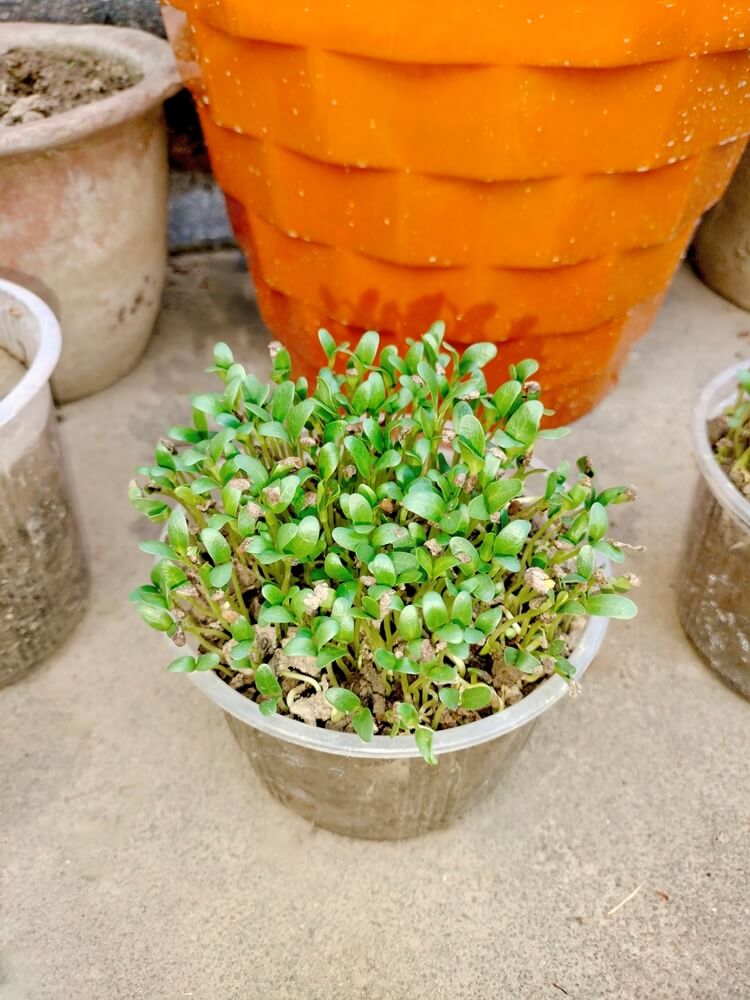
Fenugreek microgreens offer a delicious curry and maple aroma to your kitchen. They’re ideal for home cooks who love bold flavors. These greens pack a serious nutritional punch and have been used in traditional medicine for centuries. The intense, aromatic flavor means a little goes a long way, so one tray can season multiple meals.
- Best Way To Eat: Stirred into curries, scattered over rice, or added to savory broths and lentil soups.
- Flavor: Strong, aromatic, slightly bitter-sweet flavor with a maple and curry edge.
- Difficulty: Intermediate. Flavor is intense. And germination prefers consistent warmth and moisture.
Remember, they prefer consistent warmth and moisture! So they’re better suited for growers who’ve already had a few successful harvests under their belt.
3. Black Lentils
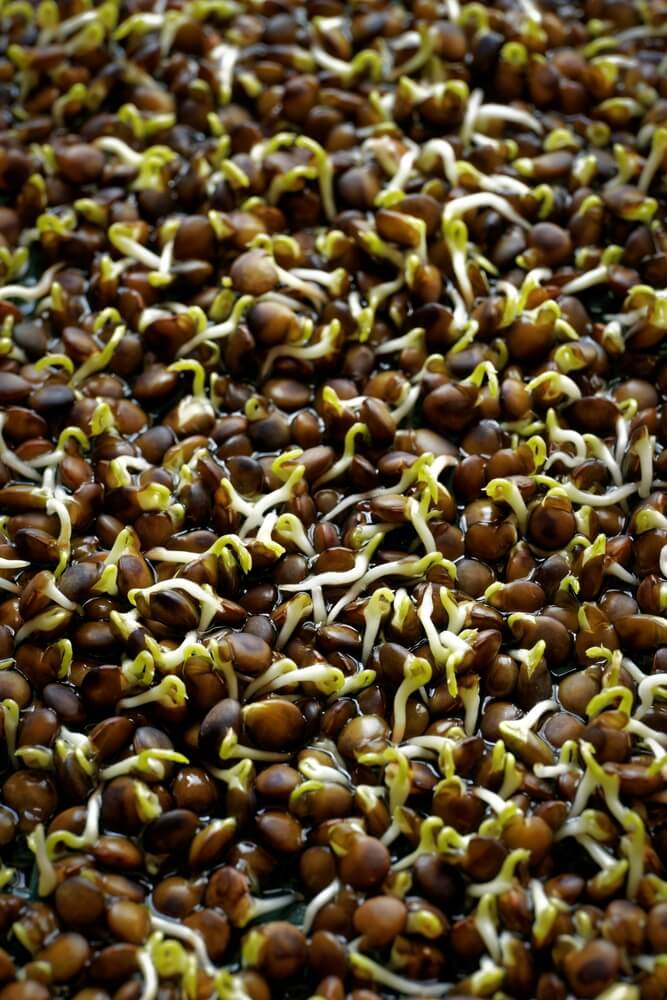
Black lentil microgreens are an excellent choice for homesteaders. They’re easy to grow and tremendously nutritious. Black lentils also sprout readily. They never require fancy equipment or perfect conditions. The mild, earthy flavor makes them versatile enough to add to nearly any meal without much thought.
- Best Way To Eat: Tossed into salads, folded into grain bowls, or added to soups at the end for texture.
- Flavor: Mild, earthy, and slightly nutty, similar to other lentil sprouts.
- Difficulty: Beginner-friendly. They’re easy to sprout. But, they also benefit from even moisture and decent drainage to avoid mold.
These are also among the most cost-effective microgreens, since lentil seeds are inexpensive and widely available at any grocery store.
Read More – 21 Best Succulent Plants Perfect For Growing Indoors In Pots Or Containers
4. Basil
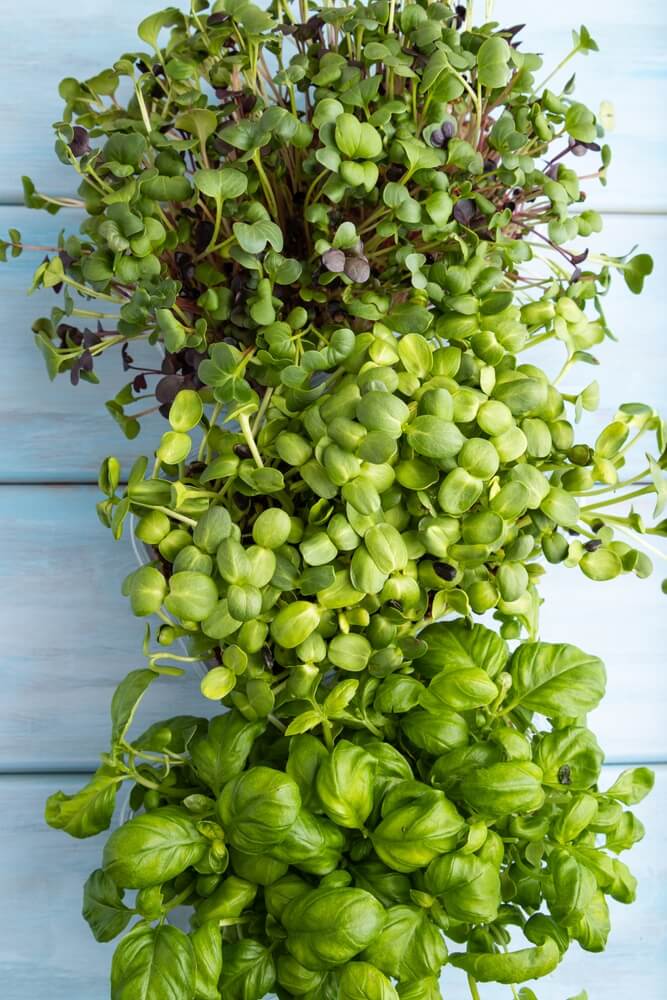
Basil microgreens let you capture classic Italian herb flavor year-round, even when your outdoor garden is buried under snow! They take longer to grow than brassicas. And they need warmer temperatures and steady light. But the payoff is worth it for fresh pesto and pizza toppings in January.
- Best Way To Eat: Sprinkled over pizza and pasta, blended into quick pesto, or scattered on tomato salads.
- Flavor: Classic sweet basil aroma. Has a warm, peppery, clove-like finish.
- Difficulty: Intermediate. Slower to grow and prefers a warmer spot and steadier light than hardy brassicas.
These work beautifully as a cash crop, too, since restaurants pay premium prices for fresh basil microgreens.
5. Bok Choy
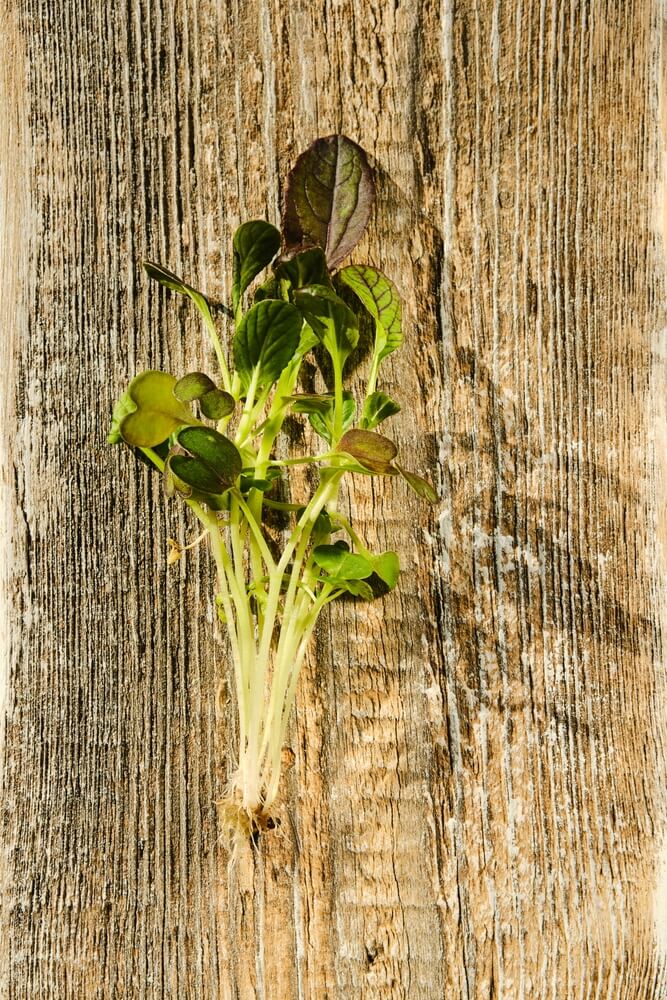
Bok choy microgreens offer a gentle cabbage sweetness, with thick, juicy stems that add real substance to meals. They’re forgiving enough for beginners but reward attention with especially tender, crisp growth. These greens are perfect for anyone trying to grow fresh vegetables in small spaces since they produce a ton of edible greens in a tiny space.
- Best Way To Eat: Stir-fries, noodle bowls, or crunchy slaws.
- Flavor: Mild, juicy brassica. Has a gentle cabbage-like sweetness.
- Difficulty: Beginner-friendly. Fairly forgiving. Rewards consistent moisture and light, with thick, tender stems.
Bok choy microgreens have a mild flavor. It honestly tastes delicious no matter how you cook and serve them.
6. Beets
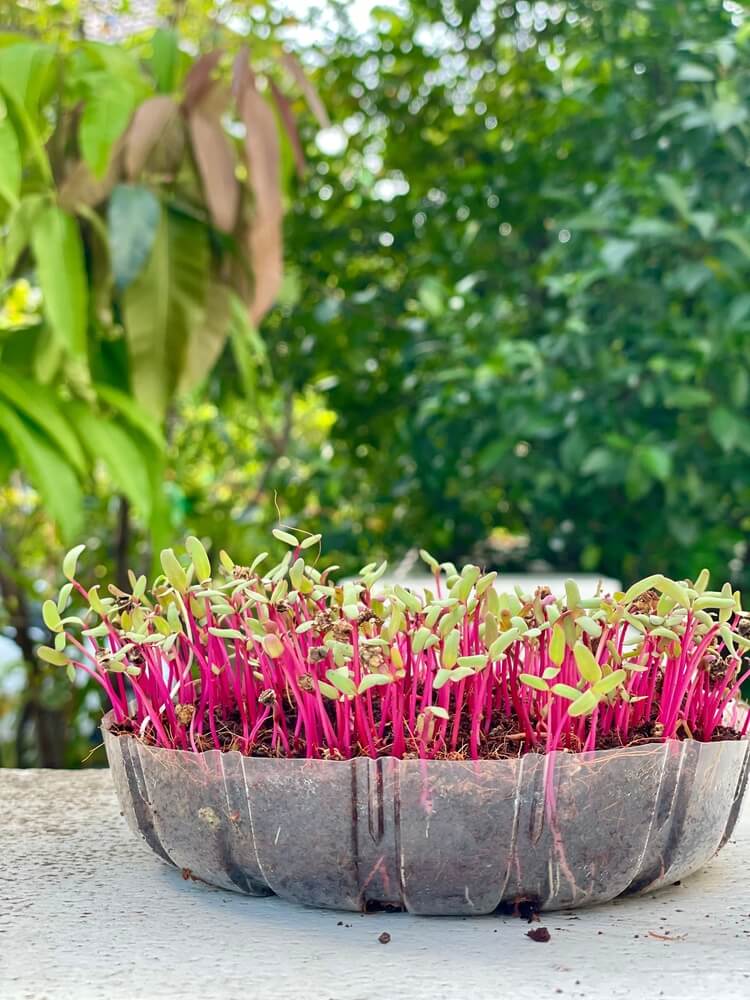
Beet microgreens are stunning on the plate! Notice their deep red stems. Their fancy look helps you feel like a world-class chef when making homemade goodies. Beet microgreens also bring an earthy sweetness we associate with beets. But without the dirt-stained hands and long growing season.
- Best Way To Eat: Used as a colorful topping for salads, grain bowls, and avocado toast.
- Flavor: Earthy and sweet.
- Difficulty: Beginner-friendly. Seeds germinate more slowly. They also prefer a slightly deeper medium.
Once your beet microgreens are up and running, they grow reliably and add profound visual impact to any dish you’re serving.
Read More – Beat The Winter Blues With These 11 Flowers You Can Start Indoors In January!
7. Rainbow Chard
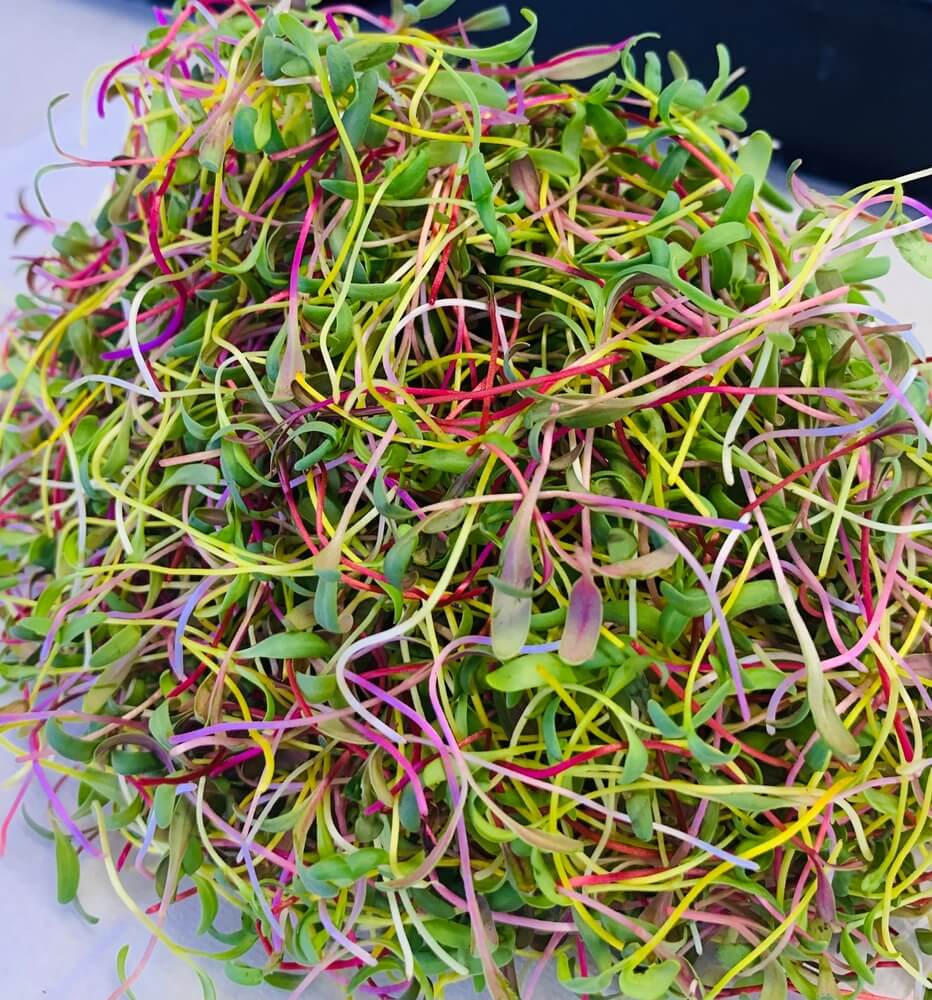
Rainbow chard microgreens are another favorite. They’re one of the most beautiful microgreens you can grow indoors, for sure. They have vividly pink, orange, red, or yellow stems. They have a yummy spinach-like flavor that you can use for omelets, sandwiches, salads, and soups. They’re also tremendously forgiving when growing indoors.
- Best Way To Eat: Added to omelets, soups, wraps, and grain bowls.
- Flavor: Mild, spinach-like flavor. Has a gentle earthiness and colorful stems.
- Difficulty: Beginner-friendly. Sprouts steadily.
Rainbow chard is easily one of the most beautiful crops you’ll grow indoors – microgreens or not!
8. Wheat (Wheatgrass)
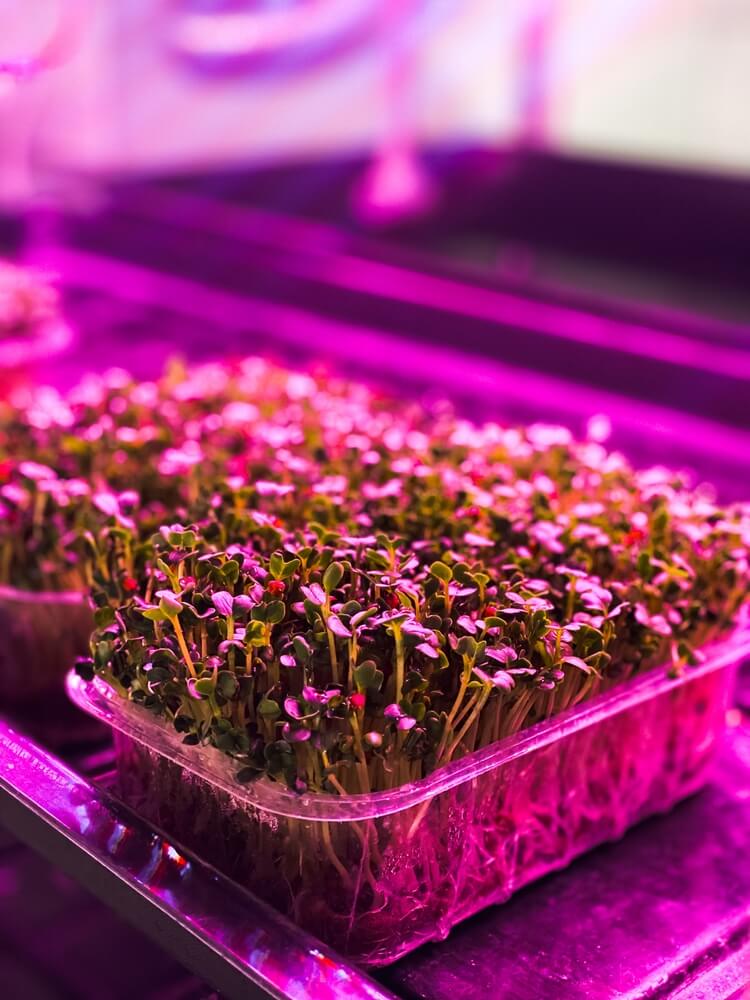
Wheatgrass is the classic health tonic that’s dead simple to grow at home for a fraction of what juice bars charge. Large seeds germinate fast and grow vigorously with minimal fuss. Fresh wheatgrass juice has that intense green flavor that serious health enthusiasts crave first thing in the morning.
- Best Way To Eat: Juiced in small shots or blended into smoothies. Usually not eaten whole.
- Flavor: Strong grassy, slightly sweet “green juice” flavor.
- Difficulty: Very beginner-friendly. Large seeds, easy germination, and fast growth.
Wheatgrass microgreens also make a superb fodder crop for your chickens and rabbits.
9. Red Cabbage
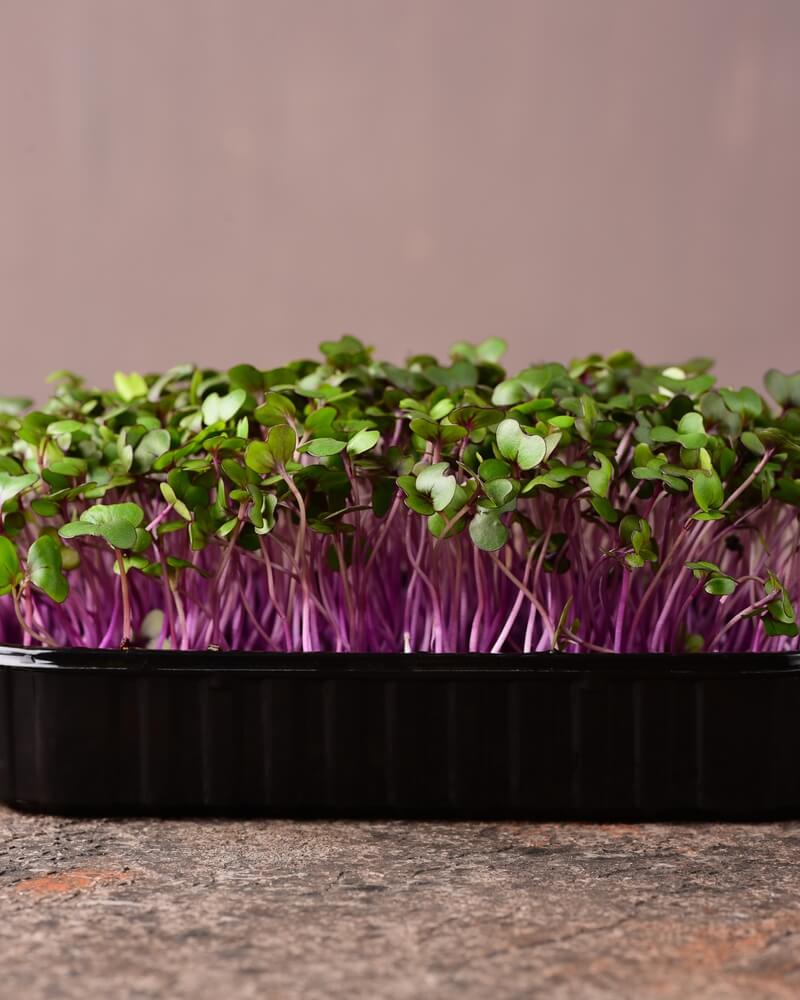
Red cabbage microgreens have two standout benefits. Reliable germination and vibrant purple color. They grow fast enough that you’ll see results quickly. The mild, slightly peppery flavor works well with everything from tacos to burger toppings.
- Best Way To Eat: Sprinkled over tacos, burgers, and salads.
- Flavor: Mild. Slightly peppery brassica flavor. Has sweet notes.
- Difficulty: Beginner-friendly. High germination and fast growth.
These are excellent for anyone selling microgreens at farmers’ markets, as the color immediately catches the eye.
Read More – 17 Best Winter Herbs For Growing Indoors During The Cold And Chilly Season!
10. Sunflowers
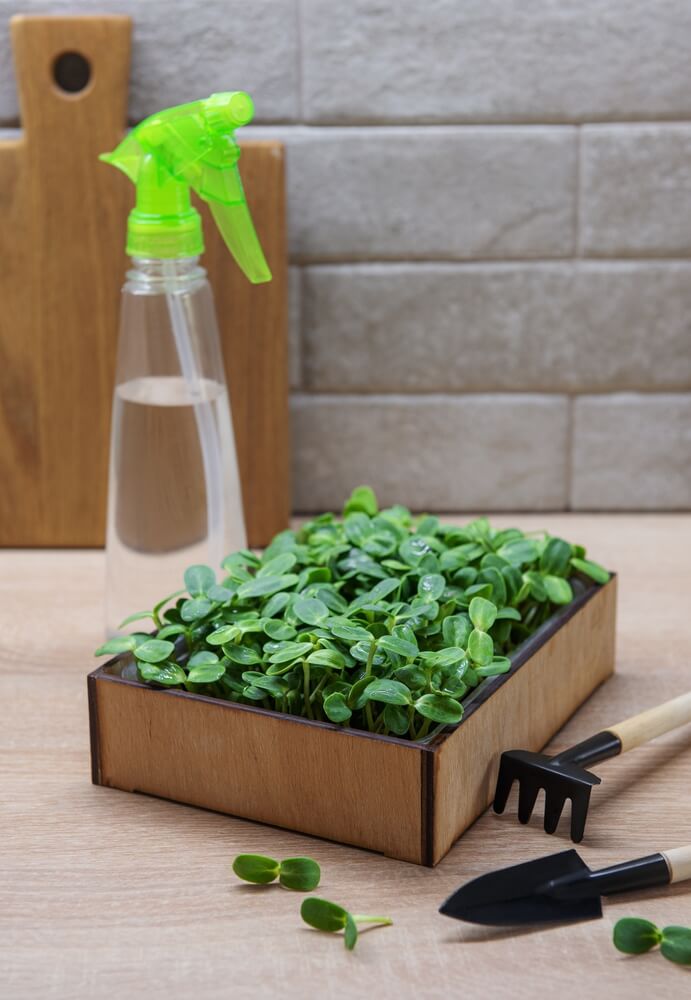
Sunflower microgreens are my favorite option overall. They’re substantial, easy to germinate, and filling. I love the thick and crunchy stems! They have a nutty sunflower seed flavor that’s familiar and appealing to almost everyone. The shells need to be removed from the seeds before planting, which takes a bit of work, but otherwise they’re incredibly robust and forgiving.
- Best Way To Eat: Eaten by the handful as a snack, or piled onto sandwiches, bowls, and salads.
- Flavor: Thick, juicy, nutty, with a flavor similar to fresh sunflower seeds.
- Difficulty: Beginner-friendly. Needs attention to seed density and hull removal.
Sunflower microgreens are perfect if you want substantial food for your plate. You can harvest thick handfuls that actually contribute to meals, not only flavor them.
11. Cress
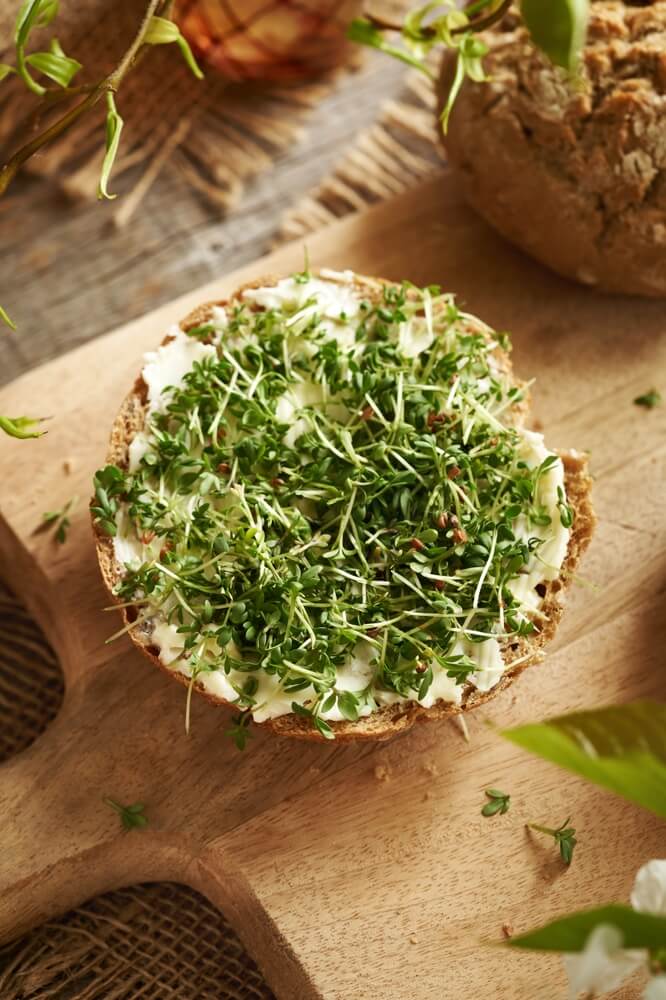
Cress is one of the easiest and fastest microgreens. The punchy, peppery bite rivals wasabi. It adds a kick to bland winter food. And it’s basically impossible to mess up since it germinates nearly anywhere.
- Best Way To Eat: Scattered over egg dishes, potatoes, sandwiches, and soups as a sharp garnish.
- Flavor: Punchy, peppery, mustard-like bite in tiny leaves.
- Difficulty: Very beginner-friendly. One of the fastest microgreens to sprout and harvest.
Cress is the microgreen to grow when you need quick results or want to fill gaps between slower crops.
12. Daikon (Radish)
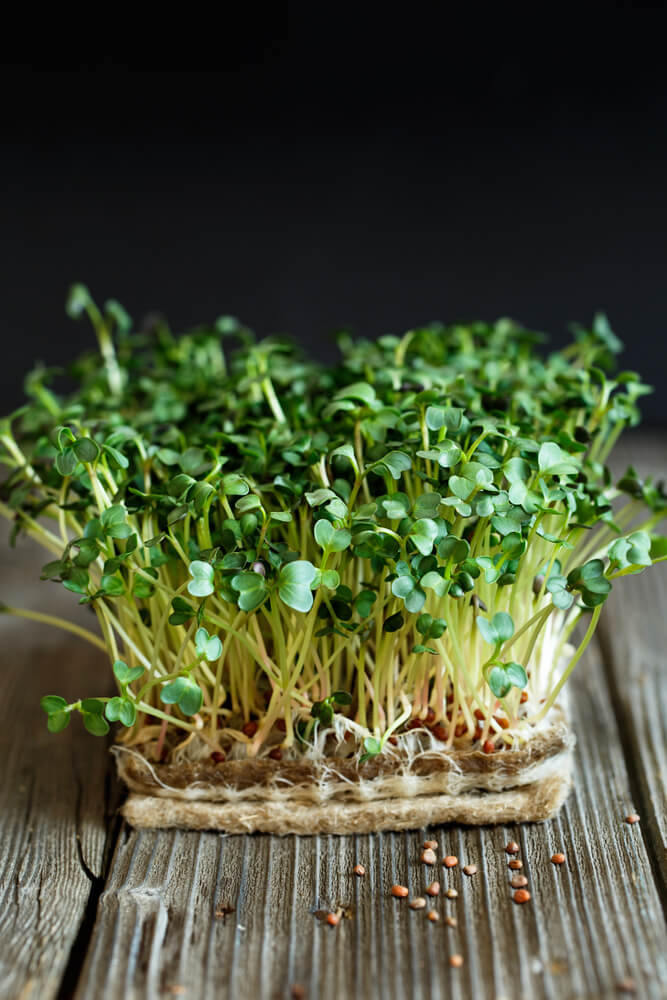
Daikon microgreens are a special type of mini Japanese radish! And, you can enjoy them without needing the garden space that full-sized radishes require. They’re among the most beginner-friendly crops you can grow, sprouting fast and tolerating less-than-ideal setups. The crisp texture and bright flavor wake up tired winter salads and sandwiches.
- Best Way To Eat: Mixed into salads, sushi bowls, and sandwiches.
- Flavor: Spicy, radish-forward flavor. Has a clean, crisp finish.
- Difficulty: Very beginner-friendly. It germinates fast and grows without fuss.
Daikon microgreens are nutritional powerhouses. They pack boatloads of vitamins and enzymes that support digestion.
Read More – How To Start Seeds Indoors Without Grow Lights | Veggies, Flowers, Herbs!
13. Peas
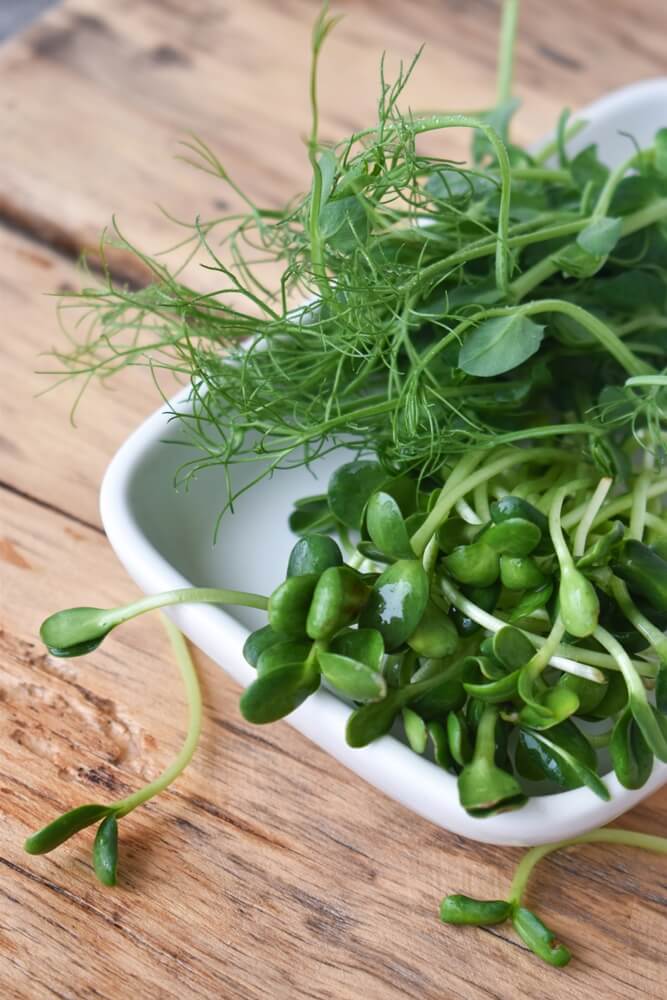
Pea shoots are sweet, crunchy, and beloved by everyone. The large seeds make them easy to handle. And they grow vigorously without much fuss. That classic pea flavor is so appealing, you’ll find yourself snacking directly from the tray.
- Best Way To Eat: Tossed into stir-fries, added to salads, or eaten straight from the tray.
- Flavor: Sweet, crunchy, classic pea flavor that everyone usually loves.
- Difficulty: Very beginner-friendly! Peas have large seeds, vigorous growth, and are forgiving.
Pea shoots are also among the heartier microgreens. They’re perfect for stir-fries and warm winter dishes!
14. Radish
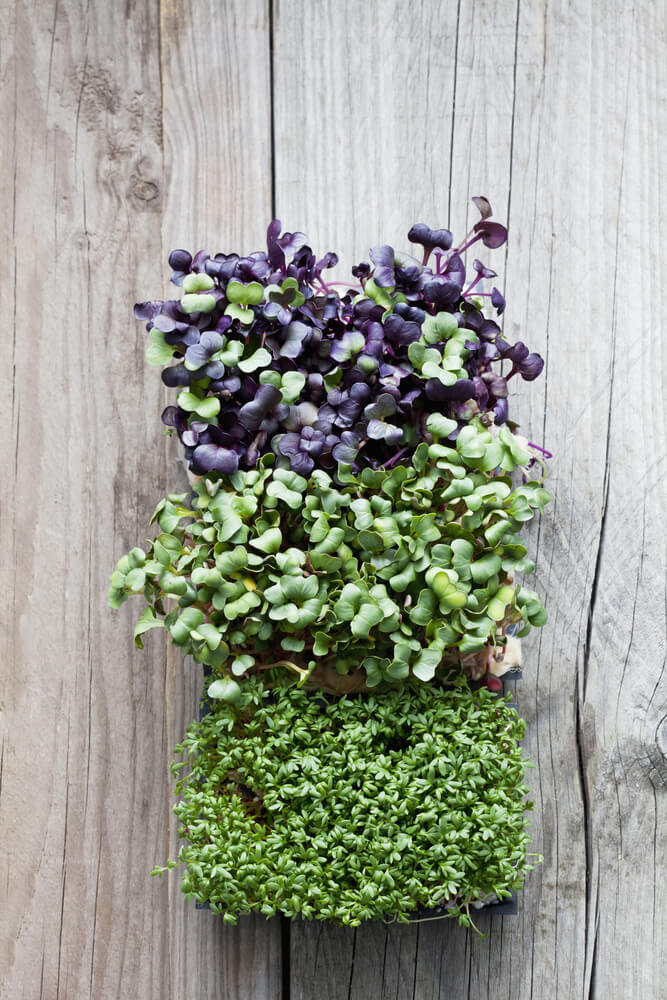
Radish microgreens are epic (and delicious) speed demons. They’re ready to harvest in only a few days. They’re foolproof, easily productive, and satisfying. The intense radish flavor adds punch to rich foods like cream cheese, avocado toast, and fatty meats.
- Best Way To Eat: Sprinkled over tacos, burgers, and salads, folded into cream cheese, and used in dips.
- Flavor: Bold, spicy radish kick in a tender micro-leaf.
- Difficulty: Very beginner-friendly; among the fastest and most reliable microgreens to grow.
These are perfect for continuous growing since you can start a new tray every few days and never run out.
15. Broccoli
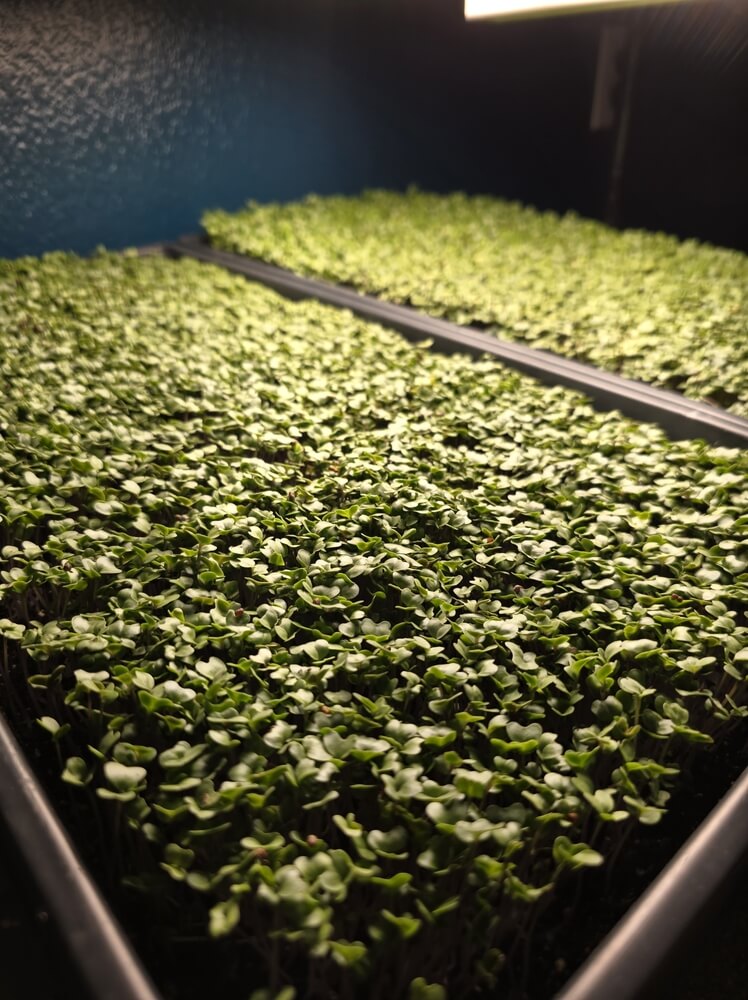
Broccoli microgreens are nutritional powerhouses with many little-known benefits. They’re rich in sulforaphane. It’s a compound linked to profound health benefits, including cancer prevention, heart health, and reduced inflammation. They grow like clockwork, with near-perfect germination rates. The mild, slightly earthy flavor blends into nearly anything, making them perfect for sneaking extra nutrition into family meals.
- Best Way To Eat: Stirred into soups and ramen, or added fresh to salads and sandwiches.
- Flavor: Mild, slightly earthy brassica flavor that blends into almost anything.
- Difficulty: Beginner-friendly. Very high germination and steady growth with basic light and moisture.
Broccoli microgreens are also among the most researched for health benefits. So you’re growing something with real scientific backing.
Read More – How to Grow Your Own Mango Tree From Seed In 6 Easy Steps. Indoors or Outdoors!
16. Amaranth
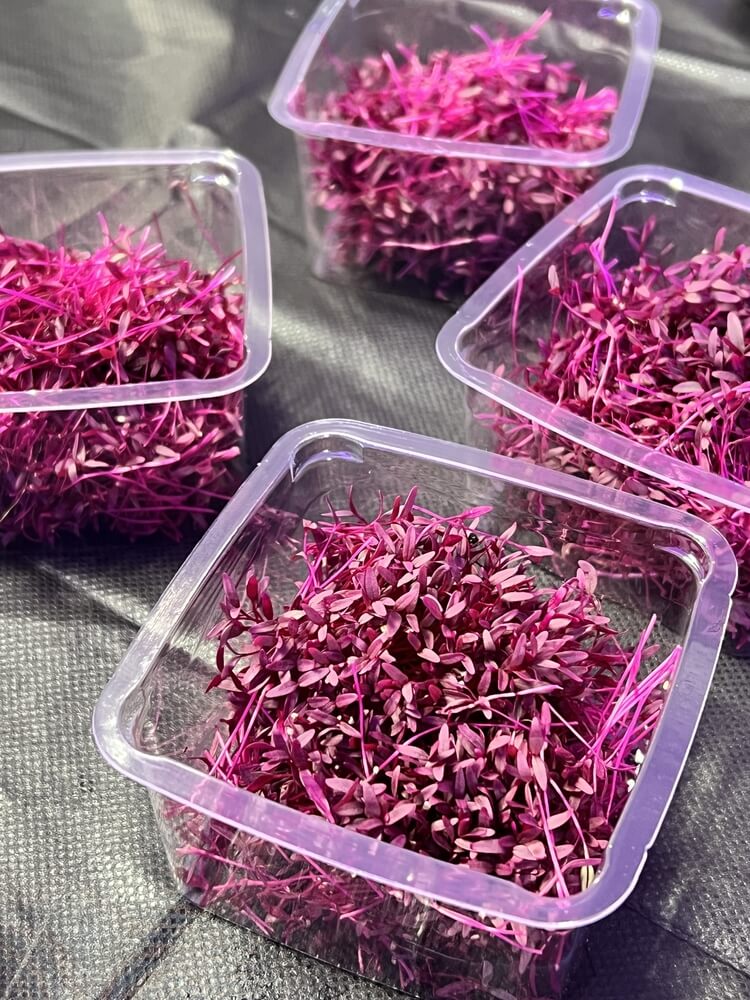
Amaranth microgreens are another unique option if you want an indoor winter crop that is delicious and also beautiful. You’ll love their magenta and purple foliage. The mild and nutty flavor never overwhelms. The visual drama of the foliage does all the talking!
- Best Way To Eat: Sprinkle on soups, eggs, tacos, and salads.
- Flavor: Mild. Slightly nutty taste.
- Difficulty: Intermediate. The tiny seeds need even sowing, good light, and warmth.
Amaranth microgreens are another beautiful crop that will add style to nearly any homemade dish.
17. Carrots
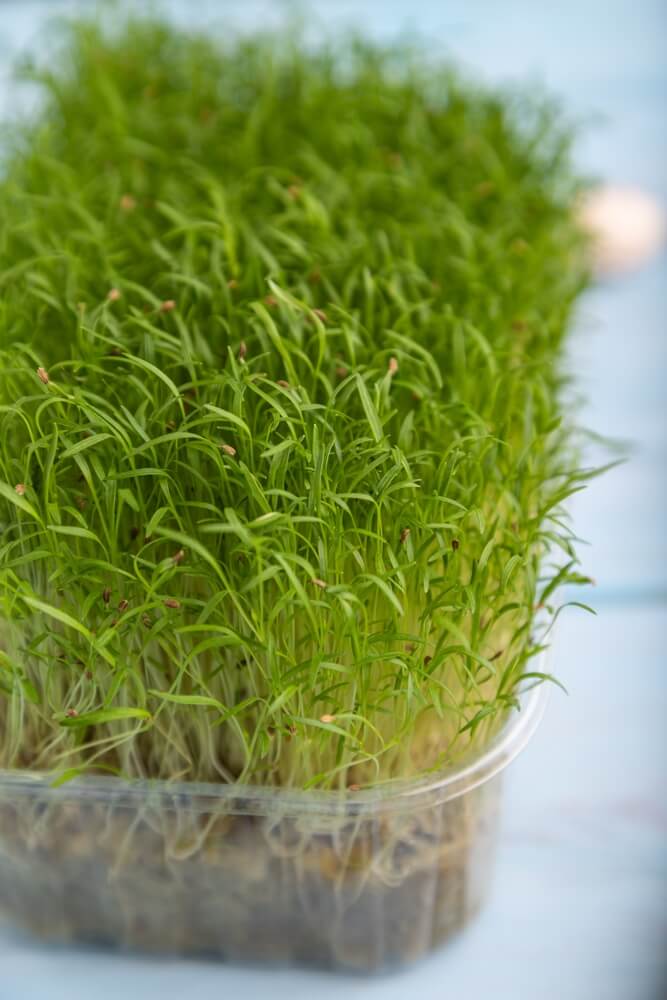
Carrot microgreens offer a feathery texture and a subtle carrot-top flavor. They’re not perfect, though! Carrot microgreens are slower and more finicky than brassicas. They need patient watering and steady conditions. The delicate seedlings can also die if they dry out. So they’re better for attentive growers.
- Best Way To Eat: Add to salads, soups, and wraps.
- Flavor: Delicate carrot-top flavor with mild sweetness and herbal notes.
- Difficulty: Intermediate. Slower, more finicky germination.
Carrot microgreens are tricker than other microgreens on this list. That said, they offer something unique in flavor and appearance that makes them special for finishing gourmet-style meals at home.
18. Mustard Microgreens
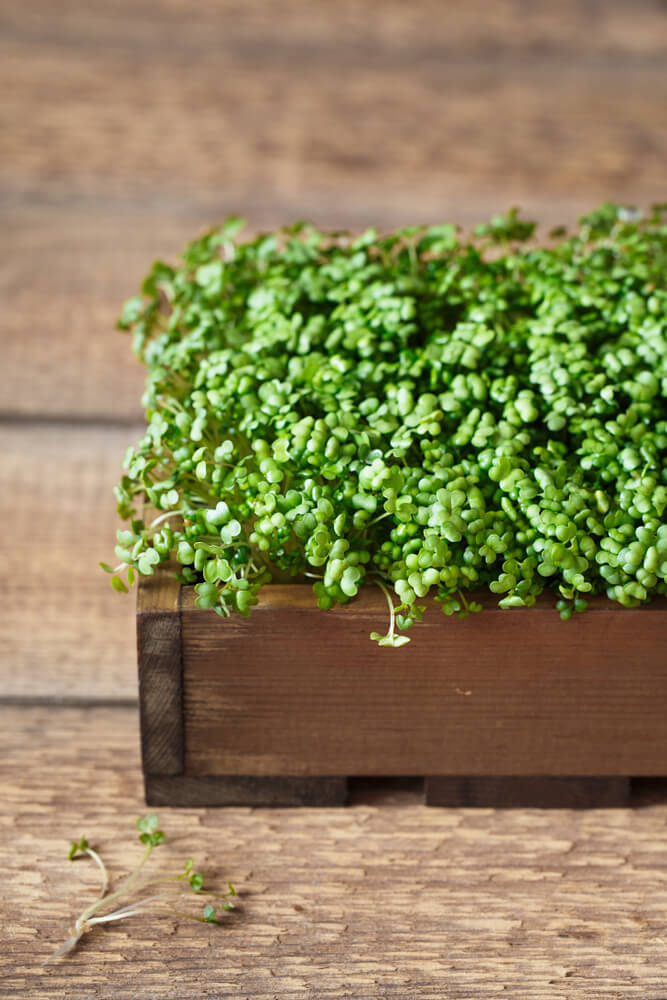
Mustard microgreens pack severe heat with a sinus-clearing punch! It literally rivals horseradish and wasabi. They grow thick and fast. So they’re easy for beginners to cultivate successfully. A little goes a long way! So one tray serves multiple meals.
- Best Way To Eat: Use mustard greens sparingly on sandwiches, burgers, roasted vegetables, and meats.
- Flavor: It adds a dash of heat! It’s like horseradish.
- Difficulty: Beginner-friendly. Grows fast and thick. The intense flavor goes a long way. Use sparingly!
Mustard microgreens are perfect for anyone who loves bold flavors. Add a pinch if you’re sick of boring sandwiches, roasted meats, and vegetables.
Read More – How Often to Water Herbs Indoors, Outdoors, and In Pots?
19. Coriander (Cilantro) Microgreens
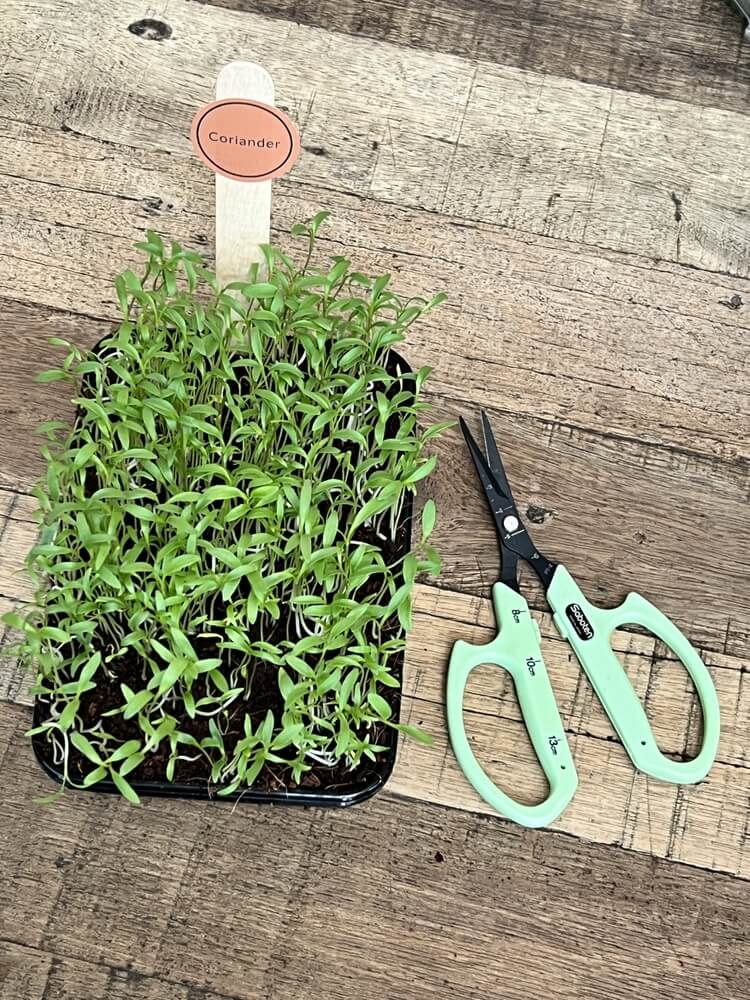
Cilantro microgreens give you a citrusy flavor year-round without bolting or the slow growth of outdoor plants. Germination can be slow and uneven. And they prefer steady warmth. So, they’re better suited for patient growers. The tender microgreens are milder than mature cilantro leaves.
- Best Way To Eat: Scatter coriander microgreens in tacos, curries, soups, and rice dishes.
- Flavor: Bright, citrusy cilantro flavor. Softer and more tender than mature leaves.
- Difficulty: Intermediate. Slow, uneven germination and a preference for steady warmth and moisture.
These are especially valuable for anyone who cooks a lot of Mexican, Asian, or Indian food at home.
20. Kale Microgreens
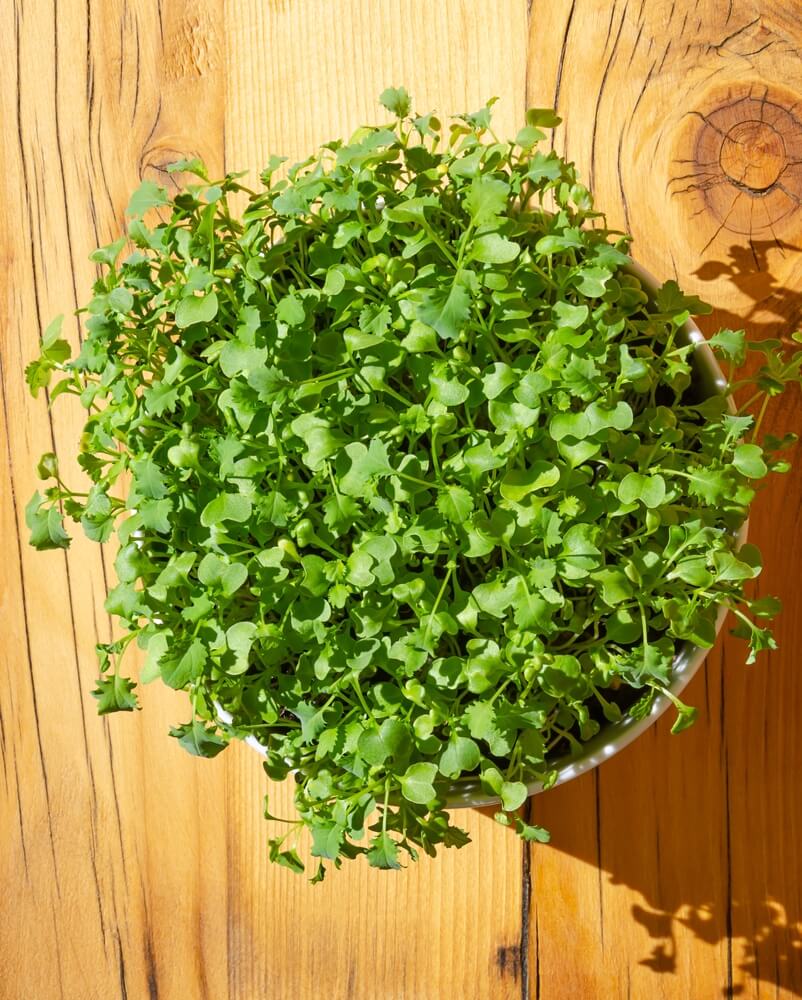
Kale microgreens offer all the nutritional benefits of full-grown kale. And, it fits in a tiny, tender, mild package. Even kale skeptics enjoy it! They germinate reliably and grow well under basic indoor lighting. The slightly sweet brassica flavor is much gentler than that of mature kale. So they work raw in salads or blended into smoothies.
- Best Way To Eat: Mixed into salads, smoothies, and grains.
- Flavor: Mild. Slightly sweet.
- Difficulty: Beginner-friendly. Germinates reliably.
Kale microgreens are perfect for health-focused homesteaders. Even those who hate the bitter taste of mature kale might love kale microgreens. They’re worth trying.
21. Arugula Microgreens
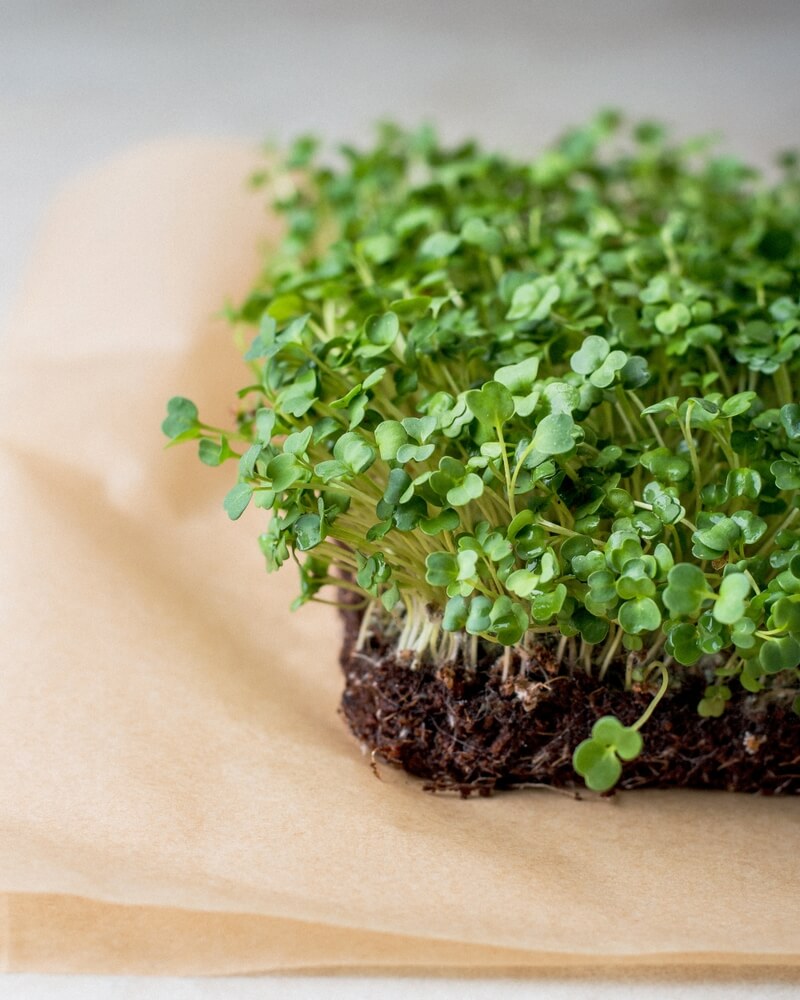
Here’s another excellent microgreen crop for winter growers. Arugula! Arugula microgreens have a peppery and tangy flavor. They germinate super fast and tolerate most indoor growing conditions. Use their sharp taste to pair with pizza, pasta, and creamy dressings.
- Best Way To Eat: Tossed onto salads. Piled on pizza. Layered into sandwiches.
- Flavor: Peppery, tangy, and slightly nutty.
- Difficulty: Very beginner-friendly. Quick to sprout and tolerant of typical indoor conditions.
Arugula microgreens are also cold-hardy! So they’re forgiving if your growing area isn’t perfectly warm.
Read More – The Ultimate Guide to Growing Snake Plants From Seed, Cuttings, or Transplant!
Conclusion
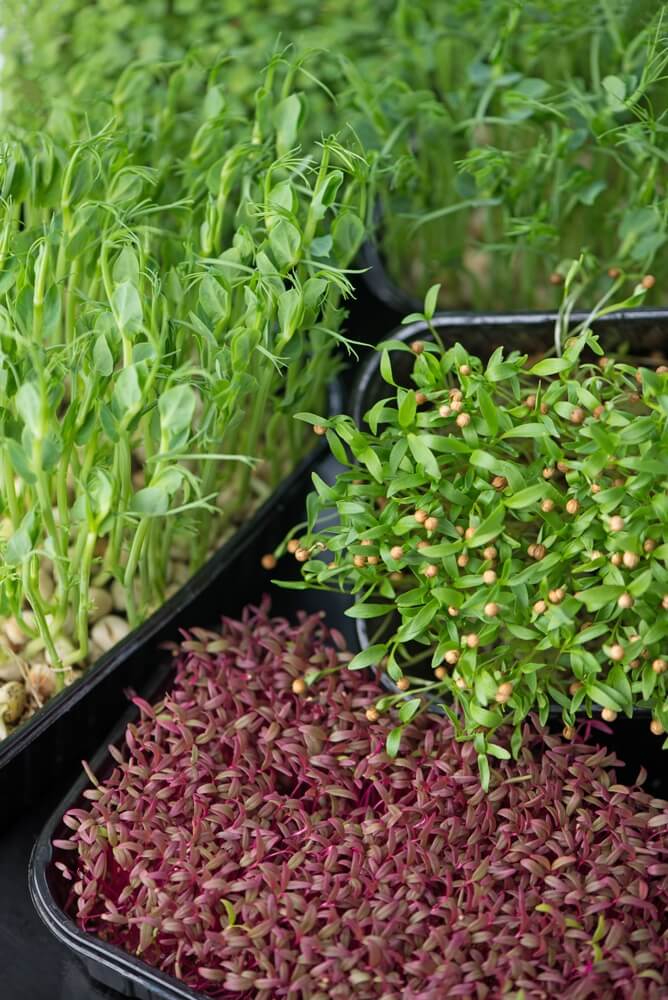
There you have it. Twenty-one different ways to grow nutrient-dense food right on your kitchen counter while winter does its worst outside!
Start with two or three varieties that sound appealing. Get a feel for the rhythm of watering and harvesting. Only then expand your operation as you get more confident.
Before you know it, you’ll have a rotation going! Then, something is always ready to harvest.
You’ll also wonder how you ever survived winter without fresh greens at your fingertips.
Every tray you grow is money saved, nutrition added, and proof that you can take care of yourself! Even when the going gets tough.
Thanks for reading.
Have a great day!