

The 21 Mightiest Chicken Breeds for Free-Range and Foraging Life!
Welcome! This article contains affiliate links, meaning I get a commission if you decide to make a purchase through my links, at no extra cost to you.
Looking for chickens that can handle themselves well on pasture? Then let’s brainstorm the 21 mightiest free-range chicken breeds! These aren’t fancy show chickens. These are the survivors. The wanderers. The tough breeds that’ll turn your grass, bugs, and garden scraps into golden-yolked eggs while barely asking for handouts. If you want a flock that works for a living, these are your champions.
Sound intriguing?
Then let’s discuss the mightiest free-range chickens for any backyard flock.
21 Best Free-Range And Foraging Chickens
These chickens top our list for the most self-sustaining. These birds don’t mind living in your backyard, exploring on their own, and living the rough and tumble life.
1. Sussex
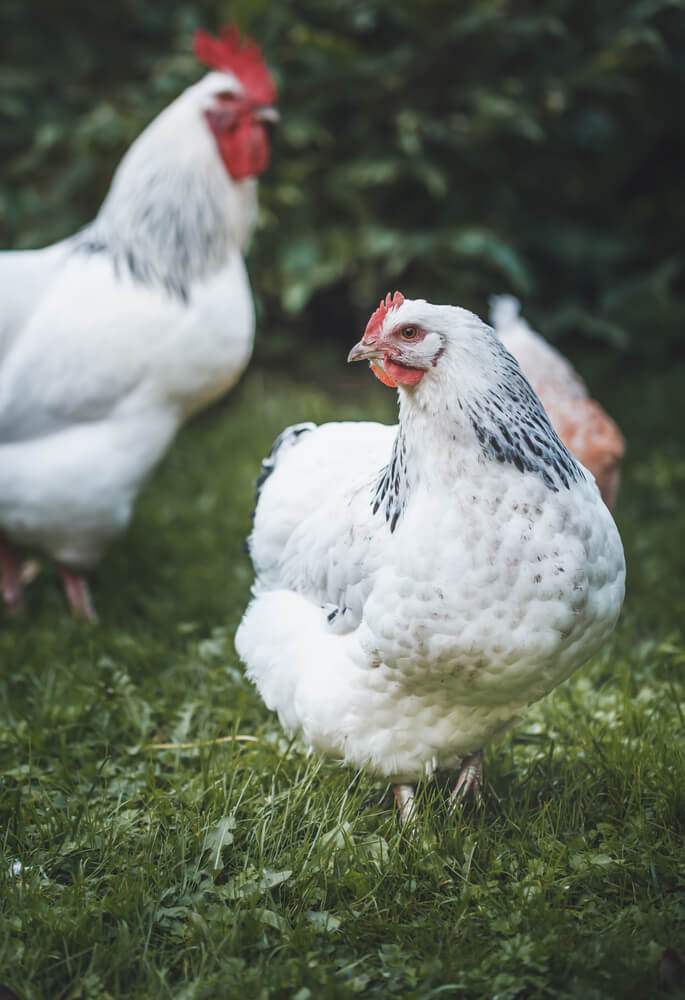
Sussex chickens are a lovely English breed that has been working British farms for centuries. And it shows! Sussex chickens are alert, curious foragers that cover ground efficiently without being frantic. They’re friendly without being needy and adapt to just about any climate. The Light Sussex, with their white bodies and black neck and tail feathers, are especially striking.
- Chicken Size: Hens roughly 6 to 7 pounds. Roosters around 8 to 9 pounds.
- Egg Size & Color: Large light brown or cream eggs.
- Eggs Per Year: Approximately 250 to 280 eggs.
- Super Power: Photogenic workhorse. Beautiful, productive, and built to last.
Sussex chickens are tough enough for commercial production but calm enough for homesteads. They’re the complete package.
2. Rhode Island Red
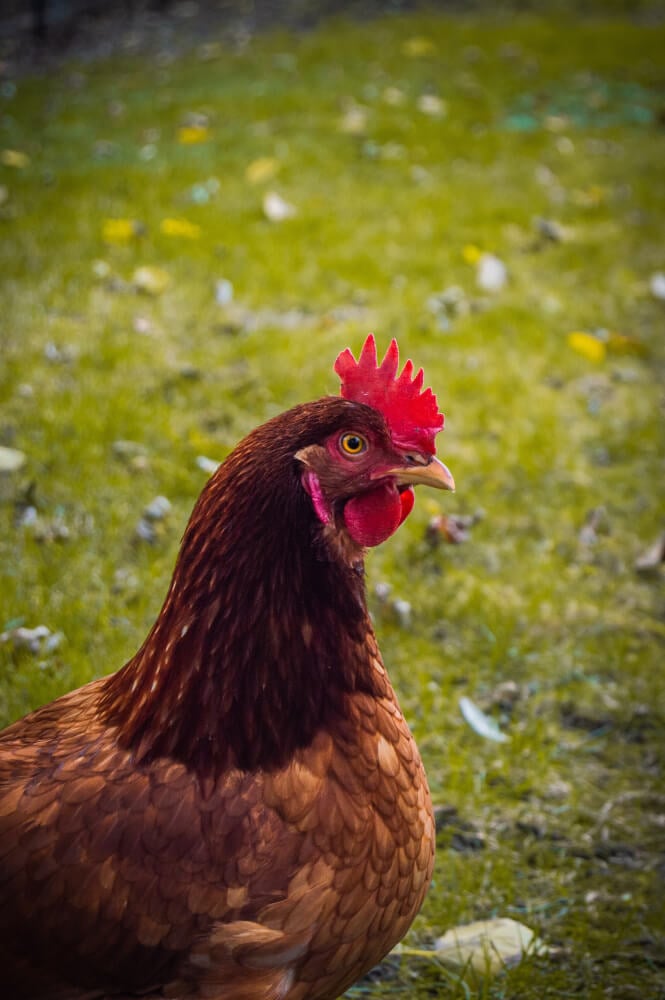
If chickens had a hall of fame, Rhode Island Reds would be charter members. These birds practically built the American backyard flock. They forage relentlessly, tolerate cold winters and hot summers, and lay eggs like it’s their only job. They’re assertive without being mean and adaptable to just about any setup.
- Chicken Size: Hens are about 6 pounds. Roosters weigh roughly 8 pounds.
- Egg Size & Color: Medium brown eggs.
- Eggs Per Year: Expect around 300 eggs.
- Super Power: Egg-laying machine that laughs at rough weather.
Rhode Island Reds are the breed your grandparents probably kept back in the day. And for good reason.
3. Jersey Giant
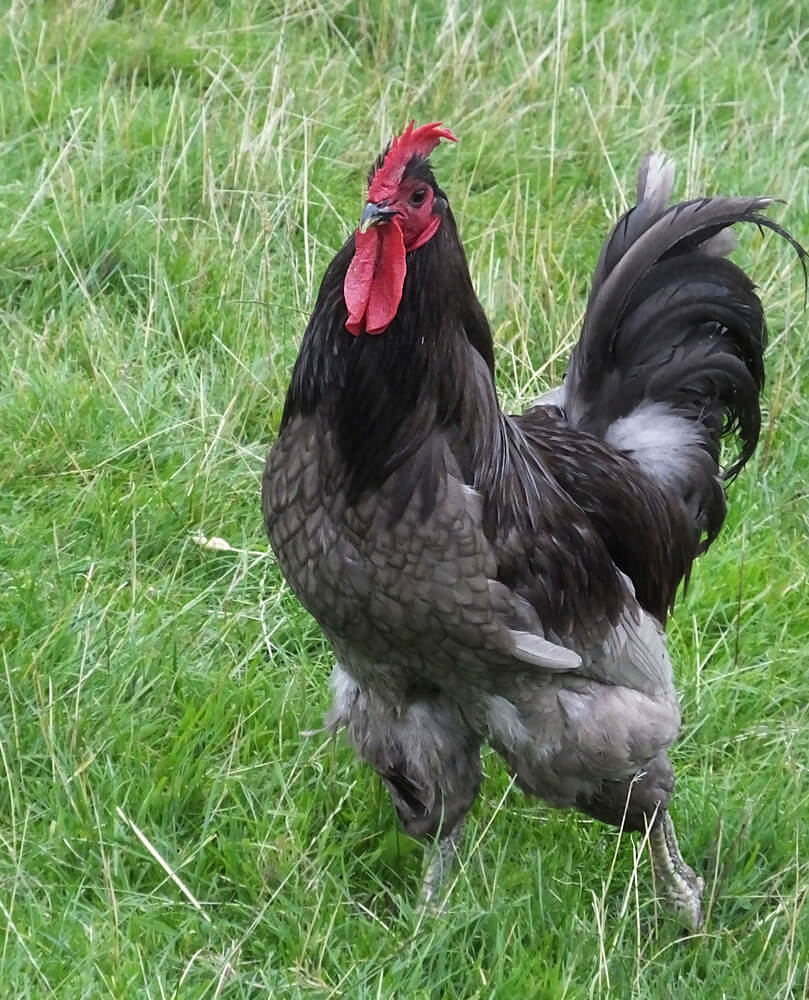
Jersey Giants are massive chickens. They’re easily the largest purebred chickens you can raise. Yet, Jerseys are also surprisingly calm for their size. They’re patient foragers that don’t rush or panic easily. They need space to roam. But they reward you with size, temperament, and steady egg production.
- Chicken Size: Hens approximately 8 pounds. Roosters around 9 pounds.
- Egg Size & Color: Medium brown eggs.
- Eggs Per Year: Roughly 250 eggs.
- Super Power: Calm colossus. Perfect for big hands and bigger appetites.
Jersey Giants are our top pick if you have plenty of acreage and want a free-range bird that loves to stroll about your homestead yard.
Read More – 25 Fluffiest, Cuddliest Chicken Breeds for Your Flock!
4. Leghorn
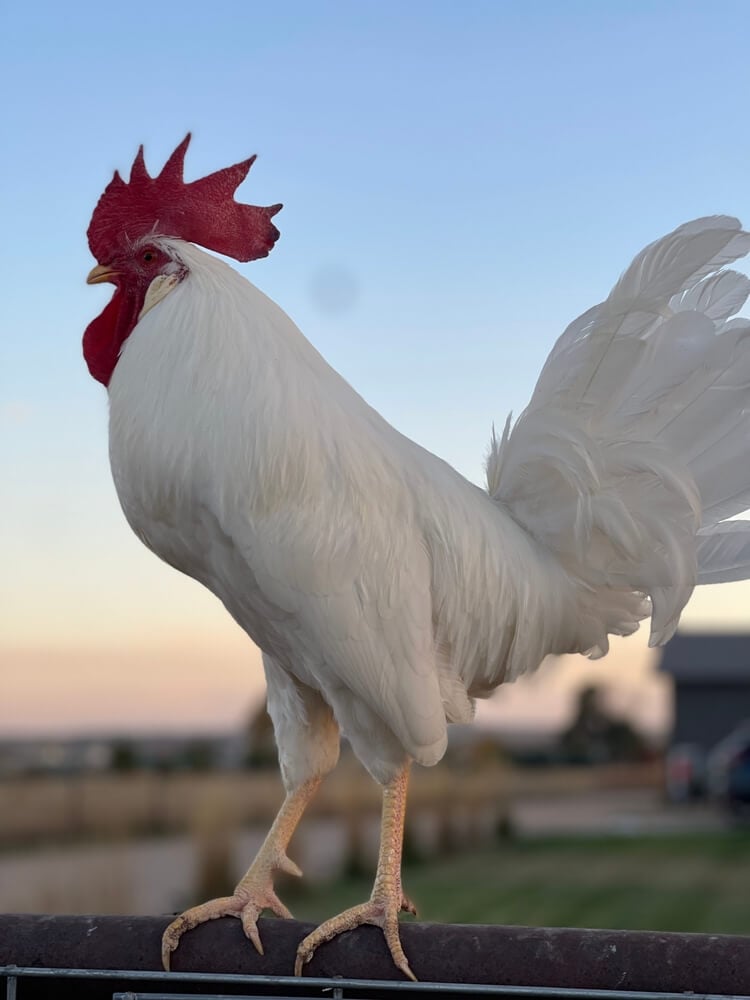
Leghorns are the sports cars (maybe Ferrari) of the chicken world. They’re fast, flighty, and fiercely independent. These birds definitely don’t want your help. They want your pasture! And they’ll strip it clean of insects in record time. They’re not cuddly lap chickens. But if you wish to maximize egg production with minimal feed, Leghorns deliver.
- Chicken Size: Hens roughly 4 to 5 pounds. Roosters are about 6 pounds.
- Egg Size & Color: Medium to large white eggs.
- Eggs Per Year: Expect approximately 280 to 300 eggs.
- Super Power: Feathered Ferrari. Lays relentlessly and runs circles around your pasture.
Leghorns are heat-tolerant and won’t quit laying when
summer hits.
5. Australorp
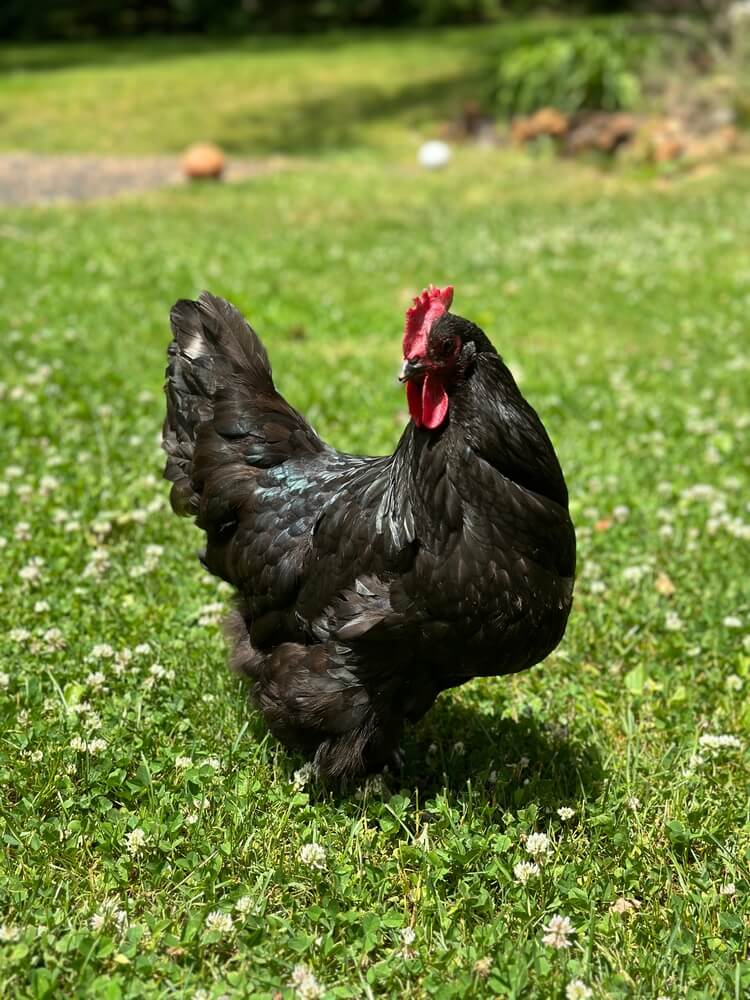
Australian farmers developed this breed to break egg-laying records, and they succeeded. Australorps set the world record as the most eggs laid by a single hen in a year. They’re calm, quiet, and excellent foragers that don’t cause drama in the flock.
- Chicken Size: Hens are about 6 pounds. Roosters weigh roughly 8 pounds.
- Egg Size & Color: Medium brown eggs.
- Eggs Per Year: Around 300 eggs per year.
- Super Power: Silent ninja of the coop. Layers and foragers all in one.
Another cool thing about Australorps is that they’re famous for delicious dual-purpose qualities. Their meat is ample, tender, and flavorful. Their large, brown eggs also have a yummy, creamy texture – especially if you let them forage for bugs, grass, seeds, and weeds.
6. Cornish Game
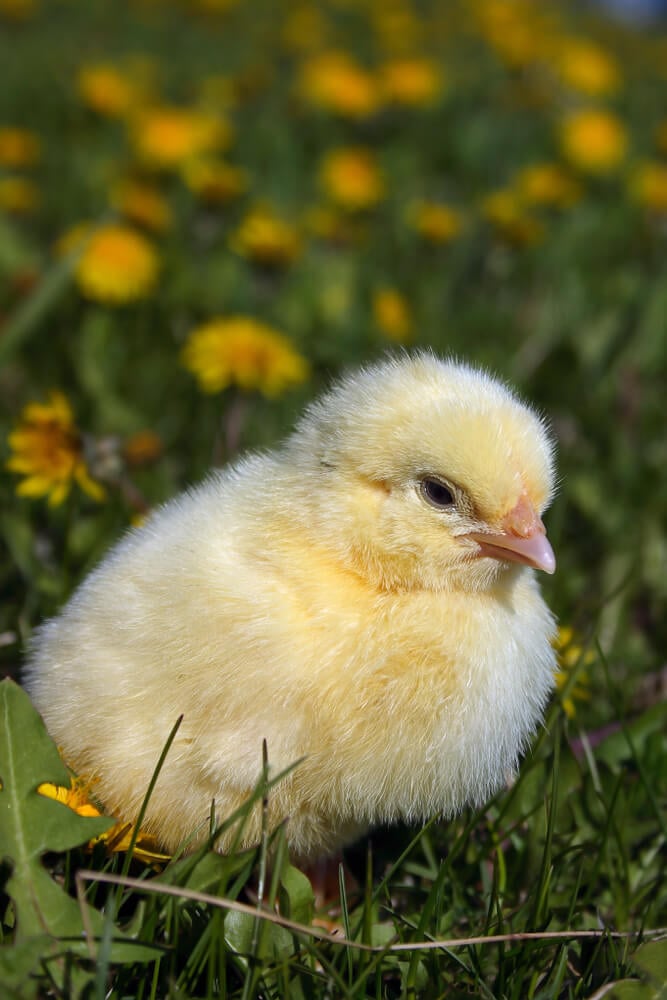
Don’t let the name fool you. These aren’t the bloated Cornish Cross hybrids from factory farms. Actual Cornish Game chickens are muscular, compact foragers with strong legs and active personalities. They’re the ancestors of modern meat chickens, and they actually know how to live outdoors.
- Chicken Size: Hens roughly 5 pounds. Roosters are about 8 pounds.
- Egg Size & Color: Medium brown eggs.
- Eggs Per Year: Approximately 200 to 250 eggs.
- Super Power: Muscle-bound forager. Offspring turn your pasture into a playground.
Cornish Game chicks grow fast and develop into robust birds that can handle themselves on pasture.
Read More – 17 Black and White Chicken Breeds – Our Chanel Poultry List!
7. Wyandotte
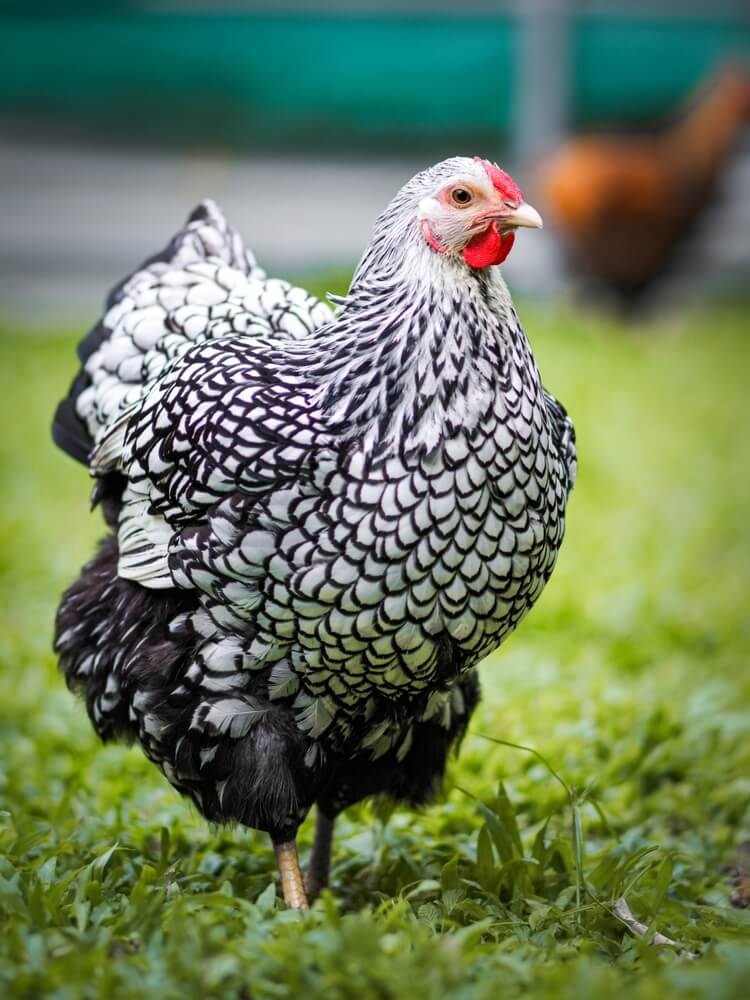
Wyandottes are the pretty birds that can actually back it up. Their laced feather patterns are stunning, but they’re also cold-hardy and excellent foragers. They have a calm disposition and do well in mixed flocks.
- Chicken Size: Hens around 6 pounds. Roosters weigh roughly 8 pounds.
- Egg Size & Color: Medium light brown eggs.
- Eggs Per Year: Expect approximately 250 to 300 eggs.
- Super Power: Fashionable fluffball. Tough and pretty, all in one.
Wyandottes are self-sufficient without being standoffish, making them ideal for farms where you want productive birds that are also pleasant to be around.
8. Buff Orpington
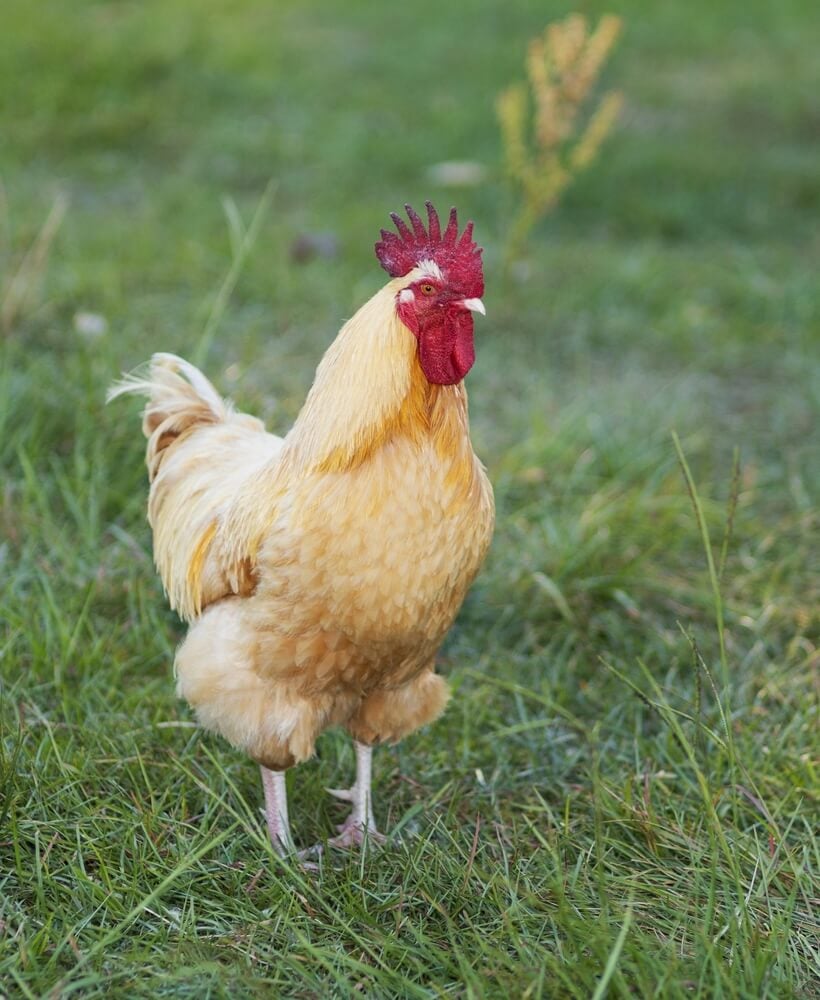
These chickens might look big and tough. But they’re truly docile, friendly, and excellent mothers if you let them hatch chicks. They forage well but aren’t frantic about it. That said, Orpingtons would gladly join a mixed free-range flock and keep the peace. They’re patient, tolerant birds that work well in family settings.
- Chicken Size: Hens approximately 7 pounds. Roosters are about 9 pounds.
- Egg Size & Color: Large brown eggs.
- Eggs Per Year: Roughly 280 eggs.
- Super Power: Mother of all coops. Gentle giant that’ll brood anything.
Buff Orpingtons have a calm nature that makes them easy to handle, and they’ll reward you with large brown eggs and plenty of meat at processing time.
9. New Hampshire Red
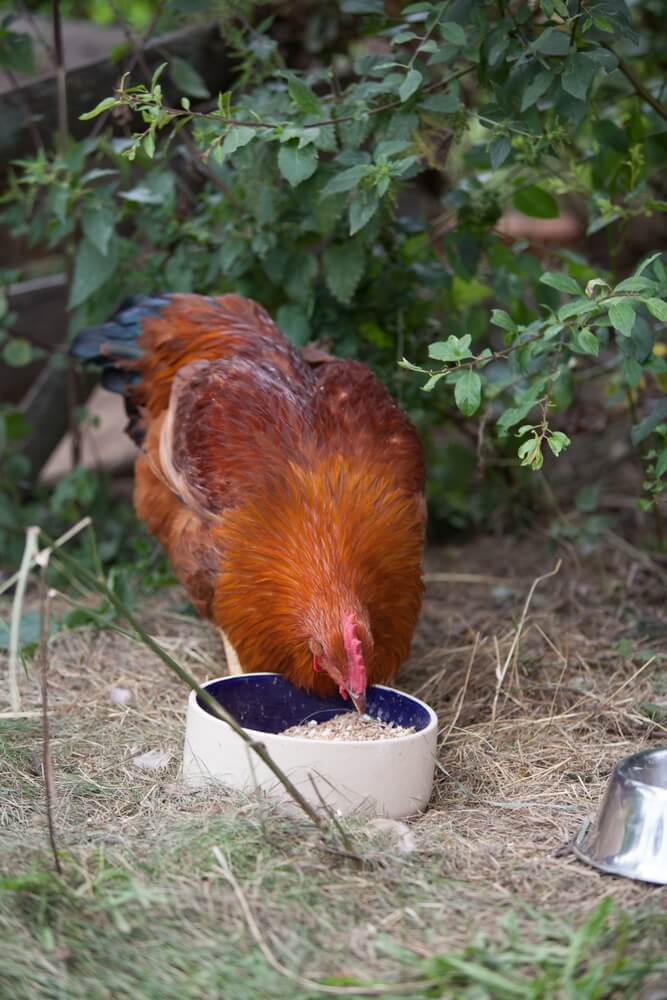
These birds are Rhode Island Reds on steroids. New Hampshire Reds were selectively bred for faster growth and earlier maturity. They’re excellent foragers, aggressive layers, and they handle cold weather without missing a beat. They mature quickly and start laying earlier than many breeds.
- Chicken Size: Hens around 6 pounds. Roosters weigh roughly 9 pounds.
- Egg Size & Color: Medium brown eggs.
- Eggs Per Year: Approximately 280 eggs.
- Super Power: Weatherproof wonder. Lays through snow, rain, or shine.
If you want a no-nonsense bird that gets down to business fast, New Hampshire Reds are your pick.
Read More – 20 Tiny Chicken Breeds – Your Epic Guide With Pros And Cons!
10. Chantecler
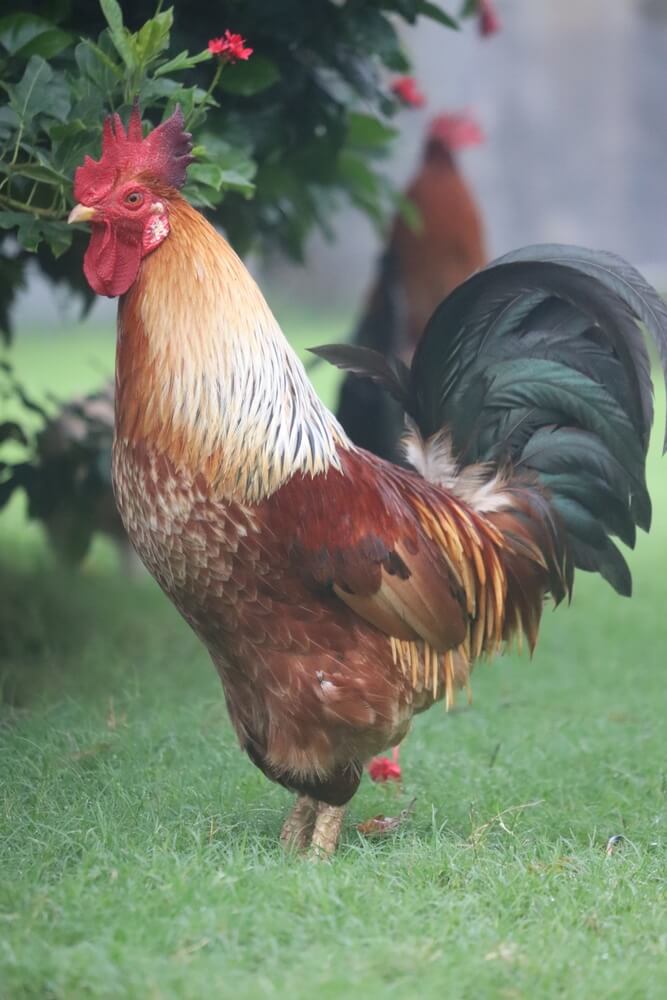
Chantecler chickens are Canada’s gift to cold-climate chicken keeping. Chanteclers have small combs and wattles that resist frostbite, and their dense feathering keeps them warm in brutal winters. They’re excellent foragers that actually prefer being outside, even when it’s cold. They were bred specifically for small farms in harsh climates, and they deliver on that promise.
- Chicken Size: Hens roughly 7 pounds. Roosters around 9 pounds.
- Egg Size & Color: Medium brown eggs.
- Eggs Per Year: Expect about 250 eggs.
- Super Power: Canadian tough cookie. Survives arctic winters with style.
If you live where winter means business, consider Chanteclers.
11. Black Copper Marans
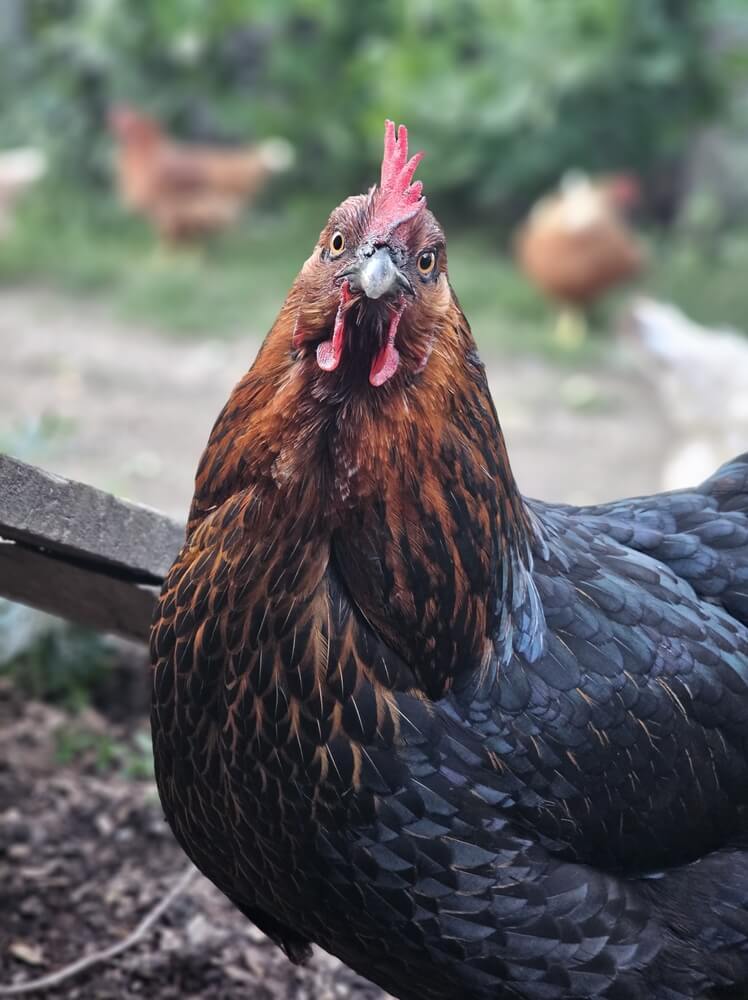
Want eggs that look like they came from a gourmet farm stand? Black Copper Marans have many remarkable qualities, but chief among them are their majestic, delicious, dark brown eggs. These French birds are also excellent foragers with calm temperaments. They’re active without being flighty and handle free-range life beautifully.
- Chicken Size: Hens are about 6 pounds. Roosters weigh roughly 8 pounds.
- Egg Size & Color: Dark brown, chocolate-colored eggs.
- Eggs Per Year: Approximately 220 to 250 eggs.
- Super Power: The gourmet layer. Chocolate eggs that impress your brunch guests.
The egg color alone makes Black Copper Marans conversation starters, but they’re also solid producers that earn their keep.
12. Delaware
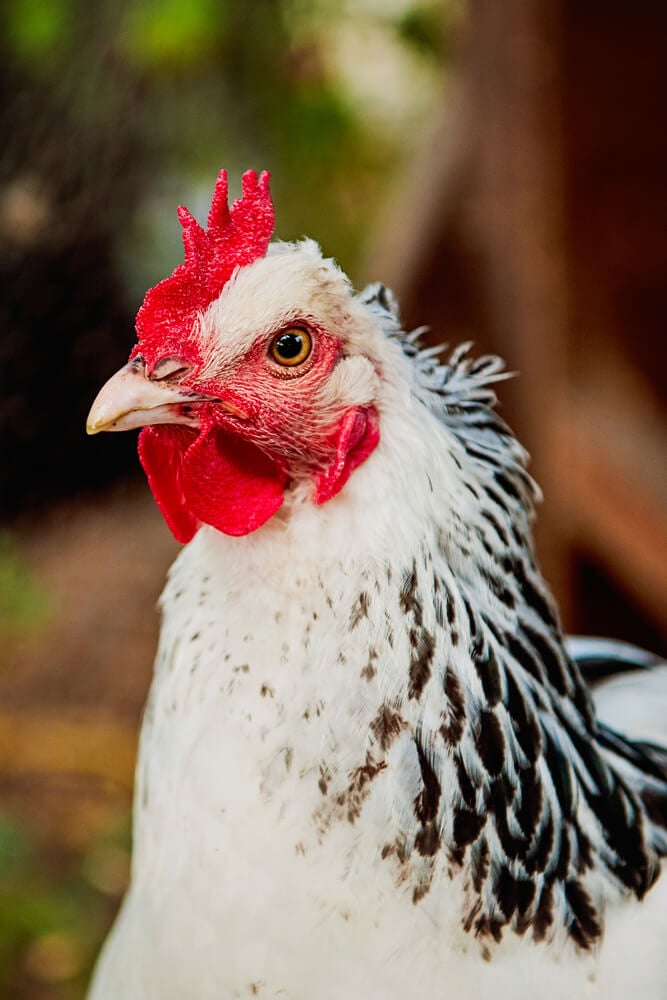
This American breed deserves more attention than it gets. Delawares are friendly, calm, and adaptable to almost any situation. They’re excellent foragers that don’t cause trouble in mixed flocks. They were developed as a broiler breed but also lay well, making them actual dual-purpose birds.
- Chicken Size: Hens around 6 pounds. Roosters weigh roughly 8 pounds.
- Egg Size & Color: Medium brown eggs.
- Eggs Per Year: Roughly 250 to 300 eggs.
- Super Power: Flock diplomat. Easygoing, friendly, and unflappable.
Delawares have striking white plumage with black accents. But it’s their charming temperament that makes them a pleasure to work with.
Read More – How To Keep Foxes Away From Your Chickens, Hens, And Roosters!
13. Speckled Sussex
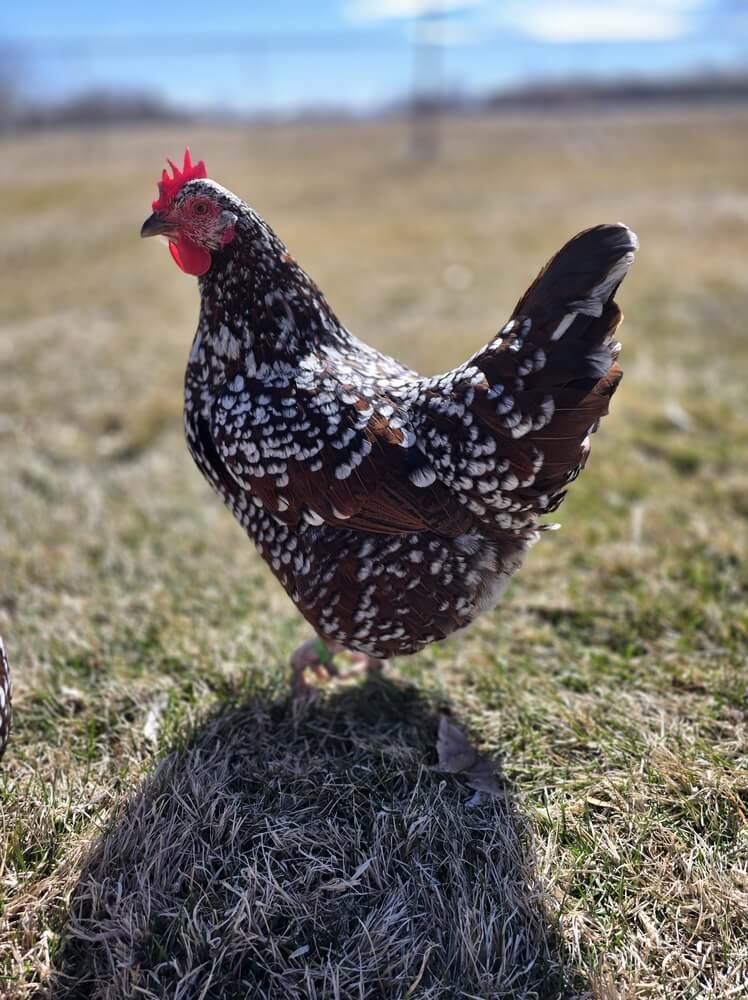
Speckled Sussex chickens are old-school and curious explorers. These gregarious birds are very friendly, active foragers that love investigating every corner of your property. They’re gentle enough for families but independent enough to take care of themselves. Their speckled plumage gets more beautiful as they age.
- Chicken Size: Hens are about 5 pounds. Roosters weigh roughly 7 pounds.
- Egg Size & Color: Medium brown eggs.
- Eggs Per Year: Around 250 eggs.
- Super Power: Curious explorer. Loves bugs, berries, and mischief.
Speckled Sussex are adaptable, hardy, and genuinely enjoy interacting with humans.
14. Brahma
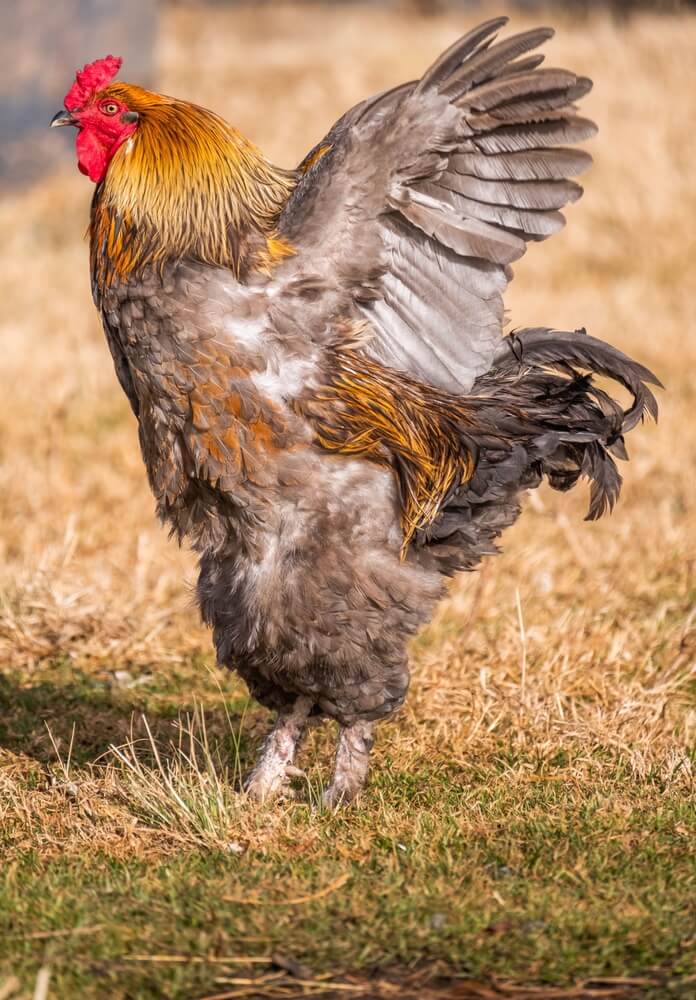
These massive birds are surprisingly gentle and quiet. Brahmas have feathered feet and legs, giving them an almost comical appearance, but they’re serious foragers that do well on pasture. They’re cold-hardy thanks to their size and feathering, and they’re patient enough to coexist with smaller breeds.
- Chicken Size: Hens approximately 8 pounds. Roosters are about 9 pounds.
- Egg Size & Color: Large light brown eggs.
- Eggs Per Year: Roughly 250 eggs.
- Super Power: Gentle giant. Cold-tolerant heavyweight with a soft heart.
If you want a large, docile bird that looks impressive and produces well, Brahmas fit the bill.
15. Old English Game
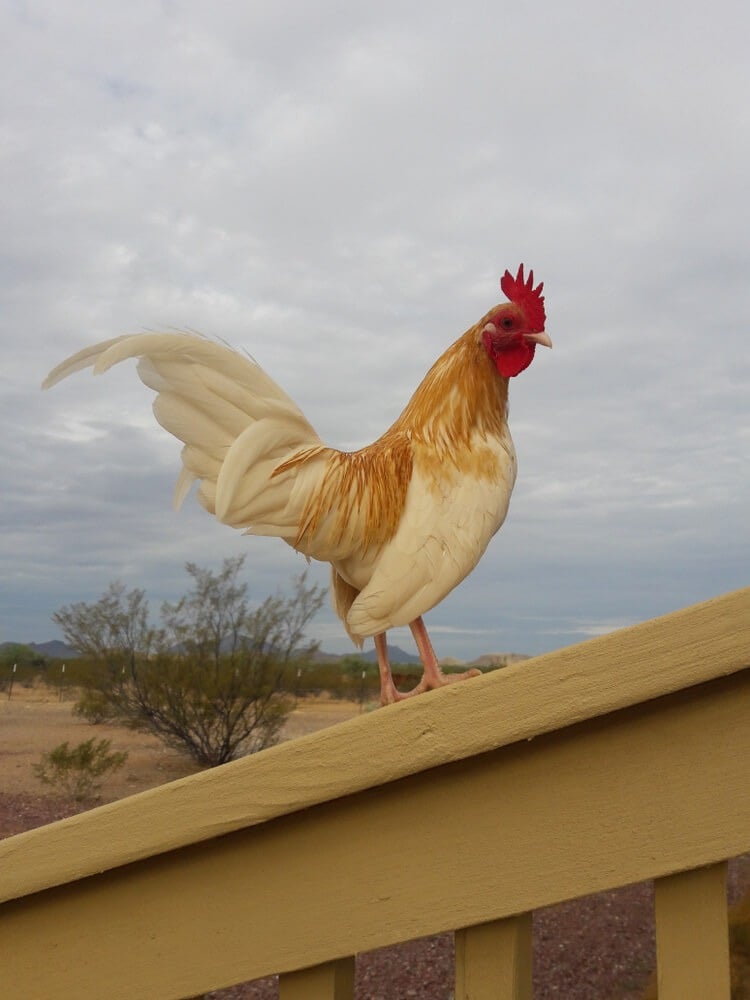
These bantam-sized birds pack serious personality into a small package. Old English Game chickens are alert, active, and naturally wary of predators. They’re excellent foragers that can practically live off the land. They’re not for everyone (roosters can be aggressive), but if you want a small, scrappy bird that can take care of itself, they’re worth considering.
- Chicken Size: Hens around 4 pounds. Roosters weigh roughly 6 pounds.
- Egg Size & Color: Medium brown eggs.
- Eggs Per Year: Approximately 180 to 220 eggs.
- Super Power: Tiny warrior. Scrappy, alert, and predator-aware.
Old English Game chickens are also stunning to look at.
Read More – 10 Things All Homesteaders Need To Know Before Buying Or Raising Chickens!
16. Dominique
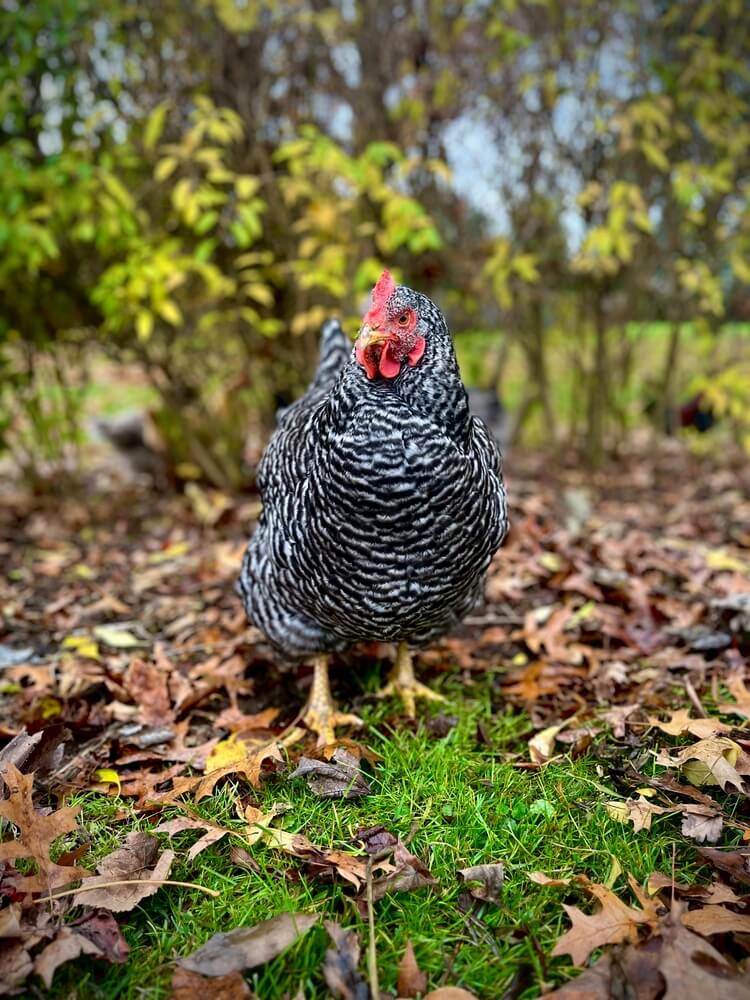
America’s oldest chicken breed, and it’s one of my favorites overall for free-range flocks. Dominiques are the original barred chicken that predates the Plymouth Rock. They’re incredibly hardy, calm, and adaptable to any climate. These birds survived colonial New England (where it was freezing) without modern coops or feed, proving their toughness. They have rose combs that resist frostbite and a gentle disposition that makes them ideal for mixed flocks.
- Chicken Size: Hens roughly 5 to 6 pounds. Roosters are about 7 pounds.
- Egg Size & Color: Medium brown eggs.
- Eggs Per Year: Approximately 230 to 270 eggs.
- Super Power: Original American survivor. Built tough before tough was cool.
Dominiques are world-class heritage birds that deserve more recognition for their reliability and historical significance.
17. Easter Egger (Americana type)
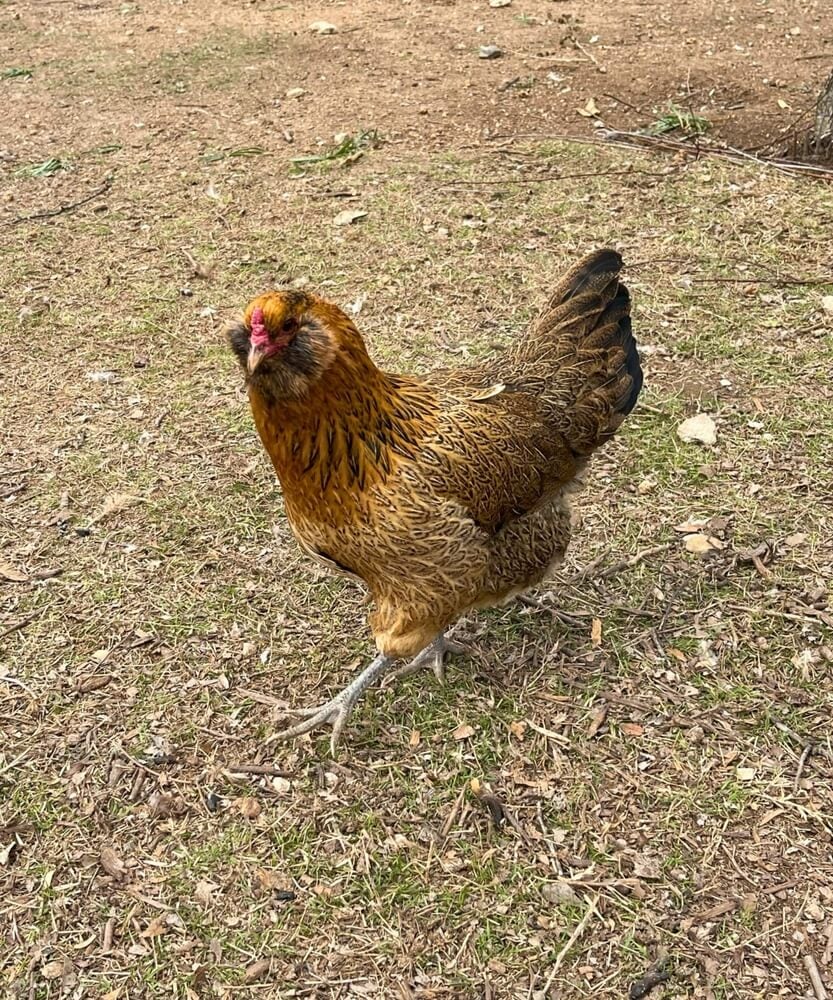
These aren’t true breeds. But they’re beloved by backyard chicken keepers everywhere. Easter Eggers lay bedazzling eggs in shades of bluish, greenish, olive, or pink hues. They’re friendly, hardy, and excellent foragers with quirky personalities. Each bird is different. So they’re doubly fun and unpredictable. Easter Eggers are also famously cold-hardy, heat-tolerant, and adaptable.
- Chicken Size: Hens roughly 5 pounds. Roosters are about 7 pounds.
- Egg Size & Color: Medium eggs in blue, green, or speckled.
- Eggs Per Year: Roughly 280 eggs.
- Super Power: Color wizard. Vibrant eggs every week keep breakfast interesting.
If you want colorful eggs and a bird with character, Easter Eggers deliver.
18. Andalusian Blue
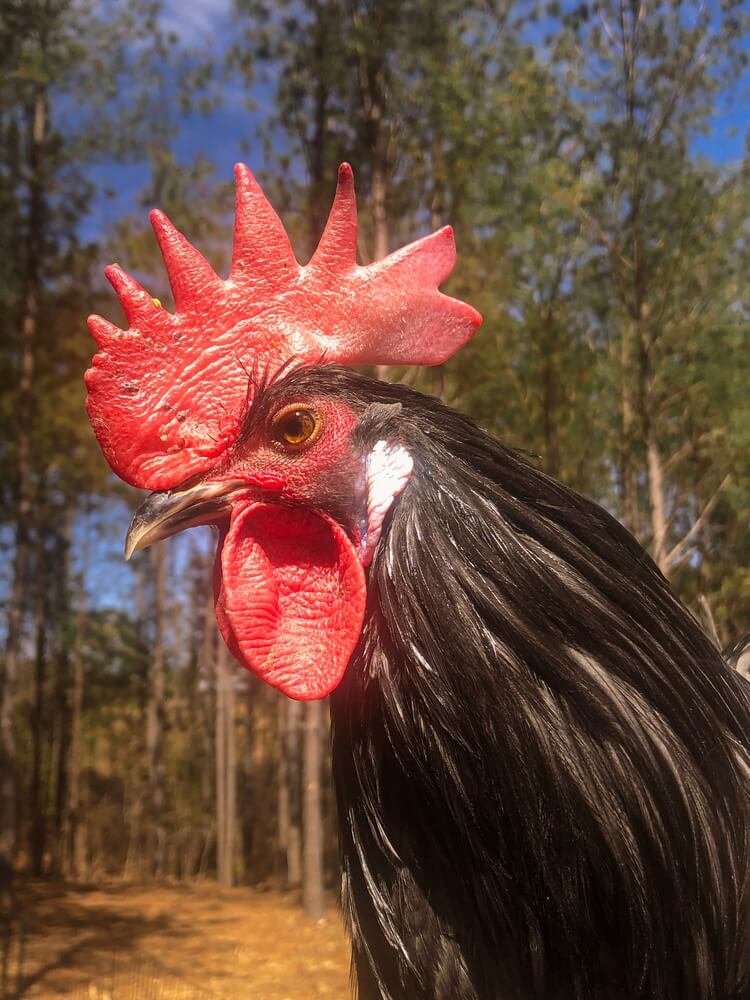
These elegant Spanish birds are rare in the United States but worth seeking out. Andalusian Blues are active, independent foragers that require minimal human intervention. They’re flighty and prefer to live independently, making them ideal for free-range setups. They’re heat-tolerant and lay consistently.
- Chicken Size: Hens approximately 5 to 6 pounds. Roosters around 7 to 8 pounds.
- Egg Size & Color: Medium to large, light brown or blue eggs.
- Eggs Per Year: Around 250 eggs.
- Super Power: Rare beauty. Hardy, sleek, and full of personality.
Andalusian Blues also have striking blue-laced plumage. They’re easily among the most beautiful chickens you can raise.
Read More – 21 Best Garden Plants To Grow As Chicken Food – Herbs, Fruits, Veggies & Flowers!
19. Ancona
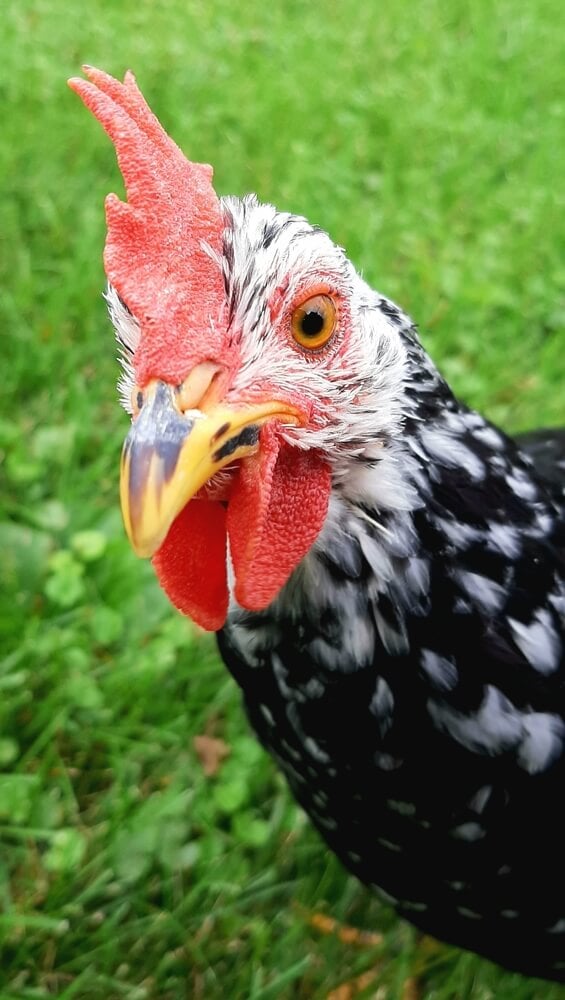
These Italian beauties are the hyper foragers of the chicken world. Anconas are active, alert, and constantly on the move searching for food. They’re excellent layers that handle heat beautifully and rarely go broody. Their distinctive mottled black-and-white plumage makes them easy to spot in pasture. They’re flighty and independent but incredibly efficient at feeding themselves.
- Chicken Size: Hens roughly 4 to 5 pounds. Roosters are about 6 pounds.
- Egg Size & Color: Medium to large white eggs.
- Eggs Per Year: Approximately 200 to 280 eggs.
- Super Power: Perpetual motion machine. Never stops hunting bugs.
Anconas thrive on free-range setups where their high energy and foraging skills really shine.
20. Plymouth Rock (Barred Rock)
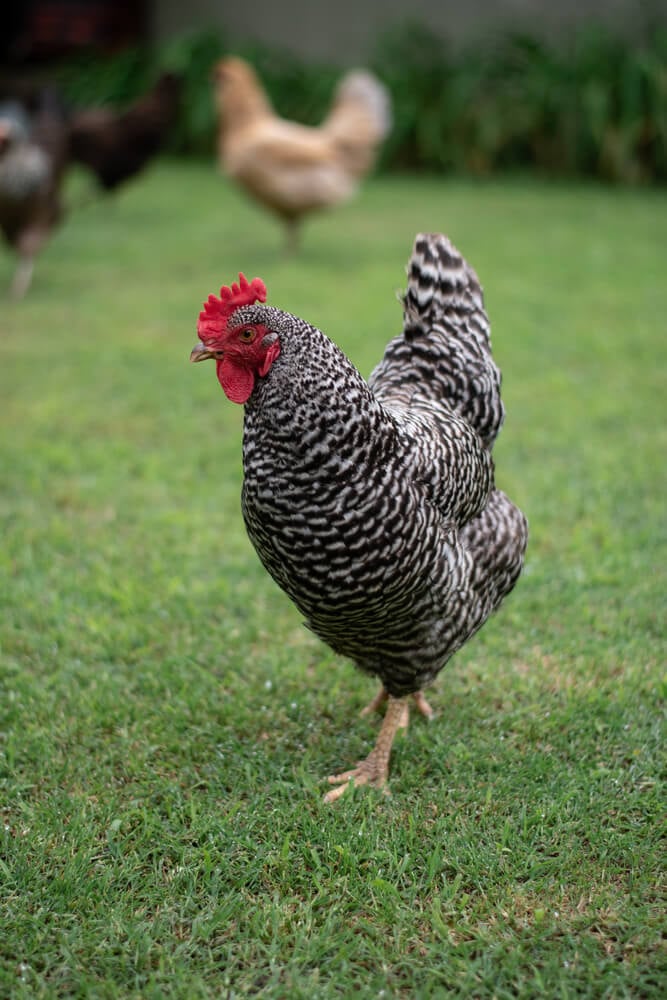
The iconic black-and-white striped chicken of American farms. Plymouth Rocks are calm, friendly, and reliable in every way. They forage well, lay consistently, and tolerate both heat and cold. They’re gentle enough for kids but tough enough to handle farm life. Plymouth Rocks are a heritage breed that’s stood the test of time for good reason.
- Chicken Size: Hens are about 6 pounds. Roosters weigh roughly 8 pounds.
- Egg Size & Color: Medium light brown eggs.
- Eggs Per Year: Around 280 eggs.
- Super Power: Steady Eddie. Calm, friendly, and dependable foragers.
If you want a dependable, all-around farm chicken, Plymouth Rocks (Barred Rocks) are hard to beat.
21. Welsummer
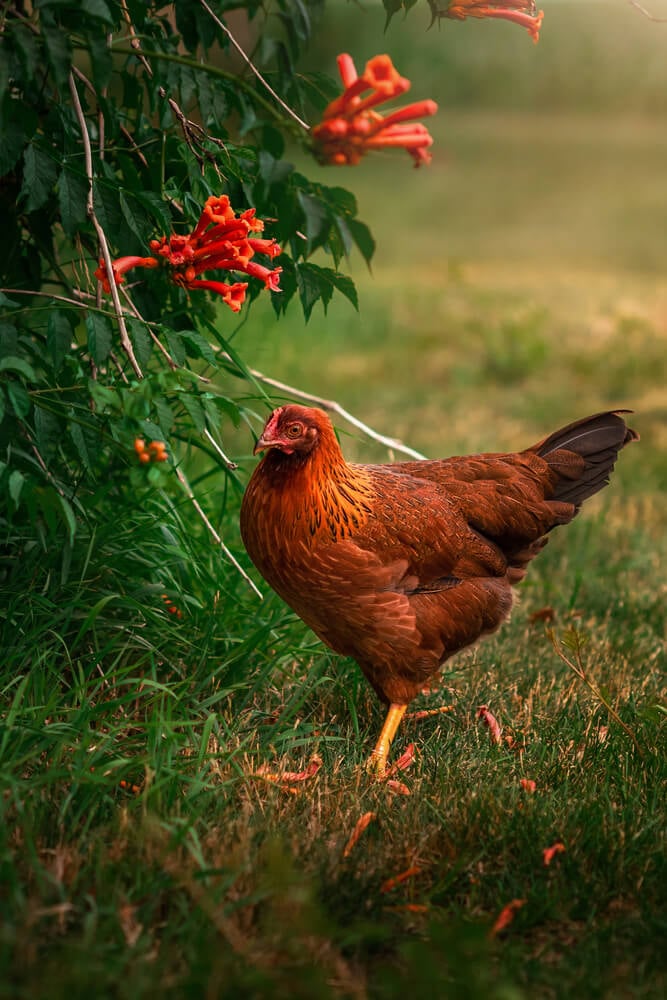
These Dutch chickens are egg basket artists. Welsummers lay gorgeous terracotta-colored eggs with dark speckles that look hand-painted. They’re active, intelligent foragers with a calm temperament and striking partridge coloring. They handle cold weather well and are excellent at finding their own food on pasture.
- Chicken Size: Hens roughly 5 to 6 pounds. Roosters are about 7 to 8 pounds.
- Egg Size & Color: Large, dark brown eggs with speckles.
- Eggs Per Year: Approximately 180 to 200 eggs.
- Super Power: Artistic egg layer. Every egg looks like a unique piece of art.
Welsummers are friendly without being needy. But it’s their legendary eggs that make them worth raising!
Read More – All About Polish Chickens – Origin, Lifespan, Cost, And Uses!
Conclusion
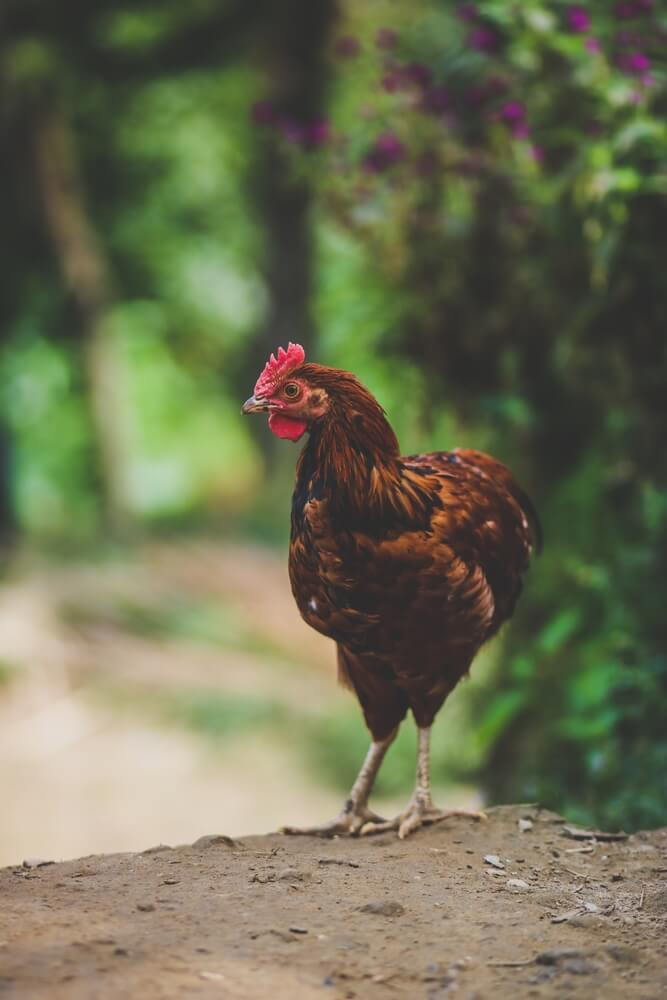
The 21 chicken breeds we just brainstormed represent the toughest, hardiest free-range birds! They’re not delicate ornamental breeds. They’re the rock-solid working breeds who can help work the land, maximize your space, and also eat boatloads of ticks and bugs!
What about you?
- Will you add any of these majestic free-range chicken breeds to your flock?
- Will you maintain a pure heritage flock or have a friendly mixed flock?
- Do you know any other good foraging chicken breeds we should add to our list?
Thanks for reading.
Have a great day!


