The Ultimate Guide To Wyandotte Chickens – Fancy Feathers, Cold Hardiness, And Exceptional Eggs!
Welcome! This article contains affiliate links, meaning I get a commission if you decide to make a purchase through my links, at no extra cost to you.
Say hello to the Wyandotte chicken! This gorgeous, curvy, cold-hardy chicken has been stealing hearts since the 1870s. And honestly? It’s not hard to see why.
Picture a bird with feathers so intricately patterned they look hand-painted. Now imagine that same bird happily laying eggs through the coldest winter months while other breeds shiver and quit. Add a calm, friendly personality, making them perfect for families. That’s the Wyandotte in a nutshell.
Sound intriguing?
Then let’s discuss the mighty Wyandotte in much closer detail!
Wyandotte Chicken Overview
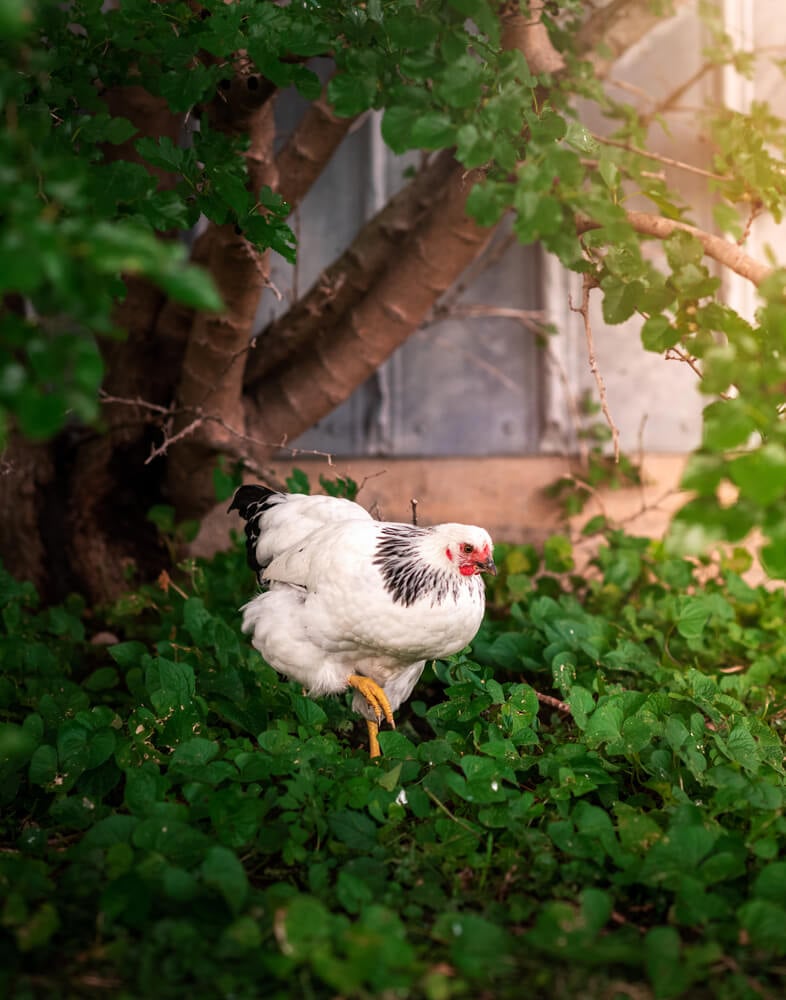
These American-made chickens were built for real homestead life. They’re not delicate. They’re not fussy. They get the job done while looking absolutely stunning. Whether you want fresh eggs, quality meat, a show-stopping exhibition bird, or simply a feathered companion who’ll follow you around the yard, the Wyandotte delivers.
From backyard beginners to seasoned poultry pros, this breed has earned a devoted following. And once you learn more about them, you’ll understand precisely why the Wyandotte remains one of the most beloved heritage chickens in America.
Let’s dive in.
| Origin: | United States (New York State, 1870s). |
| Lifespan: | 6 to 12 years. |
| Cost: | $3 to $5 per chick. $15 to $30 for adult hens (rare color varieties may cost more). |
| Rooster Weight: | 8 to 9 pounds. |
| Hen Weight: | 6 to 7 pounds. |
| Temperament: | Docile, calm, friendly, and good with children. Roosters can be assertive in mixed flocks. |
| Appearance: | Vigorous, broad, rounded body. Loose, abundant feathering. Correct rose comb. Clean yellow legs and skin. Among the most color-diverse breeds! 9 APA varieties: Silver Laced, Golden Laced, Black, Blue, Buff, Columbian, Partridge, Silver Penciled, and White. |
| Egg Color | Brown to light brown. |
| Egg Production | 180 to 260 eggs per year. |
| APA Approved?: | Yes (first accepted in 1883 with the Silver Laced variety). |
Read More – 21 Mighty Chicken Breeds for Free-Range And Foraging Life!
Origin And History
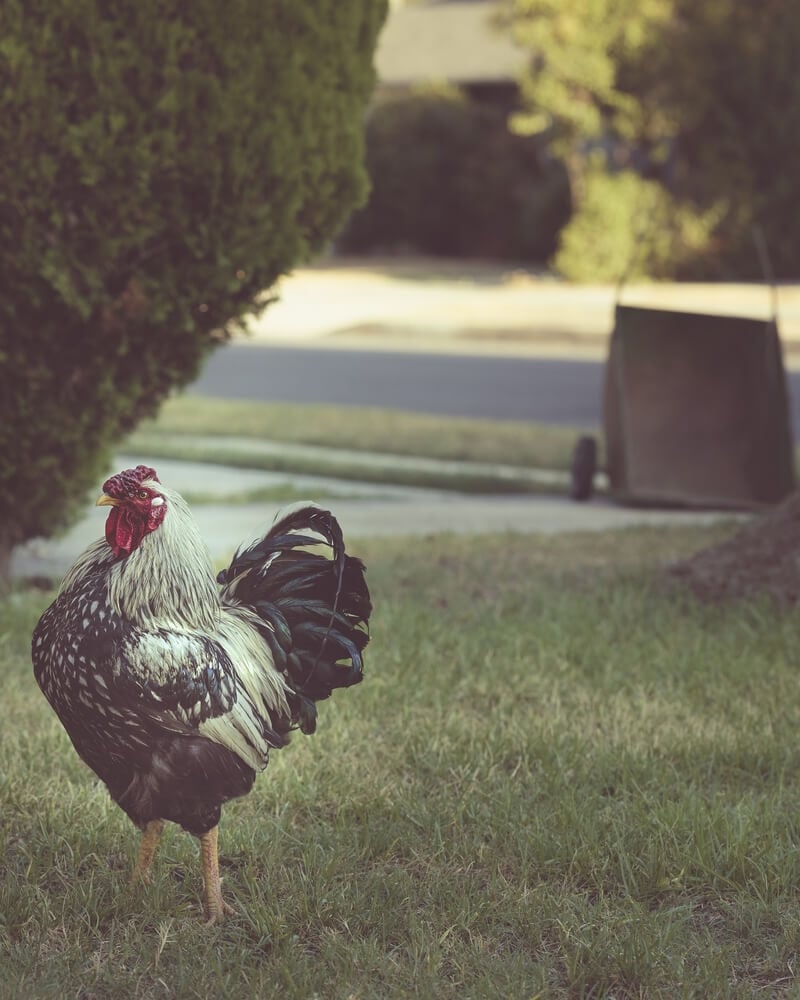
The Wyandotte has a murky origin story. Breeders in New York State developed the first variety, the Silver Laced Wyandotte, sometime in the 1870s. The exact parent breeds are still debated. Most historians believe Dark Brahmas and Silver Spangled Hamburgs played a role. Some suspect Buff Cochins, Polish, and Breda fowl contributed too.
Four men are generally credited with creating the breed. John Ray, L. Whittaker, H.M. Doubleday, and Fred Houdlette. They wanted a practical American chicken that could handle harsh winters while still producing plenty of eggs and meat. Mission accomplished.
The breed was initially called the American Sebright or Sebright Cochin. The name “Wyandotte” was adopted later, honoring the Wyandot Nation, indigenous to parts of the northeastern United States and Canada. The Silver Laced variety entered the American Poultry Association’s Standard of Perfection in 1883.
From there, breeders got creative. The Golden Laced variety followed in 1888. White Wyandottes came next in 1888 as well. Then came Black, Buff, Partridge, Silver Penciled, and Columbian varieties over the following decades. Today, the APA recognizes nine color varieties. Bantam versions also exist and remain popular on the show circuit.
By the early 1900s, Wyandottes were one of the most common chickens on American farms. Their popularity dipped mid-century when commercial breeds took over. But backyard chicken enthusiasts have brought them roaring back. They now rank among the most popular heritage breeds in the country.
What Are Wyandotte Chickens Used For?
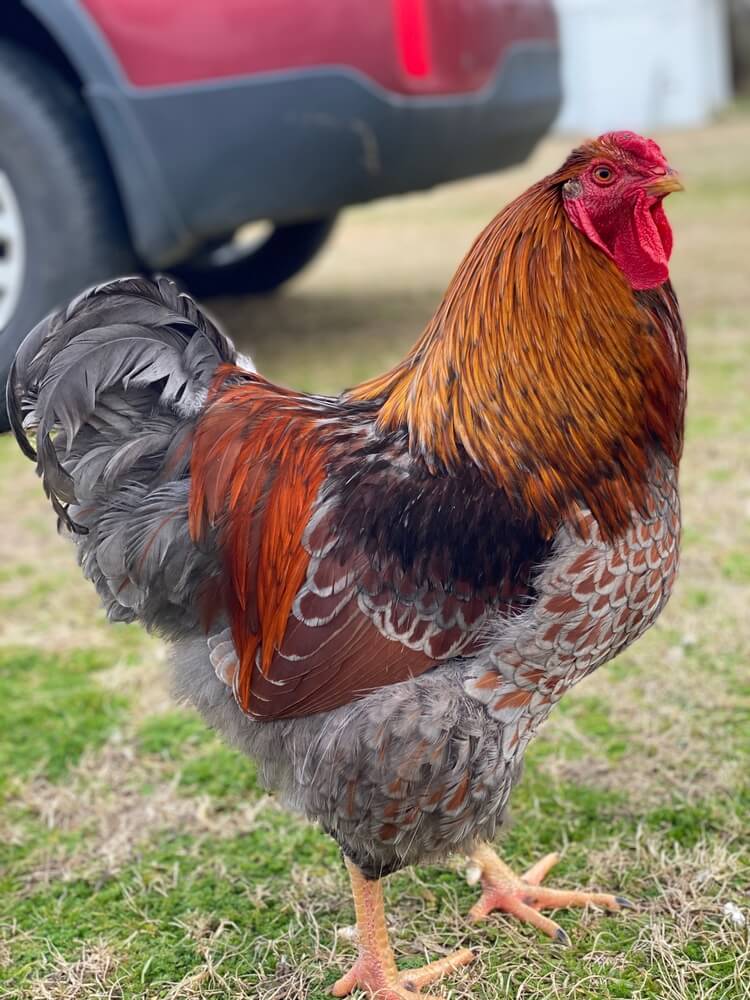
Wyandottes excel at doing multiple jobs well. They’re classic dual-purpose chickens, meaning they produce both excellent eggs and quality meat. This versatility made them farmstead favorites in the early 1900s and keeps them popular with modern homesteaders who want one breed that handles everything.
On the egg front, Wyandottes deliver reliably. Expect 180-260 brown eggs per year from a healthy hen. They keep laying through cold months when other breeds shut down production, which is a genuine advantage if you’re counting on fresh eggs year-round. Their large, light-to-medium brown eggs work beautifully for any kitchen purpose.
For meat production, mature Wyandottes dress out at respectable weights. Roosters around 8 to 9 pounds and hens 6 to 7 pounds. They’re not fast-growing commercial broilers. But they provide good-sized carcasses with quality meat. Many homesteaders appreciate having one breed that pulls double duty rather than managing separate flocks for eggs and meat.
Their docile, friendly temperament means they also work wonderfully as backyard pets and family chickens. Wyandotte hens even make reliable broodies and attentive mothers if you want to hatch and raise chicks naturally.
In short, Wyandottes are the Swiss Army knife of chickens. They’re beautiful, productive, cold-hardy, and genuinely pleasant to keep around.
Read More – 10 Things Every Homesteader Must Know Before Buying Or Raising Backyard Goats!
Health And Lifespan
Wyandottes are generally robust chickens with few breed-specific health problems. Their rose combs make them exceptionally resistant to frostbite. Their dense, fluffy plumage keeps them warm but can make Wyandottes more prone to overheating in hot, humid weather. Heat stress is their biggest environmental enemy. Make sure they have plenty of shade and fresh water during the summer months.
Like all chickens, Wyandottes can be affected by external parasites, such as mites and lice. Their thick feathering provides excellent hiding spots for these pests. Regular checks and dust bathing areas help keep infestations at bay.
Some Wyandottes develop bumblefoot, a bacterial infection on the footpad. Bumblefoot usually happens when heavy birds jump down from tall roosts onto hard surfaces. Keep roosts at reasonable heights and provide soft bedding to minimize the risk.
With proper care, Wyandottes can easily live 6 to 12 years. Hens remain productive layers for about 3 to 4 years before egg production tapers off. Many keepers hold onto their retired hens as pets. Their friendly personalities make them easy to love long after the eggs slow down.
Food And Water
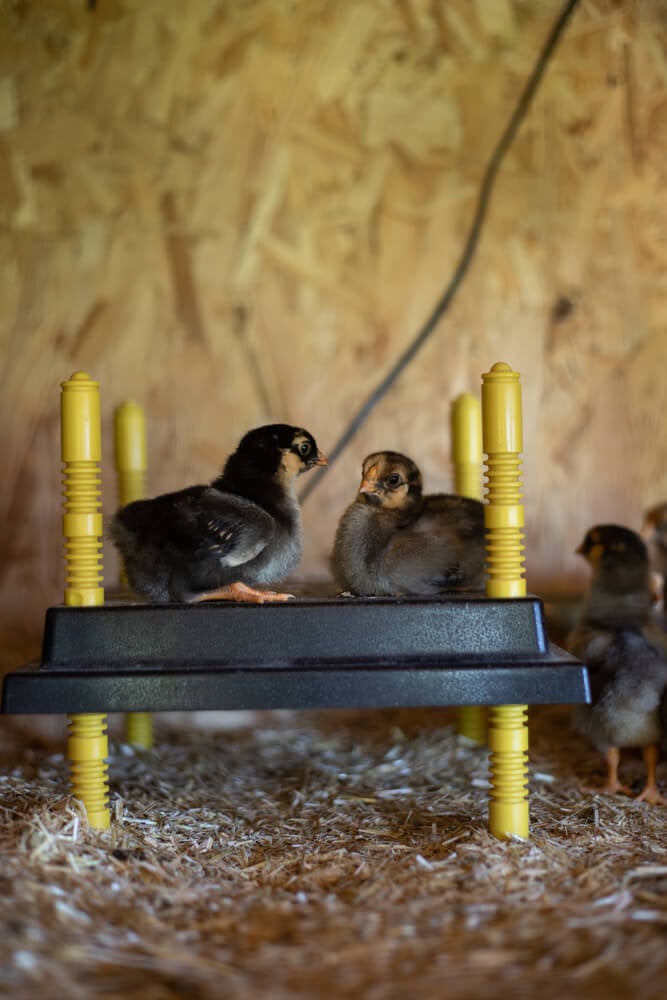
Wyandottes thrive on standard poultry nutrition. A quality layer feed with 16% protein serves as the foundation for hens in production. Chicks need starter feed with 18 to 20% protein for their first six to nine weeks. Growing pullets do well on grower feed until they reach laying age around 18 to 24 weeks.
These birds love treats. Mealworms drive them absolutely wild. Scrambled eggs, sunflower seeds, and cooked oatmeal rank high on their favorites list. Fresh fruits like watermelon, berries, and grapes disappear fast. Leafy greens such as garden spinach, kale, and lettuce keep them busy and provide extra vitamins. Corn is a beloved snack, but it should be limited because it can cause weight gain.
Wyandottes are enthusiastic foragers. These hungry free-ranging birds gobble up insects, worms, grass, and seeds. These natural diet supplements feed nicely and produce richer egg yolks.
A mature Wyandotte eats roughly 1/4 to 1/3 pound of feed per day. That works out to about 1.5 to 2 pounds per bird per week. Adjust portions based on how much they forage and the season. They eat more in winter to maintain body heat.
Calcium matters for laying hens. Provide crushed oyster shells (sounds gross, but your Wyandotte will love it) in a side dish so hens can self-regulate their intake. These calcium-rich supplements keep eggshells strong and prevent calcium deficiency.
Fresh water is non-negotiable. Wyandottes drink about a pint of water daily, more in hot weather. Their fluffy face feathers can get wet and dirty at waterers, so nipple drinkers or cups work better than open pans.
Grit is essential if your birds eat anything besides commercial feed. It helps their gizzards grind up food properly. Free-ranging birds usually find enough small stones on their own. Confined birds need grit provided separately.
Read More – 18 Friendliest Chicken Breeds For Mixed Flocks – No More Coop Drama Or Farmyard Brawls!
Appearance And Colors
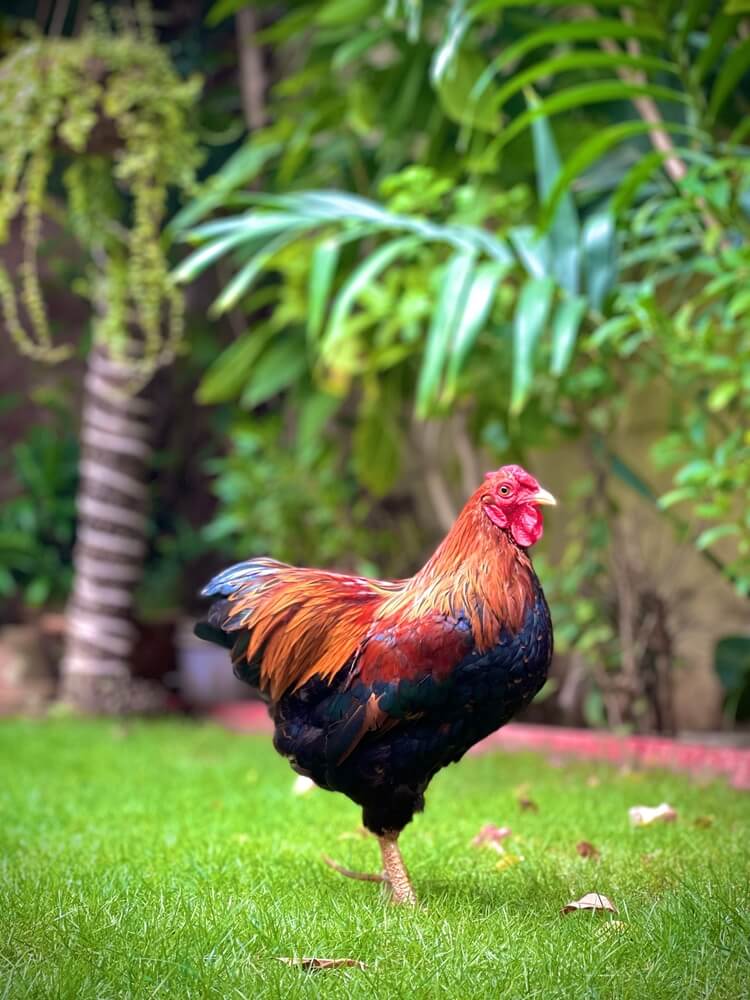
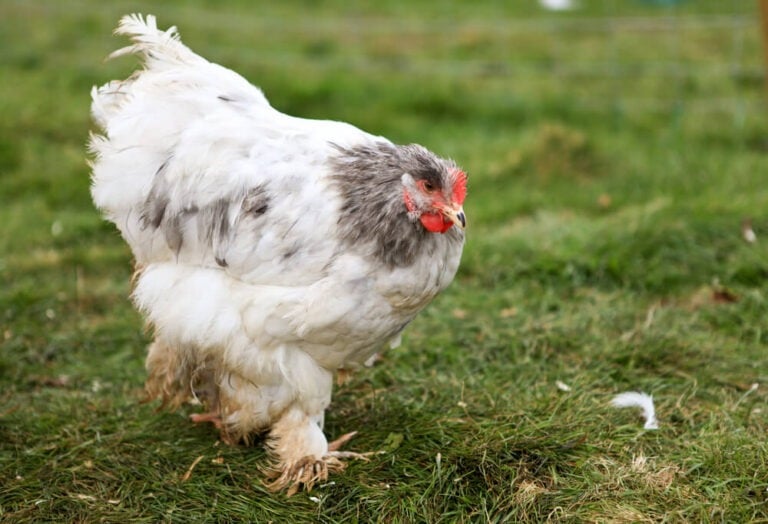
Wyandottes are unmistakable. They have a broad, rounded body that sits low to the ground. The overall shape is often described as “curvy” or “heart-shaped” when viewed from above. Their backs are wide and flat. Breasts are complete and well-rounded. Everything about them suggests solidity and substance.
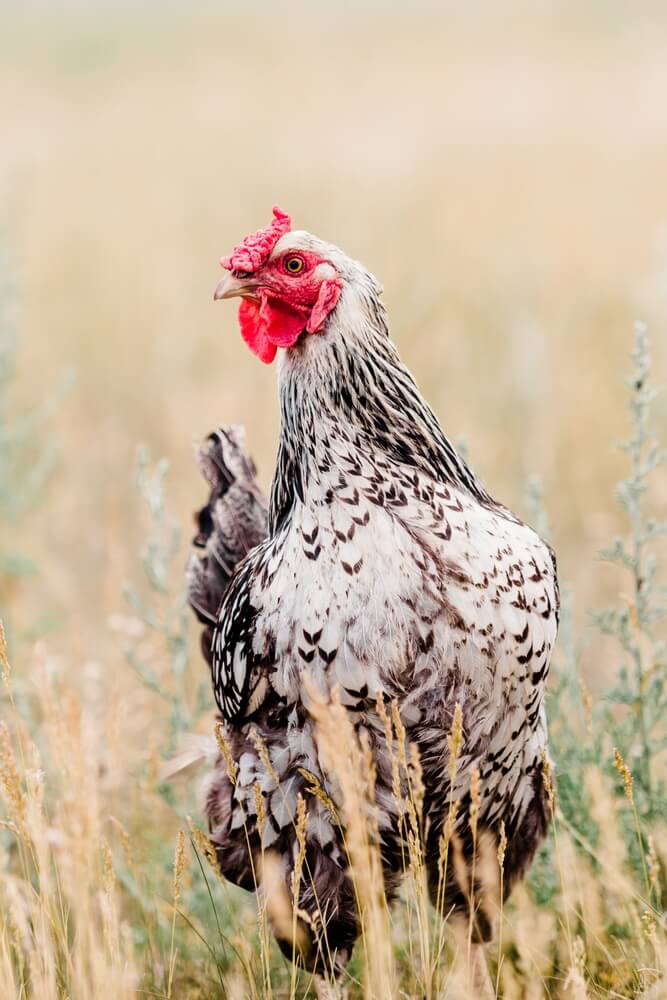
The rose comb is a defining feature. It sits flat against the head, covered in small bumps called “points,” and tapers to a spike at the back. This low-profile comb handles freezing temperatures far better than tall single combs. Wattles and earlobes are red and medium-sized.
Their eyes are reddish brown. Beaks are yellow or horn-colored, depending on the variety. Legs are clean, bright yellow, and unfeathered. Four toes per foot. Skin underneath those feathers is also yellow.
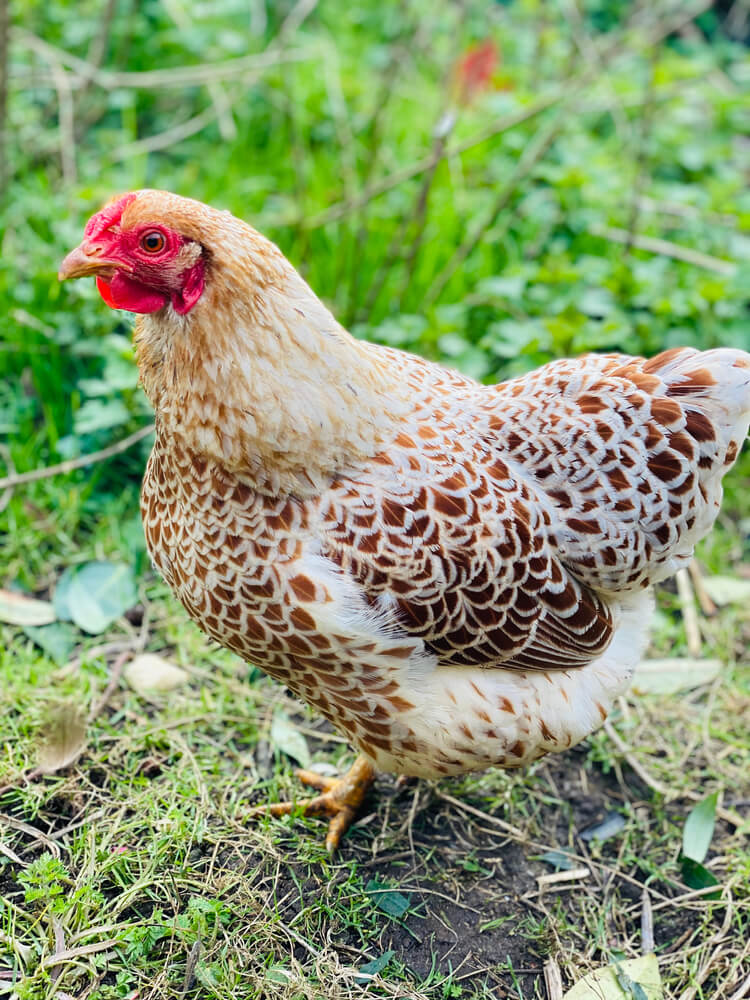
The plumage is dense and lies close to the body. Feathers are broad and somewhat loosely held, giving Wyandottes that characteristic fluffy look. Hens and roosters share similar color patterns, though roosters typically show more brilliance and contrast.
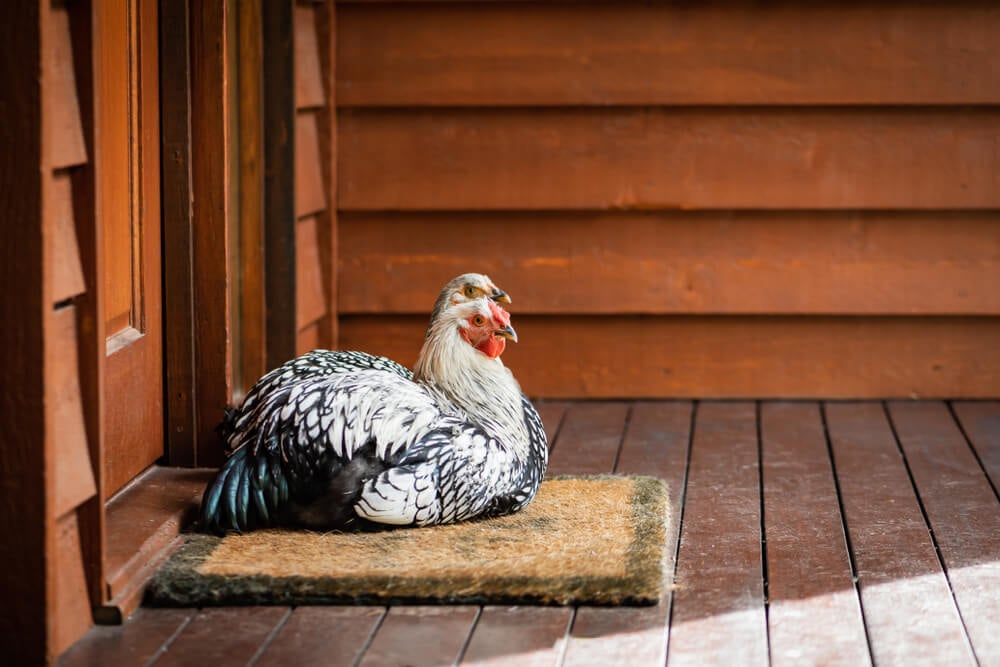
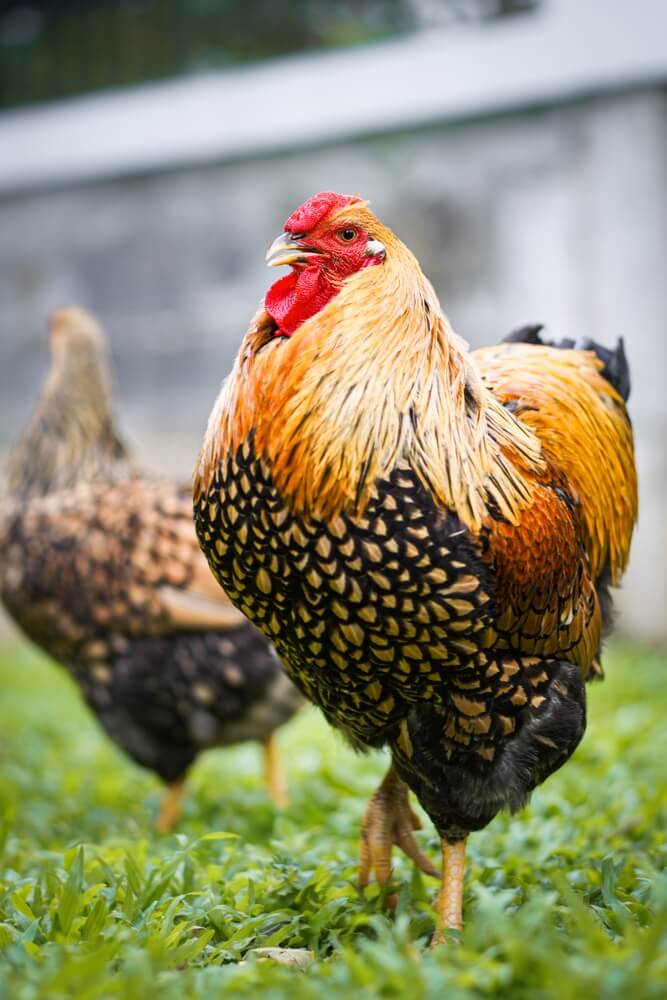
The APA currently recognizes nine large-fowl color varieties. Silver Laced came first in 1883 and remains the most iconic. Each feather is silvery white with a distinct black edge, creating a stunning lace-like pattern across the entire bird.
Golden Laced Wyandottes swap the silver for rich golden bay. White, Black, Blue, Buff, Columbian, Partridge, and Silver Penciled round out the official list.
But the official list barely scratches the surface!
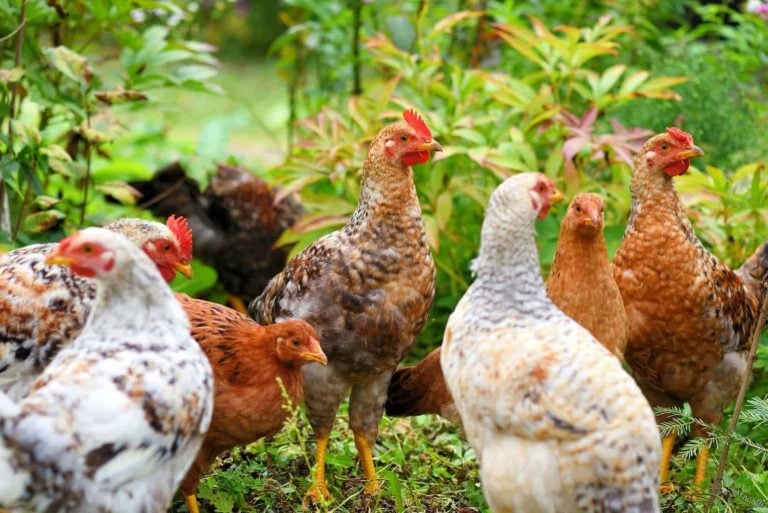
Breeders have developed dozens of additional color varieties that pop up at hatcheries and specialty farms. Blue Laced (a blue version of Silver Laced), Splash Laced, Chocolate, Lavender, Buff Laced, Mille Fleur, Mottled, and Barred all exist. Many remain “project colors” that breeders are still refining. Look hard enough, and you can find 20 to 30 different Wyandotte color patterns. Some are APA-accepted only in bantam sizes.
Breeding show-quality Wyandottes is surprisingly tricky. The lacing must be precise and consistent across all feathers. One bird has thousands of feathers. Each one needs the same sharp edges and proper color contrast. The lacing on breast feathers tends to blur or become muddy. Back feathers often lose definition. Getting the pattern from head to tail perfect is challenging, even for experienced breeders.
Body type presents another hurdle. Birds must maintain that round, curvy silhouette while also hitting the correct weight standards. Too narrow or too leggy, and the bird fails to meet breed standards. The chicken’s comb shape, leg color, and feather width are heavily scrutinized at shows!
Breeders often maintain separate lines for exhibition and egg production because optimizing for both simultaneously is nearly impossible. Patience and selective breeding over many generations are the only paths to consistent quality.
Read More – Our 10 Best Tips For Raising Happy Goats, Does, And Bucks!
Our Epic Ballad To The Wyandotte Chicken Breed
In New York’s farms of days gone by, the Wyandotte was born beneath the sky. With lacing trimmed in silver thread, they strut and preen with regal tread.
Like stained glass windows, bold and bright, their feathers catch the fading light. Not bred for beauty all alone, but sturdy birds of flesh and bone.
Behold! Their colors are fluffy and bound, from Golden Laced to Buff, so round. This curvy breed commands the run when roosters crow to greet the sun. Their rose combs flat against the head mean frostbite’s kiss – they’ll never dread.
Through bitter cold, they lay with grace, a nourishing supply in any place. With eggs aplenty, warm and brown, the Wyandotte wears the homestead crown.
The Wyandotte stands strong and true, a heritage breed through and through. Their legacy shines bright each day, as treasured friends who’re here to stay.
Read More – 10 Things All Homesteaders Need To Know Before Buying Or Raising Chickens!
Conclusion
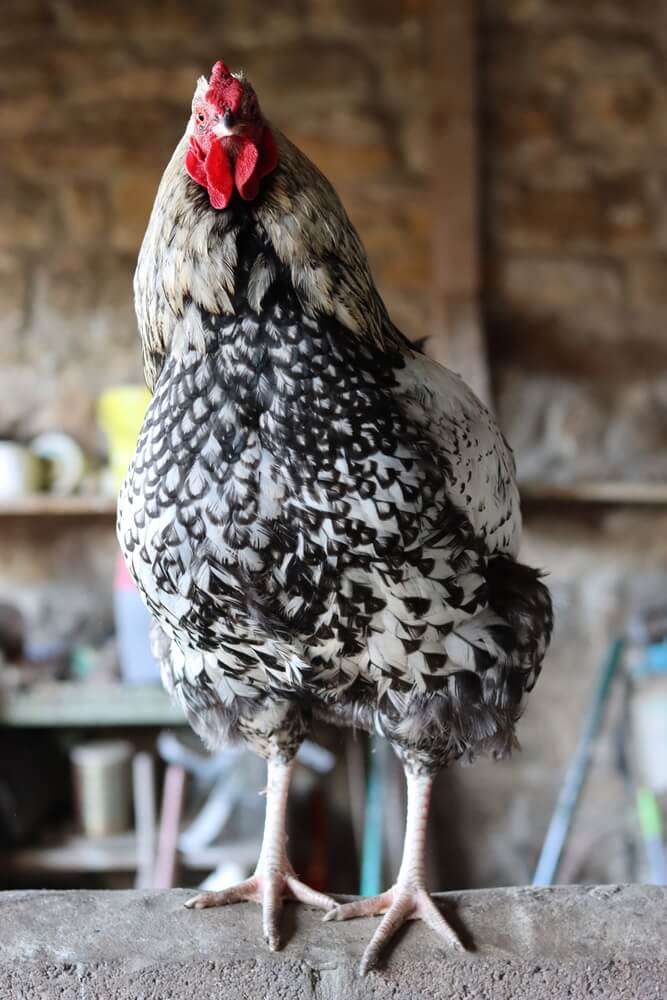
If you’re thinking about adding Wyandottes to your flock, go for it. These birds have earned their legendary reputation. And once you see that first Silver Laced hen strutting across your yard, you’ll understand precisely what all the fuss is about.
Welcome to the Wyandotte fan club. You’re going to love it here!
Thanks for reading.
Have a great day!