

9 Best States for Off-Grid Living in the USA (What to Know Before You Move)
Welcome! This article contains affiliate links, meaning I get a commission if you decide to make a purchase through my links, at no extra cost to you.
Choosing where to live off grid in the USA is about more than finding cheap land. Water access, building regulations, climate, growing conditions, and even your nearest neighbours can make or break the experience.
Some states make off-grid living much easier than others. Here’s what to consider before you buy land, plus some of the best states to look at.
Where Can I Live Off-Grid In The USA?
| State | Land Cost | Water Access | Climate | Rules |
|---|---|---|---|---|
| Kentucky | Moderate | Good | Humid | County-dependent |
| Montana | Higher | Variable | Cold | Flexible in rural areas |
| Oklahoma | Affordable | Decent | Storm risk | Moderate |
| Texas | Variable | Can be tricky | Hot/dry in many areas | County-dependent |
| Tennessee | Moderate | Good | Mild to humid | Often favorable in rural areas |
| Missouri | Moderate to affordable | Generally good | Four seasons | County-dependent |
| Arkansas | Affordable | Good | Humid, mild winters | County-dependent |
| West Virginia | Moderate | Generally good | Cooler, wetter | County-dependent |
| New Mexico | Affordable to moderate | Limited in some areas | Dry, sunny | Can be favorable in rural areas |
The ready availability of Internet service, composting toilets, solar power systems, water collection systems, hydroponic gardening systems, wind generators, and various other products and systems make living off-grid possible just about anywhere in the world.
Living off grid is technically possible in many places. The real question is whether local laws allow the setup you have in mind.
Whether you’re in Canada, the United States, Australia, or anywhere else in the world, you are subject to the rules and regulations set forth by the government of that locality.
In some municipalities, some laws restrict using products like composting toilets, rain harvesting systems, solar electric systems, and other products that off-grid enthusiasts typically use.
Other localities have rules against raising livestock like goats, sheep, rabbits, chickens, swine, cattle, and other animals that many homesteaders raise for companionship, ecological purposes, meat, eggs, milk, fur, revenue, and other purposes – even though people have been doing this for many, many thousands of years!
Let’s look at each of these states closer. And specifically, how they accommodate the off-grid lifestyle.
Kentucky
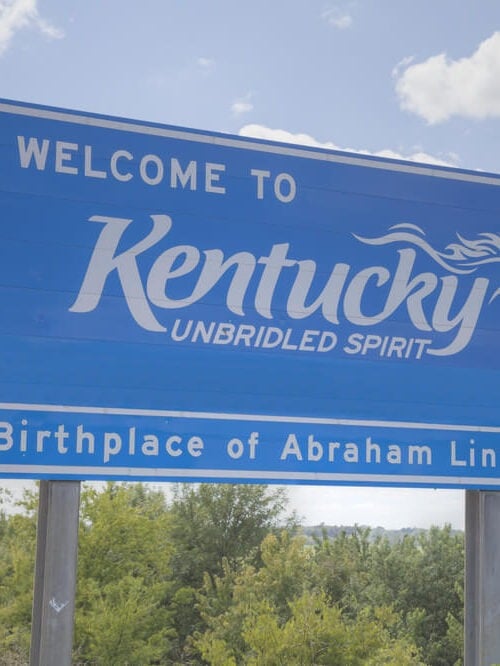
My mother was from Kentucky. My father was from Kentucky. I was born in Ohio. And now own land in Kentucky. I love Kentucky!
Kentucky offers a combination of affordable land, lower living costs, decent rainfall, and a relatively long growing season, which makes it appealing for off-grid living.
Kentucky also gives you much warmer, shorter-lasting, and less intense winters than Ohio, where I spent much of my life. You’ll find land prices in Kentucky to be significantly less than in most other states in the US. Kentucky is also abundant in wildlife, making hunting excellent year-round.
Its humid climate and relatively long growing season can also be a big plus for gardening, allowing you to maximize your food storage for the winter.
Montana
Montana is a strong option for off-grid living, especially if you want space, privacy, and room for livestock or larger-scale projects.
One thing to think about is the weather. Montana can be harsh, with long winters, cold temperatures, and in some areas, relentless wind across open prairie land. That kind of exposure can make daily life a lot harder, especially if you’re relying on off-grid systems for heating, water, and power.
That said, not all of Montana is the same. Mountainous and more sheltered areas can offer some protection from the wind, though colder conditions are still part of the package.
If you’re considering Montana, think carefully about the type of land you actually want. Wide-open grazing country might suit ranching, while a more protected block may be a better fit for a smaller off-grid setup.
Oklahoma
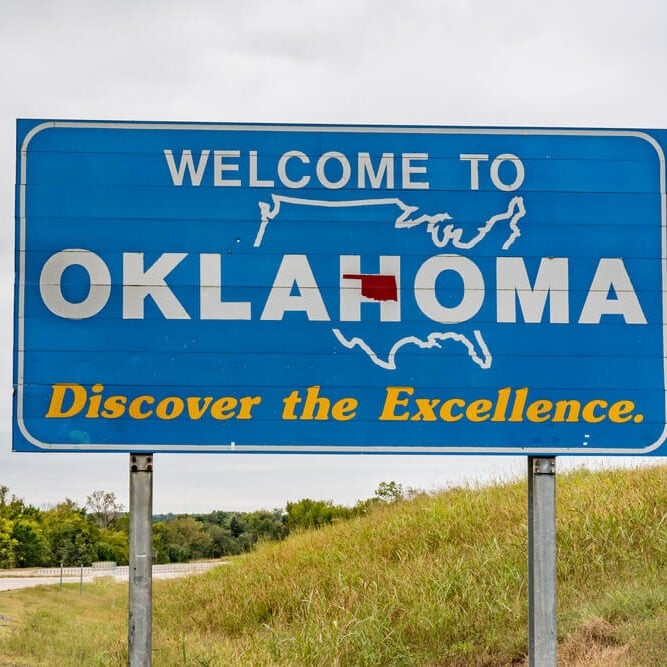
Oklahoma offers a mix of affordability, milder winters, and plenty of rural land, which makes it attractive for off-grid living.
Weather is the big consideration here. Tornadoes, storms, hail, and flash flooding can all be part of life depending on where you settle, so resilience planning matters.
That said, land can be reasonably priced, and there’s enough variety across the state to suit different setups.
Texas
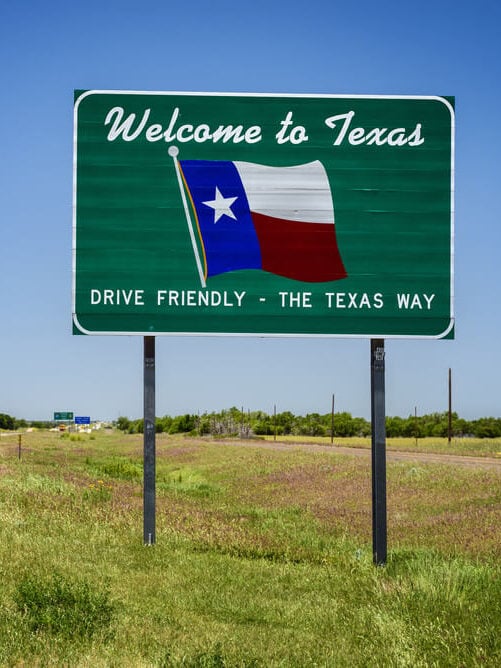
After Alaska, Texas is by far the largest in the United States. As such, it offers a wide range of ecological diversity, natural resources, fishing and hunting opportunities, and affordable land.
Texas offers a lot of opportunity for off-grid living, especially if solar power is part of your plan. The main challenge is water. Some areas are dry, drought-prone, and may require serious planning around water storage and collection.
Because Texas is so large, conditions vary hugely from one region to another, so local research matters.
Other States Worth Considering for Off-Grid Living
The four states above aren’t the only places worth considering. Depending on your budget, climate preferences, and how independently you want to live, a few others often come up in off-grid conversations.
Tennessee is a popular choice thanks to decent rainfall, a long growing season, and relatively affordable rural land in many areas. County rules vary, so it’s worth checking local regulations carefully before buying.
Missouri is another practical option for people looking for lower land costs, seasonal weather, and room to grow food or keep livestock. Like most states, what’s allowed can vary a lot by county.
Arkansas attracts plenty of homesteaders because of affordable land, rainfall, and a mild climate compared with northern states. Humidity can be a factor, but the growing conditions appeal to many.
West Virginia can be appealing if privacy, wooded land, and water access are high on your list. The terrain can make building more challenging in some areas, but it’s worth a look.
New Mexico often gets mentioned by serious off-grid enthusiasts, especially for solar power potential and fewer restrictions in some rural areas. The trade-off is water. Dry conditions make planning essential.
No matter which state looks good on paper, always dig into county-level rules before making any decisions. One rural county can be very different from the next.

What Is Off-Grid Living?
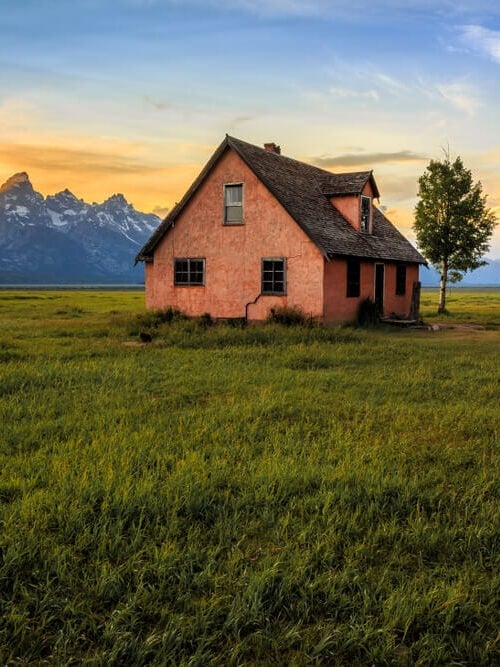
Off-grid living is a lifestyle built around greater independence, self-reliance, and sourcing your own essentials rather than relying fully on public utilities.
While many homesteaders consider the term off-grid to only pertain to the electrical grid, many modern folks prefer to live without water or sewage services and other commodities in towns and cities.
Of course, that doesn’t mean living without electricity, water, natural gas, or a proper sewage system. It just means sourcing these resources independently instead of relying on the city government to do it for you.
Next, we should examine some of the enticing benefits of an off-grid lifestyle.
After that, we’ll look at the vital factors you must consider before choosing any location to begin living this adventuresome, close-to-nature lifestyle.
Benefits of Off-Grid Living
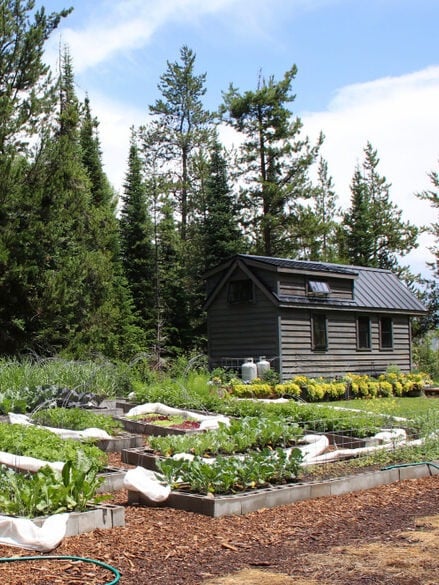
Living off the grid isn’t always pleasurable and easy. It’s hard work – like anything worth pursuing. It requires a lot of work on a repetitive basis – like the following.
- Ensuring that your electrical system remains in proper working order
- Gardening your veggies, herbs, and fruits
- Procuring and stocking firewood
- Harvesting and filtering water
- Being prepared for weather emergencies
- Being responsible for your safety and security
- And loads of other off-grid-lifestyle-specific responsibilities
However, this alternative lifestyle is becoming more and more popular, on a worldwide basis, for a lot of good reasons, even though the previously-mentioned challenges will be present.
Some of the most beneficial aspects of living off-grid include achieving a greater sense of personal fulfillment, living more independently, saving a lot of money on unnecessary purchases, helping to make the global environment more sustainable, lowering your carbon footprint, and being surrounded by the beauty of nature, free of the hustle, bustle, crime, and busyness of the cities.
6 Important Factors for Choosing the Best Place to Live Off the Grid
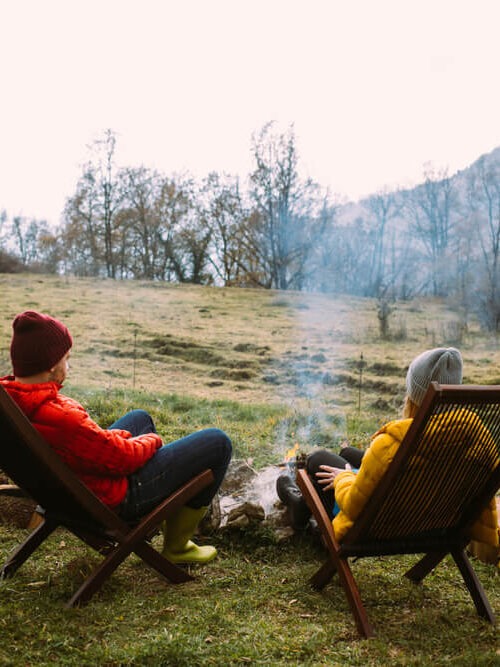
Living off-grid in one location will be an entirely different experience than living off-grid somewhere else. It’s wise to consider some critical location-specific factors before living off-grid anywhere, even in established off-grid communities. They include:
- The weather conditions that you will have to live with
- The community of people who will live nearby you and be your neighbors
- The cost of the land
- The governmental regulations you will be subject to
- The quality of the land you’re considering living on
- The availability of clean water
Let’s analyze these critical factors more closely so that you can better understand what to look for when choosing the best place to live off-grid for you and your family.
Climate
Are you the kind of person who likes four seasons every year, as I do? Or do you prefer sunshine and warm temps all the time? Or something else?
Consider which climate best suits you and your family’s wants and desires. Also, very importantly, changing seasons present different challenges for homesteaders.
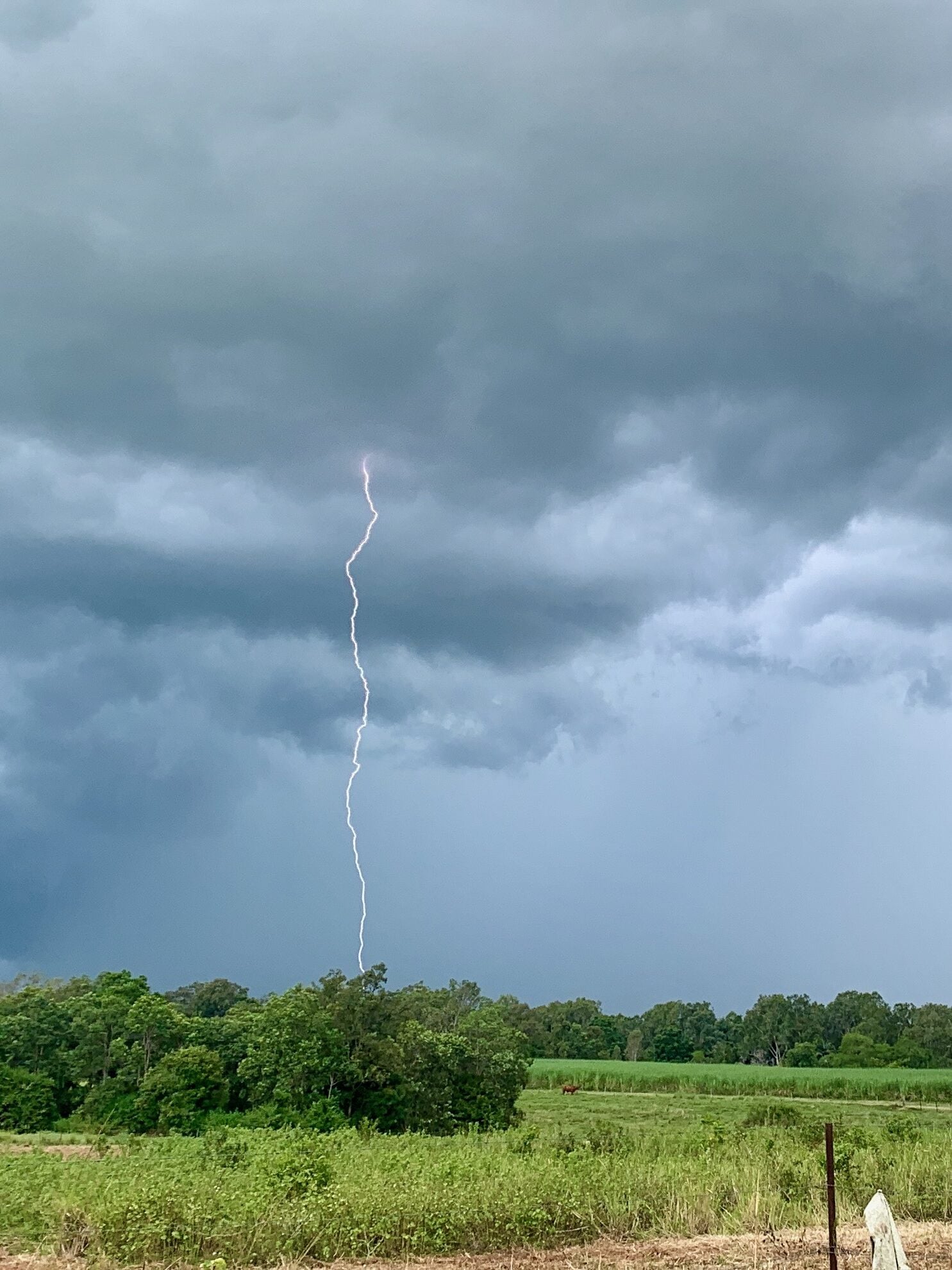
Think about how you will get through brutally cold winters if you choose to live somewhere where frigid temperatures are the norm.
Likewise, how will you stay cool during heated summers in a tropical location? And what about the rain and wind? Are you prepared to battle tornadic weather conditions?
It’s all about location. Research prospective locations for your off-grid lifestyle by doing an Internet search for something like “historical weather patterns in Texas, USA.”
That’ll be a perfect starting spot to understand how you would face natural disasters like drought, hurricanes, tornadoes, earthquakes, flooding, and wildfires. It all matters if you’re considering living there permanently.
Community
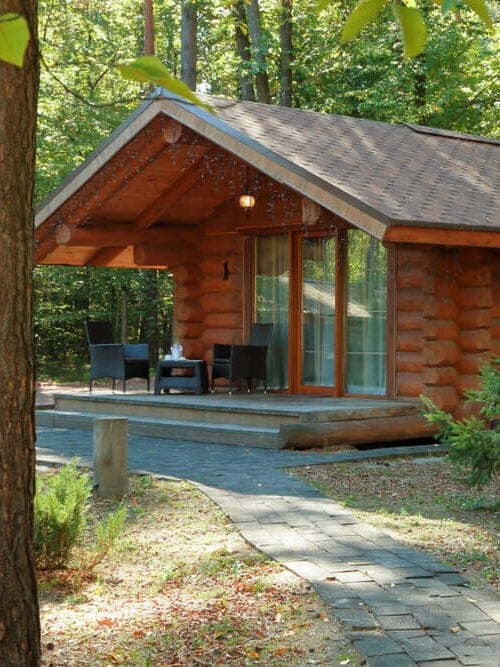
When you live off-grid, you still have neighbors somewhere nearby, even if they’re 20 miles away. And that’s a good thing because everybody needs somebody now and then.
However, it’s still an intelligent move to research who your neighbors will be, their belief systems, and how they will respond to you being in their neck of the woods.
Stop by and say hello. See how your neighbors make you feel. It matters, especially if they are right up the road from your homestead – and doubly so if they are in earshot.
Typically, it’s no big deal. And most off-grid homesteaders tend to get along famously. However, we all know that some people seem to have problems with everybody.
And, of course, you’ll want to get along with your neighbors, whether you ever visit and talk with them or not. It’s good to be able to drive by, give a friendly wave, and know that there’s no animosity, only respect.
Cost of Land
Be aware of the potential pitfalls of cheap land and know that price should not be your first consideration when choosing the best off-grid location to launch a homestead. How many acres of land will be best? An enticingly low price tag is often symbolic of the land’s quality.
Maybe there was a chemical spill there in the past. Maybe there’s no available clean water for miles. Research these variables before committing to buying your off-grid tract.
Government
Unfortunately, we all have to deal with the regulations and rules set forth by our local governments. So before you decide on any particular location to live off-grid, research the following.
- Local building codes
- Rules about raising livestock
- Clean water sources and harvesting laws
- Guidelines specifically about living off of the electrical grid. (Normally a bad sign.)
- Other regulations that will affect the way that you are allowed to operate your homestead
Some areas are far more restrictive than others, so it pays to research local regulations carefully before buying land. Zoning, building codes, livestock rules, and water laws can vary a lot from one county to the next.
Land Quality
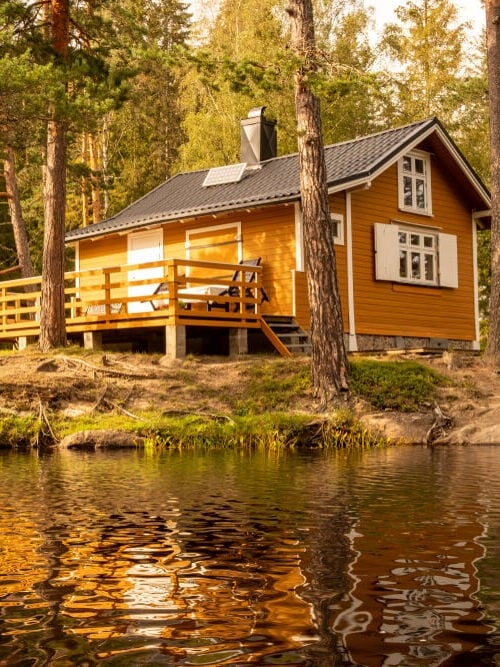
Land quality typically coincides with the price of a parcel of land. Ideally, you would want to set up your homestead in a location with a climate that you find desirable, a low probability of experiencing a natural disaster, no history of toxic chemical spillage, the ready availability of clean water, and plenty of annual rainfall to grow your garden in rich soil.
Water
From washing your hands to planting a seed, maintaining a clean home, cooking food, and so much more, our water supply is second in importance to life only after the air that we breathe. It’s tricky to live with any degree of comfort without a ready source of clean water.
So, water availability is vital when choosing the best location to live off-grid. Look for an off-grid site with easy access to water from a clean lake, pond, spring, river, or a functioning well that’s safe to use.
Read More!
- Free Land for Off-Grid Living In the USA and Canada In 2025!
- Best States for Homesteading In the USA! 2025 Off-Grid Locations!
Final Thoughts about Living Off-Grid In the USA
Living in an off-grid home is an atypical lifestyle that makes sense to more and more people every year. It’s a return to sanity for many when we see where the world has gone and where it seems to be going increasingly. Off-grid living, in my book, is just a logical return to better ways of going through life.
If you are considering changing from a traditional to an off-grid lifestyle, give it some deliberate and unrushed thought. Talk with your loved ones and family about the move. If you’re embracing off-gridding as a lifestyle, everything will become different.
In my case, everything became better. But I believe that’s because I had an intelligent plan. It didn’t happen overnight. I worked for several years to make it happen. It’s still a work in progress, but the rewards are beyond anything I can write here.
Thank you for reading along! And I hope you have enjoyed learning valuable information about the best places to live off the grid across the USA.
In the meantime, if you have more questions about the best places to live off-grid? Feel free to drop us a line.
We love hearing from fellow
Thanks again for reading.
And have a great day!

Fill your garden with fresh vegetables and your kitchen with homegrown food. This heirloom seed collection includes 32 popular varieties, from tomatoes, cucumbers, and lettuce to pumpkins, corn, beans, and carrots. It's an easy way to start a productive vegetable garden, grow more of your own food, and enjoy harvests that taste far better than store-bought produce. Perfect for anyone dreaming of a backyard packed with fresh vegetables!


What’s worked for you?
Have something to add? Share your experience below. Whether you’ve been gardening, raising animals, or making things yourself for years, your tips might help someone else.