
The 10 Best Citrus Trees For Indoor Growing (Yes, Even In Winter!)
Welcome! This article contains affiliate links, meaning I get a commission if you decide to make a purchase through my links, at no extra cost to you.
Winter feels like it’s dragging on forever. And it’s only January! Can you relate? Maybe you feel stuck staring out at gray skies and bare branches day after day. If so, then consider growing some potted citrus trees with us. These vibrant trees fill your home with fragrant blossoms, add life to any room, and give you a little taste of sunshine even when it’s freezing outside. Plus, these trees also look gorgeous indoors, so even if you don’t want the fruit, they’re still rewarding and valuable.
Sound enticing?
Then let’s grow some potted citrus!
10 Best Citrus Fruits For Growing Indoors In Pots – Even During Winter
There are over a dozen delicious citrus fruit cultivars you can grow in pots. But we’ve narrowed our list down to our top 10 favorites.
1. Improved Dwarf Meyer Lemon
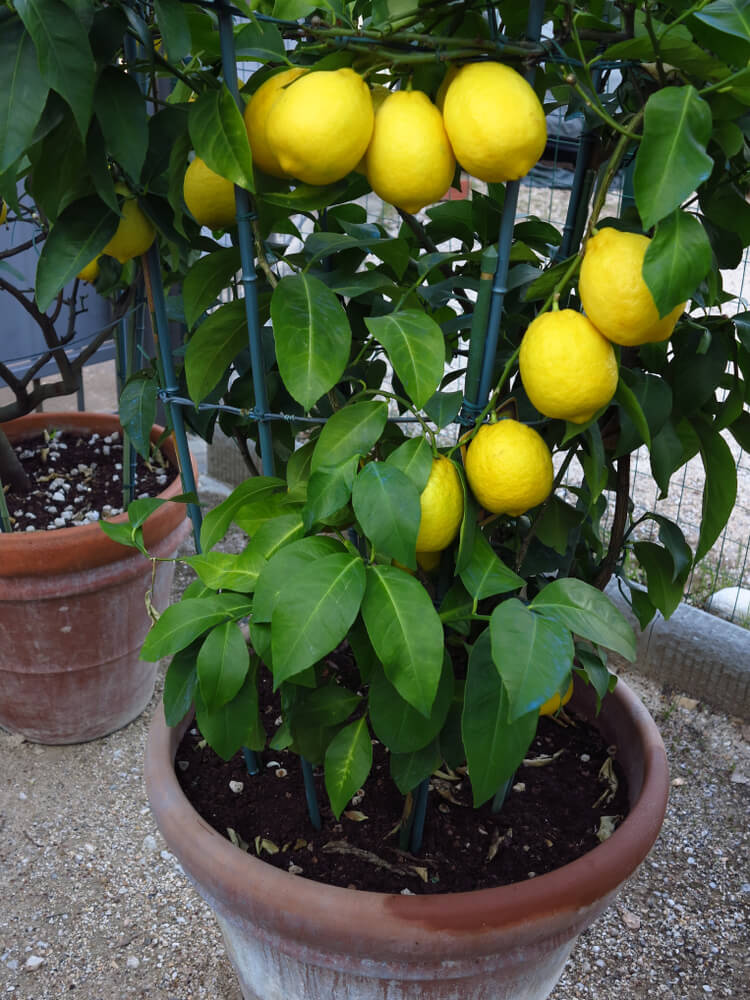
The Meyer Lemon is the gold standard for indoor citrus growing, and for good reason. This yummy hybrid between a true lemon and a mandarin orange produces sweeter, less acidic fruit. It’s perfect for everything from lemonade to preserved lemons. The trees are also forgiving for beginners. They even tolerate occasional lapses in watering better than most citrus varieties. And don’t be alarmed if flowers drop. It’s the tree’s way of self-regulating fruit load.
- Pot Size: 5 to 7 gallons (Standard large planter).
- Tree Size: 3 to 5 feet (easily pruned to stay smaller).
- Harvest Time: Peak winter (November to March). It can bear fruit year-round.
- Light Requirements: High (8+ hours).
Dwarf Meyer lemon zest is magnificently aromatic. It also freezes beautifully so that you can preserve it year-round.
2. Kishu Baby Mandarin
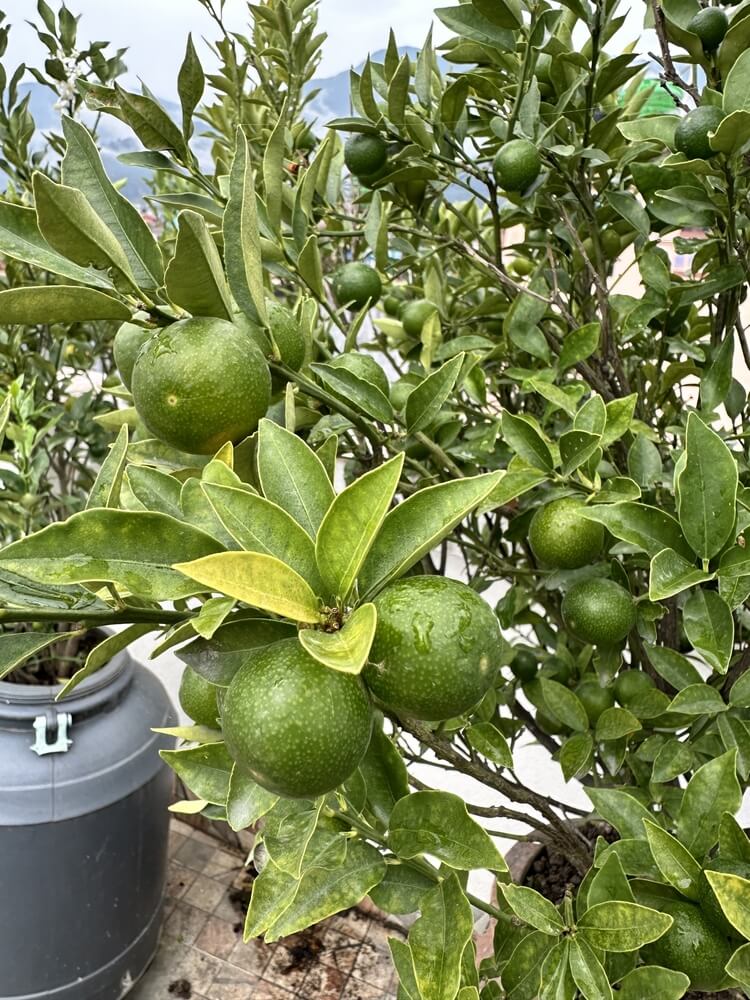
Have you ever seen a Kishu mandarin? If not, you’re in for an exotic treat. These seedless, thumbnail-sized fruits are explosively sweet. They practically pop in your mouth. They’re especially beloved by families with children, as the tiny segments make lovely and healthy snacks that little hands can peel themselves. The compact nature of this tree makes it ideal for apartment dwellers or anyone with limited space. It’s also one of the most reliable producers once established.
- Pot Size: 5 to 10 gallons (Naturally compact).
- Tree Size: 2 to 4 feet. One of the best “tabletop” varieties.
- Harvest Time: Early winter (Nov to Jan).
- Light Requirements: Moderate to High. Needs bright light to sweeten the fruit.
Let your Kishu Baby Mandarin fruit hang on the tree for a few extra weeks past maturity. Doing so makes the fruit much sweeter.
Read More – 21 Best Evergreen Shrubs And Trees For A Gorgeous Winter Garden That Never Sleeps!
3. Mandarin Calamondin
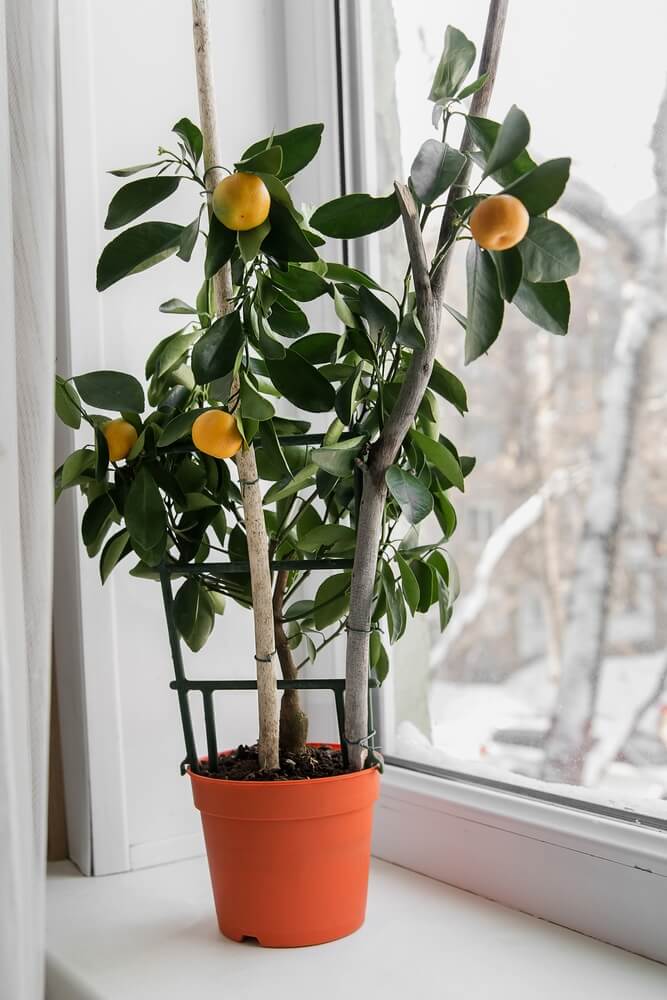
The Calamondin is perfect if you’re working with less-than-ideal light conditions or want a tree that doubles as a stunning ornamental. The fruit is quite tart (think of it as a cross between a kumquat and a sour mandarin), and it makes exceptional marmalade, cocktail garnishes, and Filipino-style dipping sauces when mixed with soy sauce and chili. This tree is an absolute workhorse, often carrying fruit and flowers simultaneously, creating a beautiful display of white blossoms and orange globes.
- Pot Size: 3 to 7 gallons (Very happy in smaller containers).
- Tree Size: 2 to 3 feet. Very shrub-like and ornamental.
- Harvest Time: Nearly year-round. Very prolific.
- Light Requirements: Moderate. The most “shade-tolerant” of all citrus.
Calamondin is easy to grow. However, they need consistent moisture. They’re more sensitive to drought stress than other citrus trees. And, they will definitely drop fruit when stressed.
4. Nagami Kumquat (Citrus japonica)
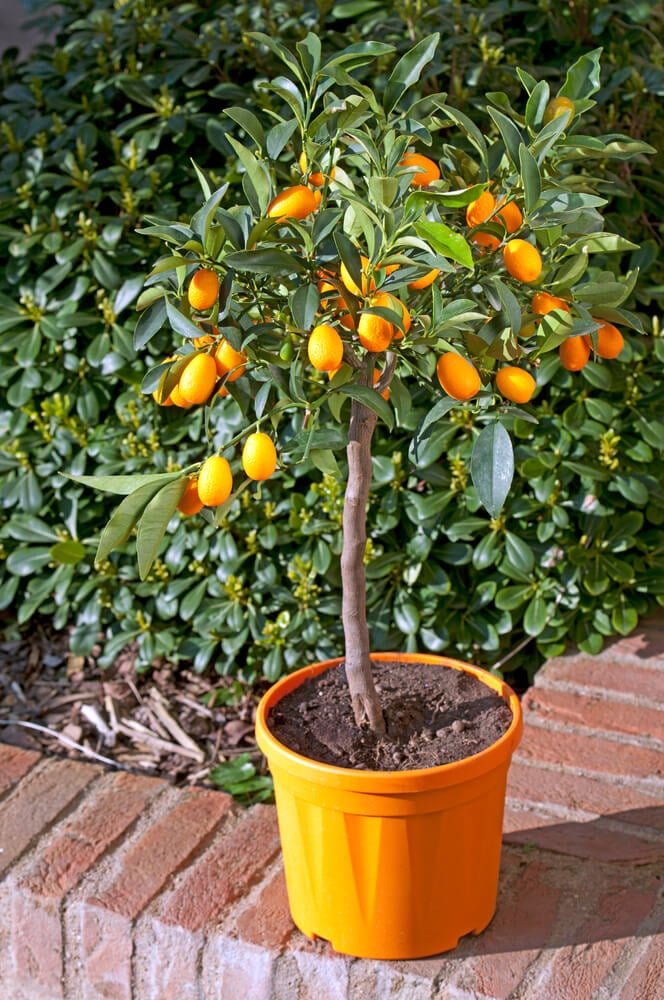
Kumquats are a delicious hidden gem for indoor growers. You eat them whole, skin and all. The Nagami variety is particularly well-suited to container culture due to its naturally slow growth. These fruits are phenomenal candied, sliced thin into salads, or muddled into winter cocktails.
- Pot Size: 7 to 10 gallons.
- Tree Size: 3 to 4 feet. Slow-growing and easy to shape.
- Harvest Time: Late winter to early spring.
- Light Requirements: High. Loves the heat and light of a sunroom.
While the kumquat tree is very cold-hardy (surviving down to 18°F outdoors), its fruit is not. If you are keeping it in an unheated sunroom, ensure the temperature stays above freezing to protect your harvest!
Read More – The Ultimate Guide to Growing Snake Plants From Seed, Cuttings, or Transplant!
5. Key Lime
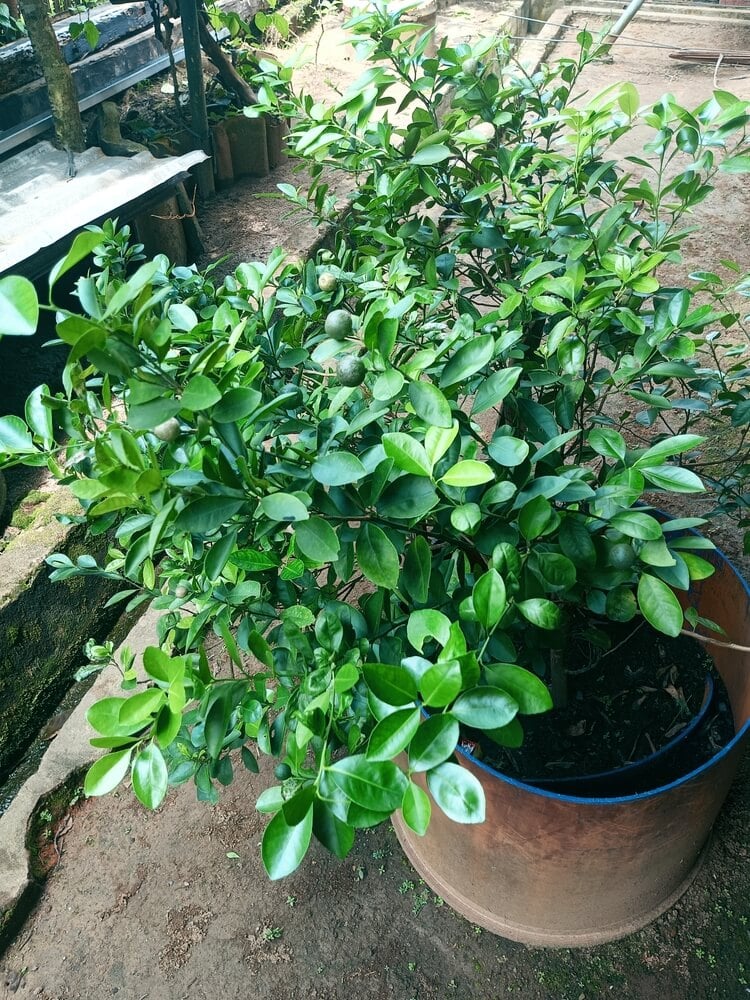
Key lime trees are somewhat tricky to grow indoors. But, they’re worth the effort. Their floral flavor works perfectly for pies, marinades, tea, and ceviches. But, be warned. Key lime trees are thorny. So, place them where you won’t brush against them regularly. Also, be prepared to wear gloves when harvesting. The fruit is ready when it turns yellow, not green, though many people harvest it green for a more tart flavor. Indoor Key limes benefit significantly from increased humidity.
- Pot Size: 5 to 10 gallons.
- Tree Size: 2 to 4 feet. Tends to grow “bushy” rather than tall.
- Harvest Time: Summer through early winter.
- Light Requirements: Very High. Needs warmth to produce juice.
The biggest challenge is providing enough warmth and light to encourage juiciness. Fruits grown in cooler or dimmer conditions can be disappointingly dry inside.
6. Australian Finger Lime
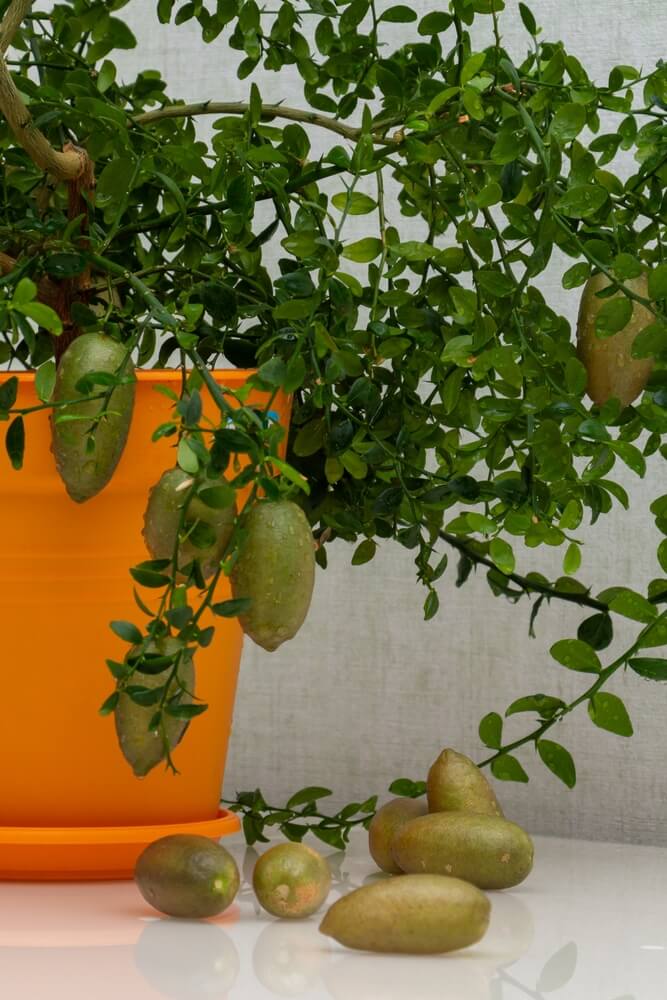
Here is one of the yummiest fruits on our list. It is called “citrus caviar” by homestead chefs. These tasty limes contain tiny, pearl-like vesicles that burst with intense lime flavor. They are a showstopper on oysters, fish, beef, or even just sparkling water. This native Australian species is still relatively uncommon in home growing, but is gaining popularity fast. The trees are tougher than they look and tolerate a broader range of garden soil types than many other citrus varieties. Watch for the small thorns when handling, and be patient. Finger limes can take 3 to 4 years to begin fruiting from a young tree.
- Pot Size: 5 to 7 gallons.
- Tree Size: 3 to 5 feet. Wonderful leaves and small thorns.
- Harvest Time: Autumn and Winter.
- Light Requirements: High. Prefers consistently bright light.
Another bonus of these little-known fruits is that they store well in the fridge for up to 2 months. They last several weeks longer than conventional citrus.
Read More – How To Grow Hedge Apple Trees (Osage Oranges) From Seeds Or Transplants!
7. Fingered Citron (Buddha’s Hand)
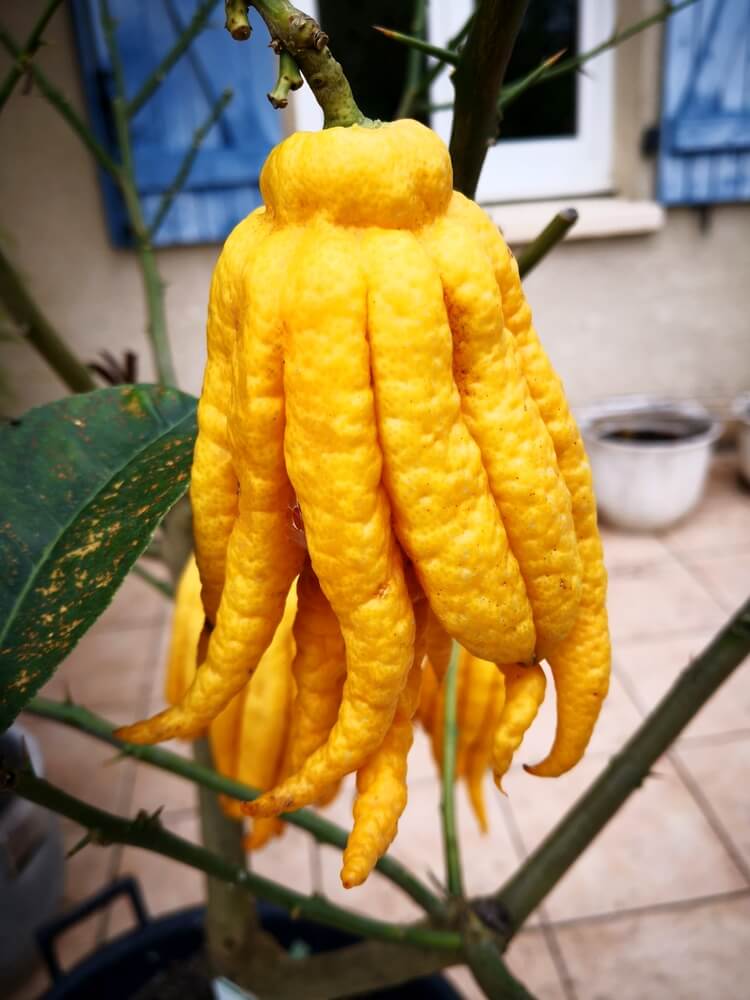
Have you ever seen a fingered citron? They are so weird! They’re also the conversation starter of the citrus world. It’s a fancy fruit that’s all fragrant peel and no juice or pulp. The best part is their finger-like segments that look like something from a fantasy novel. Buddha’s Hand is used primarily for zesting, candying, or infusing into vodka and liqueurs, and a single fruit can perfume an entire room with its intense lemon-floral aroma.
- Pot Size: 7 to 10 gallons (Needs a sturdy base).
- Tree Size: 4 to 6 feet. Has long, reaching branches.
- Harvest Time: Late Autumn to early Winter.
- Light Requirements: High. Requires a very sunny spot to develop the “fingers.”
Because there’s no fruit to weigh down branches, you can train this into beautiful espalier shapes or standards, making it as much a living sculpture as a productive tree.
8. Makrut Lime
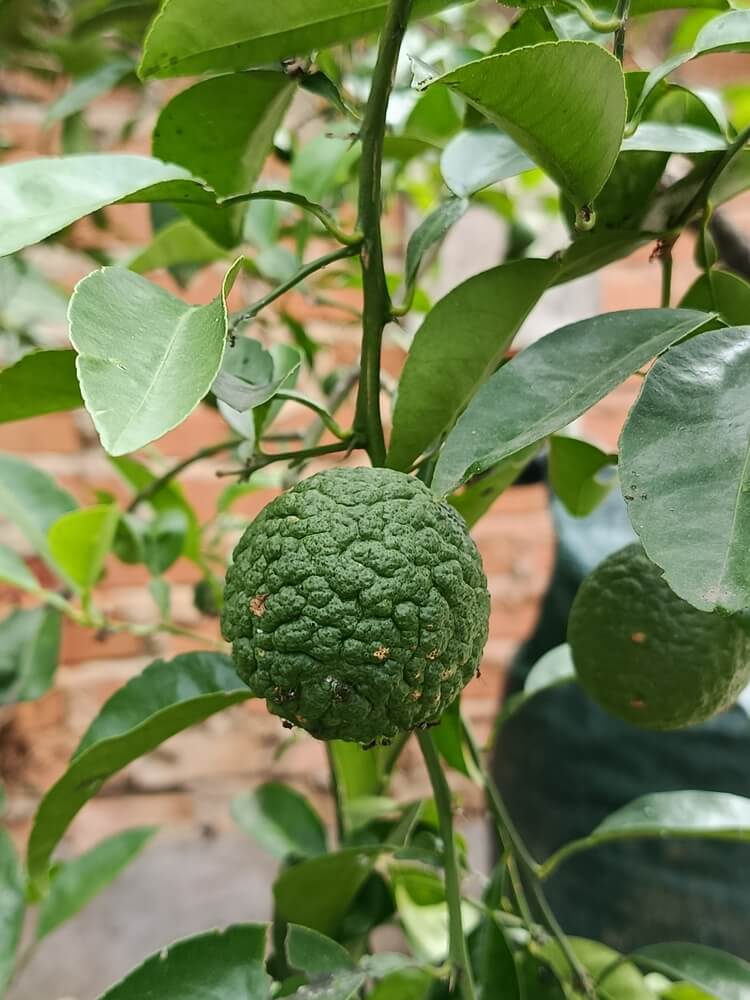
This epic and bumpy fruit is perfect for some homemade Southeast Asian cooking. But the real treasure here is the intensely aromatic double leaves, which are essential for authentic Thai curries, tom yum soup, and Vietnamese pho. You can harvest leaves year-round without harming the tree. In fact, regular pruning encourages bushier growth and more leaf production. The leaves freeze perfectly so that you can build a stash for your winter cooking projects. This tree is more forgiving of less-than-perfect light than most citrus, making it suitable for growers who might struggle with the high-light demands of lemons or limes.
- Pot Size: 5 to 10 gallons.
- Tree Size: 3 to 5 feet. Pruning the leaves for cooking keeps it small.
- Harvest Time: Leaves (Year-round). Fruit (Winter).
- Light Requirements: Moderate. Grows well even if the light isn’t “perfect.”
When using the leaves, remove the tough central rib and slice them very thinly, or add whole leaves to dishes and remove them before serving.
Read More – The 21 Best Food Forest Crops For Homesteaders And Small Gardens!
9. Eustis Limequat
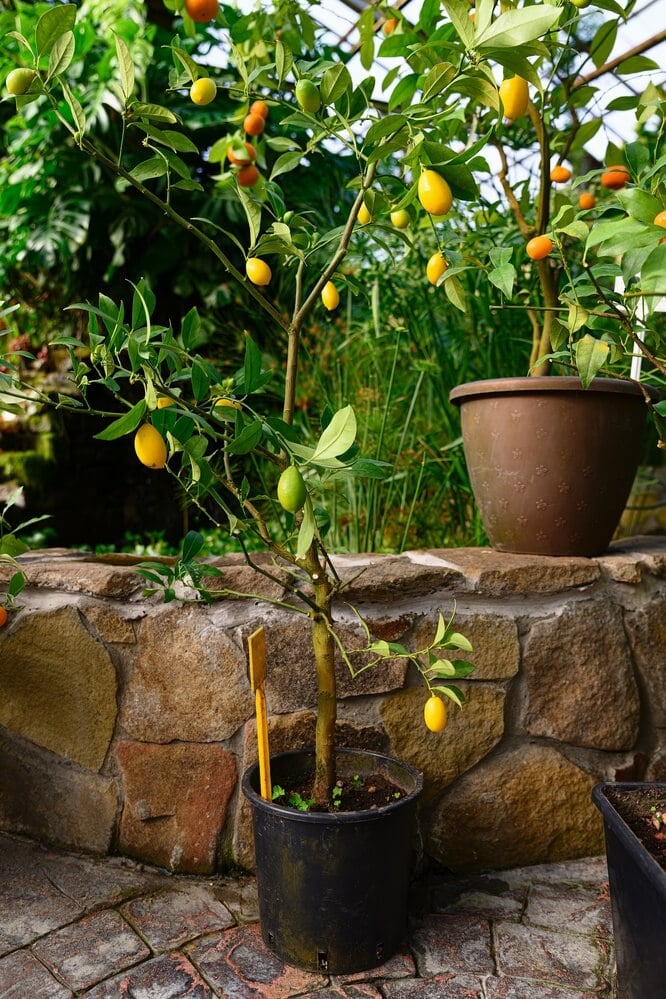
This underappreciated hybrid between a lime and a kumquat combines the best of both parents. You can eat it whole, like a kumquat, or use the juice like a lime. It is one of the most cold-tolerant citrus options, making it ideal for sunrooms or conservatories that might get chilly on winter nights. The flavor is complex and aromatic, less one-dimensional than a standard lime, making it excellent for cocktails and preserves.
- Pot Size: 5 to 7 gallons.
- Tree Size: 2 to 3 feet. Stays very petite.
- Harvest Time: Late Autumn through Spring.
- Light Requirements: Moderate to High. Very resilient to temperature shifts.
Limequat’s compact size makes it ideal for growers who want to cultivate multiple varieties in limited space. And it’s also notably less fussy about fertilization schedules than pickier citrus varieties.
10. Tangerine (Satsuma)
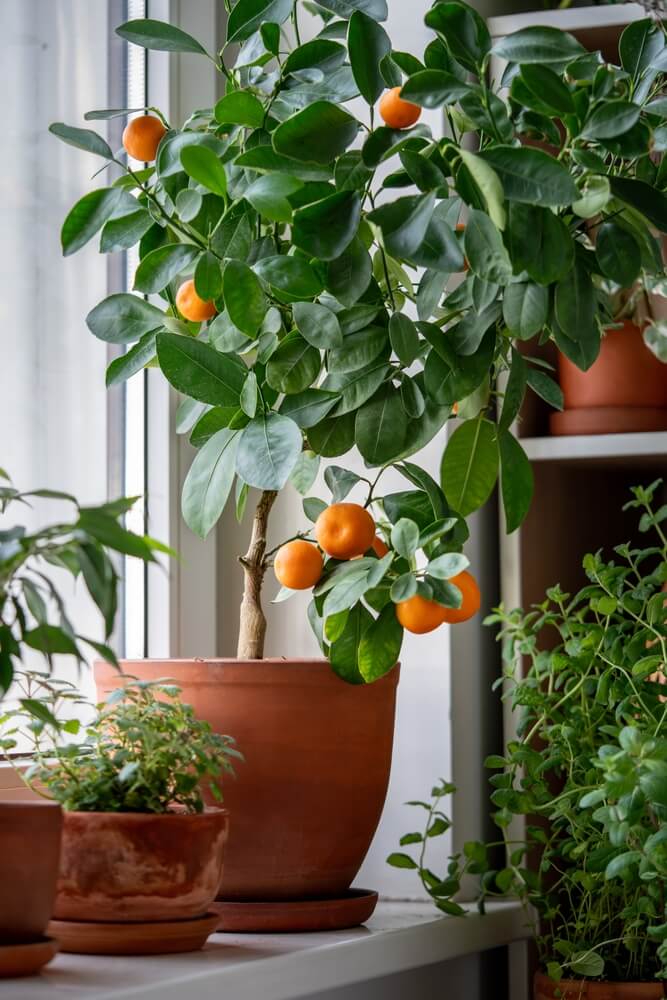
Satsumas are the ultimate easy-peel mandarin, with loose skin that practically falls away from the sweet, seedless segments. They’re synonymous with the holiday season across much of the South. These trees are among the most cold-hardy citrus available, and have been historically grown outdoors as far north as coastal Virginia. The fruit actually develops better flavor with some cool nights, making them perfect for unheated sunrooms or porches. Satsumas have a relatively low acid content, so they’re excellent for fresh eating but less ideal for cooking applications that need tartness.
- Pot Size: 10 to 15 gallons (Likes a bit more root space).
- Tree Size: 4 to 6 feet. Can be the “centerpiece” tree.
- Harvest Time: Early Winter (the ultimate “Christmas” fruit).
- Light Requirements: High. Needs a full day of sun.
The tree’s larger size makes it a focal point in any indoor garden. With proper care, a mature specimen can produce dozens of fruits in a single season. It provides your entire household with fresh citrus throughout the darkest winter months.
Read More – The Ultimate Guide To Growing Hostas From Seed, Division, Or Transplant!
Conclusion
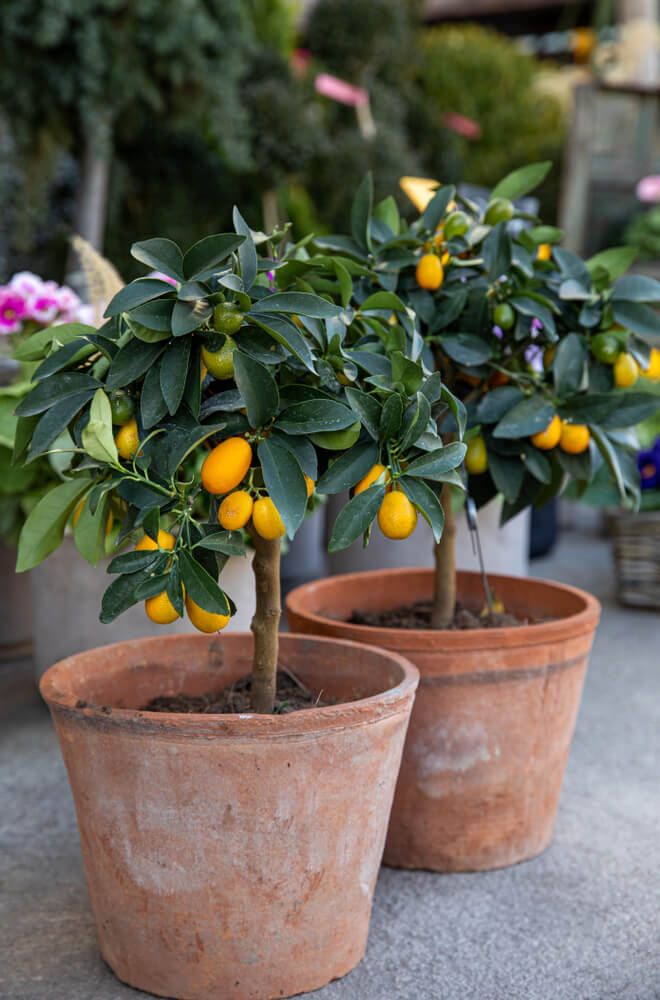
Growing indoor citrus trees helps you connect with warmer days! It also helps keep your hands busy indoors while the outdoors freeze over. Start with any cultivar that looks the best for you. Before you know it, you’ll be planning where to grow the next one. And the next one!
Thanks for reading.
Have a great day!


