The 10 Best Winter Cover Crops For Building Garden Soil!
Welcome! This article contains affiliate links, meaning I get a commission if you decide to make a purchase through my links, at no extra cost to you.
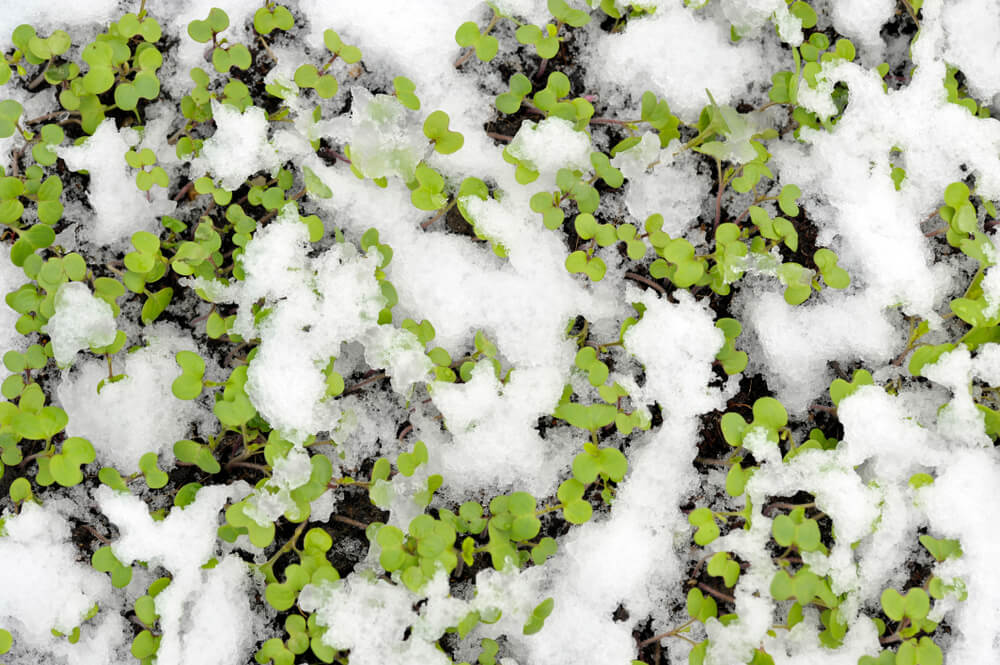
Most gardeners tuck their beds in for winter and hope for the best. Savvy gardeners plant a cover crop and let biology do the heavy lifting. Winter doesn’t have to be a season of soil loss! While you’re inside planning next year’s garden, the correct cover crops are fixing nitrogen, breaking up compaction, feeding soil life, and crowding out weeds before they germinate. They turn the off-season into your most productive soil-building months.
Sound intriguing?
Then let’s plant some epic winter cover crops.
Shall we?
10 Best Winter Cover Crops That Help Improve Winter Soil
Don’t leave your garden soil barren this winter. Grow one of these epic cover crops to help build your soil.
1. Mustard (White Or Brown)
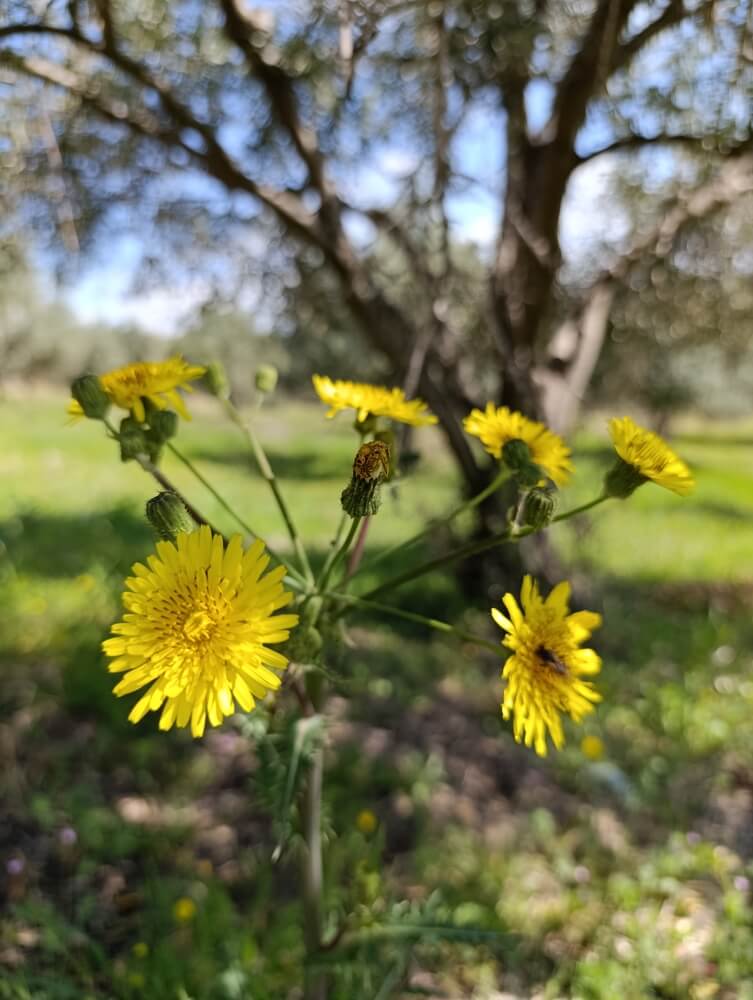
Mustard explodes out of the ground faster than most cover crops. It races to grab nutrients before fall rains wash them away. That speed also means it outpaces weeds and chokes them out before they establish. The real magic happens when you chop it down. Mustard breaks down in your garden, releasing compounds called glucosinolates! (Glucosinolates are natural compounds that act as fumigants against soilborne diseases and pests.)
- USDA growth zone: 4 through 9.
- Benefits: Fast biomass. Also, nutrient scavenging and potential biofumigation. Helps outcompete fall weeds.
- When to plant: Late summer to early fall.
When you chop mustard down in spring, the sharp, peppery aroma tells you it’s releasing those natural pest-fighting compounds into your soil.
2. Winter Wheat
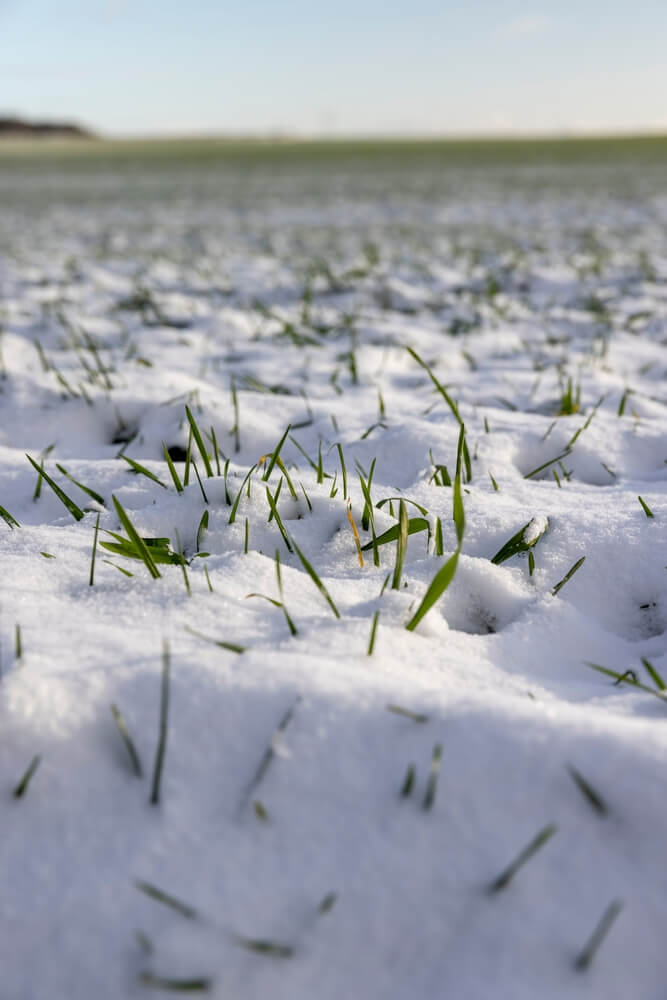
Winter wheat is a garden soil workhorse. Wheat holds soil in place through wind and rain. It also develops a dense root system that pulls up nitrogen. Most of all, winter wheat never tries to take over your life. The moderate biomass is easier to manage when you’re ready to plant, and those roots leave behind channels for air and water. Get it in the ground in early fall for best results.
- USDA growth zone: 3 through 9.
- Benefits: Erosion control, moderate biomass, strong root mass, good nutrient scavenging. Generally easier spring management than rye.
- When to plant: Early fall.
Come spring, those golden-brown stalks pull up easily. They then reveal a network of fine roots that transformed your hardpan into something that crumbles like cake.
Read More – How To Improve Garden Soil Naturally | Over Winter And Year-Round!
3. Daikon (Tillage) Radish
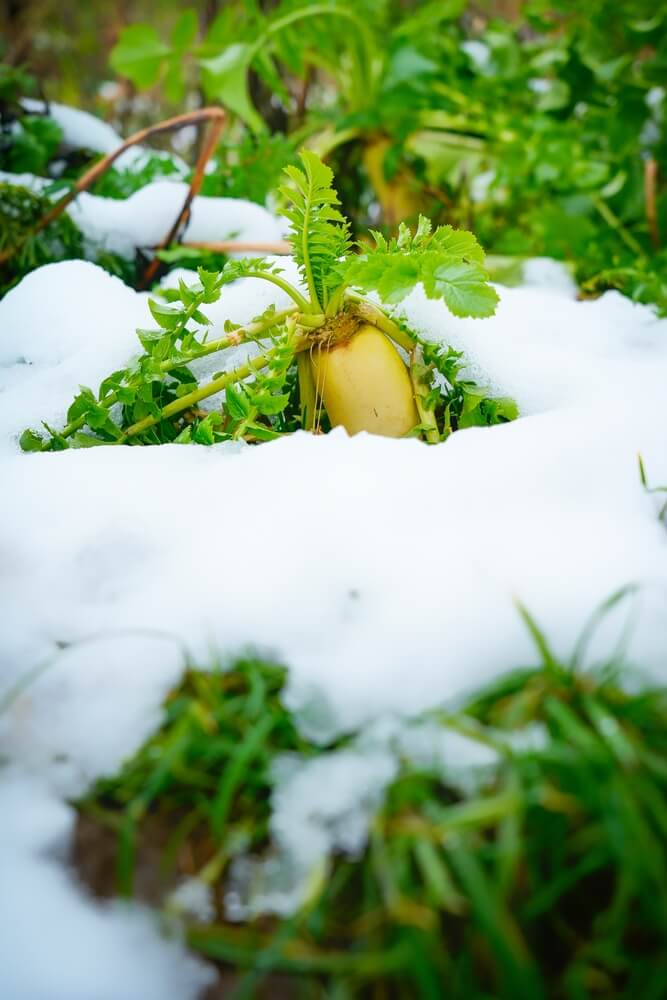
Daikon radish is like a natural tiller. Its thick white root grows deep. It breaks up hard garden soil and makes paths for water and future roots. It collects nitrogen from deep in the soil and stores it in its roots. In cold climates, the radishes freeze and break down, leaving behind channels of organic matter. Plant in late summer or early fall for the best root growth.
- USDA growth zone: 3 through 9.
- Benefits: Breaks compaction with a deep taproot, scavenges nitrogen, improves infiltration. Often winter-kills and leaves deep bio-channels.
- When to plant: Late summer to early fall.
Pull some daikon in late fall, and notice how it looks. You’ll find a white root as thick as your forearm that punched through clay like it was nothing. It’s like nature’s jackhammer at work.
4. Oats
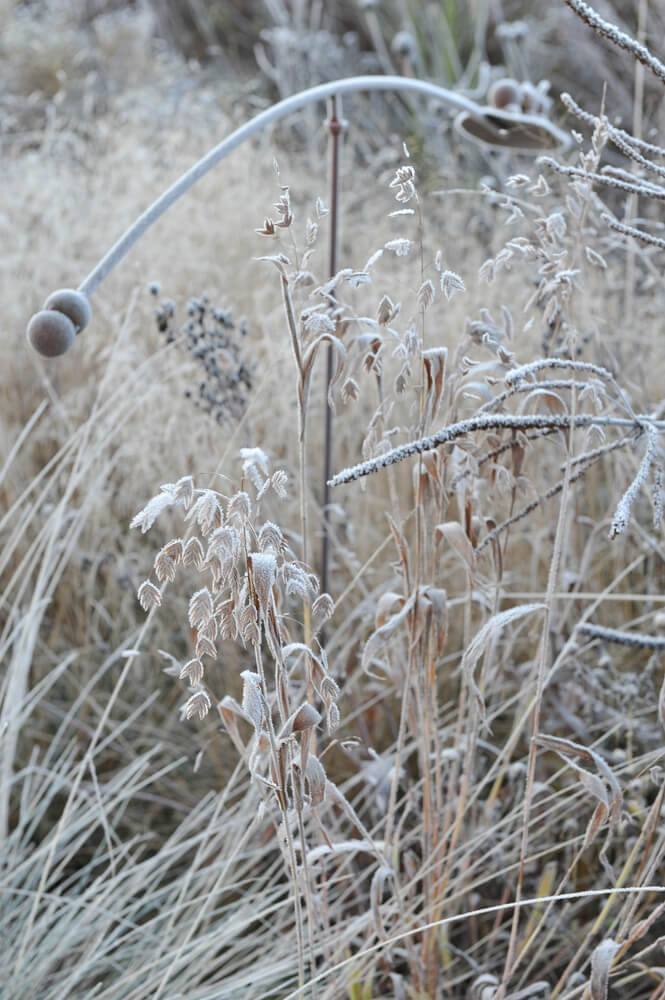
Oats are perfect set-it-and-forget-it winter cover crops. Oat shoots up fast in the fall and blankets your garden before weeds get a chance. In most climates, frost will kill your oats. Once the oat expires, it collapses into beautiful weed-suppressing mulch. No need to mow or till. Just broadcast some oat seeds and let Mother Nature handle the rest.
- USDA growth zone: 2 through 9.
- Benefits: Fast fall growth, protects soil, suppresses weeds. Often winter-kills and leaves an easy spring mulch.
- When to plant: Late summer to early fall.
By spring, your oats have collapsed into a perfect weed-blocking mulch. Earthworms tunnel through like it’s an all-you-can-eat buffet.
Read More – 21 Best Perennial Plants For Winter Garden Interest That Lasts All Season Long!
5. Crimson Clover
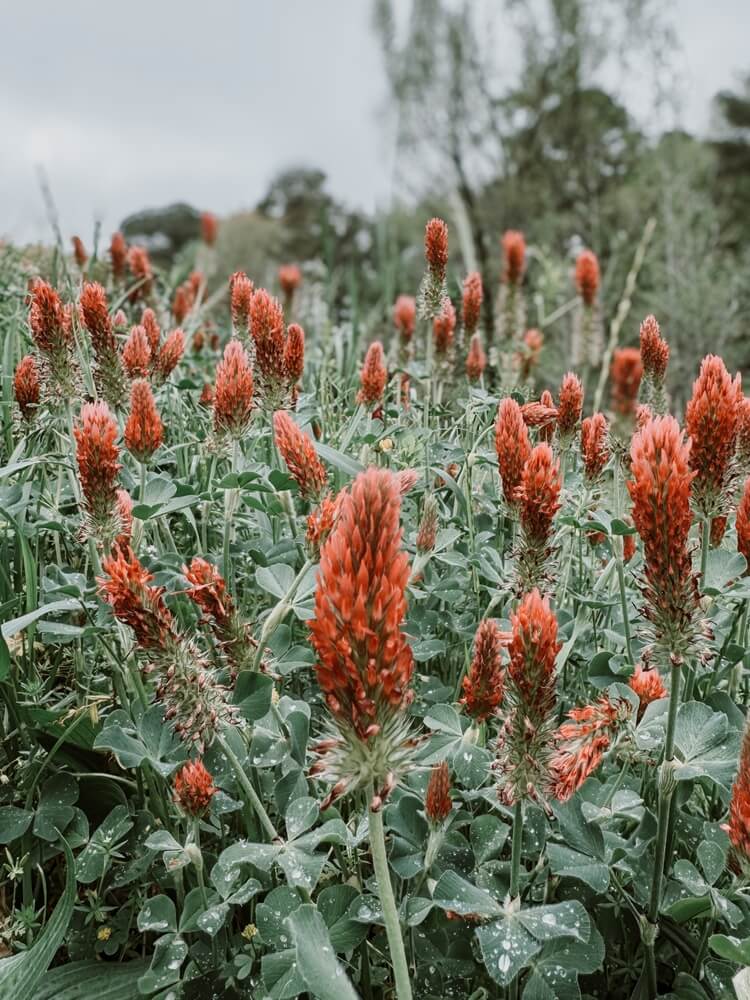
Crimson clover adds nitrogen and color to your winter garden. Its roots increase soil fertility by fixing nitrogen. In spring, the striking red flowers feed early bees and beneficial insects before you mow them for mulch. The roots also improve soil structure, help with drainage, and aeration. Plant it in late summer to early fall in areas where it survives winter.
- USDA growth zone: 2 through 10. The best overwintering range is 6-9. Performance depends on winter weather.
- Benefits: Fixes nitrogen, improves soil aggregation, feeds beneficial insects, and adds biomass.
- When to plant: Late summer to early fall. Early spring for a shorter cover.
Crimson clover blooms create a pollinator feast in early spring. Expect to hear bumblebees working so heavily that you can listen to them from your front porch.
Other Notable Clovers:
While crimson clover steals the spotlight with those scarlet blooms, don’t overlook white clover and red clover as excellent winter cover options. White clover is a low-growing perennial that creates dense living mulch, tolerates foot traffic, and fixes nitrogen year-round in zones 4-9.
Red clover (also called medium clover) produces more biomass than white clover, fixes substantial nitrogen, and overwinters reliably in zones 4-8. Both establish faster than crimson clover and provide multi-year cover if desired.
White clover shines in orchards or as permanent pathways between garden beds, while red clover excels as a short-term green manure crop.
6. Triticale
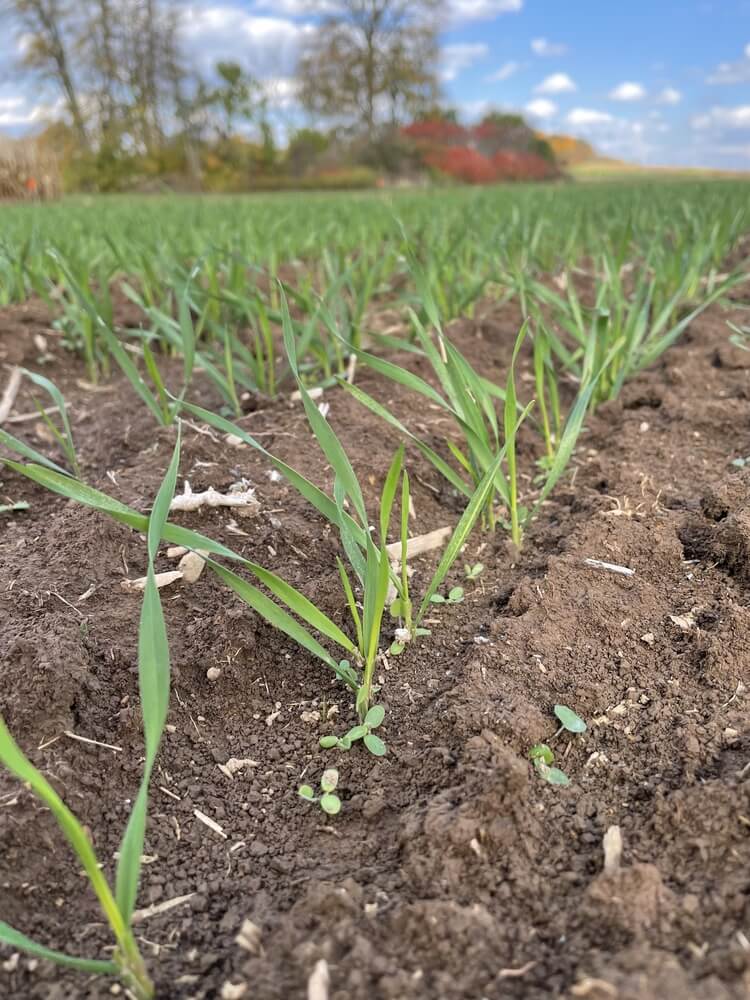
Triticale is a helpful plant hybrid that combines the best of wheat and rye. It produces a ton of biomass, holds soil well, and develops deep roots. It’s way easier to manage than rye and less aggressive. The leftover plant material suppresses weeds and feeds soil organisms as it breaks down. Plant triticale in early to mid-fall for best results.
- USDA growth zone: 3 through 9.
- Benefits: High biomass, erosion control, strong root system, and elite nutrient scavenging.
- When to plant: Early to mid-fall.
Triticale grows tall enough to sway in winter winds. But you can easily cut it down in the spring. No need to rush the cleanup. Leave behind enough organic matter to feed your garden soil for months.
Read More – 21 Microgreens To Grow Indoors For Fresh, Nutritious Food All Winter!
7. Winter Rye (Cereal Rye)
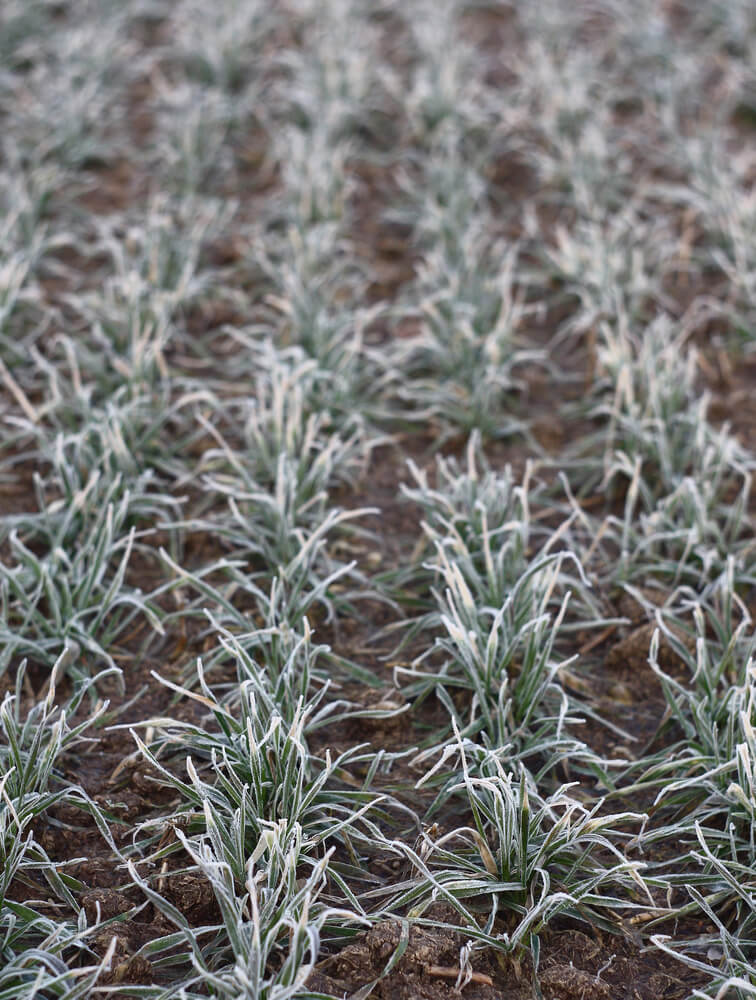
Winter rye rocks as a winter cover crop. It produces more biomass than most, holds soil well during winter storms, and is very effective at suppressing weeds. Its deep roots break up hard, compacted soil and improve structure. You can plant it later than most other cover crops, and it will still grow. However, it can be hard to remove in spring, so plan. Sow winter rye from late summer through fall.
- USDA growth zone: 3 through 9.
- Benefits: Excellent erosion control, heavy biomass, strong weed suppression, and deep roots that improve soil structure.
- When to plant: Late summer through fall (tolerates later planting than most covers).
This beast will survive anything winter throws at it, standing tall through ice storms and late snows when everything else has given up.
8. Austrian Winter Peas
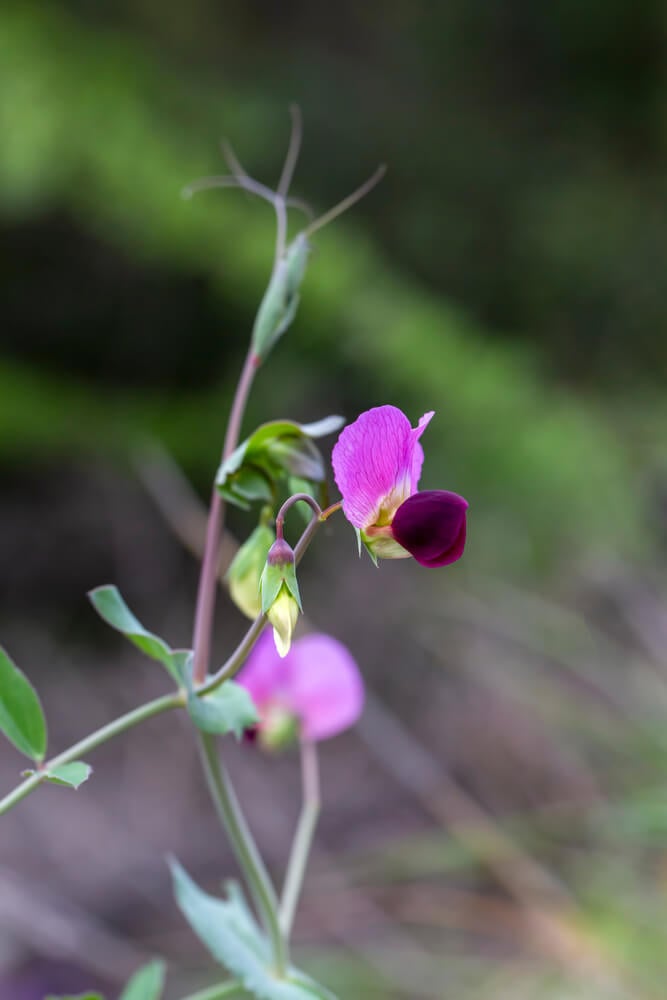
Austrian winter peas are excellent at adding nitrogen to your soil. Their root nodules take nitrogen from the air and make it available to plants, while the vines create a lot of organic matter. This biomass improves soil texture and water retention. If you let them flower in spring, they will also feed early pollinators before you turn them under. In areas with harsh winters, use them as a spring cover instead. Plant in late summer to early fall for overwintering.
- USDA growth zone: 3 through 9.
- Benefits: Fixes nitrogen, produces abundant organic biomass, and improves soil tilth. Can provide early pollinator forage if allowed to bloom.
- When to plant: Late summer to early fall.
Let your Austrian winter peas bloom unchecked. You get mounds of purple-white flowers that attract native bees. Those root nodules also pump free nitrogen into every corner of your bed.
Read More – 21 Magnificent Winter Birds To Look For In Your Backyard This Season!
9. Purple Top Turnips
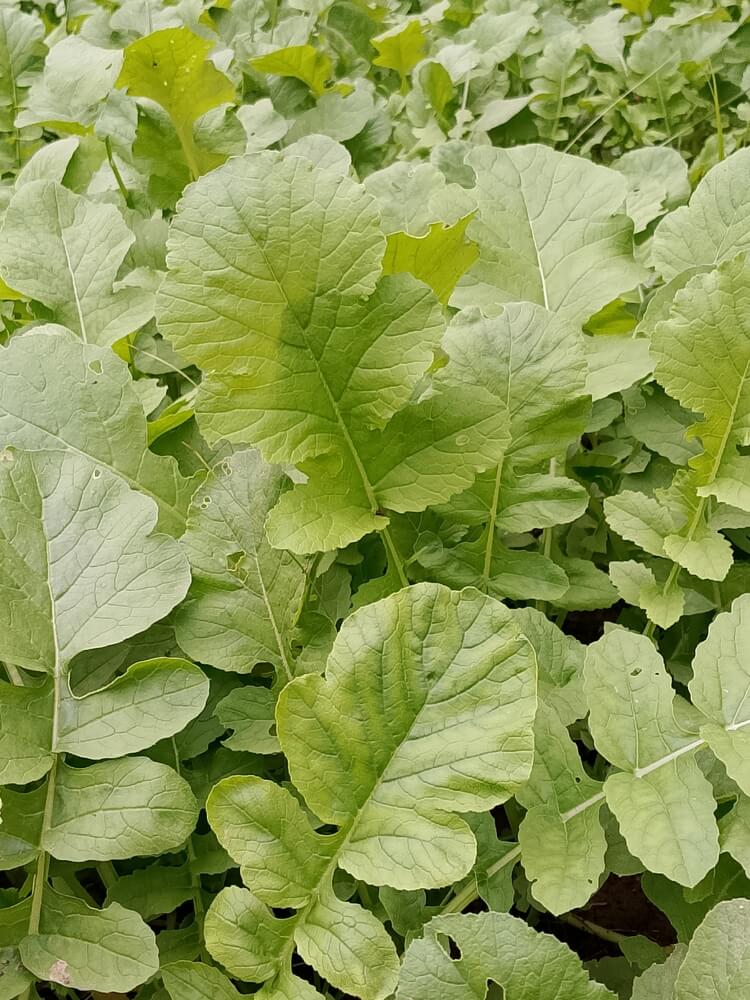
Purple top turnips serve several purposes. They collect nutrients that might otherwise be lost. Turnips also loosen the upper soil and add substantial biomass. In some gardens, they can also be used as livestock feed. The roots and tops break down quickly when mixed into the soil, releasing nutrients for your spring crops. Plant them in late summer to early fall for best results.
- USDA growth zone: 3 through 9.
- Benefits: Scavenges nutrients, loosens upper soil, adds biomass. Can double as forage in some systems.
- When to plant: Late summer to early fall.
The purple-crowned roots break down so fast in spring that you can notice your soil darken and soften as the nutrients release over days and weeks.
10. Hairy Vetch
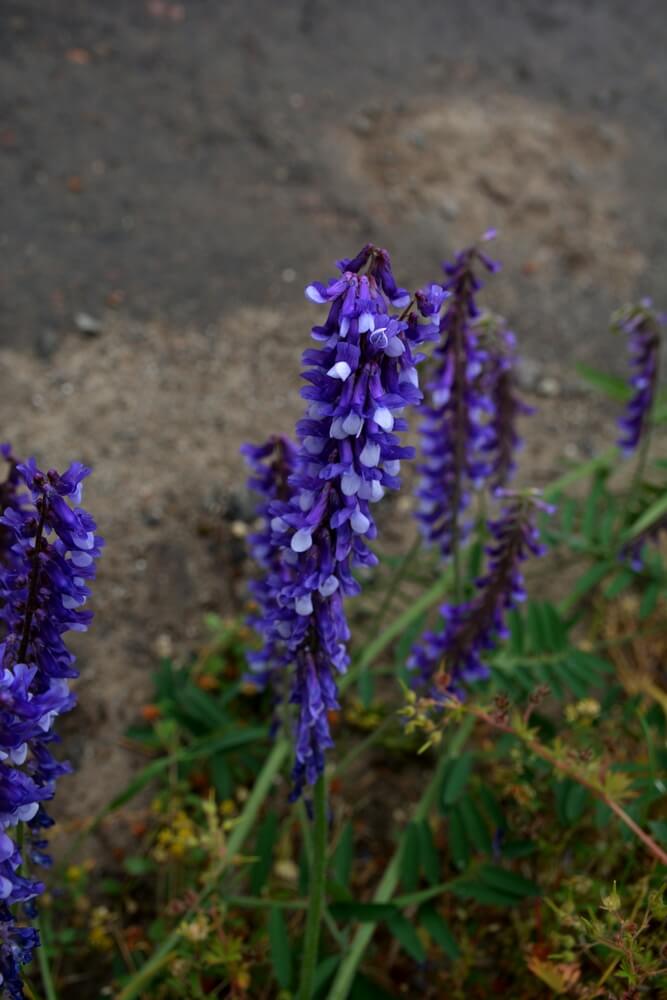
Hairy vetch is a lovely nitrogen-fixing cover crop. Though it grows slowly, it adds more nitrogen than most other legumes, produces abundant spring biomass, and forms a dense suppressive mat that suppresses weeds. Its vining growth improves soil structure, and the leftover plant material acts as a long-lasting mulch. Plant it in late summer to early fall for overwintering, or use it as a spring cover in colder areas.
- USDA growth zone: 4 through 9.
- Benefits: Fixes nitrogen, builds spring biomass, improves soil structure, and helps suppress weeds.
- When to plant: Late summer to early fall for overwintering. Early spring in colder zones.
In spring, hairy vetch’s purple flower spikes create a living mulch so thick that weeds don’t stand a chance. And ground beetles use the dense mat as hunting grounds for pest larvae.
Read More – The Ultimate Guide To Growing Winterberry From Seed, Cuttings, Or Transplants!
Conclusion
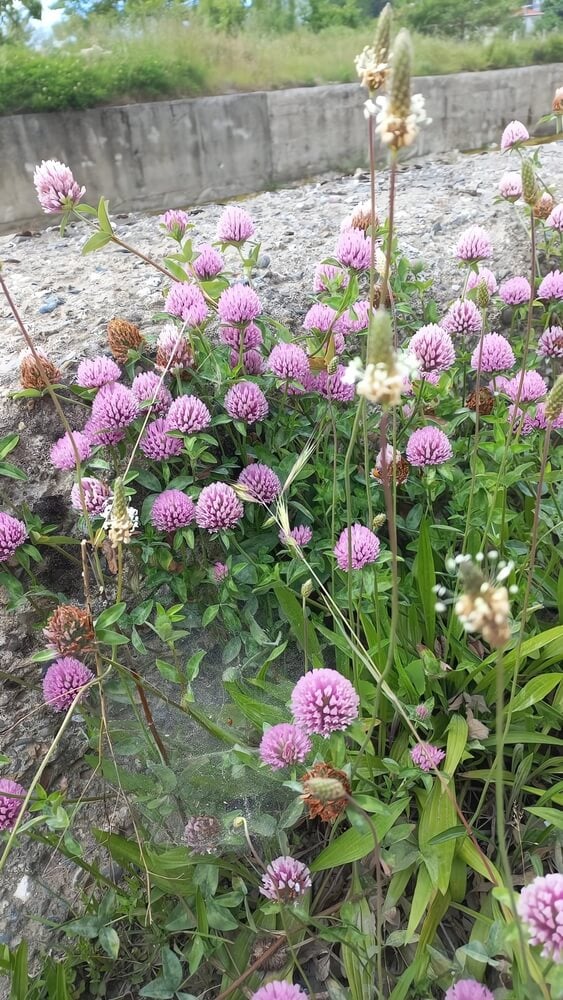
Planting cover crops is one of the best investments you can make for your home garden. And it costs less than a bag of fertilizer. Choose one or mix several. But make sure your soil is covered this winter. In spring, you’ll notice fewer weeds, better drainage, more nutrients, and healthier soil.
Thanks for reading.
Have a great day.