
21 Best Perennial Plants For Winter Garden Interest That Lasts All Season Long!
Welcome! This article contains affiliate links, meaning I get a commission if you decide to make a purchase through my links, at no extra cost to you.
Most folks think winter gardens are dead zones. Just bare dirt and naked branches waiting for spring to arrive. That’s only true if you let it be true. With the correct perennial plants, your winter garden can be a showstopper with color, structure, wildlife, and genuine beauty that’ll make your neighbors wonder what you know that they don’t.
Sound intriguing?
Then let’s plant some epic winter perennials!
21 Best Perennial Plants For Winter Gardens
Here are our favorite perennials that transform your winter landscape from bleak to breathtaking. Each one earns its spot through cold-weather toughness and real-world ornamental value.
1. Hellebores (Lenten / Christmas rose)
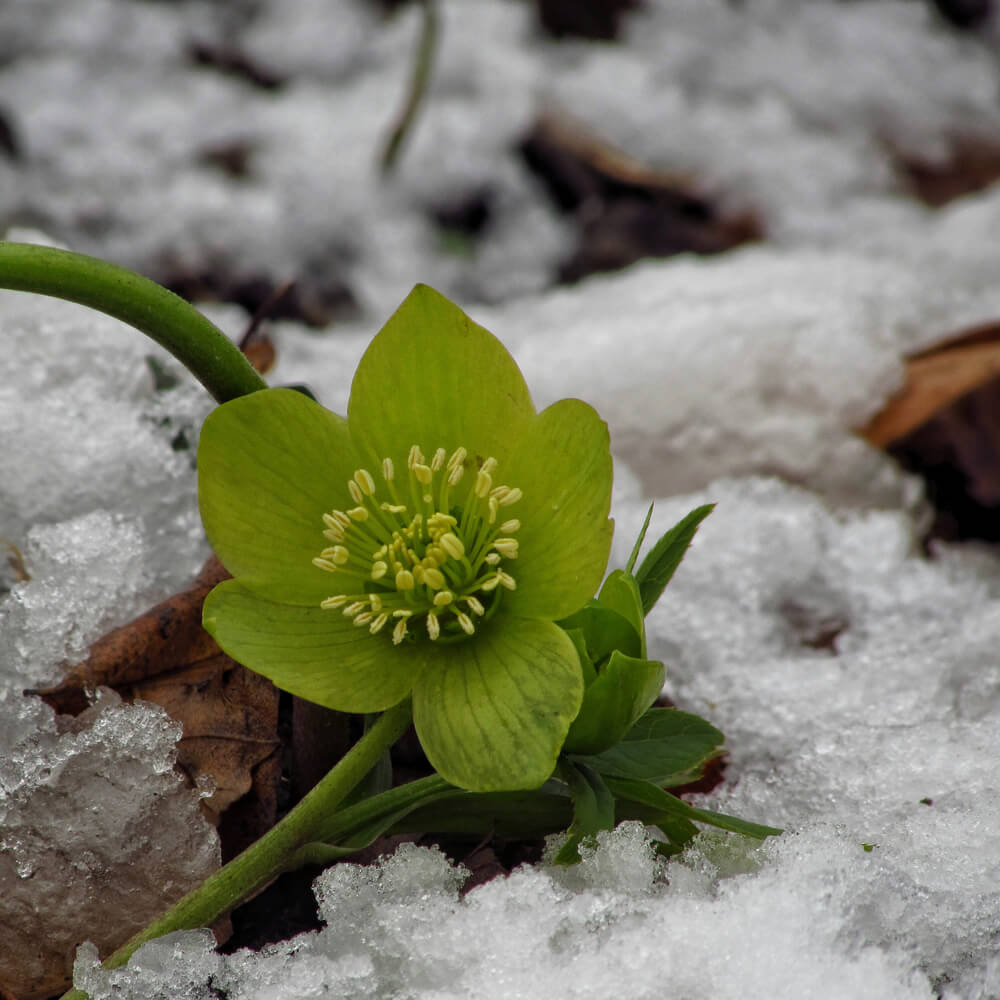
Hellebores are lovely perennials that bloom when everything else has gone dormant. They’re super-tough plants that handle shady spots better than most. And deer won’t touch them. So, they’re perfect for woodland edges or under deciduous trees. The flowers last for months rather than weeks. And the evergreen foliage provides year-round ground cover that suppresses weeds.
- USDA Zone: 4 through 9.
- Plant Size: Roughly 1 to 2 feet tall by 1 to 2 feet wide.
- Winter Interest: Evergreen foliage and late winter flowers in shades of white, pink, green, or near-black.
Plant them once, and they’ll outlive most of your other perennials, thriving for decades in the same spot.
2. Winterberry Holly (Ilex verticillata)
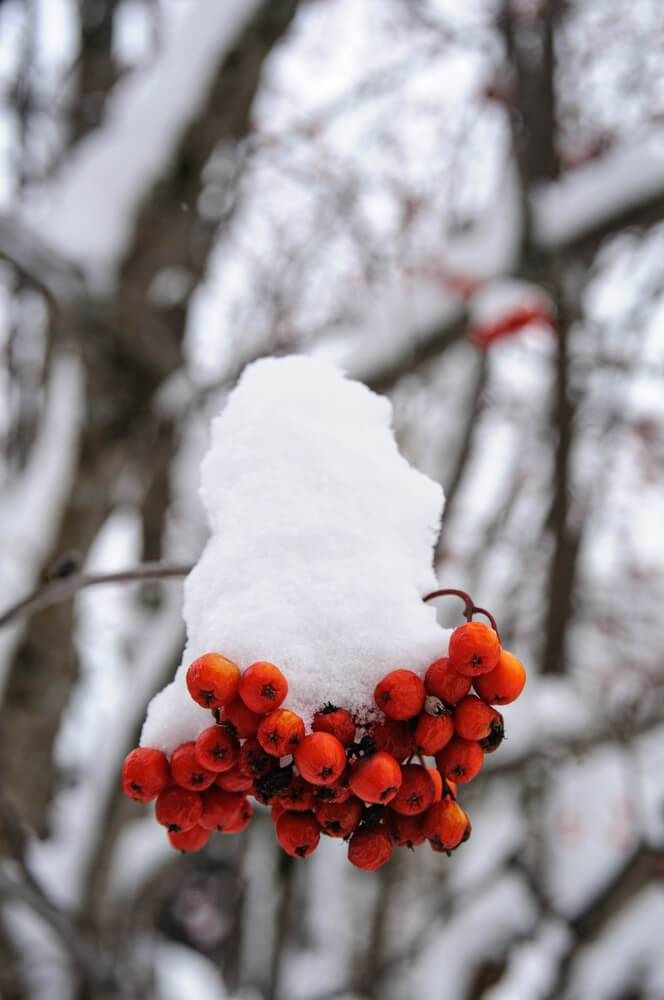
Winterberry is a pleasant winter surprise during the dull winter months. The bright red berries make your yard ten times more colorful. It’s an epic wintry shrub with berries so that they practically glow against gray skies. They’re a magnet for robins, waxwings, and other fruit-eating birds. You’ll need both a male and a female plant for berry production. But one male can pollinate several females.
- USDA Zone: 3 through 9.
- Plant Size: Roughly 6 to 10 feet tall by 3 to 8 feet wide.
- Winter Interest: Bright red berries on bare stems that attract songbirds deep into winter.
Consider planting winterberry where you can see it from your kitchen window for a daily dose of winter cheer.
3. Red Twig Dogwood (Cornus sericea / stolonifera)
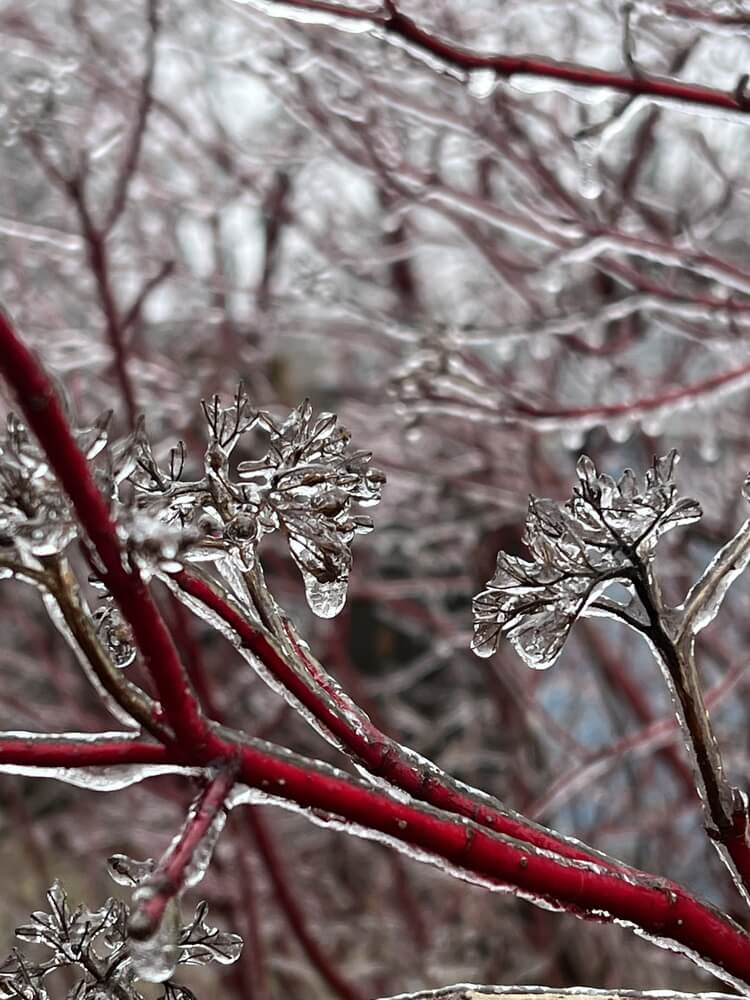
Red twig dogwood earns its keep in winter. Just wait for those crimson stems to contrast brilliantly with the white winter snow. This native shrub loves moisture and will happily colonize wet areas that frustrate other plants, helping with erosion control along streams or ponds. The young stems show the best color, so a hard pruning every few years in early spring keeps the display vibrant.
- USDA Zone: 2 through 7.
- Plant Size: Roughly 6 to 9 feet tall by 5 to 8 feet wide.
- Winter Interest: Intense red stems that glow against snow or mulch, especially on younger wood.
Birds feast on the white berries in fall. And the dense thicket provides crucial cover for small wildlife. It also spreads via underground runners, quickly filling empty spaces.
Read More – The Ultimate Guide to Growing Snake Plants From Seed, Cuttings, or Transplant!
4. Ornamental Grasses (e.g., switchgrass, little bluestem)
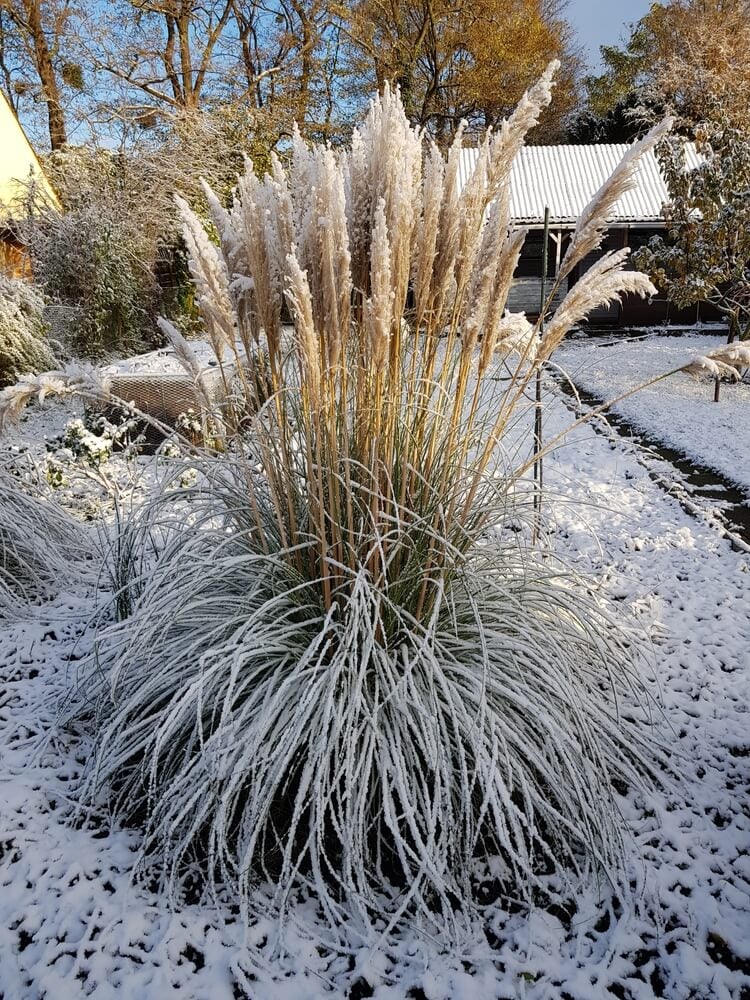
Ornamental grasses are about as low-maintenance as perennials get. They literally ask for nothing but an annual spring haircut. And for you to give them movement, sound, and structure all winter long. The seed heads feed finches and sparrows straight through the cold months. It’s like turning your garden into a natural bird feeder. These native grasses also have deep roots! They have superb drought-tolerance once established and are excellent for erosion control on slopes.
- USDA Zone: Commonly 3 through 9, depending on species.
- Plant Size: Roughly 2 to 5 feet tall by 2 to 3 feet wide.
- Winter Interest: Straw-gold or bluish foliage and seed heads that sway, rustle, and feed birds.
Leave your ornamental grasses standing all winter and cut them back in early spring just as new growth emerges from the base.
5. Mahonia (Oregon grape)
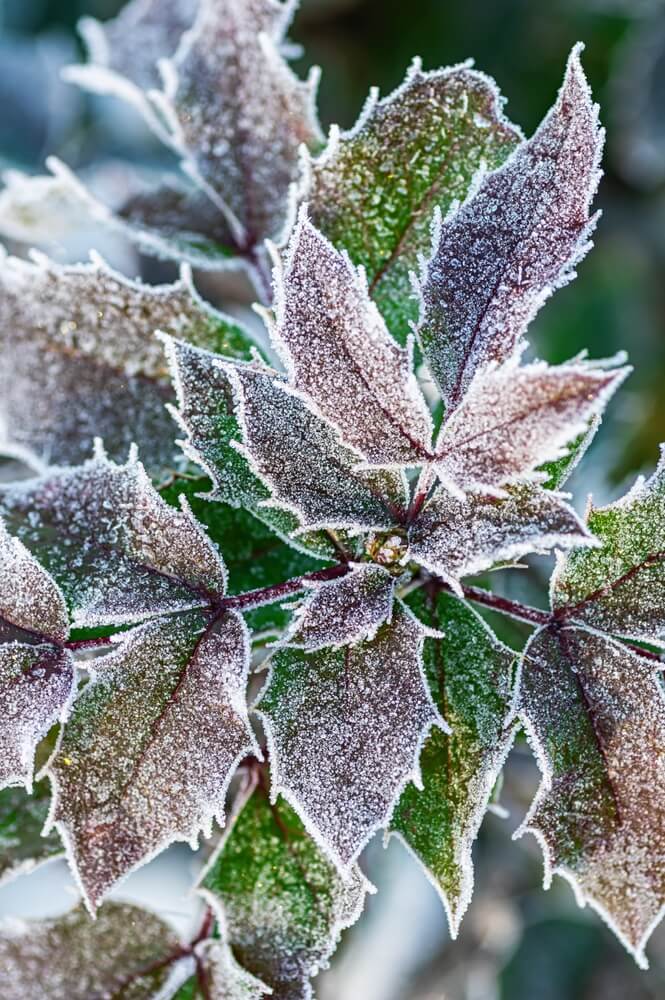
Mahonia brings something special to the winter garden with its architectural form and spiky, holly-like leaves that stay deep green even in bitter cold. The fragrant yellow flowers appear surprisingly early, sometimes in late winter, filling the air with a sweet honey scent when you least expect it and providing critical early food for native bees. Those flowers turn into blueberries that birds devour, and the plant itself creates dense cover for ground-dwelling wildlife.
- USDA Zone: Around 5 through 9, depending on species.
- Plant Size: Roughly 3 to 10 feet tall by 3 to 8 feet wide.
- Winter Interest: Spiky evergreen leaves, fragrant yellow winter flowers, and blue berries for wildlife.
The berries are technically edible and make a tart jelly, though they’re better left for the birds in most cases.
6. Winter Heather / Heath (Erica spp.)
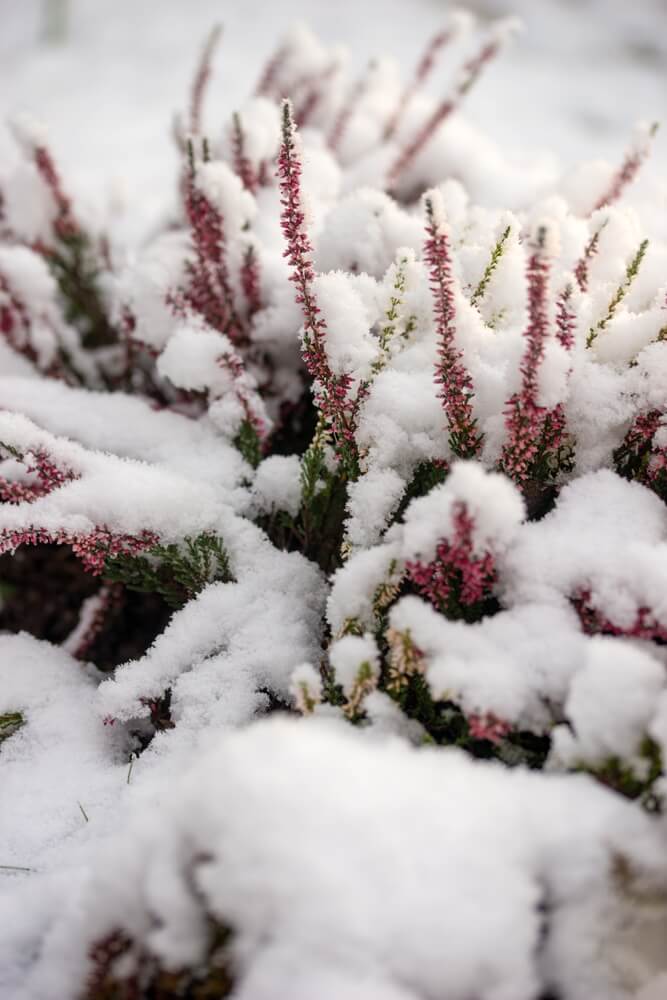
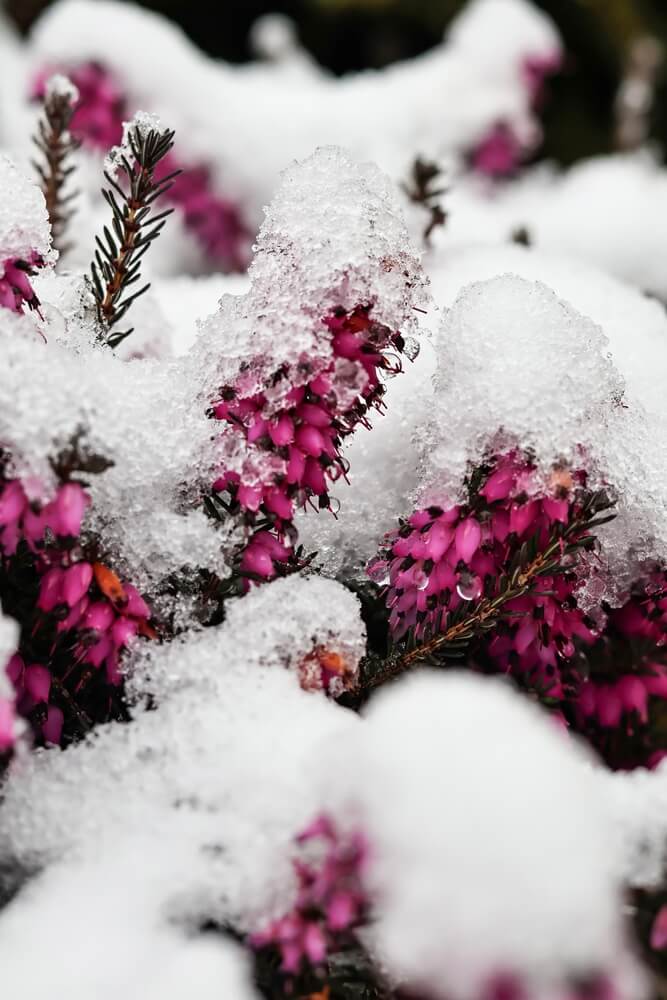
Winter heather carpets the ground with tiny bell-shaped flowers. These strange flowers look like they got lost and landed in winterland! They’re around when almost nothing else is blooming. The flowers themselves appear in shades of pink, white, or purple. They also love growing in acidic soil. So, they’re perfect for growing alongside blueberries or azaleas.
- USDA Zone: Often 5-8, depending on the variety.
- Plant Size: Roughly 6 to 18 inches tall by 1 to 2 feet wide.
- Winter Interest: Masses of bell-shaped flowers carpeting the ground in mid- to late winter.
Plant winter heather in groups of three or more for the best visual impact and a more natural look.
Read More – 21 Magnificent Winter Birds To Look For In Your Backyard This Season!
7. Heuchera (Coral Bells)
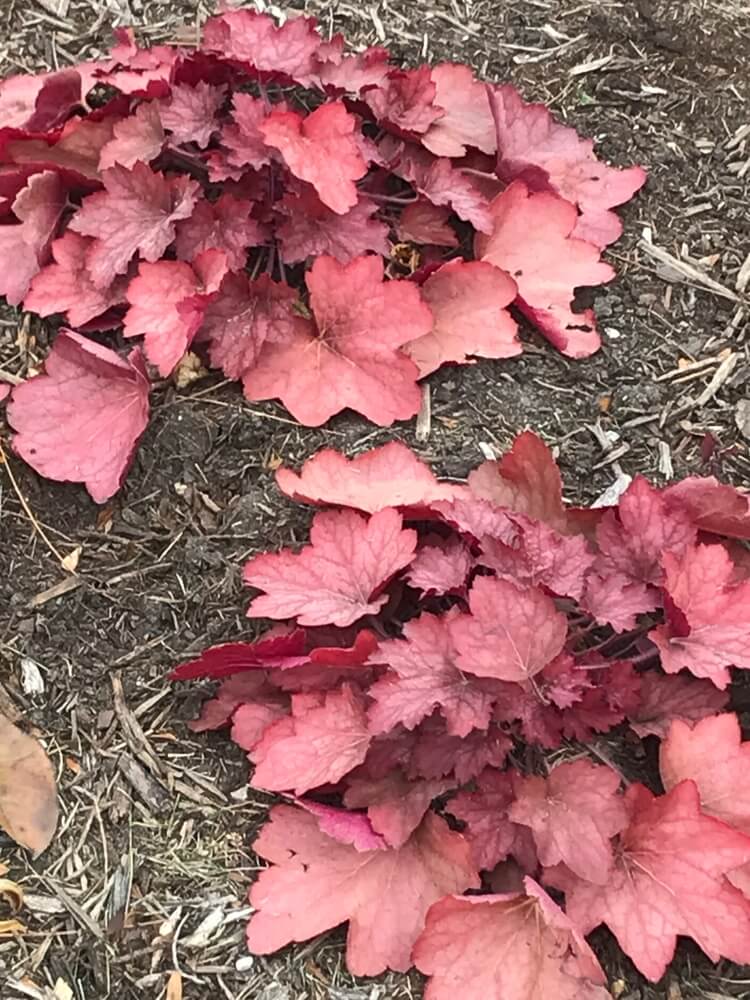
Heuchera keeps your garden interesting all winter with foliage in colors you’d expect from fall leaves. The leaves often develop even richer colors in cold weather, with burgundies deepening and lime shades taking on peachy tones. They’re semi-evergreen in colder zones, meaning they may look tattered by late winter but bounce back fast in spring. Hummingbirds love the airy flower spikes in late spring, and the plants ask for almost nothing beyond occasional division.
- USDA Zone: Roughly 4 through 9.
- Plant Size: Roughly 8 to 18 inches tall by 1 to 2 feet wide.
- Winter Interest: Colorful evergreen or semi-evergreen foliage. Colors appear in burgundy, lime, or caramel tones.
Mulch lightly around the crown in fall to prevent frost heaving, especially with newly planted specimens.
8. Evergreen Ferns (e.g., Christmas fern)
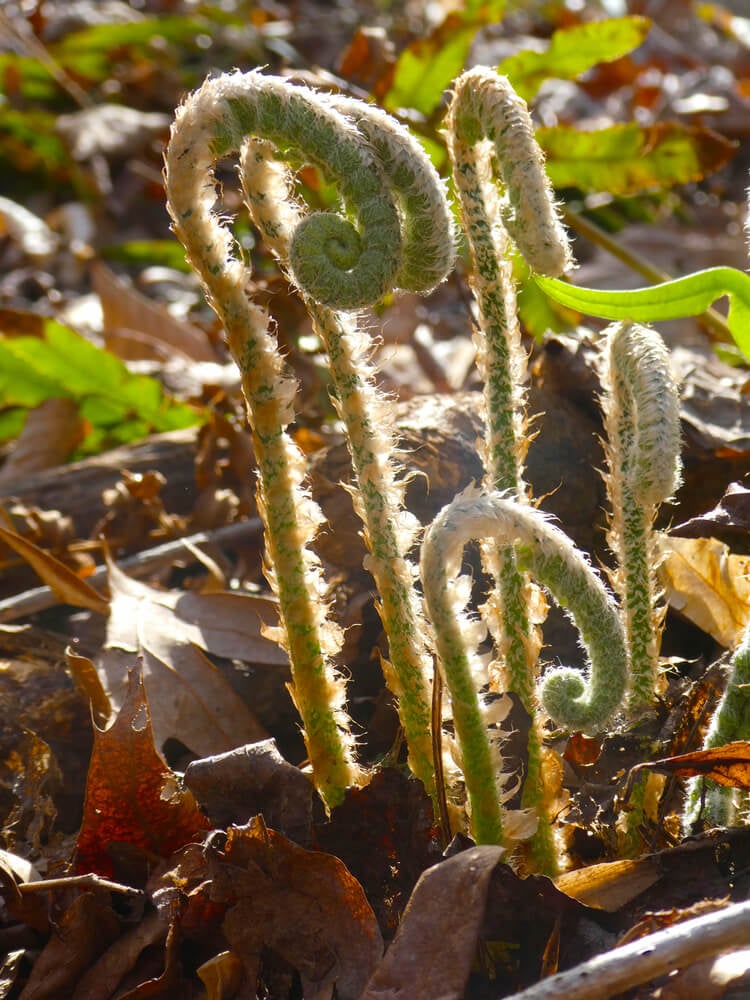
Christmas ferns are native woodland treasures that stay green and fresh-looking all winter. They add graceful texture to shady spots where little else will grow. These reliable perennials need no babying once established. They boldly thrive in the dry, shady conditions under maples and oaks that defeat most other plants.
- USDA Zone: Often 3 through 9, species dependent.
- Plant Size: Roughly 1 to 2 feet tall by 1 to 3 feet wide.
- Winter Interest: Glossy green fronds arching through winter. It adds lovely texture in shady spots.
Pair Christmas ferns with spring ephemerals! Try plants like trillium and bloodroot for a natural woodland garden that offers interest across seasons.
9. Bayberry / Northern Wax Myrtle (Myrica pensylvanica)
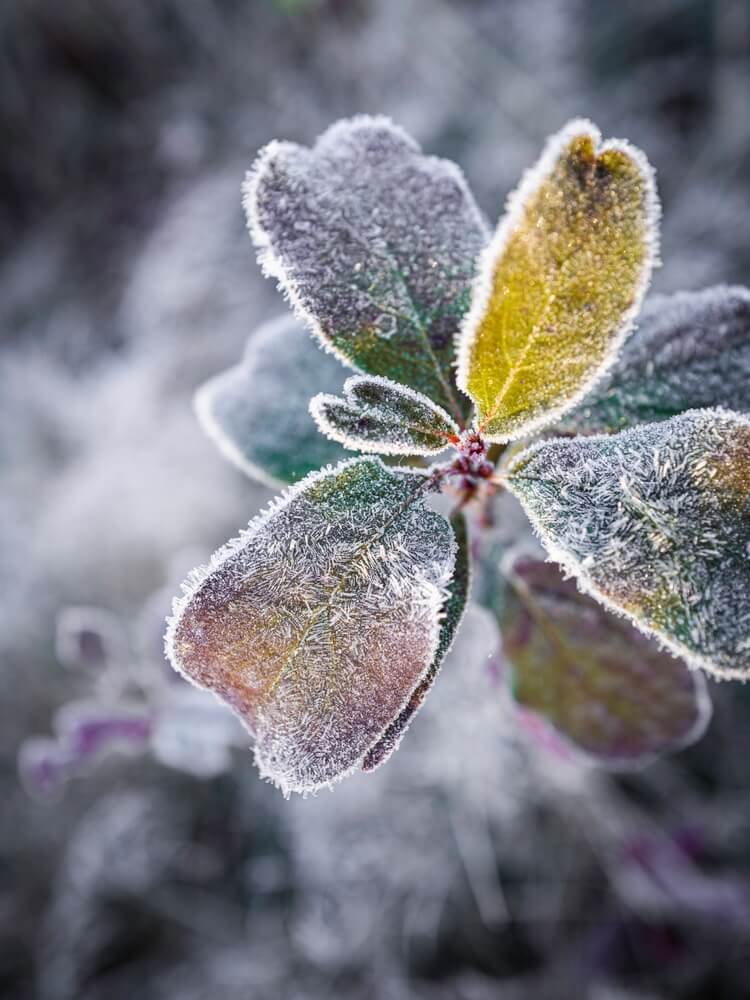
Bayberry brings wonderful fragrance to the winter garden, with aromatic leaves that smell spicy and clean when brushed or crushed. The gray, waxy berries give this native shrub its name and were historically used to make colonial-era candles, something homesteaders might enjoy trying themselves. Birds adore the high-fat berries during winter when they need extra calories. And the dense branching provides excellent cover for songbirds seeking shelter from the wind.
- USDA Zone: About 3 through 7.
- Plant Size: Roughly 5 to 10 feet tall by 5 to 10 feet wide.
- Winter Interest: Semi-evergreen aromatic foliage and gray-lavender berries loved by birds.
You’ll need both male and female bayberry plants for berry production! So ask at the nursery or plan to plant several of each.
Read More – The Only 10 Christmas Tree Cultivars You’ll Ever Need For Your Backyard Or Homestead!
10. Beautyberry (Callicarpa spp.)
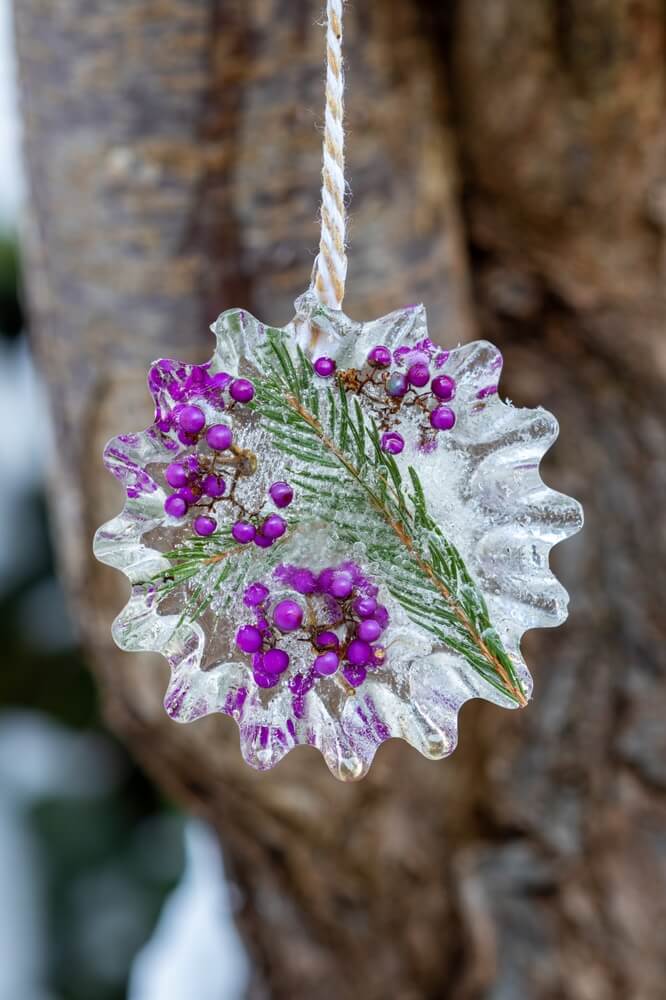
Beautyberry stops people in their tracks with those impossible violet-purple berries clustered along the stems like strings of jewels. The berries appear in fall and often hold into early winter, providing a color you can’t get from any other plant at that time of year. Birds eventually strip them, but they wait until other food sources are exhausted, giving you weeks of ornamental value.
- USDA Zone: Commonly 5-8.
- Plant Size: Roughly 3 to 6 feet tall by 3 to 6 feet wide.
- Winter Interest: Clusters of vivid violet or magenta berries on bare branches in fall and early winter.
Plant beautyberry shrubs near an entrance or pathway where people can appreciate those bizarre and beautiful berries up close!
11. Arrowwood Viburnum (Viburnum dentatum)
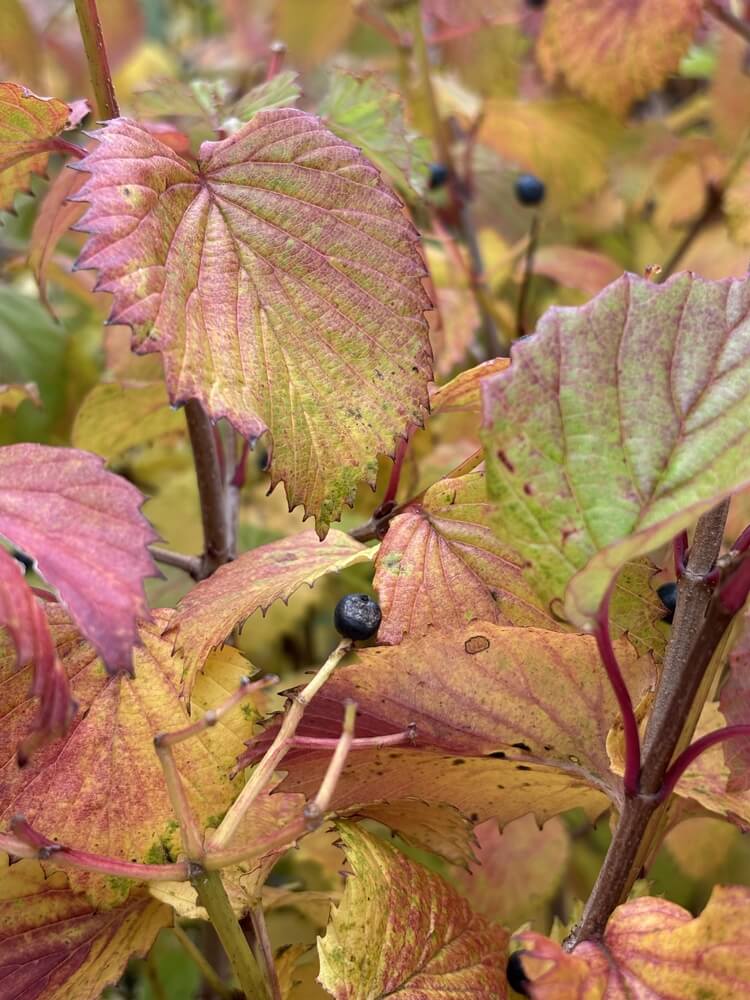
Arrowwood viburnum is an underrated native shrub. It provides magnificent structure and wildlife value. The birds love using the dense thicket branches as cover from hawks, especially during winter. And the blue-black berries feed wildlife well into winter after showier fruits are gone. And it offers that without demanding attention or special care. The fall color is nice, and even the bare winter branching has an attractive architectural quality.
- USDA Zone: About 3 through 8.
- Plant Size: Roughly 6 to 10 feet tall by 6 to 10 feet wide.
- Winter Interest: Dense branching for shelter. And blue-black berries that feed birds into winter.
Arrowhead is an excellent choice for hedgerows or mixed native plantings! It offers you reliable performance and a wildlife refuge without fuss.
12. Snowberry (Symphoricarpos)
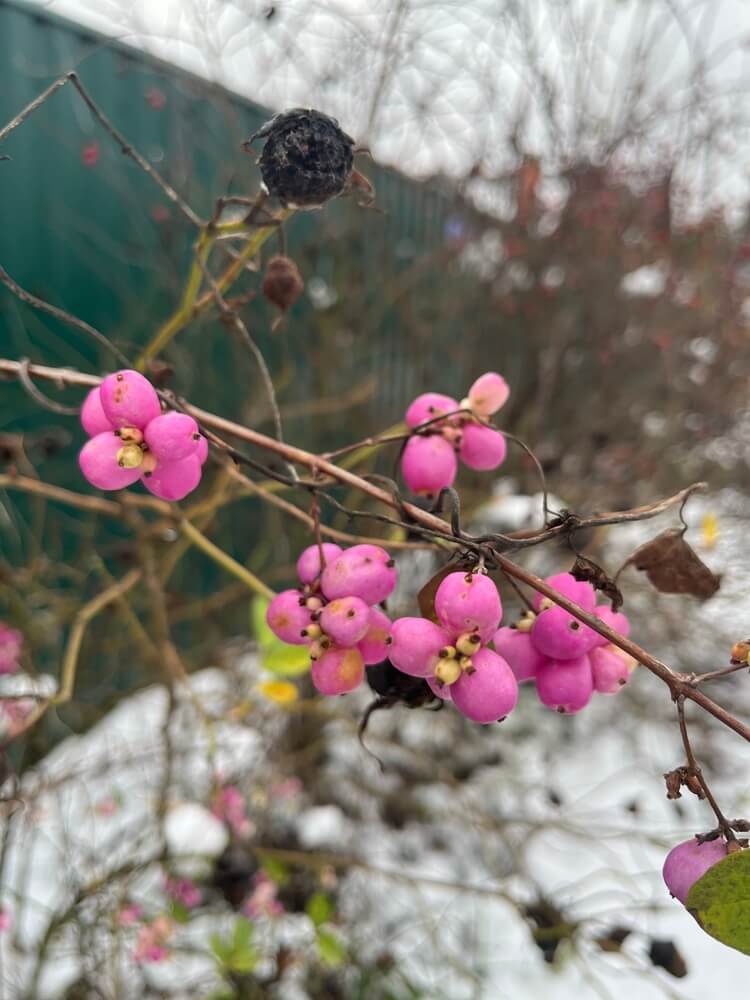
Snowberry is another underrated berry-bearing shrub that performs well in winter. And the berries look like they’ve been dusted with snow! They stand out dramatically against dark winter soil or actual snow cover. This tough native shrub suckers freely and forms thickets that provide excellent cover for rabbits and ground birds. It’s an outstanding wildlife corridor. The berries persist well into winter because birds tend to leave them until other food is scarce.
- USDA Zone: Roughly 3 through 7.
- Plant Size: About 3 to 6 feet tall by 3 to 6 feet wide.
- Winter Interest: White to pink berries along bare stems that stand out against dark soil or snow.
Give your snowberry shrub plenty of room to spread, or plant it where its suckering habit is actually welcome, like on slopes or in naturalized areas.
Read More – 21 Valuable Homestead Trees That Feed You, Fuel You, And Fight For You!
13. Panicle Hydrangea (Hydrangea paniculata)
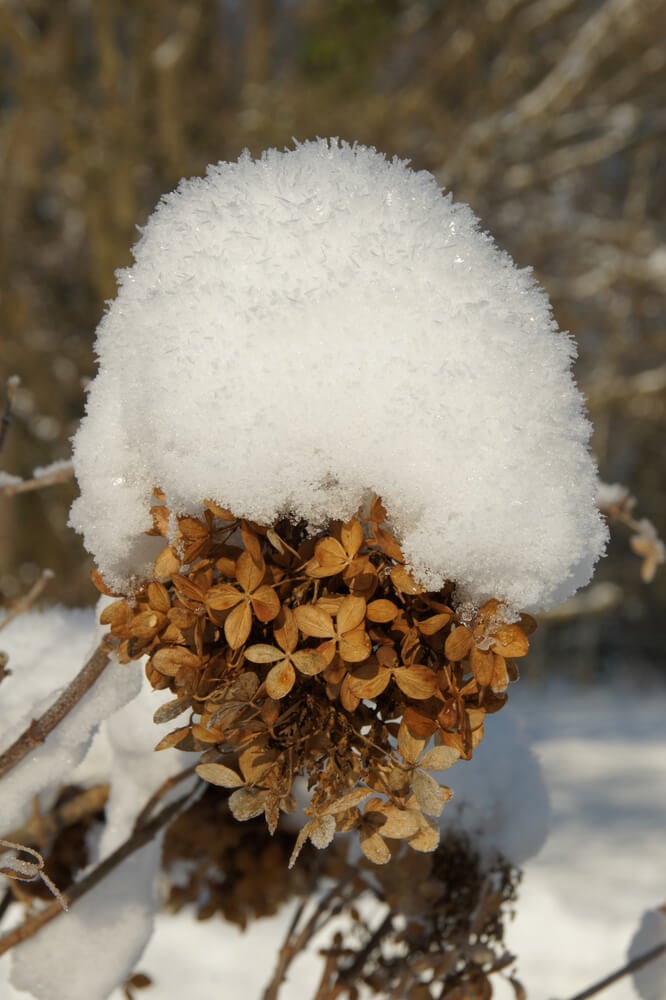
Panicle hydrangeas offer two seasons of interest with big summer flowers that then dry into stunning winter sculptures. They also catch snow and frost like natural artwork. The dried blooms fade to beautiful tans, pinks, and russets that add warmth to the winter landscape. The best part is that they hold up remarkably well through storms and ice. These are the toughest hydrangeas! They thrive in cold zones where other types struggle and bounce back even after harsh winters.
- USDA Zone: Around 3 through 8.
- Plant Size: Roughly 6 to 8 feet tall by 6 to 8 feet wide (smaller for dwarf cultivars).
- Winter Interest: Dried panicle flower heads that hold snow and frost like big seed clouds.
Leave the flower heads on all winter for visual interest. Cut them back in early spring as buds begin to swell.
14. Smooth Hydrangea (Hydrangea arborescens)
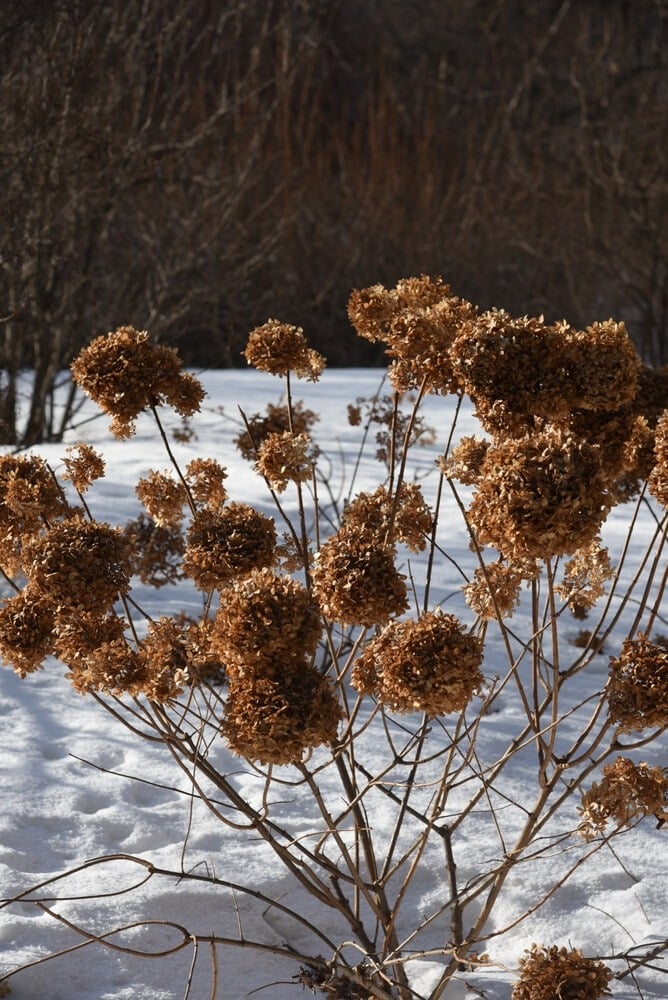
Smooth hydrangeas are another gorgeous winter garden perennial. The flowers won’t be alive during winter, of course. But the bold and dry flower heads create gentle silhouettes that catch light and frost beautifully. They’re incredibly cold-hardy and will bloom reliably every year, as they flower on new wood. The dried blooms fade to buff and tan tones, with a quiet elegance. And they hold their shape surprisingly well through early winter.
- USDA Zone: About 3 through 9.
- Plant Size: Roughly 3 to 5 feet tall by 3 to 5 feet wide.
- Winter Interest: Persistent dried blooms and branch structure add soft winter silhouettes.
The cultivar ‘Annabelle’ is a classic choice. But newer varieties offer stronger stems that don’t flop under the weight of wet (or snow-laden) flowers.
15. Echinacea & Rudbeckia (Coneflowers and Black-eyed Susans)
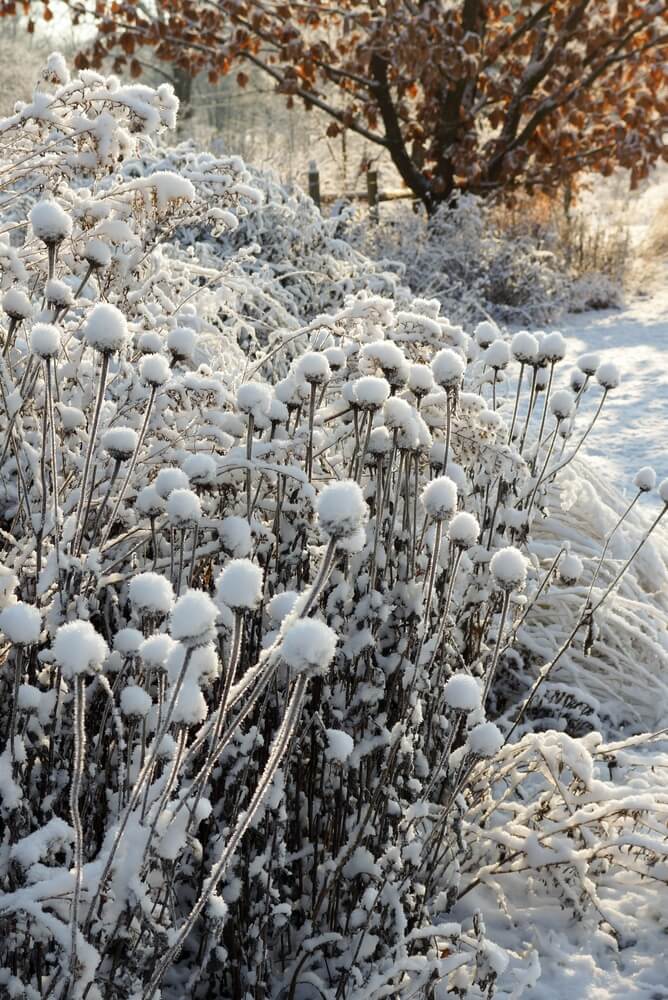
Coneflowers and black-eyed Susans are prairie natives that keep giving long after their petals drop. They feature dark seed cones that stand like sentinels through winter. Goldfinches and other seed-eating birds work these plants hard all winter, clinging to the stems and providing hours of entertainment from your window. The strong vertical structure adds architectural interest to winter. The borders look especially striking when rimmed with frost or snow.
- USDA Zone: Commonly 3 through 9, depending on variety.
- Plant Size: Roughly 2 to 4 feet tall by 1 to 2 feet wide.
- Winter Interest: Dark seed cones that feed goldfinches and stand as strong verticals after frost.
Don’t deadhead your Black-Eyed Susans or coneflowers during the fall. If you can resist the urge, you’ll get extra bird activity and winter structure.
Read More – The Ultimate Guide To Growing Thanksgiving Cactus From Seed, Cuttings, Or Transplant!
16. Liatris, Sedum, and Fennel (Structural Perennials)
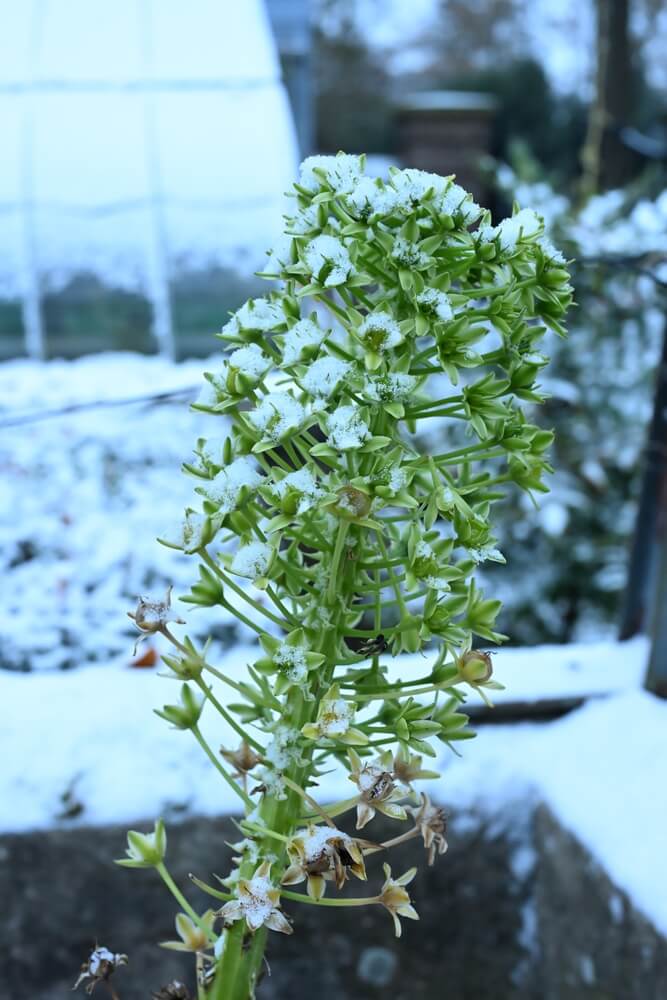
These mighty perennials stand tall during winter. Even when everything else collapses. Their dry flowers and seed heads add vertical interest with texture. Liatris spikes hold their form remarkably well. Sedum flower heads fade to russet-brown. And fennel’s umbrella-shaped seed heads catch frost like lacework. All three feed birds through winter! Goldfinches and sparrows methodically work the seeds.
- USDA Zone: Often 3 through 9. (Species dependent.)
- Plant Size: Roughly 1 to 4 feet tall by 1 to 2 feet wide.
- Winter Interest: Upright seed spikes and umbels persist during winter.
Bronze fennel self-sows enthusiastically. Deadhead it in summer to control its spread. But leave some for winter interest!
17. Winter Aconite (Eranthis hyemalis)
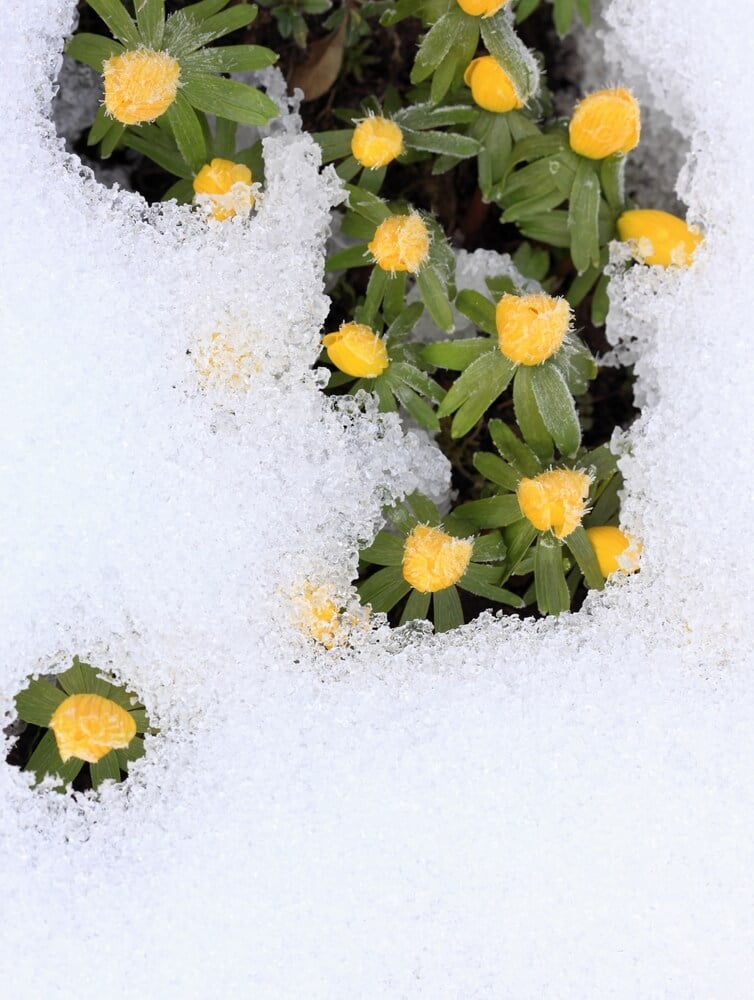
Winter aconite pushes gorgeous yellow blossoms through the snow when it seems otherwise impossible. It can also bloom even before snowdrop flowers. These cheerful little bulbs naturalize into golden carpets under deciduous trees. They also multiply steadily, creating ever-larger displays. The flowers open on sunny winter days to provide nectar for any bees that emerge during warm spells. So, they’re ecologically valuable, not just for looks.
- USDA Zone: About 3 through 7.
- Plant Size: Only 3 to 6 inches tall by a few inches wide. But it naturalizes into carpets.
- Winter Interest: Bright yellow blooms pushing through frozen soil in late winter.
Plant the tubers in the fall. Then be patient. They sometimes take a year to settle in before blooming enthusiastically.
18. Snowdrops (Galanthus spp.)
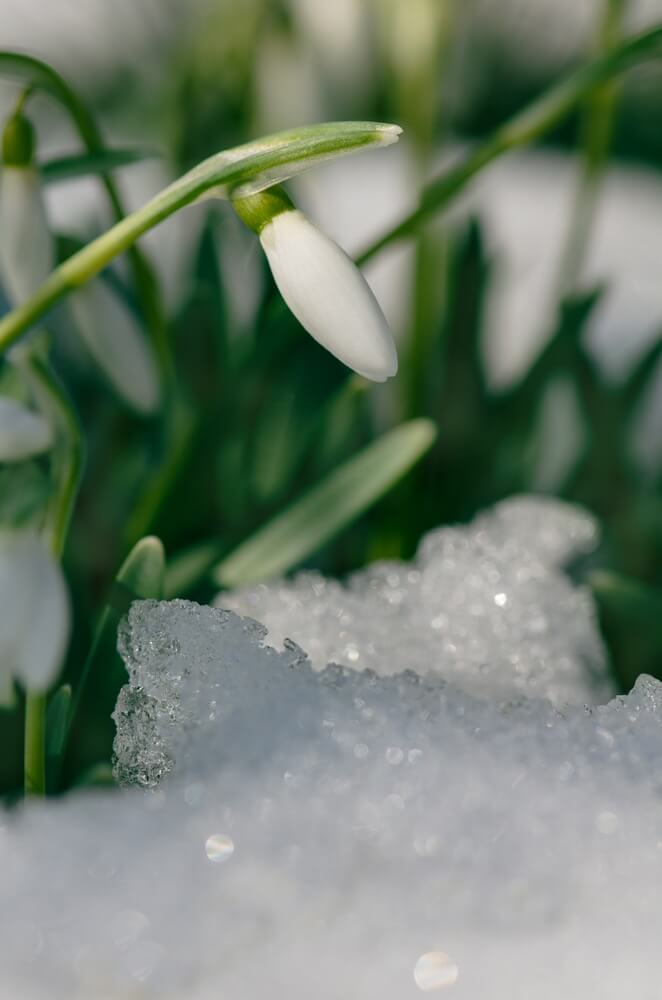
Snowdrops are the messengers of spring and a reminder that winter does not last forever! They nod their delicate white bells while snow still blankets the ground. These small bulbs naturalize beautifully under trees and shrubs. They create drifts that, over decades, expand into impressive displays. They’re among the first nectar sources for bees emerging from winter dormancy. They’re crucial for hive health!
- USDA Zone: Roughly 3 through 9. (Depending on species.)
- Plant Size: About 3 to 6 inches tall by 2 to 3 inches wide.
- Winter Interest: Nodding white bells that flower in the chill, often while snow is still on the ground.
Plant them “in the green” right after flowering for the best establishment, though dry bulbs in fall work too if planted promptly.
Read More – How To Grow Hedge Apple Trees (Osage Oranges) From Seeds Or Transplants!
19. Cyclamen coum (Hardy Cyclamen)
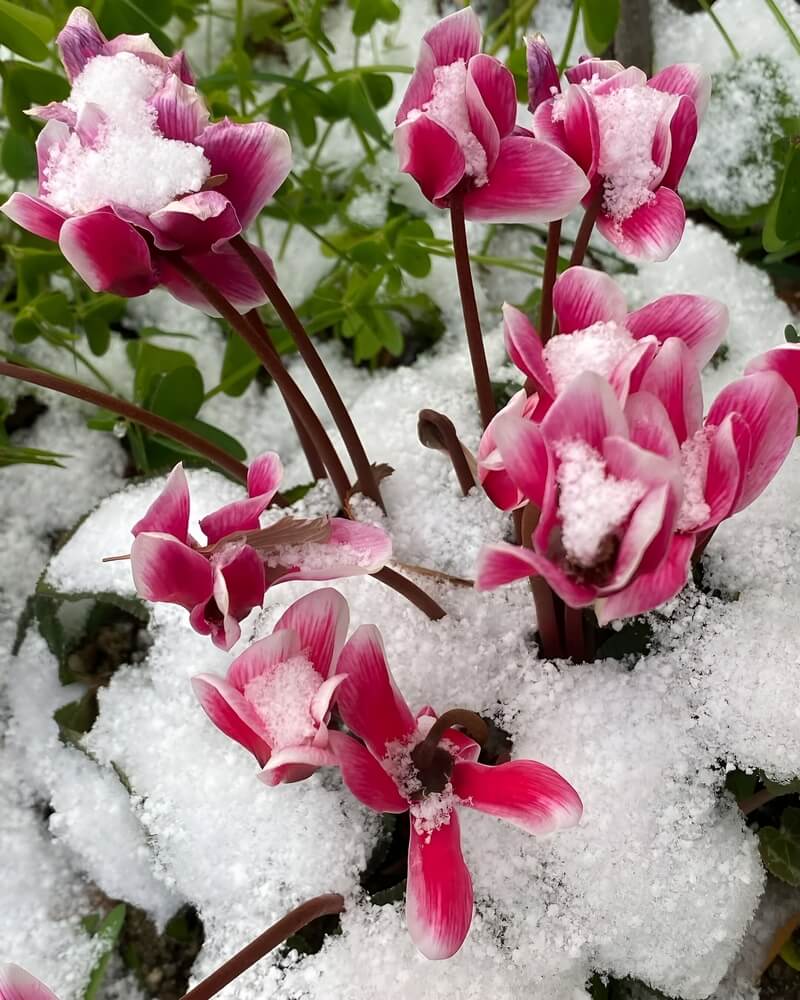
Hardy cyclamen brings unexpected elegance to winter with marbled heart-shaped leaves that are beautiful enough to be the whole show, but then it throws in dainty flowers for good measure. The leaves emerge in fall and persist through winter, creating attractive groundcover in shady spots where little else will grow. The pink or white flowers appear from midwinter into early spring, adding color when you’re desperate for it.
- USDA Zone: Often 5 through 9.
- Plant Size: Roughly 3 to 6 inches tall by 6 to 12 inches wide.
- Winter Interest: Marbled, heart-shaped leaves and pink or white flowers from midwinter into early spring.
The tubers sit at soil level or slightly above. So don’t bury them too deep when planting!
20. Conifers (Spruce, Pine, Fir, Arborvitae)
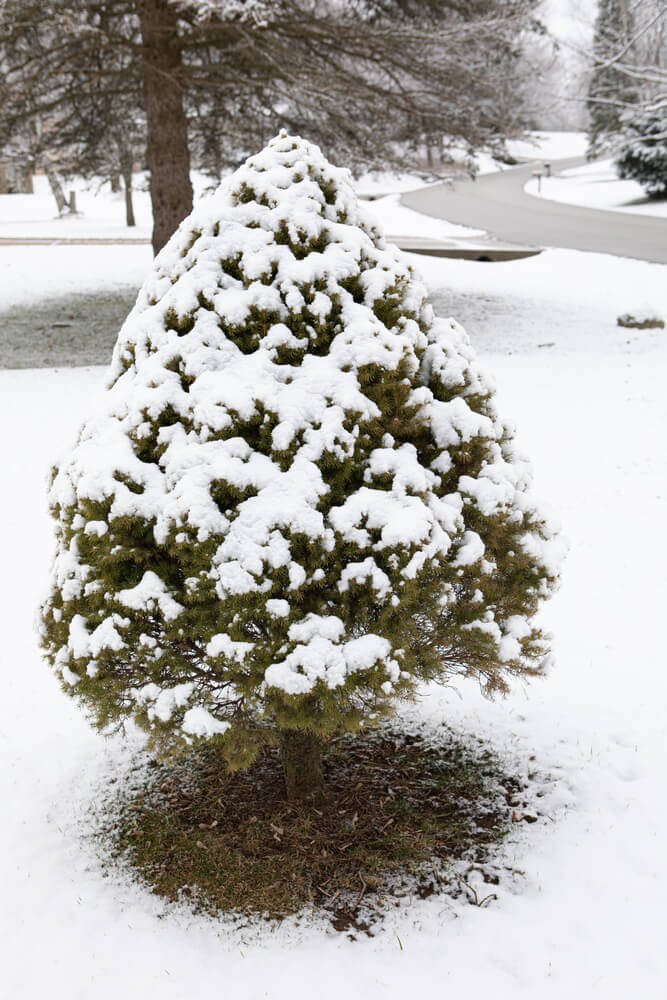
Conifers are the secret to a majestic winter landscape. They offer solid mass and structure when deciduous plants have stripped down to bare bones. Conifer trees also offer crucial windbreaks that protect your home, livestock, and other plants from bitter winds. They can help reduce heating costs by sheltering your home from the wintry winds. Birds and small mammals also depend on conifers for winter shelter. Visiting winter songbirds love roosting in the dense branches during storms and bitter nights.
- USDA Zone: Varies by species. (Often 3 through 8.)
- Plant Size: Varies largely! Some varieties form compact 3-foot shrubs, and others grow to full-size trees over 40 feet tall.
- Winter Interest: Solid evergreen mass for structure and windbreaks. Also provides critical winter shelter for wildlife.
Choose species carefully based on your space, growing zone, and soil. Remember that most conifers don’t respond well to hard pruning into old wood!
21. Pyracantha (Firethorn)
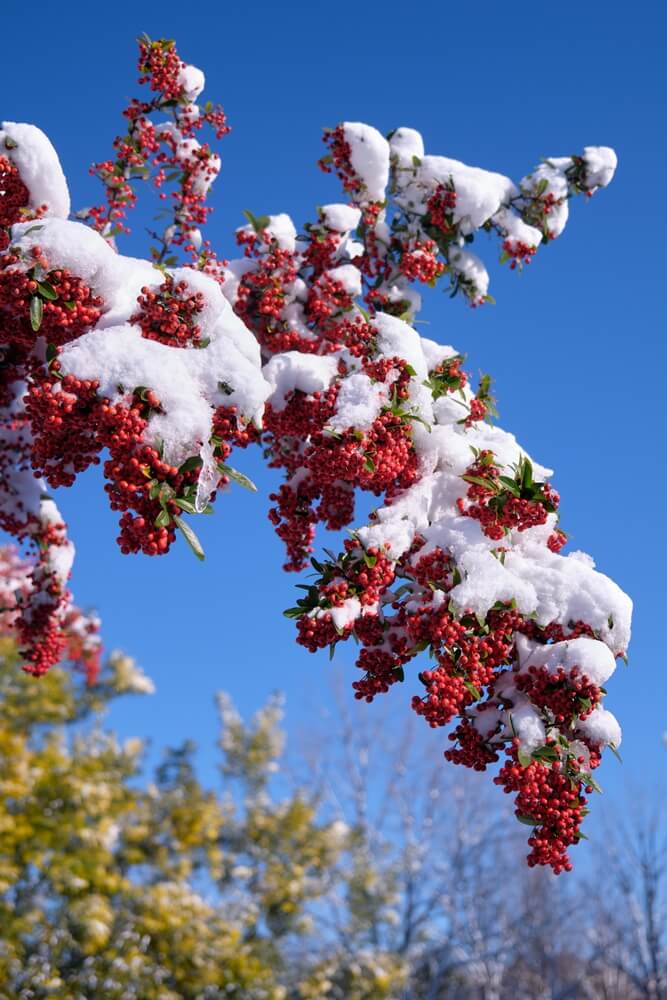
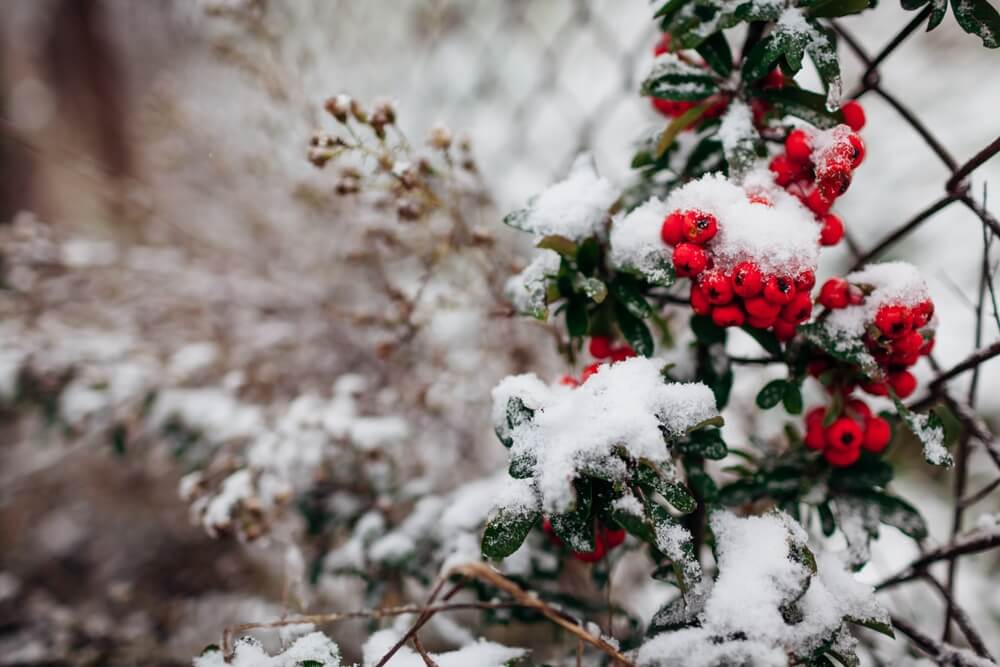
Pyracantha lives up to its “firethorn” name with masses of brilliant orange to red berries that light up the winter garden like embers against snow. This tough evergreen shrub produces clusters of berries in fall that can persist until late winter. It provides crucial food for birds when other sources run out. The glossy evergreen foliage stays deep green through winter. And its formidable thorns make it perfect for security hedges or for planting under windows to discourage unwanted visitors.
- USDA Zone: 5 through 9 (some cultivars hardy to zone 5, most reliable in zones 6 through 9).
- Plant Size: Roughly 6 to 12 feet tall by 6 to 10 feet wide, depending on variety.
- Winter Interest: Evergreen to semi-evergreen foliage and masses of orange to red berries on thorny branches that feed birds through winter.
Choose disease-resistant cultivars like ‘Apache,’ ‘Mohave,’ or ‘Teton’ to avoid problems with fire blight and scab.
Read More – 9 Reasons Why I Stopped Raking Leaves (And Why I Might Never Rake Again)
Conclusion
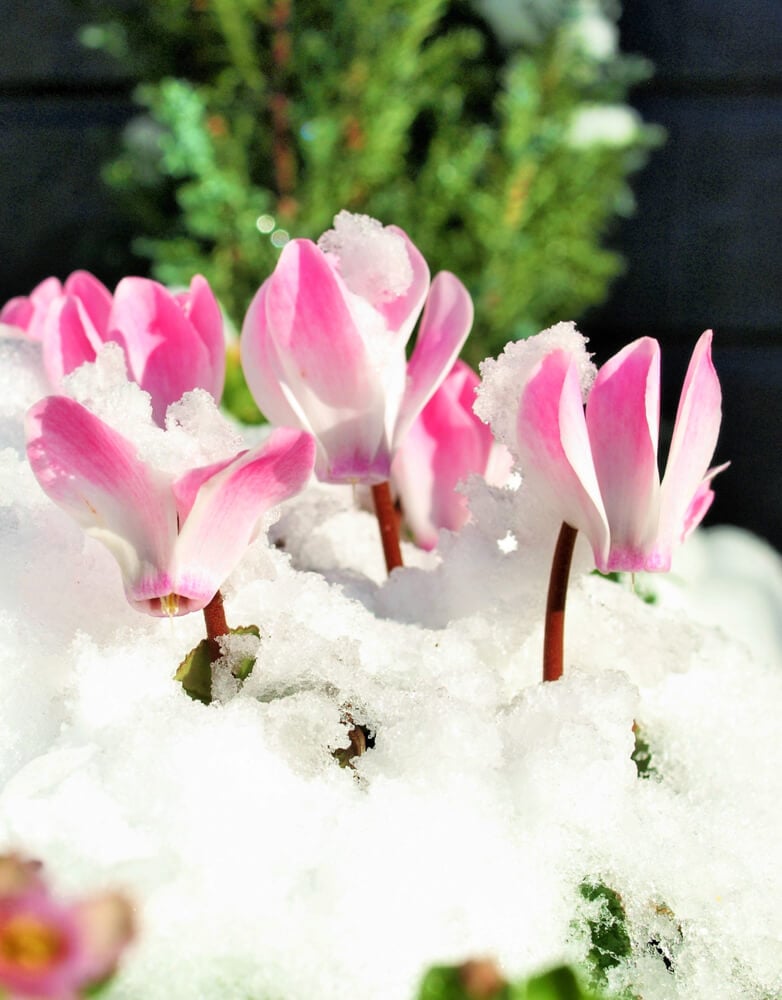
Winter doesn’t have to mean a lifeless landscape if you plan and plant smart. These perennials prove that cold-season gardening can be just as rewarding as summer’s abundance, maybe even more so when you’re watching cardinals feast on winterberry while snow falls. Start with a few of these tough, beautiful plants this fall, and you’ll never look at winter the same way again.
Thanks for reading.
Have a great day!


