
Let It Grow Wild: 21 Real-Life Chaos Gardening Ideas That Work
Welcome! This article contains affiliate links, meaning I get a commission if you decide to make a purchase through my links, at no extra cost to you.
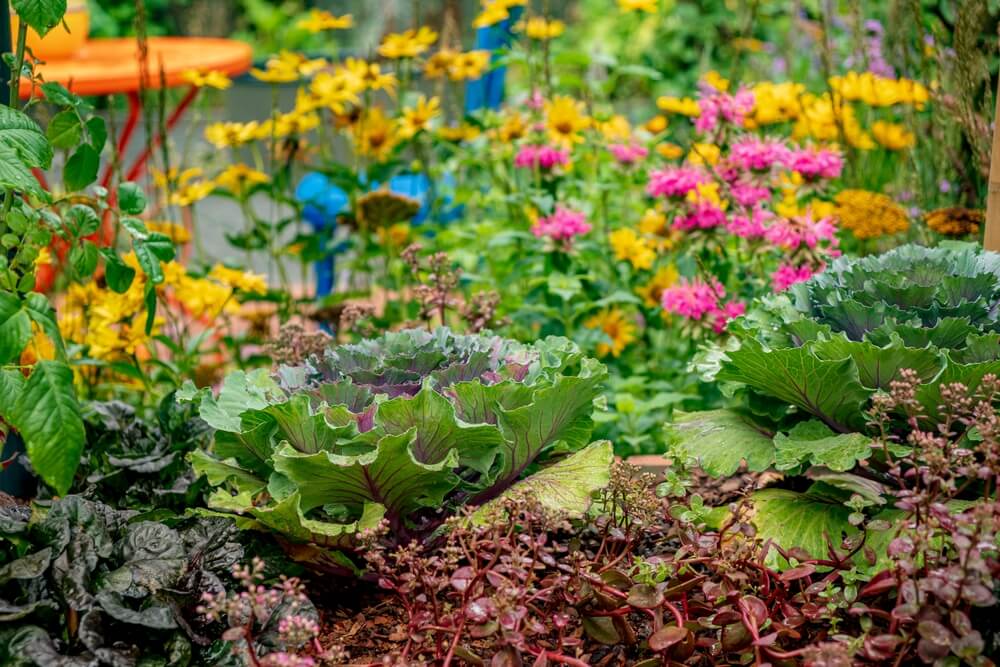
Chaos gardening isn’t just a trend! It’s a practical, low-stress way to grow more food and support wildlife while working with your garden’s natural rhythms instead of against them. It’s about scattering seeds, planting perennials, embracing diversity, and letting nature do most of the heavy lifting.
In this roundup, we’ve gathered 21 blog posts that show how you can apply chaos gardening to your lifestyle. You’ll find edible flowers, pollinator boosters, fruit tree guilds, self-seeding veggies, permaculture layers, and no-dig legends like Ruth Stout and the Mittleider method.
Let’s create some chaos!
How To Grow A Backyard Chaos Garden - The Easy, Stress-Free Gardening Method!
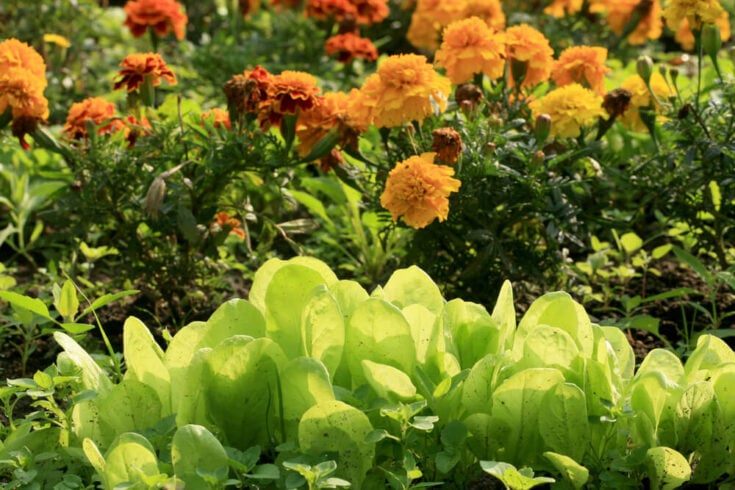
Here’s the article that started it all. It covers what chaos gardening really means, how to do it, and why it works. A great mix of personal stories, plant ideas, and strategies to grow more with less effort.
The Ultimate Ruth Stout Method Guide for No-Work Gardening + Organic Food
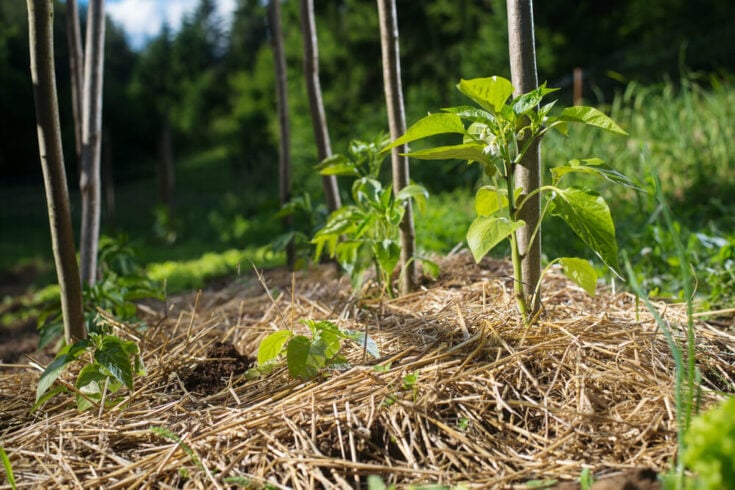
This one’s all about covering your garden in mulch and letting nature do the rest. No digging, no sweat. Great for gardeners who want a garden without daily maintenance, and a perfect match for chaos-style growing.
23 Beneficial Companion Flowers For Your Vegetable Garden - Sunflowers, Bee Balm, And Butterfly Bush!
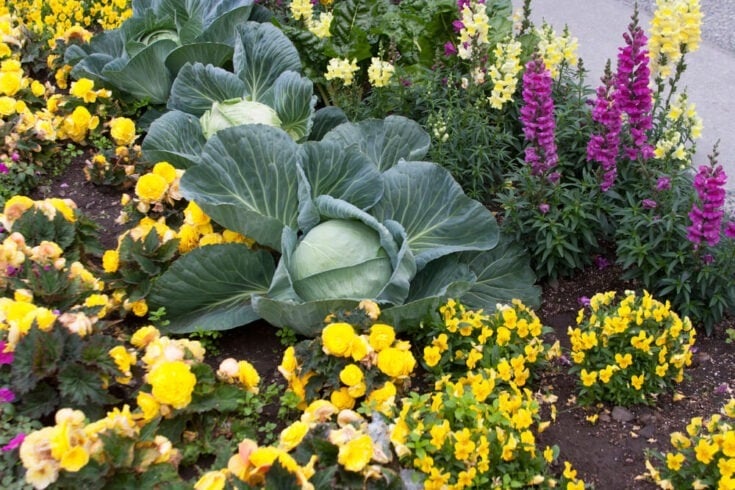
If you’re tossing seeds around or planting veggies in every spare spot, companion flowers can help you get better results with less work. This article shares 23 flowers like bee balm, sunflowers, and nasturtiums that do more than look good. They attract pollinators, confuse pests, and support your crops. These are great plants to mix into a wild, productive garden where everything grows together.

14 Natural Garden Design Tips For A Buzzing Backyard Paradise!
If you want your garden to be productive and still look good without constant involvement, these design tips help. They lean into a natural, loose style using nature's design, groupings, and self-sowing plants that still keep things interesting.
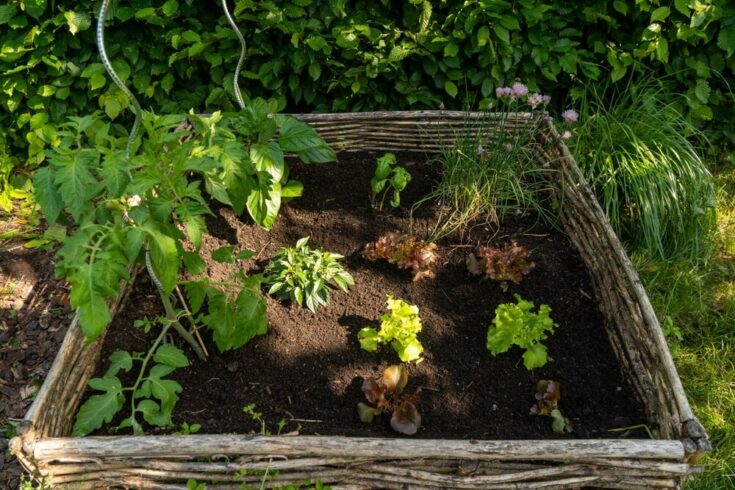
30 Beautiful And Beneficial Plants That Grow In The Shade | Herbs, Veggies, Fruits, And Shrubs!
There are lots of useful plants that actually thrive in low light. This article lists 30 herbs, fruits, veggies, and shrubs that grow well in the shade and still give you something to eat or enjoy. It’s perfect if your chaos garden has trees, fences, or random patches where the sun only peeks in now and then.
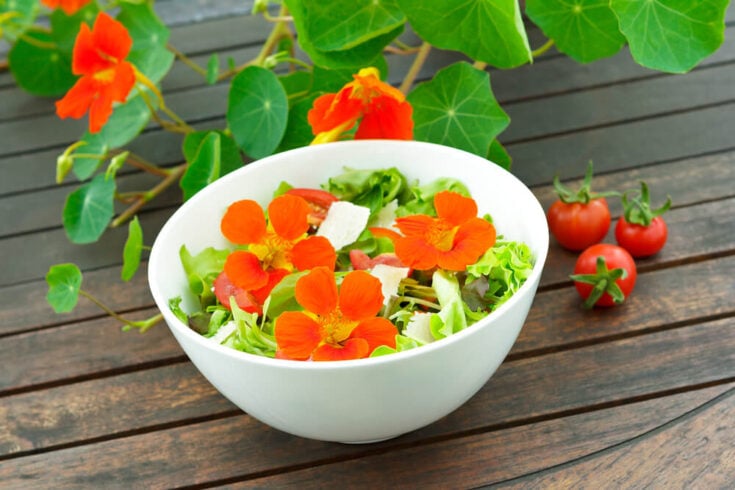
21 Delicious Edible Flowers For Growing In Your Garden - Sage, Dandelions, And Calendula!
Flowers aren't just for show! In a chaos garden, edible flowers like calendula, sage, and dandelion add color, attract pollinators, and bring fantastic flavors to salads and teas. Plus, they often self-seed and pop up exactly where you need them.
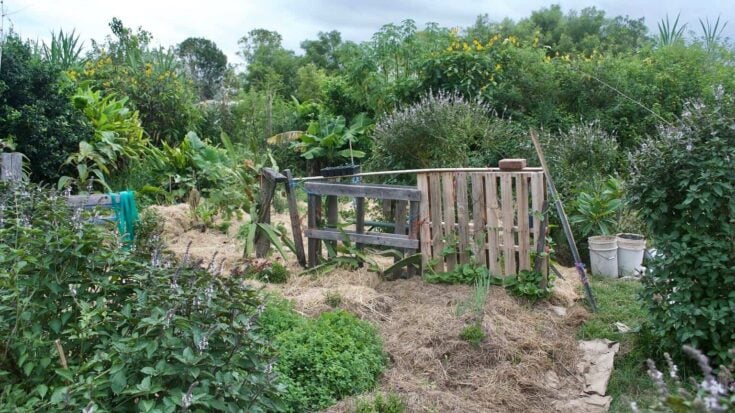
Food Forest Introduction - The Seven Layers of the Forest Garden
Food forests are the ultimate form of layered, low-maintenance gardening. This intro breaks down each layer, from canopy trees to ground covers, and explains how they work together. There's a lot of overlap with chaos gardening principles.
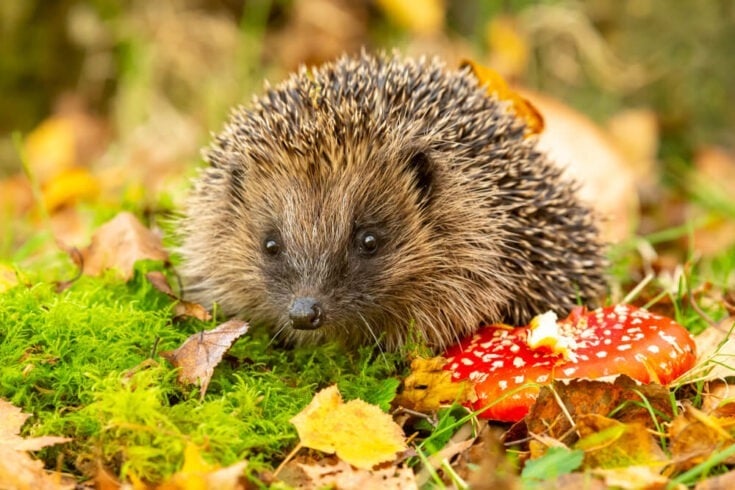
21 Ways To Create A Fall Wildlife Garden And Welcome Nature To Your Backyard
A good chaos garden feeds more than just people! This article is all about helping birds, insects, frogs, and other critters feel at home. Lots of simple ideas here that fit right into untamed, messy chaos gardens.
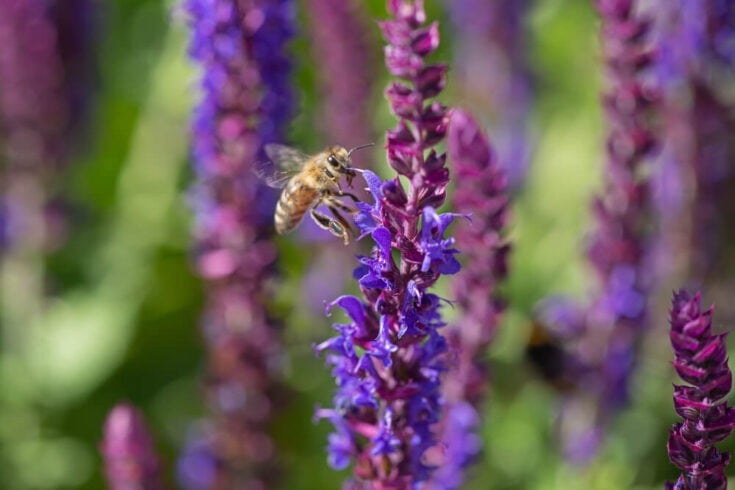
The 21 Best Pollinator Flowers To Attract Honeybees, Bumblebees, Solitary Bees, And Native Bees!
A good chaos garden needs pollinators. These flowers help bring in bees, butterflies, hoverflies, and native insects that do the heavy lifting for your crops. Most of them grow fast, don’t need perfect soil, and will reseed themselves time after time. Plant once and watch the pollinators do the rest.
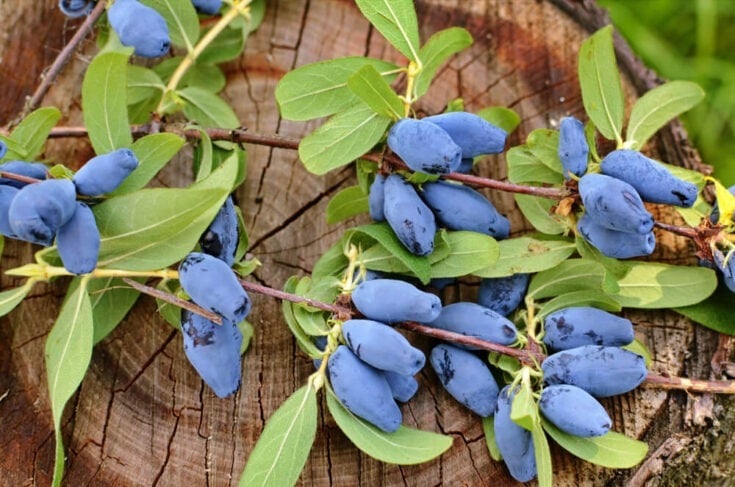
Top 23 Edible Perennials For Sustainable And Delicious Gardens
Perennials are the real backbone of any low-effort garden. You plant them once and get food for years. This list includes lesser-known but incredibly handy plants like the fiddlehead fern and perennial kale that just keep going. They don’t need regular replanting and give you years of harvests.
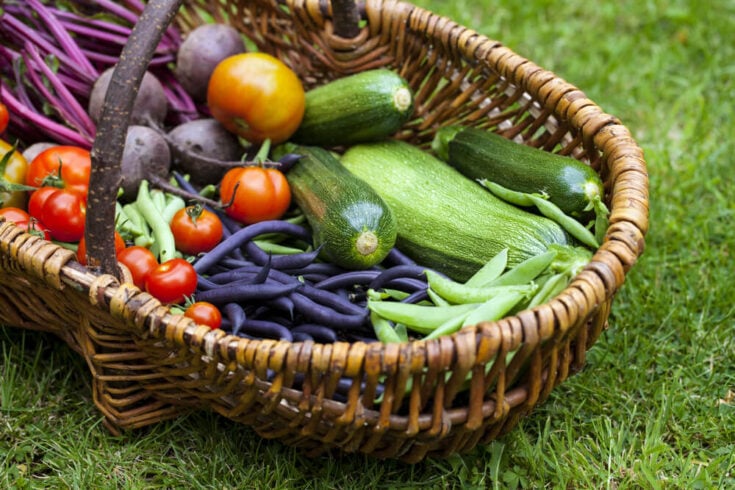
17 Easiest Vegetables To Grow From Seed - A Beginner's Path To Garden Success!
These veggies are perfect for chaos gardens. You can throw the seeds around with very little planning and still get a decent harvest. Think lettuce, radishes, and bush beans, these veggies don’t need a lot of looking after or a tidy garden to thrive.

23 Best Root Crops For A Healthy And Hardy Survival Garden | Carrots, Parsnips, And Sunchokes!
Root crops like beets, carrots, and sunchokes don’t ask for much once they’re in the ground. They grow under the soil, are reliable and tasty, and they're great for awkward garden spots.
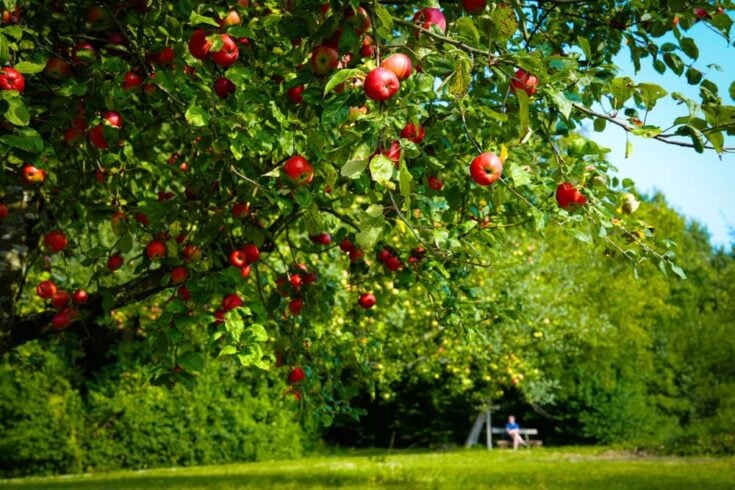
31 Easiest Fruits To Grow In Home Gardens - Alpine Strawberries, Figs, And Pawpaws!
This article is a round-up of fruiting trees and other plants that grow easily. Plants like figs, strawberries, and mulberries grow fast, fruit generously, and are great for filling in gaps in your chaos garden.

10 Essential Things for Any Backyard Permaculture Garden
You don't have to be a permaculture expert to use some of the ideas and get great benefits. This post walks through 10 simple strategies like growing plants that support each other and making every bit of space work harder. It's a practical guide to doing more with your chaos garden.
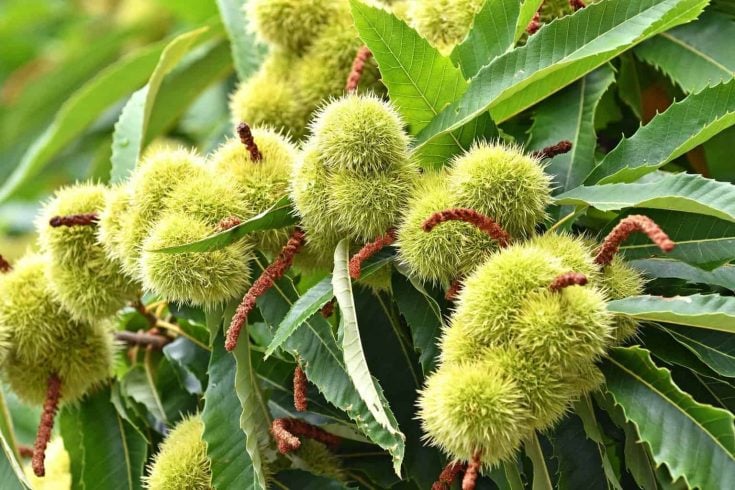
Layers of a Permaculture Food Forest Part 4: Understory and Canopy Trees
Canopy and understory trees help create shelter, shade, and structure in a wild garden. This article shares some great choices for both layers and how they support the plants underneath.

Layers of a Food Forest: Permaculture Shrubs [Part 3]
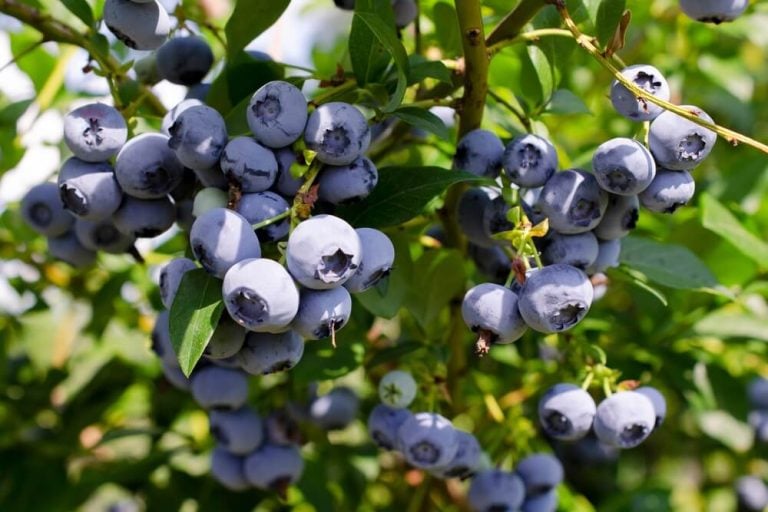
Shrubs like berries, currants, and pigeon pea are great for the middle layers in your garden, producing food while holding space and helping wildlife. You’ll get ideas for adding resilience and diversity.

The Root Layer of a Food Forest (Layer 1 of the 7 Layers)
Roots are easy to miss, but they do a lot of work in your garden. This post explains which crops thrive underground while leaving space up top for leafy or climbing plants. Very handy if you’re packing your chaos garden full!

How to Grow a Wild Food Forest, Self-Sufficiency Garden
This article is all about going with the flow. Planting what thrives, working with your soil, and letting the garden find its rhythm. It’s got tips on plant choices, layout, and getting started without overthinking it.
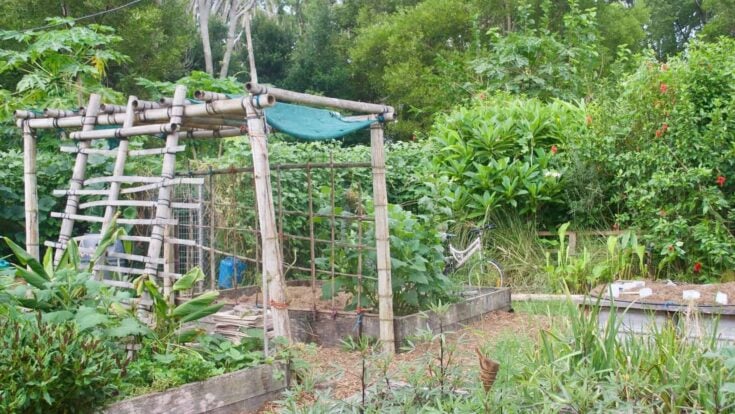
Polyculture Farming - What Is It and Why Is It Better Than Monoculture?
Monoculture fails in chaos gardening! This post explains why mixing crops (polyculture) makes everything more resilient. There are solid tips on planting combos that help each other out naturally.
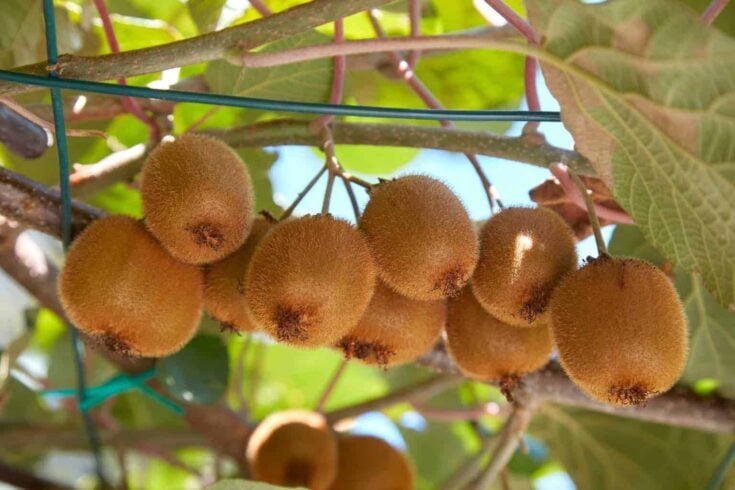
Layers of a Permaculture Food Forest Part 5: Climbing Plants
Vines and climbers can add extra harvest space without taking up more ground. This article gives examples of edible climbers and how to grow them up fences, trees, or pens. Very useful for any overflowing garden space.
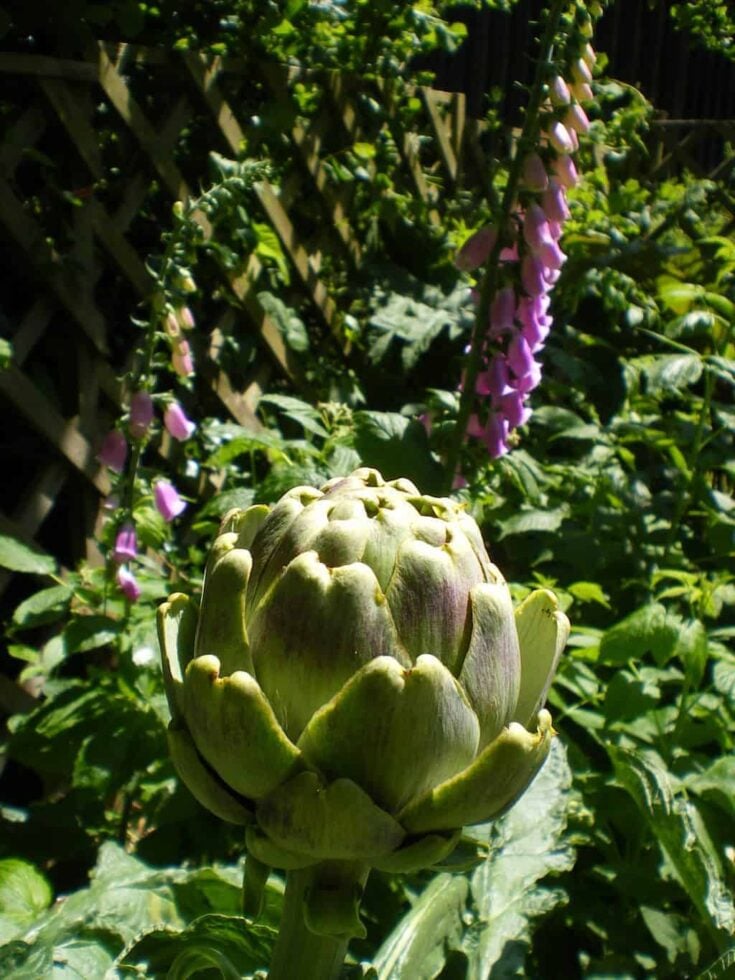
The Herbaceous Layer and Edible Ground Covers In a Permaculture Food Forest
Ground covers are great for filling space, keeping weeds down, and feeding your soil. This post shares edible options that thrive under taller plants and contribute to the chaos gardening system.

Fill your garden with fresh vegetables and your kitchen with homegrown food. This heirloom seed collection includes 32 popular varieties, from tomatoes, cucumbers, and lettuce to pumpkins, corn, beans, and carrots. It's an easy way to start a productive vegetable garden, grow more of your own food, and enjoy harvests that taste far better than store-bought produce. Perfect for anyone dreaming of a backyard packed with fresh vegetables!



What’s worked for you?
Have something to add? Share your experience below. Whether you’ve been gardening, raising animals, or making things yourself for years, your tips might help someone else.