
The 15 Best Dual-Purpose Chicken Breeds for Cold Climates!
Welcome! This article contains affiliate links, meaning I get a commission if you decide to make a purchase through my links, at no extra cost to you.
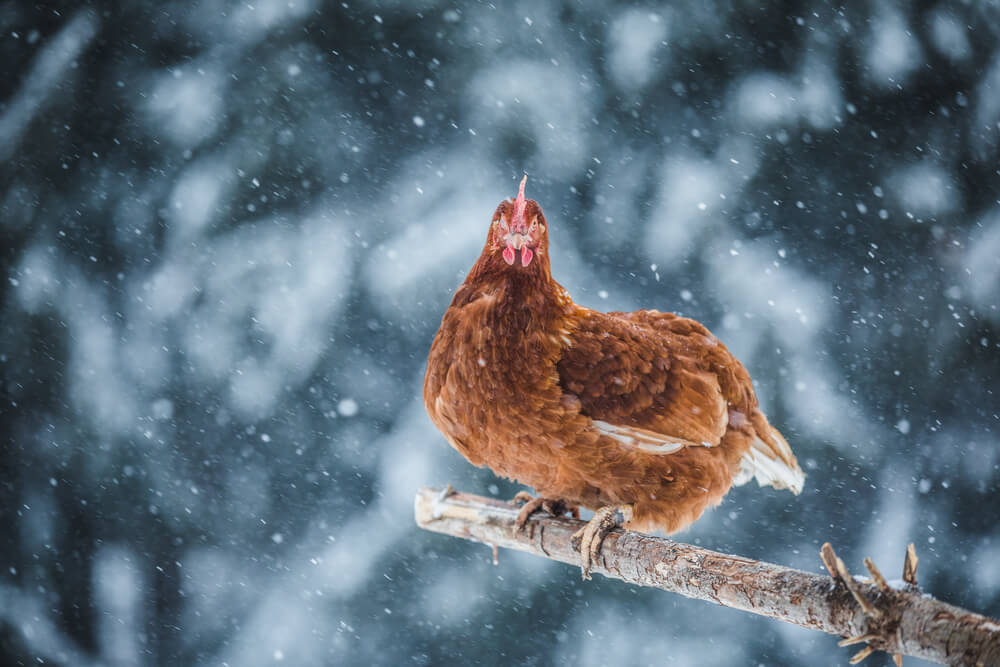
Let’s talk about the 15 best dual-purpose chickens that thrive in cold, frigid, and wintry weather. While some dual-purpose chicken breeds stay inside waiting for spring, these fifteen strong breeds keep laying eggs and growing meat through snow, ice, and chilly winds. They’re perfect if you live in New England, the northern states, or any region with frigid winter blasts and snowstorms.
Sound good?
Then let’s brainstorm the best dual-breed winter chickens!
15 Best Dual-Purpose Chickens That Actually Thrive in Winter
Many dual-purpose chicken breeds can tolerate cold winter weather. But here are our 15 all-time favorites.
1. Delaware
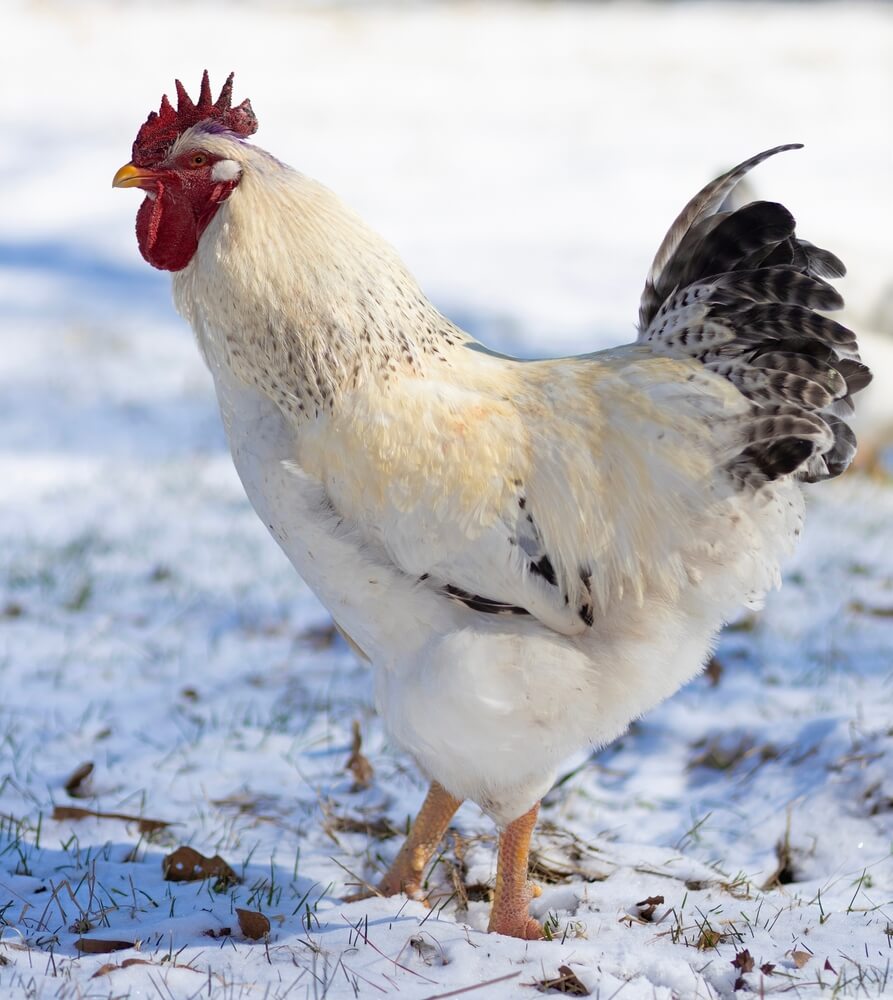
We’re starting our list of dual-purpose winter chickens with a famously feathered favorite. The mighty Delaware chicken! These hefty birds are famously efficient. They grow quickly for a heritage breed and gain yummy meat while still laying plenty of eggs. They’re calm, friendly, and do well in confinement during winter. Their white feathers make processing easier. And they offer a good balance of both eggs and meat.
- Hen weight: Approximately 6.5 to 7 pounds.
- Rooster weight: Approximately 8.5 to 9 pounds.
- Egg production: About 200 to 280 brown eggs/year.
- Superpower: Fast-growing for a heritage bird. Outstanding dual-purpose balance for cold-season meat.
Delaware chickens have vibrant, bright white plumage that helps them blend in during the snowy weather. They’re also alert enough to spot hawks and smart enough to take cover before trouble arrives.
2. Chantecler
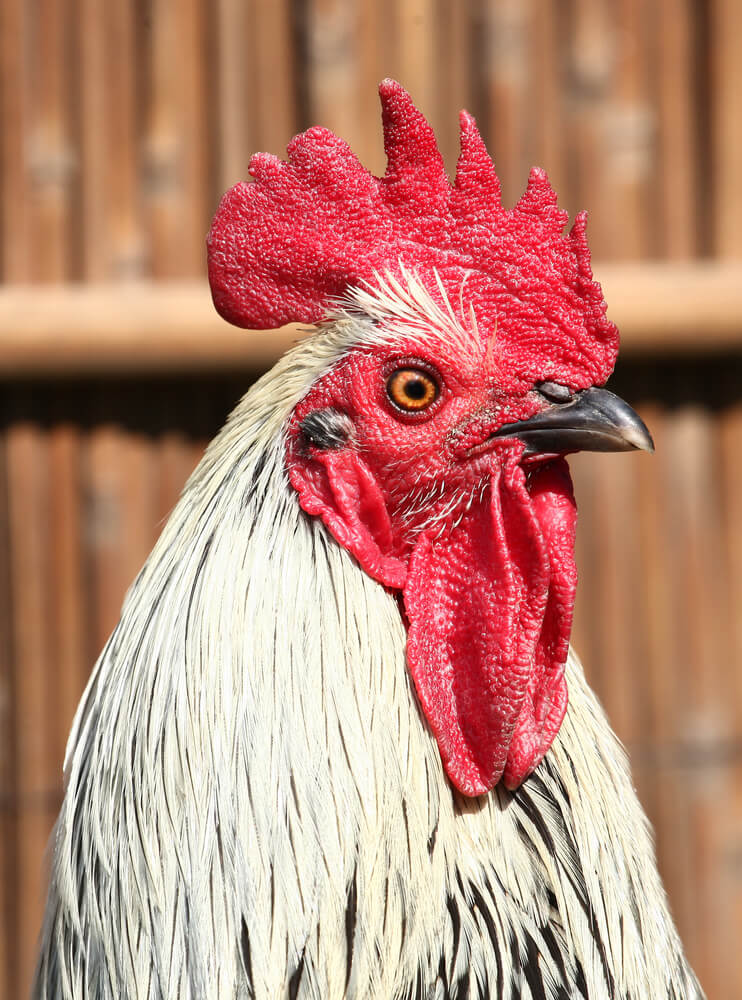
Canadian breeders developed this epic bird to handle frigid temperatures without getting frostbite. Indeed, the Chantecler was literally designed for harsh winters. The small combs and wattles help protect them from freezing. Hens keep laying eggs even in cold weather. And the meat remains high-quality even when processed in winter.
- Hen weight: Approximately 6 to 7 pounds.
- Rooster weight: Approximately 8 to 9 pounds.
- Egg production: About 200 to 240 brown eggs/year.
- Superpower: Bred for Canadian winters. Tiny combs and wattles help prevent frostbite.
Those tiny cushion combs and nearly invisible wattles mean you’ll never deal with frostbitten birds limping around your coop.
3. Ameraucana
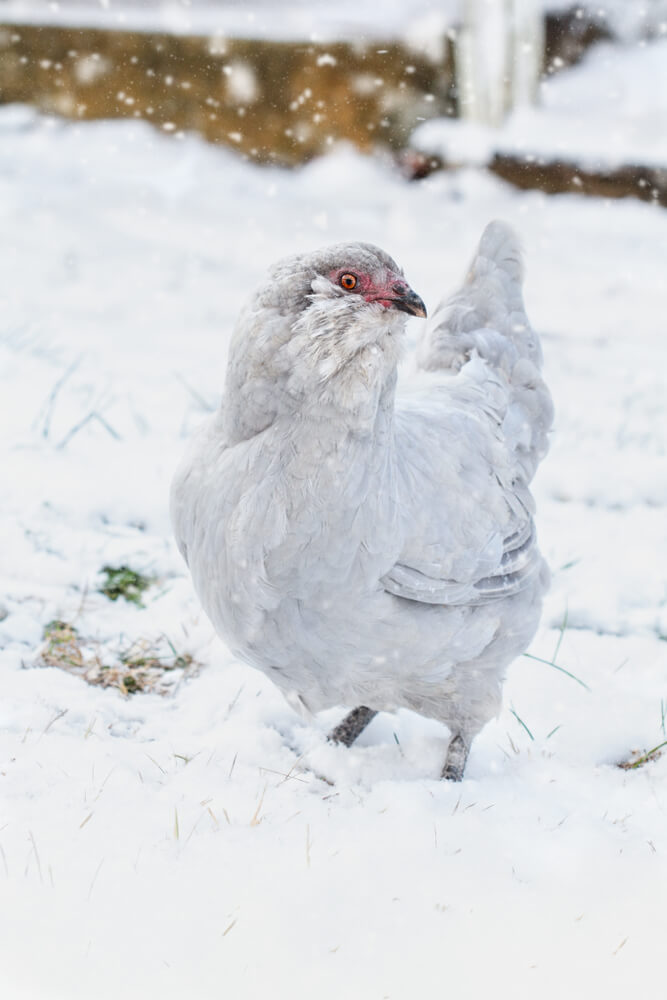
Here’s another highly underrated winter chicken. The mighty Ameraucana, which is the ancestor of the mighty Easter Egger! These adorable chooks add color to your winter egg basket. Their pea comb helps prevent frostbite, and they are hardy enough to keep laying when it gets very cold. The blue eggs are a bonus if you sell eggs, and they make breakfast more fun. These birds forage actively when conditions allow and adapt well to indoor life in winter.
- Hen weight: Approximately 5.5 to 6.5 pounds.
- Rooster weight: Approximately 6.5 to 7.5 pounds.
- Egg production: About 150 to 220 blue eggs/year.
- Superpower: Pea comb + cold-hardiness with blue eggs that upgrade a winter egg carton.
Crack open those blue eggs on a gray February morning and watch them brighten your breakfast plate. They’re Instagram-worthy even when covered in snow.
Read More – 21 Microgreens To Grow Indoors For Fresh, Nutritious Food All Winter!
4. Brahma
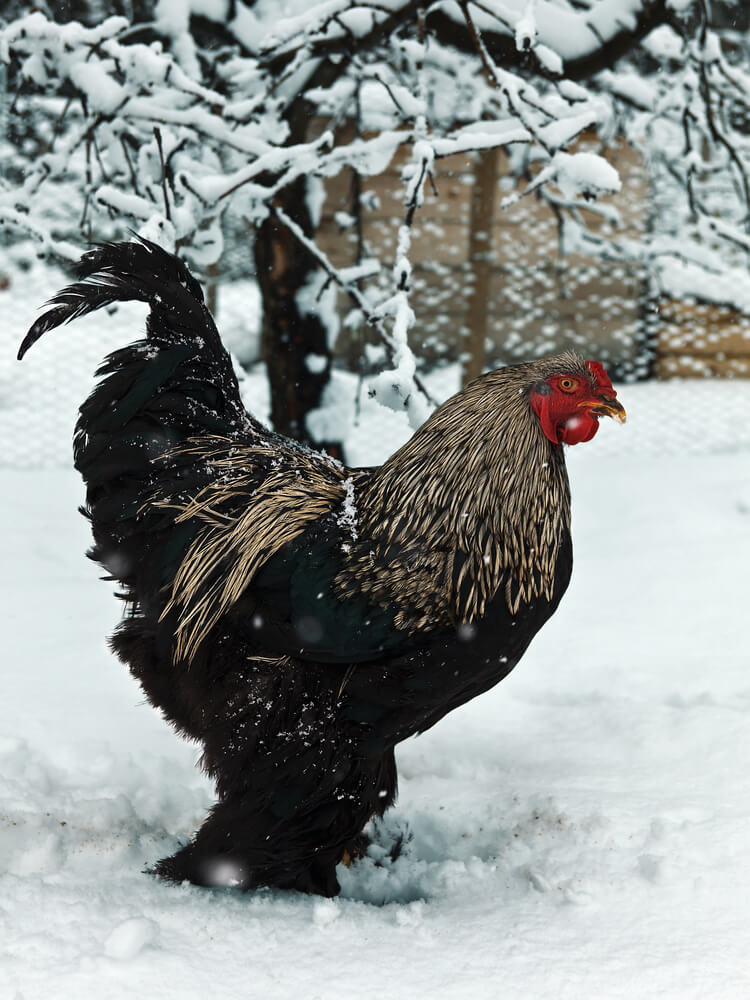
Brahmas are gigantic yet gentle birds that do well in winter. Their big bodies keep them warm. And their feathered legs give extra protection in the snow. Brahmas are also super-friendly for families and large enough for good meat production.
- Hen weight: Approximately 8 to 10 pounds.
- Rooster weight: Approximately 10 to 12 pounds.
- Egg production: About 150 to 200 brown eggs/year.
- Superpower: Massive cold-built body with feathered legs. Excellent winter meat bird.
Their leg feathers work like built-in snow boots! They help insulate their feet and give them better traction when navigating icy ground and deep snowdrifts.
5. Dominique
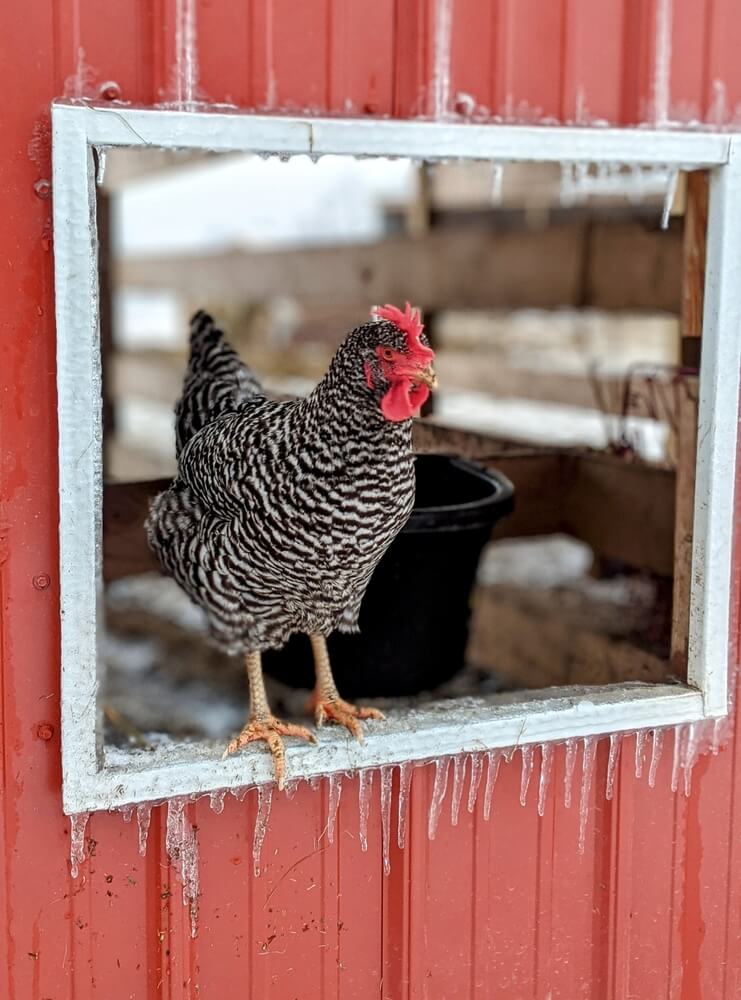
The Dominique is America’s oldest chicken breed for a few good reasons. Its rose comb fits close to the head, which helps prevent frostbite. These birds are good at finding food and make your feed last longer during winter. They are hardy and adaptable, and they keep laying eggs even as other breeds slow down. Their barred feathers also help them blend into different surroundings.
- Hen weight: Approximately 5 to 6 pounds.
- Rooster weight: Approximately 7 to 8 pounds.
- Egg production: About 200 to 260 medium to large brown eggs/year.
- Superpower: Rose comb resists frostbite. Hardy, thrifty forager.
America’s oldest breed earned that title by outlasting every farming fad and climate challenge for over 200 years. They didn’t survive this long by being delicate.
6. Australorp
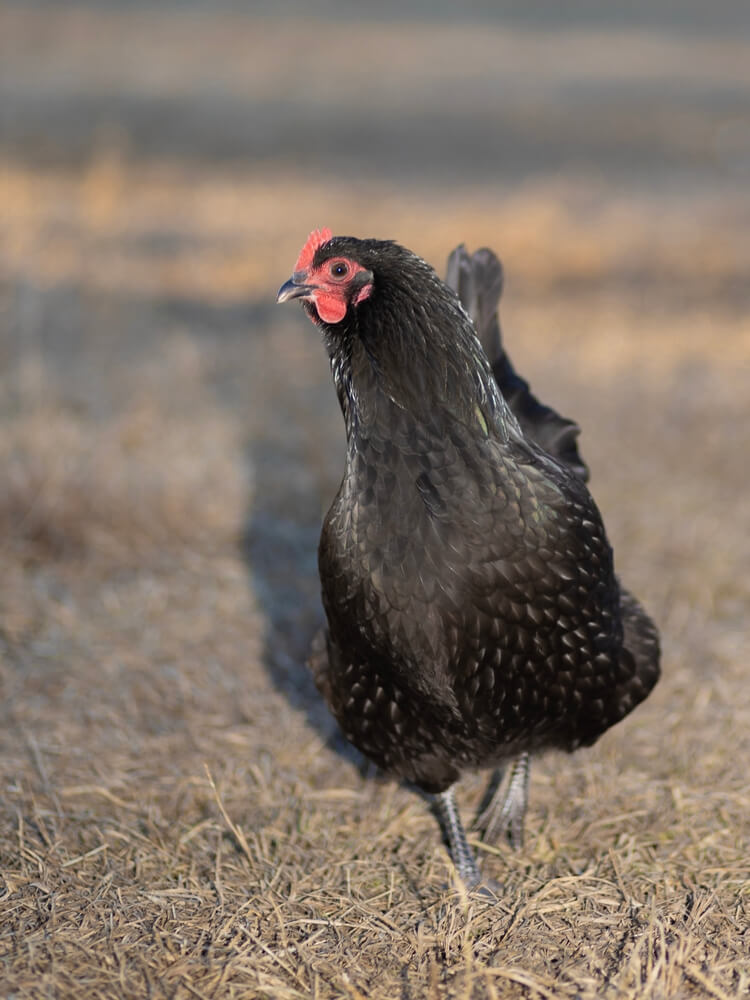
Australorps are great egg producers and handle cold weather well. They lay eggs at rates similar to modern hybrids and still have enough meat for delicious homemade meals. Australorps are calm, easy to manage, and adapt well to indoor winter conditions. Their black feathers help them absorb heat from the sun. And they use feed efficiently.
- Hen weight: Approximately 6.5 pounds.
- Rooster weight: Approximately 8.5 to 10 pounds.
- Egg production: About 250 to 300 light brown eggs/year.
- Superpower: High-output layer that still has real body mass. Strong cold-weather value bird.
Those glossy black feathers act as solar collectors on sunny winter days. They absorb every bit of warmth.
Read More – 21 Best Perennial Plants For Winter Garden Interest That Lasts All Season Long!
7. Rhode Island Red
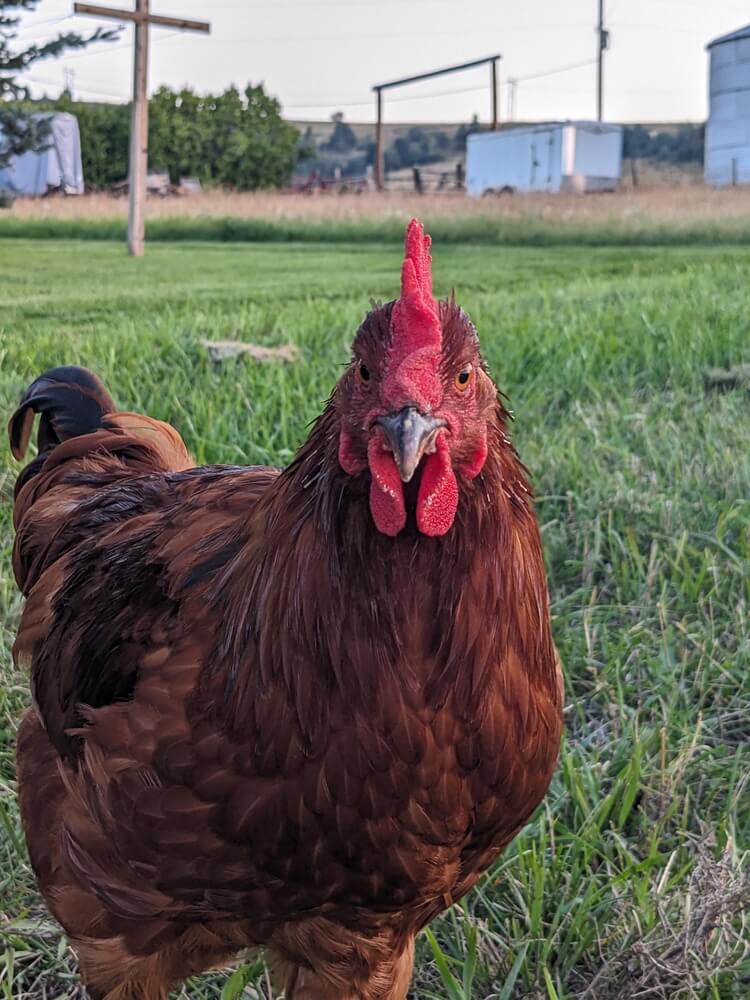
Rhode Island Reds rule! They’re famously hard-working and reliable. They keep laying eggs even when other breeds stop due to bad weather, and they stay in good condition for meat. They are hardy, adaptable, and efficient feeders. Hens are dependable layers, and the breed is popular, so it’s easy to find breeding stock. They do well both free-range and in confinement, making them suitable for many types of farms.
- Hen weight: About 6 to 6.5 pounds.
- Rooster weight: Around 8.5 pounds.
- Egg production: About 200 to 300 brown eggs/year.
- Superpower: Very hardy. Dependable producer. Famously keeps working through rough weather.
Has a winter blizzard shut down your local supermarket? No worries. These tenacious chickens will keep laying like nothing happened.
8. Wyandotte
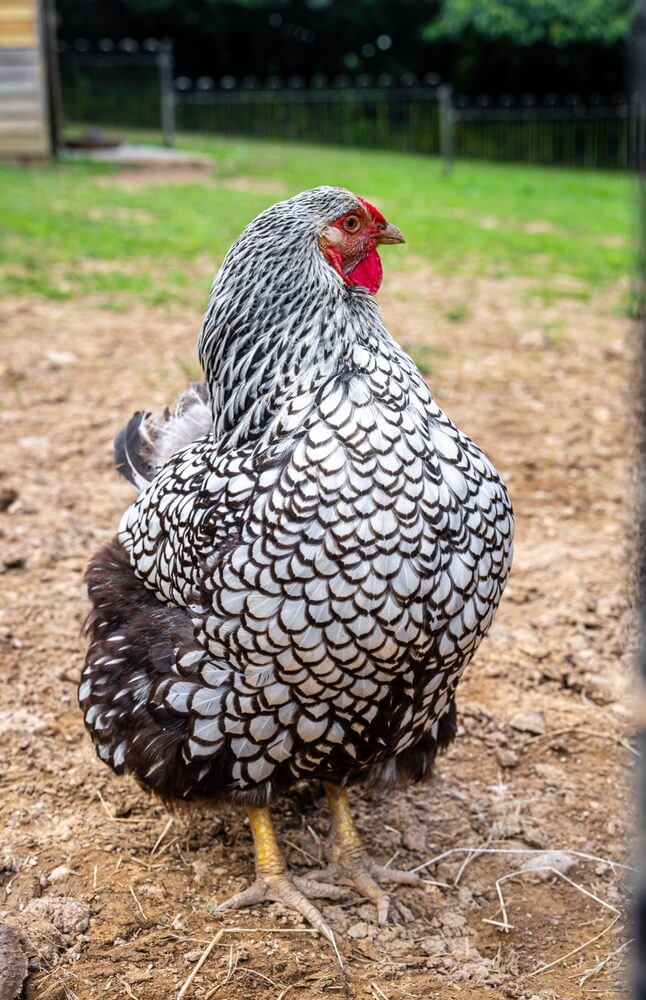
Wyandottes are attractive and practical. Their rose comb helps prevent frostbite. And their heavy bodies provide plenty of meat. They are calm and handle stress well, including being kept indoors during winter. Hens keep laying eggs even during cold spells, and they can be broody if you want to hatch chicks. There are several color varieties, so you can choose your favorite while still getting a hardy bird.
- Hen weight: Approximately 6 to 6.5 pounds.
- Rooster weight: Approximately 8 to 8.5 pounds.
- Egg production: About 180 to 240 brown eggs/year.
- Superpower: Rose comb cold protection + heavy dual-purpose frame.
The laced feather patterns are so striking that visitors will stop mid-conversation to admire them. The Silver-Laced variety is especially striking!
9. Jersey Giant
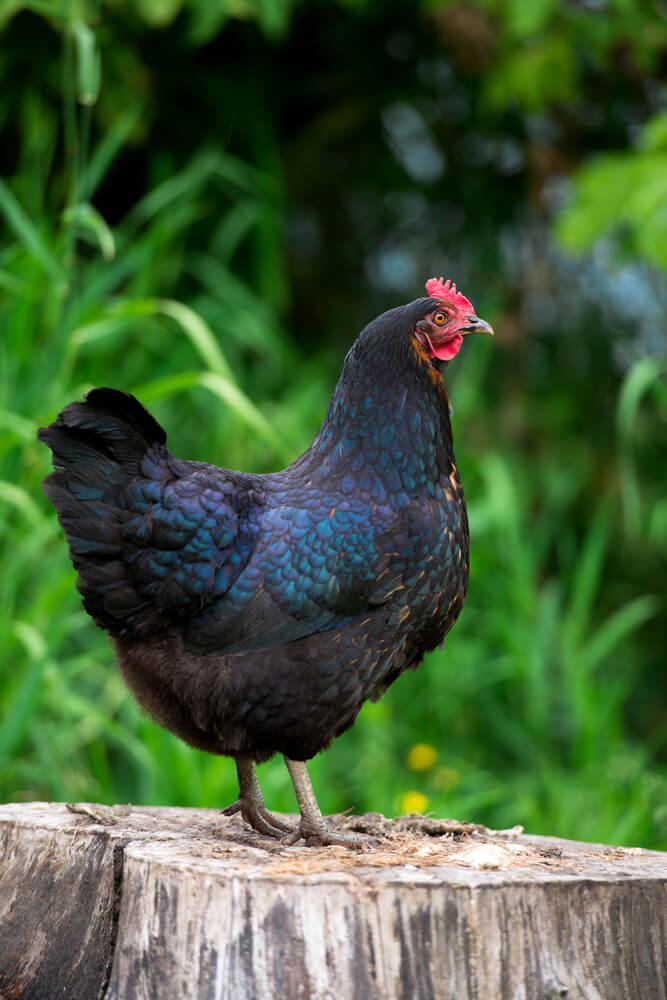
Jersey Giants live up to their legendary names. These massive birds provide ample meat for winter. And they have a calm, steady temperament. These heavy-hitters mature more slowly than some breeds. But their ample size is worth it if you want more meat. Hens lay eggs regularly. And these birds are hardy enough for cold weather without needing extra care.
- Hen weight: Approximately 8 to 10 pounds.
- Rooster weight: Approximately 11 to 13 pounds.
- Egg production: About 150 to 200 brown eggs per year.
- Superpower: Huge carcass potential for cold months. Steady, hardy temperament.
A mature Jersey Giant rooster processed in late winter can yield enough meat to feed a family of four for multiple meals.
Read More – 21 Magnificent Winter Birds To Look For In Your Backyard This Season!
10. Sussex (Light or Speckled)
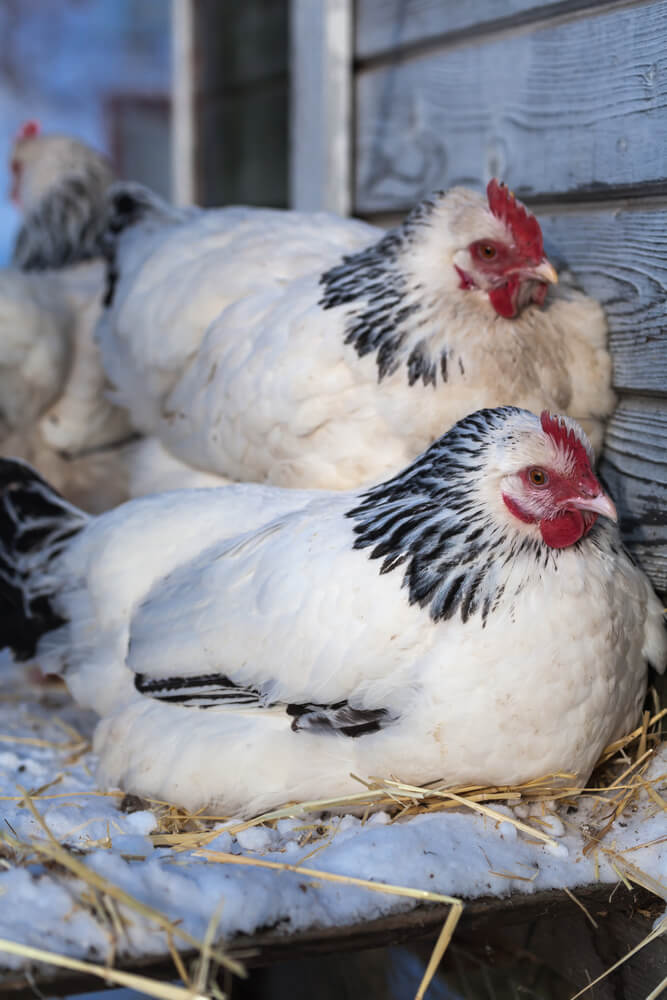
Sussex chickens are valued on British farms for their reliability. They are great at finding food even when winter limits their movement. The meat is high quality, with good texture and flavor. Hens lay eggs steadily in cold weather, and these birds are alert and active. The speckled variety’s coloring helps protect them from predators.
- Hen weight: Approximately 6.5 to 7 pounds.
- Rooster weight: Approximately 8.5 to 9.5 pounds.
- Egg production: About 200 to 260 cream to light brown eggs/year.
- Superpower: Excellent foragers that hold body condition in winter.
Watch your Sussex chickens scratch through light snow cover to find frozen grubs and seeds that other breeds miss. They keep themselves fed even when forage looks scarce.
11. Orpington
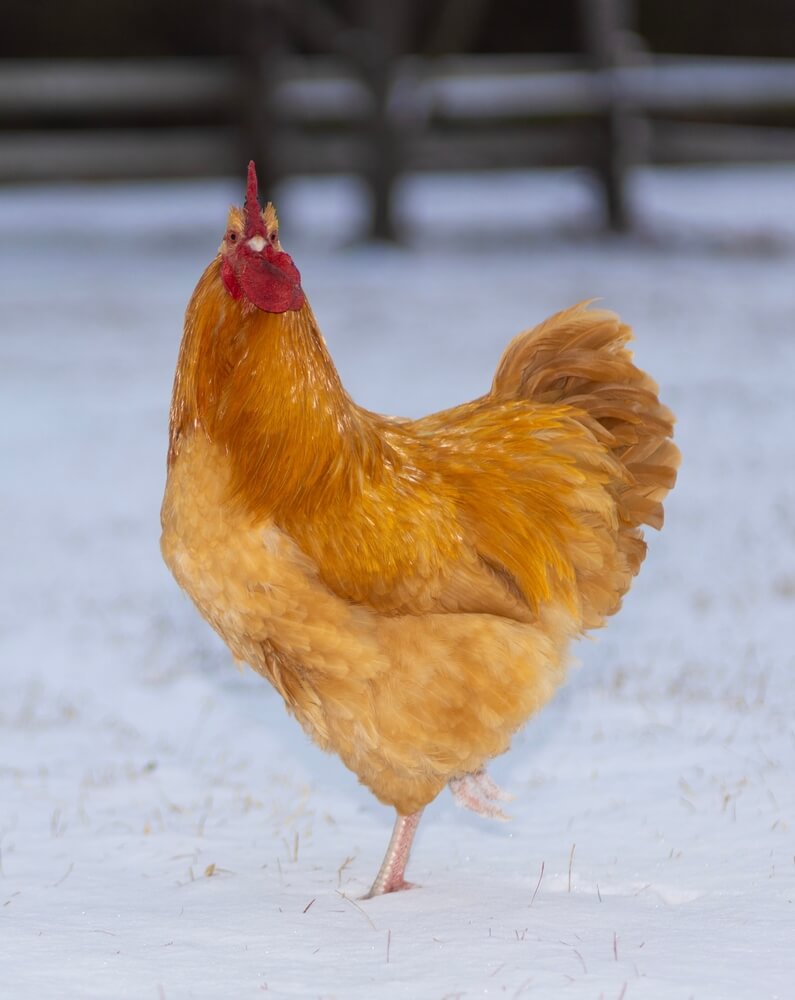
Orpingtons are known for their fluffy feathers. These epically downy feathers provide excellent insulation in winter. They are calm and handle being indoors well, without developing bad habits. They can be broody when needed, making them suitable for hatching chicks. The meat is flavorful, and hens keep laying eggs during the cold months. They are a good choice for small farms where you interact with your chickens often.
- Hen weight: Approximately 7 to 8 pounds.
- Rooster weight: Approximately 8 to 10 pounds.
- Egg production: About 175 to 230 brown eggs/year.
- Superpower: Cold-friendly “fluff factor” and a calm disposition that does well in confinement.
Their dense, heavenly feathers make them look like walking pillows. And that fluff factor provides such good insulation that they barely notice freezing temperatures.
12. Langshan (Croad)
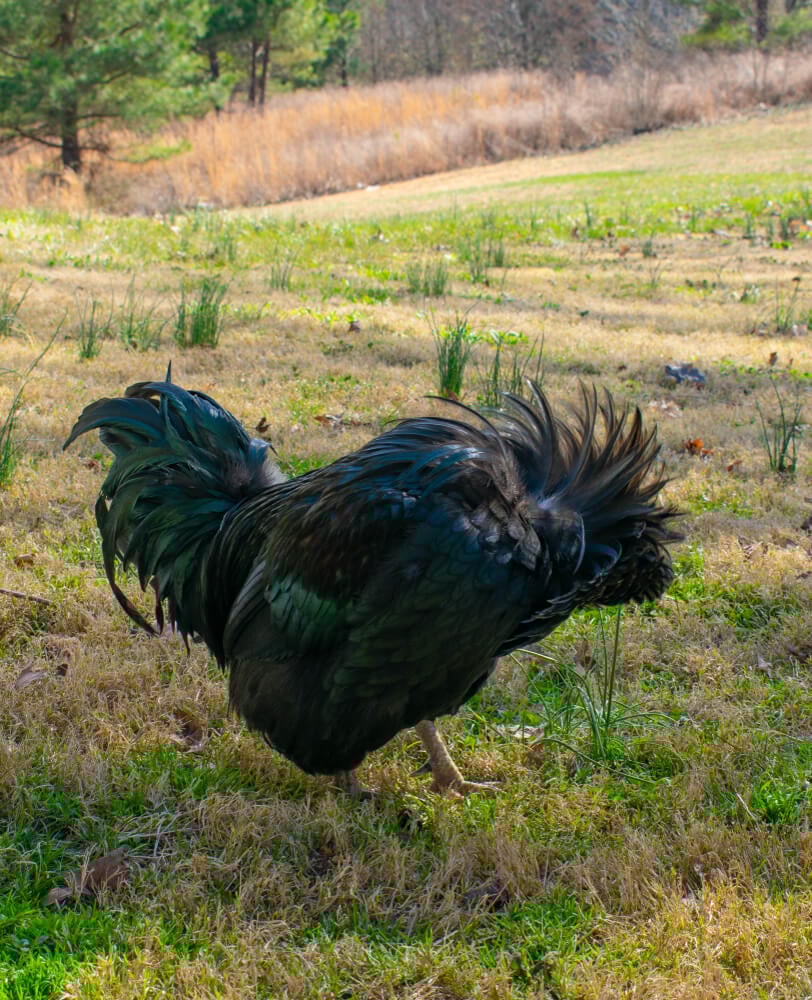
Langshans are tall, elegant birds. The cool thing about Langshans is that they’re famous for maintaining winter egg production better than most heritage breeds. Their height and heavy build make them both cold-hardy and suitable for meat. The darker brown eggs are attractive, and these birds are active, skilled foragers.
- Hen weight: Approximately 6.5 to 7.5 pounds.
- Rooster weight: Approximately 9 to 10 pounds.
- Egg production: About 180 to 250 brown (often darker-tinted) eggs/year.
- Superpower: Known for winter laying relative to many breeds. Tall, heavy, cold-capable bird.
Langshans are surprisingly tall chickens, and they’re also active foragers. Their constant moving around helps them generate body heat, keeping them warmer than lower-energy breeds.
Read More – The Only 10 Christmas Tree Cultivars You’ll Ever Need For Your Backyard Or Homestead!
13. Plymouth Rock (Barred Rock)
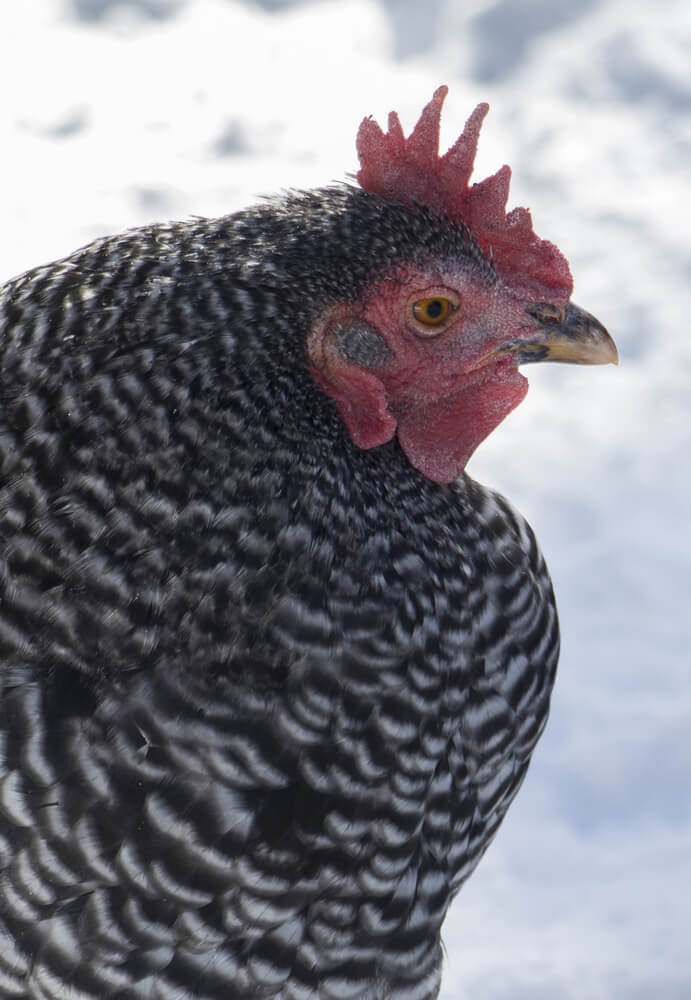
Plymouth Rocks are a popular choice for homesteads because they are reliable layers, superb foragers, and super hardy. They lay eggs even in cold weather, have good meat quality, and adapt well to environmental changes. Their barred feathers look just like a Dominique’s. They are also friendly enough for families but productive enough for larger farms.
- Hen weight: 7.5 pounds.
- Rooster weight: 9.5 pounds.
- Egg production: 200 to 280 brown eggs/year.
- Superpower: Classic “do-it-all” homestead bird. Reliable eggs and meat even in cold snaps.
Plymouth Rock chickens are the backbone of American homesteads! They’ve evolved in tremendously cold climates and can withstand even the chilliest New England winters.
14. New Hampshire Red
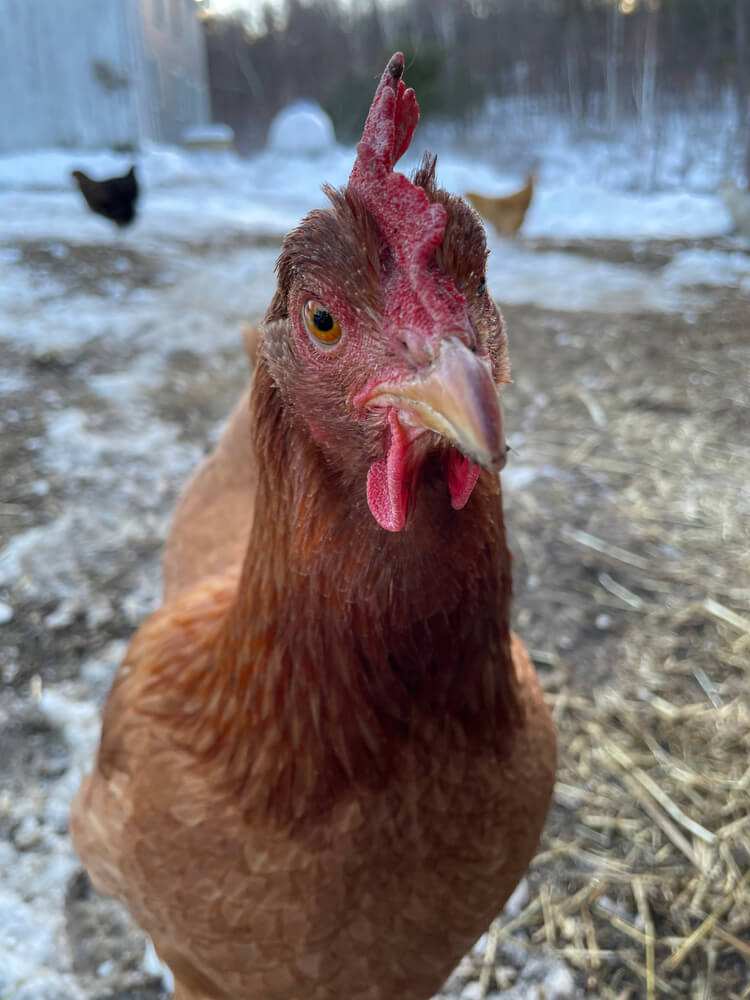
New Hampshire Reds are an “enhanced” version of Rhode Island Reds. Breeders selected Rhode Island Reds explicitly for faster growth, meatier frames, and better winter performance. NH Reds sport a beautiful reddish-buff tone and are known for being slightly calmer in temperament. They handle northeastern winters without missing a beat, and they’re efficient feed converters that keep your costs down.
- Hen weight: Approximately 6.5 pounds.
- Rooster weight: Approximately 8.5 pounds.
- Egg production: About 200 to 280 brown eggs/year.
- Superpower: Explicitly bred for faster growth and a meatier frame than RIR. Superb winter hardiness.
New Hampshire Reds reach market weight weeks faster than their Rhode Island cousins while using less feed. They’re perfect if you want reliable meat on your winter homestead.
15. Buckeye

Buckeyes are strong foragers that do well in cold weather. Their pea comb helps prevent frostbite. And their muscular build gives a good amount of meat. These birds are active and can find food even in winter. And they are known for sometimes catching and eating mice!
- Hen weight: Approximately 6 to 6.5 pounds.
- Rooster weight: Approximately 8.5 to 9 pounds.
- Egg production: About 180 to 220 brown eggs/year.
- Superpower: Pea comb reduces the risk of frostbite. Strong winter forager and an actual dual-purpose build.
Imagine a backyard chicken that loves to hunt mice? That means they’re actively hunting and adding protein to their own diet while reducing your rodent problems!
Read More – The Ultimate Guide To Growing Winterberry From Seed, Cuttings, Or Transplants!
Conclusion
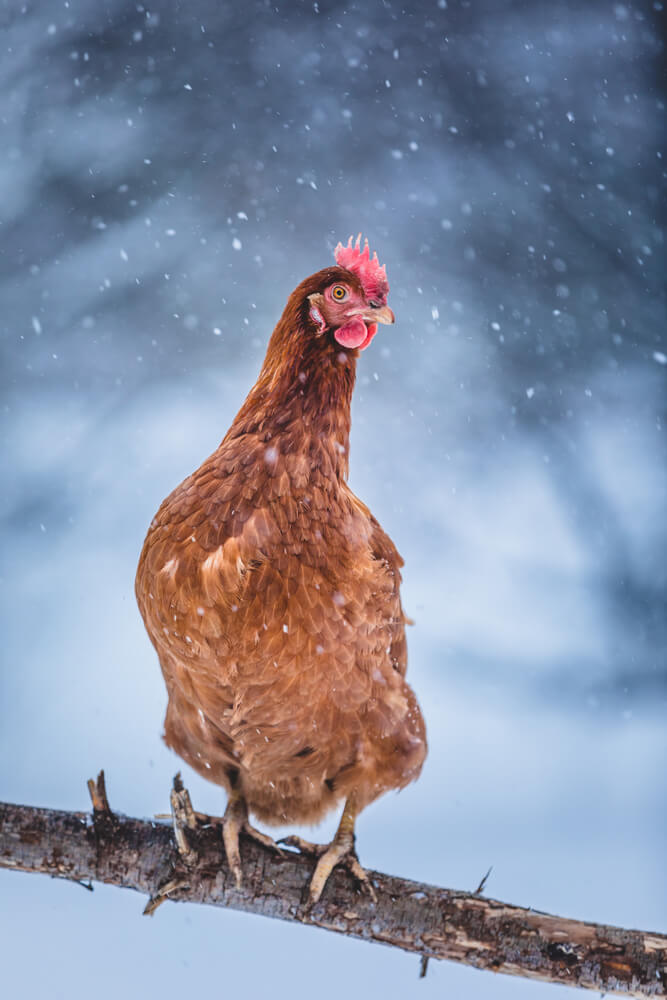
Contrary to popular belief, you don’t have to suffer without eggs and meat during winter. These 15 dual-purpose winter breeds reveal that you can remain productive and profitable all winter long. Consider them if you have freezing winters. For sure! You’ll spend less time worrying about frostbite and more time gathering eggs and planning meals. Deploying these feathered treasures is a smart way to homestead!
Thanks for reading.
Have a great day!


