
10 Permaculture Principles That Let Nature Do The Heavy Lifting For You!
Welcome! This article contains affiliate links, meaning I get a commission if you decide to make a purchase through my links, at no extra cost to you.
The cost of running a homestead has been increasing lately. Have you noticed the same? That’s why I’m a massive proponent of permaculture! Permaculture transforms your homestead into a self-sustaining system that produces delicious food each year while requiring less effort and fewer resources. Instead of fighting against nature with expensive inputs and constant labor, you’ll design gardens that work with natural patterns to build soil, conserve water, and increase yields automatically.
Sound intriguing?
Then let’s brainstorm 10 permaculture principles ALL homesteaders should know.
10 Permaculture Principles That Let Nature Do The Heavy Lifting For You
Consider this your non-negotiable permaculture checklist. I’ve ranked them in order of priority for beginners. Start here. Your permaculture journey will yield remarkable results!
1. Observe And Interact (The #1 Golden Rule. Never Skip This!)
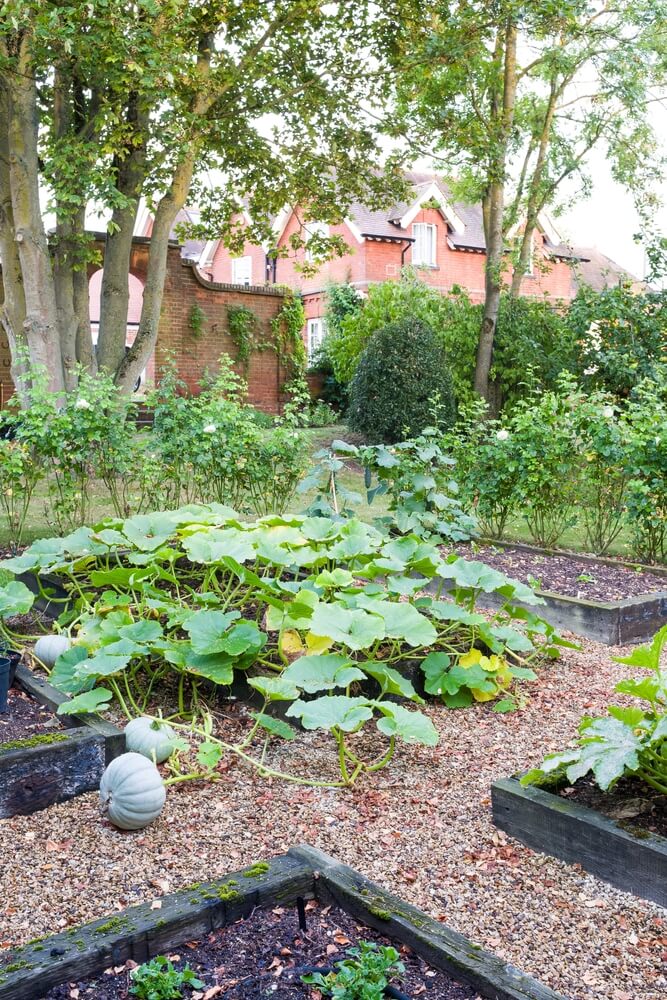
Before planting a single perennial crop or seed, spend a full season watching your land. Track sun paths, wind patterns, water flow, soil types, wildlife, and microclimates. Your observations will reveal exactly which plants will thrive in each microclimate. This observation phase prevents costly mistakes, such as planting shade-lovers in full sun or locating your vegetable beds in a frost pocket.
Key Observation Tips:
- Map where frost settles first in fall and lingers longest in spring to avoid planting tender crops in frost pockets.
- Note which areas stay soggy after rain and which dry out fastest, then match plants to those moisture levels instead of fighting them.
- Track where wildlife travels, feeds, and shelters so you can work with their patterns rather than creating constant conflict.
Design for your specific site conditions, not for what looks impressive. Function first, aesthetics follow.
2. Catch And Store Energy (Water Is Liquid Gold)
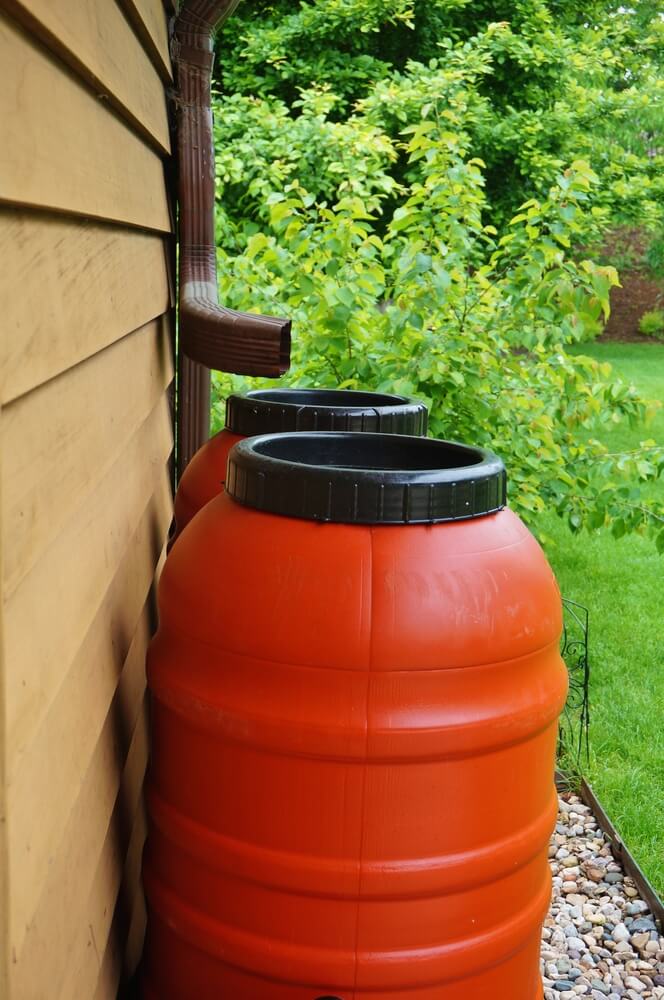
Every drop of rain that leaves your property is wasted potential. Design your landscape to capture, slow, and infiltrate water using features such as rain barrels, swales, rain gardens, ponds, and mulch basins. Store solar energy by growing perennial plants that return year after year without replanting, and preserve your harvest through canning, fermenting, and root cellaring. A well-designed permaculture system captures summer abundance and releases it when you need it most.
Critical Water and Energy Storage:
- Install swales on contour (level lines across slopes) to capture runoff and rehydrate your landscape from the top down.
- Apply 4 to 6 inches of mulch everywhere to store soil moisture, moderate temperature swings, and reduce watering needs.
- Prioritize perennials over annuals for a significant boost in energy invested, as they establish deep roots and produce for years without replanting.
Think of your garden as a living battery that charges during times of plenty.
Read More – How to Create the Perfect Fruit Tree Guild Layout for Permaculture
3. Obtain A Yield (Design For Productivity, Not Just Beauty)
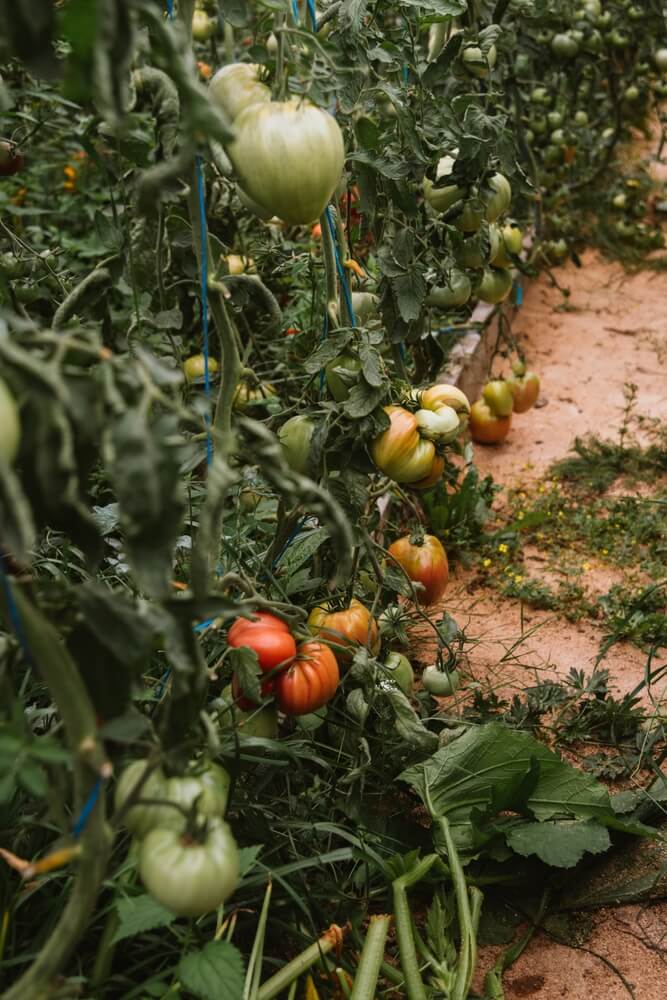
Permaculture must be productive, not just pretty. Every element in your garden should provide a yield, whether it be food, medicine, mulch, wildlife habitat, or beauty. Start with high-value, easy-to-grow crops that suit your climate and dietary preferences, allowing you to experience early success and stay motivated. Your garden should reward your efforts within the first year, even as you establish long-term systems in place.
Maximize Your Yields:
- Plant fast-producing crops like lettuce, radishes, and herbs immediately while waiting for fruit trees and perennials to mature.
- Calculate yield per square foot, not just per plant, to prioritize space-efficient crops like pole beans over sprawling pumpkins.
- Design your garden for year-round harvests by selecting early, mid-season, and late-season varieties, ensuring a continuous supply of food throughout the year, not just in August.
Remember that yields aren’t just edible. A nitrogen-fixing shrub that feeds your soil is yielding, too.
4. Use And Value Renewable Resources (Stop Buying What Nature Gives Free)
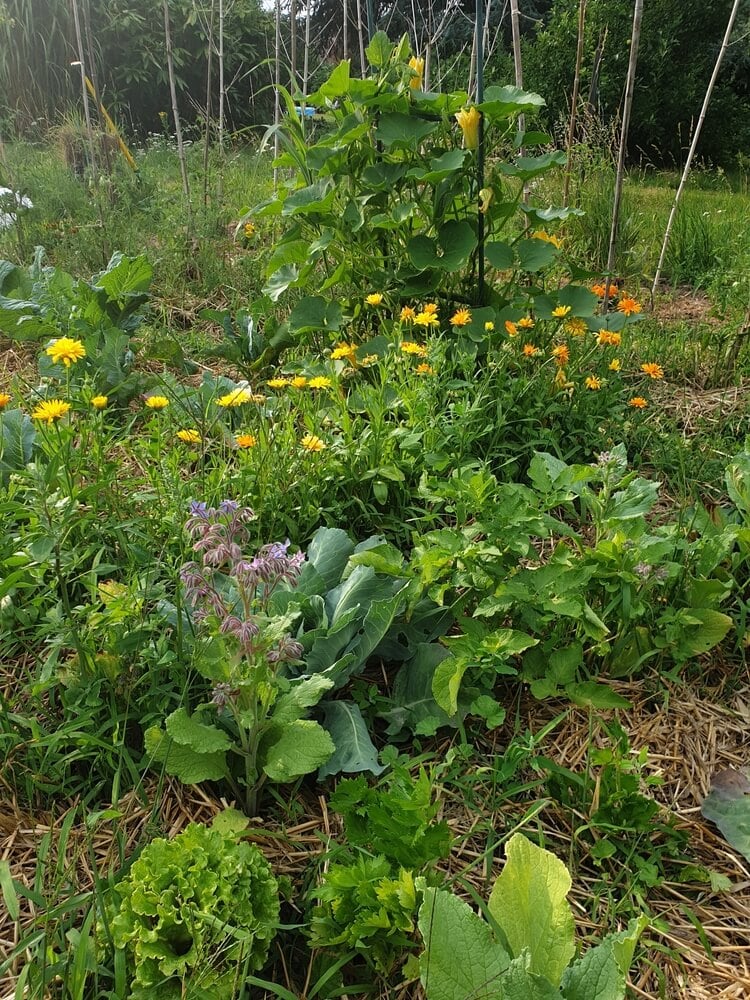
The idea here is to replace external inputs. Try to create on-site resources by composting all organic waste, collecting rainwater, and generating your own mulch from fallen leaves and grass clippings. Enhance soil fertility by using cover crops, employing chop-and-drop mulching, and letting your chickens and other farm animals process kitchen scraps into fertilizer. The less you depend on garden centers and delivery trucks, the more resilient and affordable your system becomes.
On-Site Resource Strategies:
- Establish dynamic accumulator plants, such as comfrey and nettles, that mine deep soil nutrients and convert them into rich mulch when cut.
- Save seeds from your best-performing plants each year to develop heirloom varieties perfectly adapted to your specific conditions.
- Use fallen branches and logs as the base layer for hugelkultur beds, which slowly decompose into spongy, fertile soil over 5 to 20 years.
After 2 or 3 years, a well-designed permaculture garden runs primarily on sunlight, rain, and natural cycles, significantly reducing your annual input costs.
Read More – 26 Gorgeous Garden Themes You Can Grow In Your Backyard – From Wild To Whimsical!
5. Produce No Waste (Everything Is Food for Something)
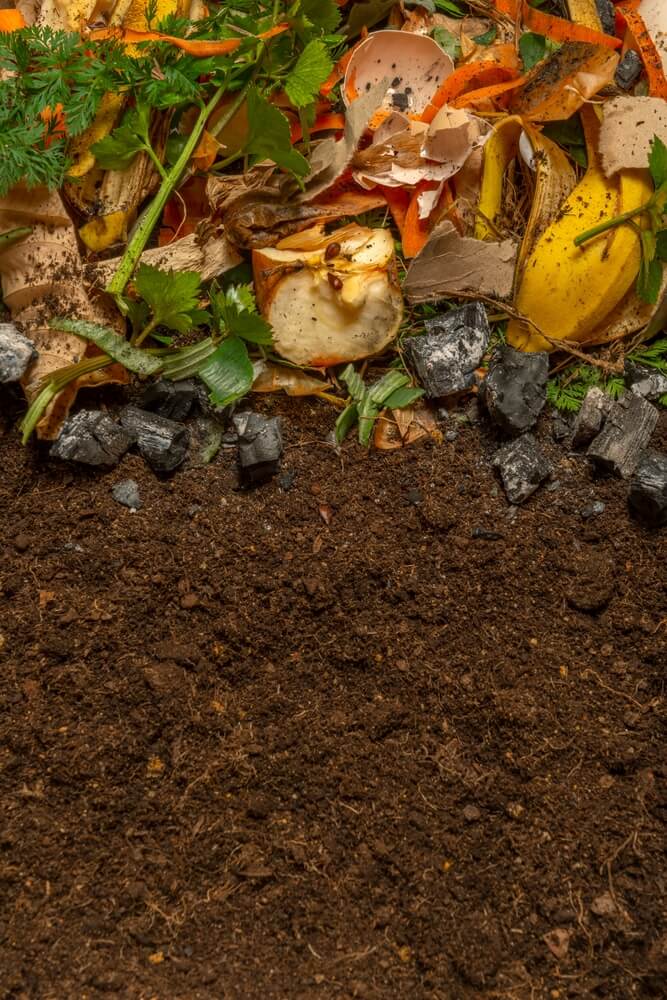
In nature, waste doesn’t exist. Everything becomes food for something else. Apply this principle by viewing every ‘waste’ product as a resource waiting to be put to proper use. Compost every scrap of organic matter, use “weeds” as mulch or livestock feed, and turn prunings into core gardening mounds or biochar. Even so-called pests become food for beneficial insects and birds when you design for biodiversity. Challenge yourself to send nothing to the landfill from your garden.
Zero-Waste Tactics:
- Turn aggressive weeds like dandelions and purslane into assets by eating them, feeding them to chickens, or using them as mineral-rich compost activators.
- Create multiple composting systems (hot bins, cold piles, and worm towers) to process different waste streams at various speeds.
- Transform diseased plant material through hot composting (130-170°F) or convert it into biochar, rather than sending it off-site, thereby keeping those nutrients within your system.
This mindset shift transforms problems into opportunities. It also significantly reduces your operating costs.
6. Stack Functions (One Element, Many Jobs)
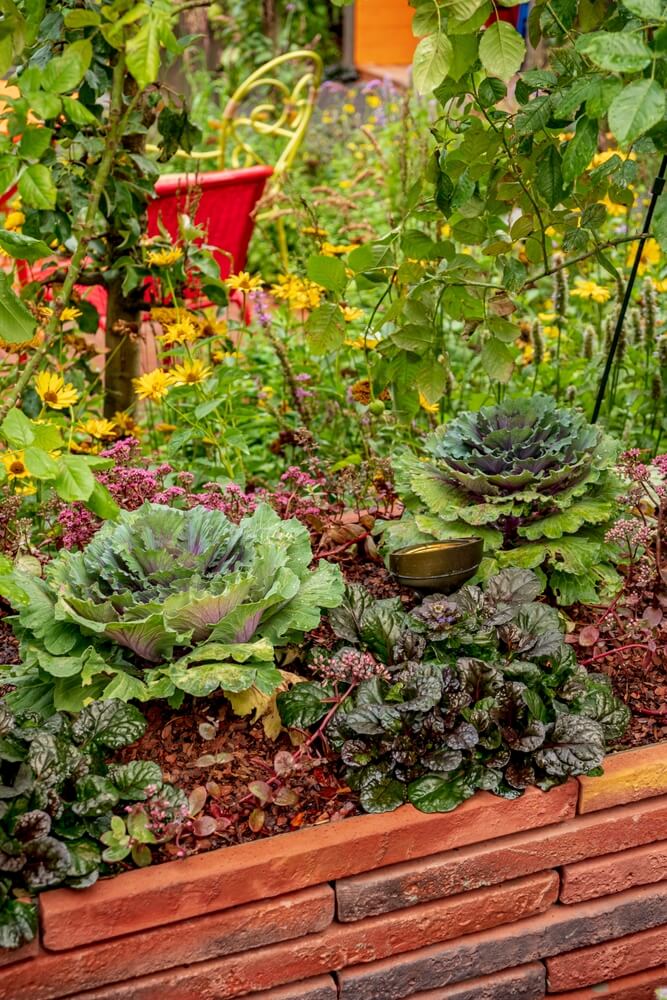
Every plant and structure should ideally serve multiple purposes. A living hedge can provide food, create a windbreak, attract pollinators, produce mulch, and mark property boundaries. Chickens give eggs, till soil, eat pests, fertilize, process compost, and provide entertainment. This redundancy builds resilience because if one function fails, others continue.
Function-Stacking Examples:
- Choose fruit and nut trees that also provide shade for shade-tolerant crops, support for climbing vines, and biomass for mulch when pruned.
- Add ducks or geese to control slugs, fertilize paths, eat grass clippings, provide eggs, and alert you to predators with their loud calls.
- Build raised beds from materials that decompose into soil (such as logs, straw bales, or untreated wood), allowing the structure itself to become fertile over time.
Design with stacking in mind from day one, and you’ll create a garden that works harder while you work less.
Read More – 14 Best Fruit Trees To Grow In Containers And Pots – Even On A Porch Or Balcony!
7. Use Edges and Value the Marginal (Where the Magic Happens)
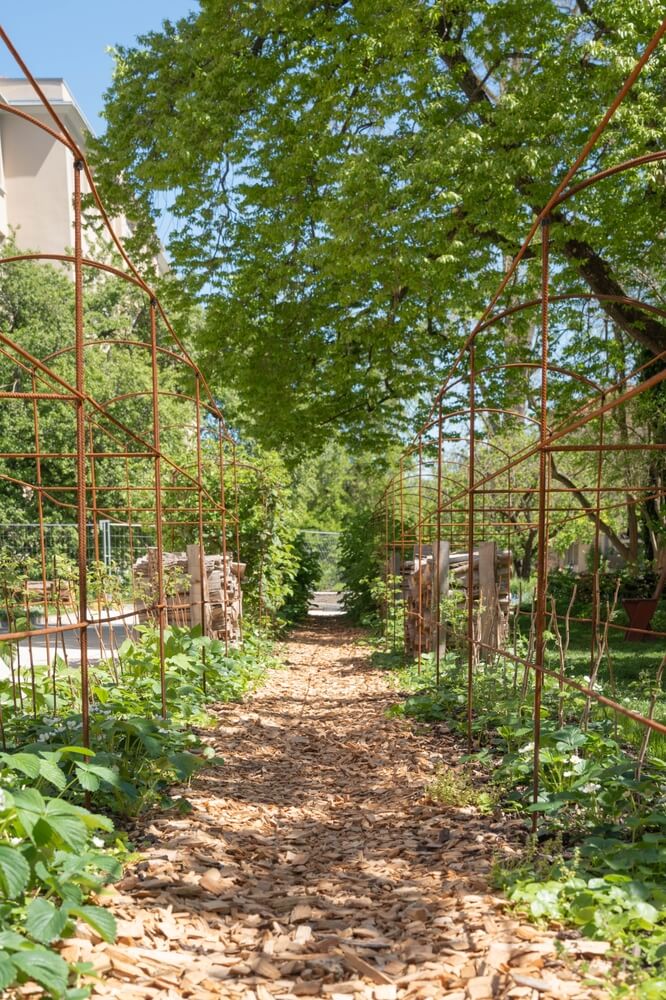
The most productive and biodiverse zones in nature occur at edges where two ecosystems meet, such as where a forest meets a meadow or land meets water. Enhance your garden’s visual appeal by incorporating keyhole beds, spiral herb gardens, wildlife ponds, and curving borders, rather than relying on straight lines. Don’t ignore marginal spaces, such as that shady corner or rocky slope. These “problem” areas often become your most valuable zones when designed thoughtfully.
Edge and Marginal Space Tips:
- Design keyholes and mandala-shaped beds to increase edge space significantly compared to rectangular plots of the same area.
- Transform dry, rocky slopes into Mediterranean herb gardens featuring rosemary, thyme, and lavender that thrive in “terrible” soil.
- Add a small pond or water feature to instantly create the richest edge habitat on your property, attracting beneficial insects, frogs, and birds.
Edges create microclimates and niches that support a wider variety of plants and wildlife.
8. Integrate Rather Than Segregate (Create Beneficial Relationships)
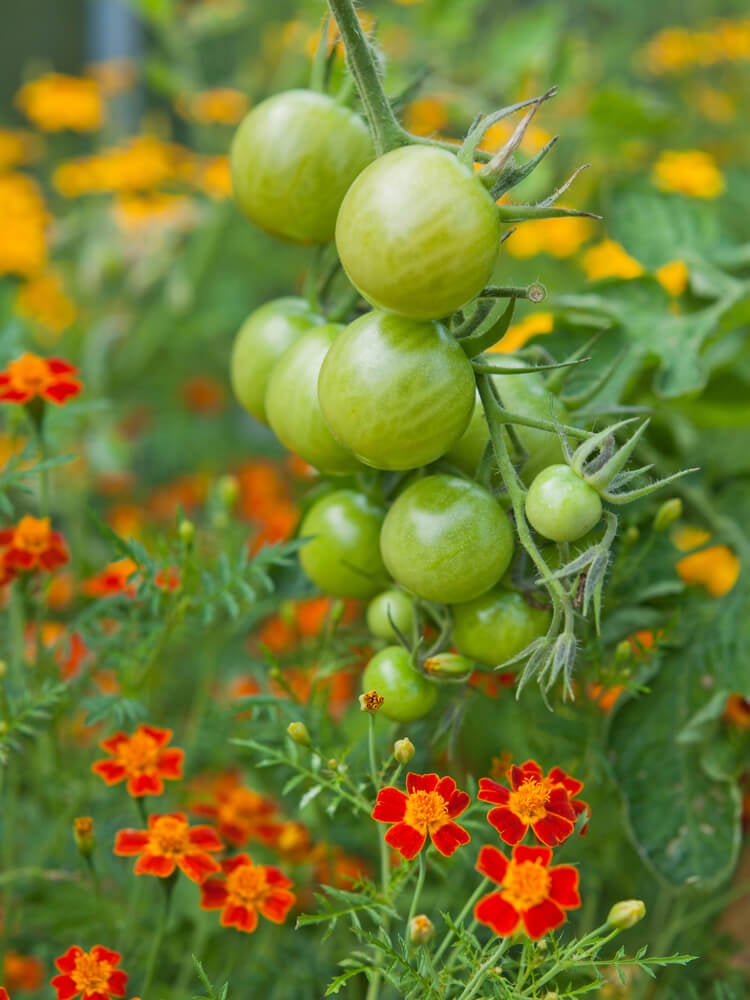
The main idea is to plan your garden so that everything supports each other rather than competes. Plant nitrogen-fixing plants, such as beans, alongside heavy feeders, like corn. Position aromatic herbs (like thyme and basil) near vegetables to confuse pests.
Let your ducks and chickens patrol your garden freely for slugs. They’ll fertilize as they go. Always try to create positive feedback loops, where each component enhances the productivity of the others.
Integration Success Strategies:
- Master the “Three Sisters” guild (corn, beans, squash) as your template for understanding how plants structurally and nutritionally support each other.
- Place your compost bin between the kitchen and garden so it’s conveniently located, allowing nutrients to flow naturally from source to soil.
- Integrate animals by rotating chickens through dormant garden beds in fall to eat pests, till soil, and fertilize before spring planting.
Think in communities, not monocultures.
Read More – 31 Easiest Fruits To Grow In Home Gardens – Alpine Strawberries, Figs, And Pawpaws!
9. Use Small, Slow Solutions (Start Tiny, Think Big)
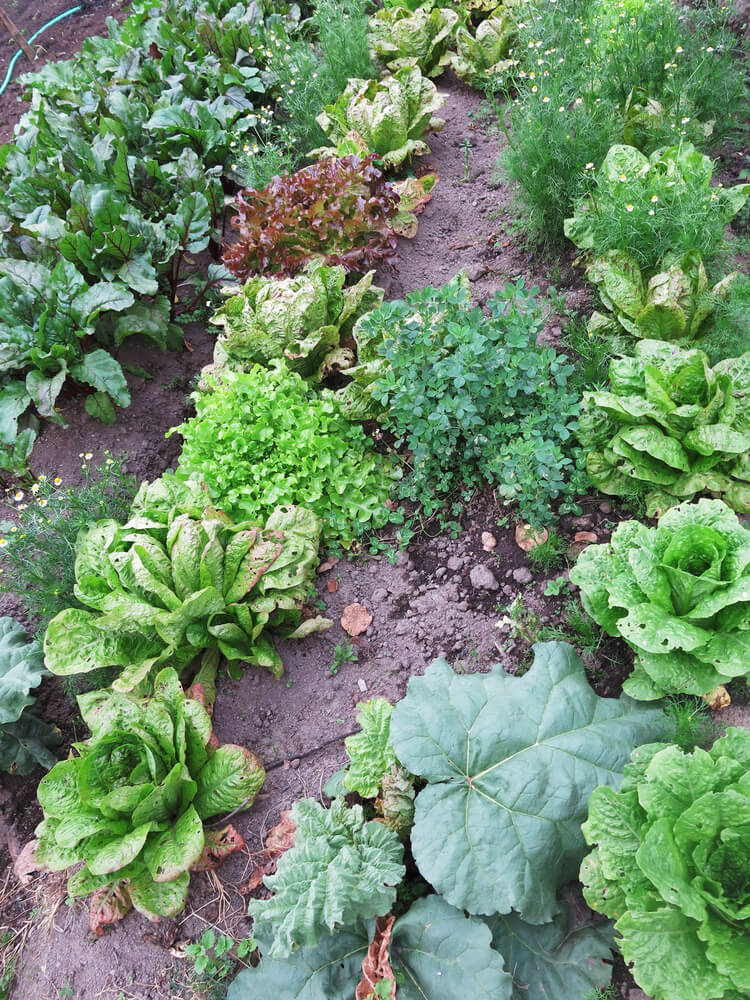
Never try to transform your entire homestead at once. Permaculture systems need time to establish. And you need time to learn what works on your specific site. Begin with a small, manageable zone near your house. That way, you can observe and intervene if needed. Grow only a few crops before expanding your repertoire.
Small permaculture systems are easier to adjust, require less capital, and help you learn from mistakes without catastrophic consequences. Once you’ve proven a technique works on 100 square feet, scaling to 1,000 becomes ten times easier!
Small-Scale Success Principles:
- Start with a 100-square-foot intensive bed right outside your back door and expand only after it’s thriving with minimal effort.
- Perfect 3 to 5 staple crops that grow reliably in your climate before experimenting with exotic varieties that might fail.
- Implement one new technique per season (like sheet mulching or companion planting) so you can clearly assess what works without overwhelming yourself.
Patience and incremental change will outlast burnout!
10. Apply Self-Regulation And Accept Feedback (Your Garden Tells You What’s Working)
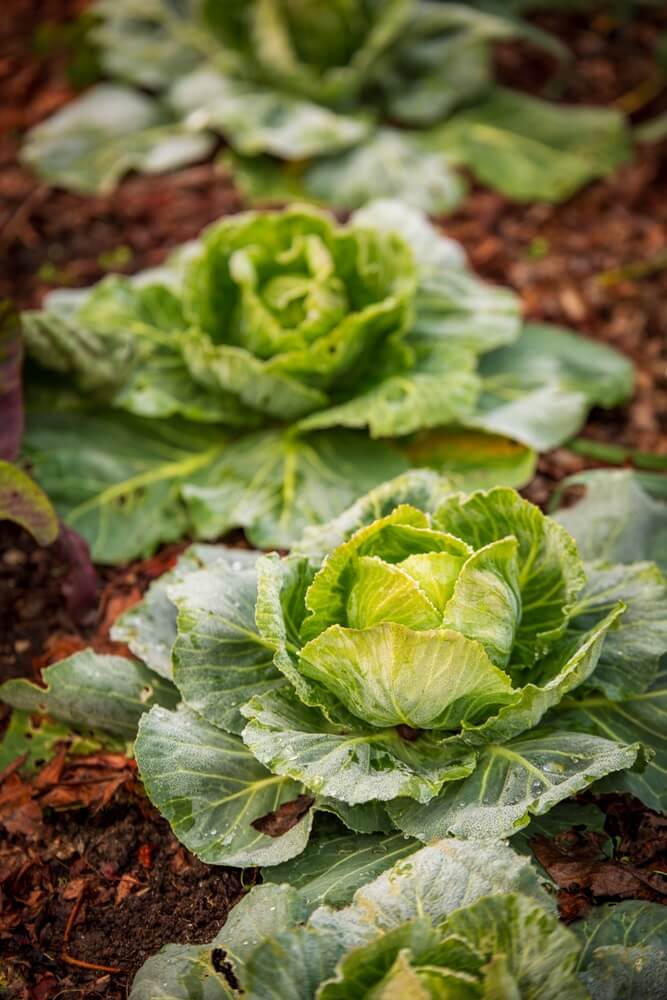
Your garden always tells you what’s working and what isn’t. Look for clues such as plant health, crop yields, pest pressure, and soil quality. When something fails, don’t blame the weather or bad luck. Look for design flaws in the garden and adjust accordingly. Set realistic limits on your time and resources! The best permaculture designs require less intervention each year as natural systems mature and balance themselves.
Feedback and Adjustment Guidelines:
- Keep a simple garden journal, noting what thrives, what struggles, and what dies so that you can identify patterns over multiple seasons.
- If you’re constantly fighting a problem (such as pests, disease, or poor growth), redesign that element rather than applying endless “solutions” that merely treat symptoms.
- Limit your high-maintenance annual vegetable beds to what you can actually harvest and preserve. Then, fill the remaining space with low-maintenance perennials and self-seeding plants.
Stay flexible and observant. Even Bill Mollison and David Holmgren (the founders of permaculture) spent decades refining their methods based on real-world feedback.
Read More – The Ultimate Guide To Growing Apple Trees In Your Backyard (From Seed Or Sapling!)
Conclusion
These ten principles form the foundation of regenerative homesteading. You don’t need to implement them all at once. In fact, you shouldn’t.
Here’s your first step. Spend the next week observing your property. Map where water flows after rain, note sun and shade patterns throughout the day, and identify existing microclimates. This observation phase will save you thousands of dollars in mistakes and set you up for success in permaculture.
Start small, observe closely, and let your land guide your design.
Thanks for reading.
Have a great day!


