
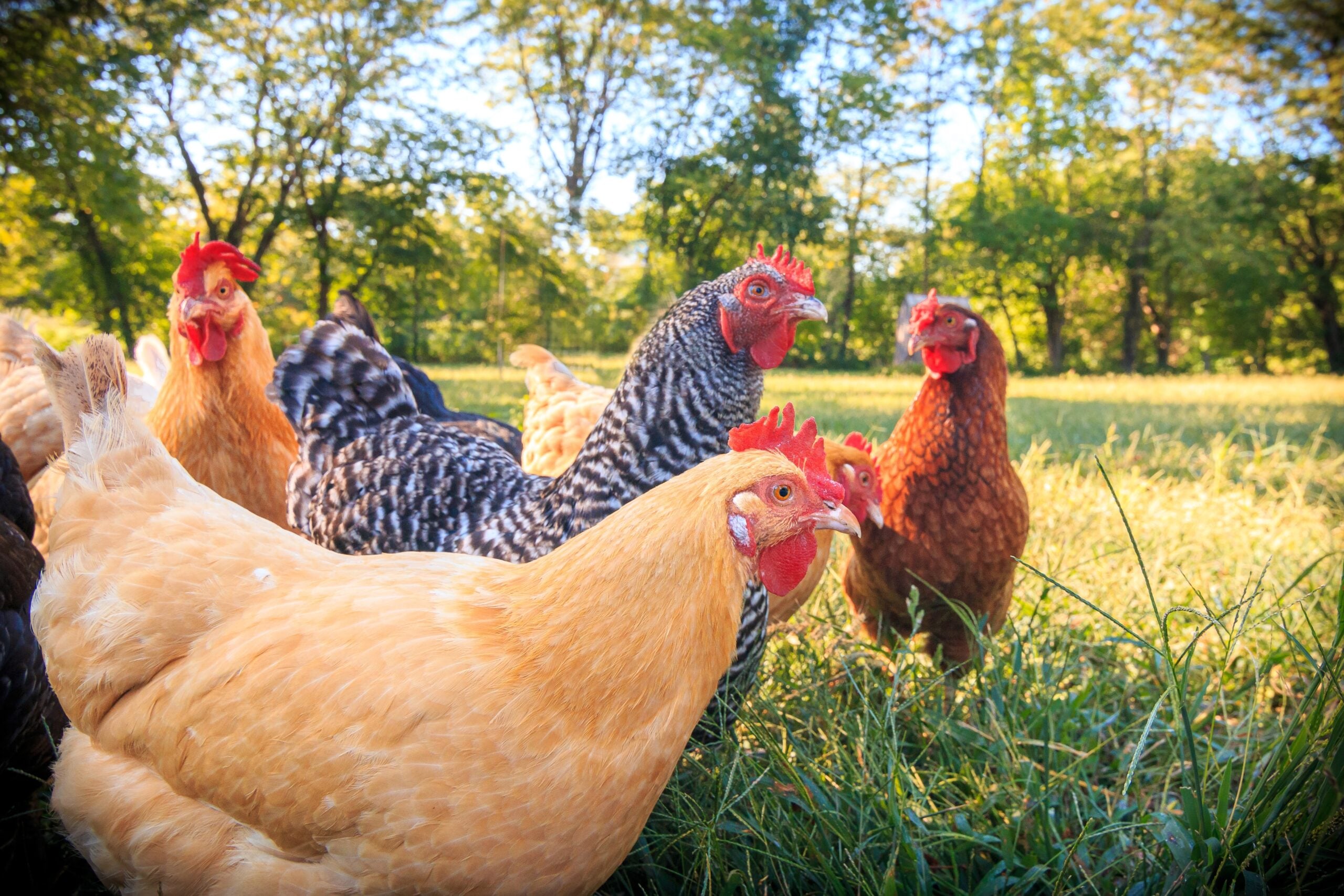
Why Are My Chickens Pecking Each Other? Common Causes and Fixes
Welcome! This article contains affiliate links, meaning I get a commission if you decide to make a purchase through my links, at no extra cost to you.
Chickens peck. That part is normal.
A quick peck to remind the others who’s boss is completely standard chicken behavior. But constant bullying, feather pulling, bloody vents, bald patches, or one poor hen being chased around the run? That’s a problem.
Chicken pecking can start for several reasons, and the fix depends on what’s causing it. Sometimes it’s boredom. Sometimes it’s overcrowding. Sometimes one hen is sick, injured, or simply lower in the pecking order and getting picked on.
The good news is most cases can be improved once you figure out the trigger.
Pecking order vs bullying
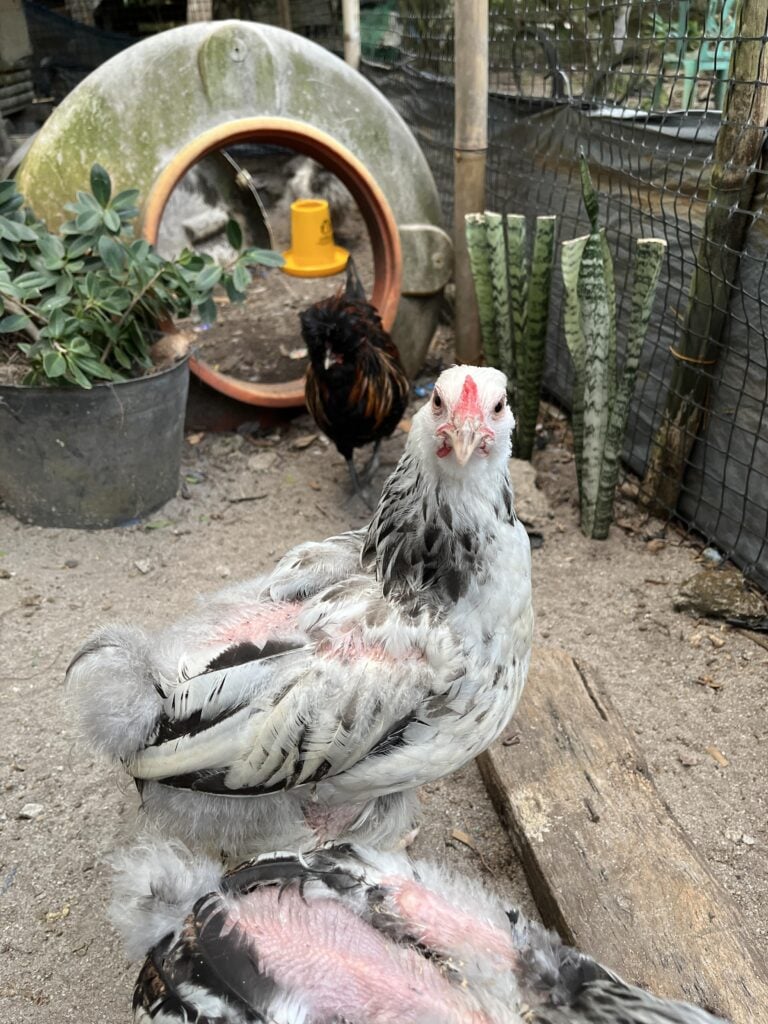
This is important because not all pecking is bad. Chickens naturally establish a pecking order. Most animals living in groups do. It sounds dramatic, but it’s simply their social ranking system.
Some signs that this is happening include:
- brief pecks
- squabbles over food
- bossy hens telling others to move
That’s normal.
What’s not normal:
- repeated attacks
- feather ripping
- blood
- one bird hiding constantly
- hens prevented from eating or drinking
That’s bullying.
Common reasons chickens peck each other
1. Overcrowding
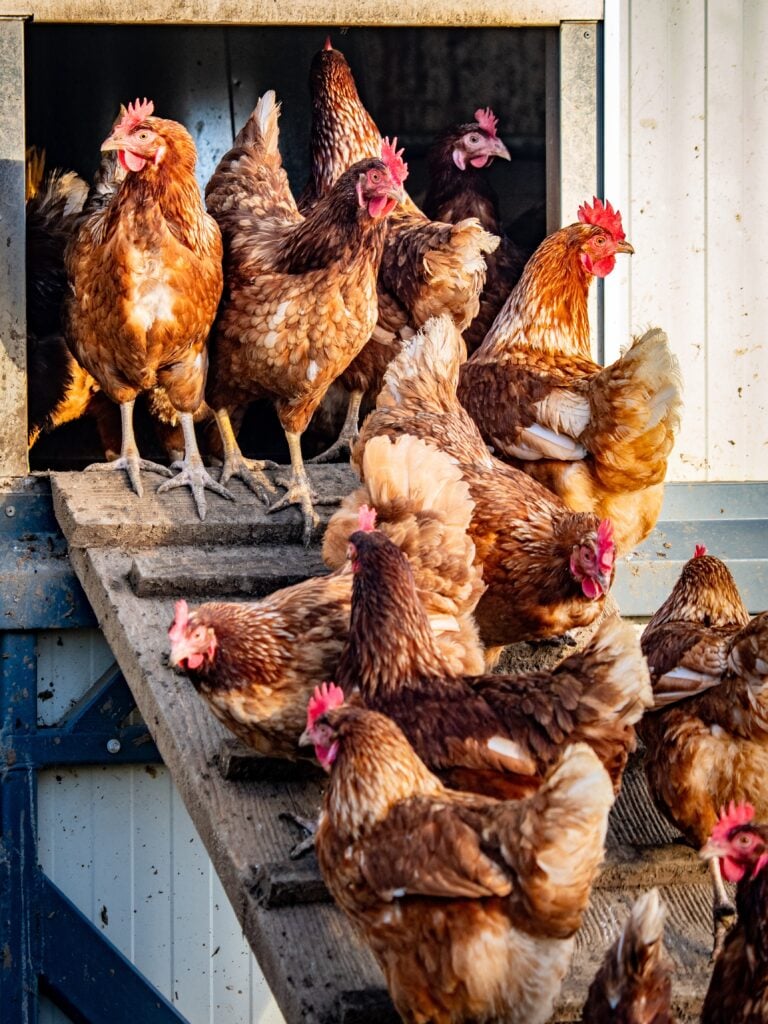
Overcrowding is one of the biggest causes. Chickens need personal space, especially in the coop.
When birds are crammed in too tightly, stress rises fast. Bossier hens become pushier, quieter birds have nowhere to escape, and minor squabbles can turn into proper bullying.
As a rough guide, chickens should have at least 4 square feet (about 0.37 square metres) each inside the coop, though more is always better. In the outdoor run, aim for at least 10 square feet (around 0.9 square metres) per bird, and ideally much more if they’re not free-ranging regularly.
Honestly, those are bare minimums. Chickens with generous space are usually much calmer.
Perch space matters too. Aim for 8–12 inches (20–30cm) of perch space per chicken, depending on breed size. Although you mind find them all (or half the group) snuggled up together in one corner! But, at least they have the choice.
Free-ranging helps enormously, but if your flock spends a long time confined in the coop, overcrowding becomes much more likely to trigger feather pecking and aggression.
2. Boredom
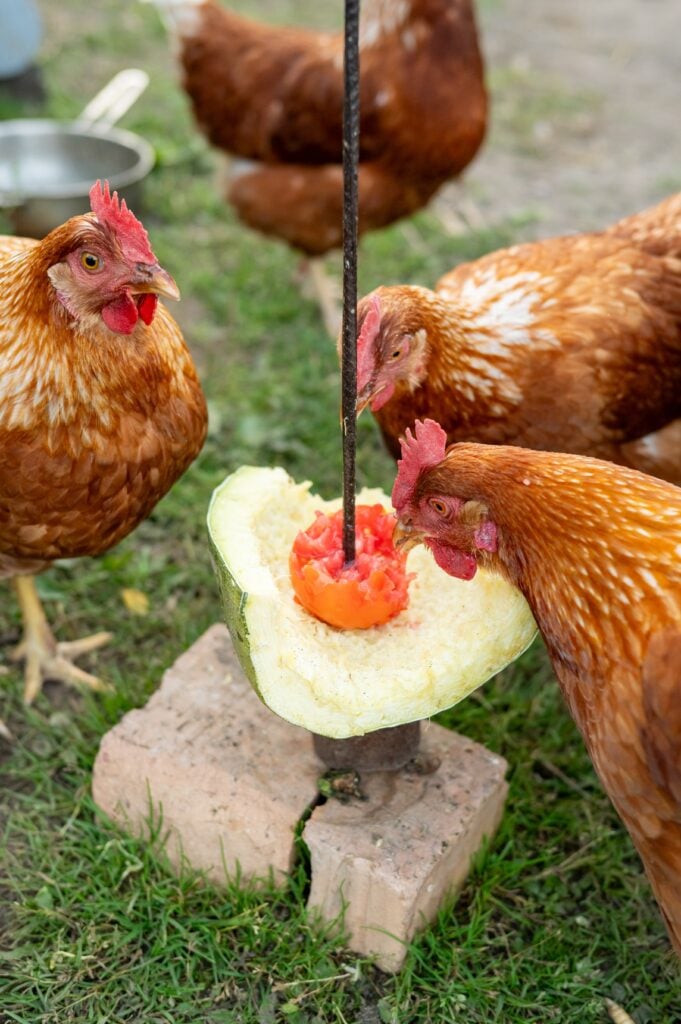
A bored chicken is a chicken looking for trouble. If there’s nothing to do, they will find something to entertain themselves, which can mean they start bullying each other. Try to make the coop interesting with things like bales of mulch they can scratch in, or spreading scratch mix around for them to find.
Other ideas:
- hang a cabbage or other vegetables/fruit from the roof
- Add a pallet (watch for nails or sharp protrusions) or logs for them to hop on and over
- Hang a dripping water hose inside the coop. This one sound weird, but it greatly entertains my girls to peck at the water drops. Yep, they’re simple creatures.
- Chuck weeds inside
- Add leaf piles
- Include more perches
- Hide treats
- Grow interesting and edible plants around and over the coop
- Include a caged/protected herb or microgreens garden inside
3. Protein deficiency / poor diet
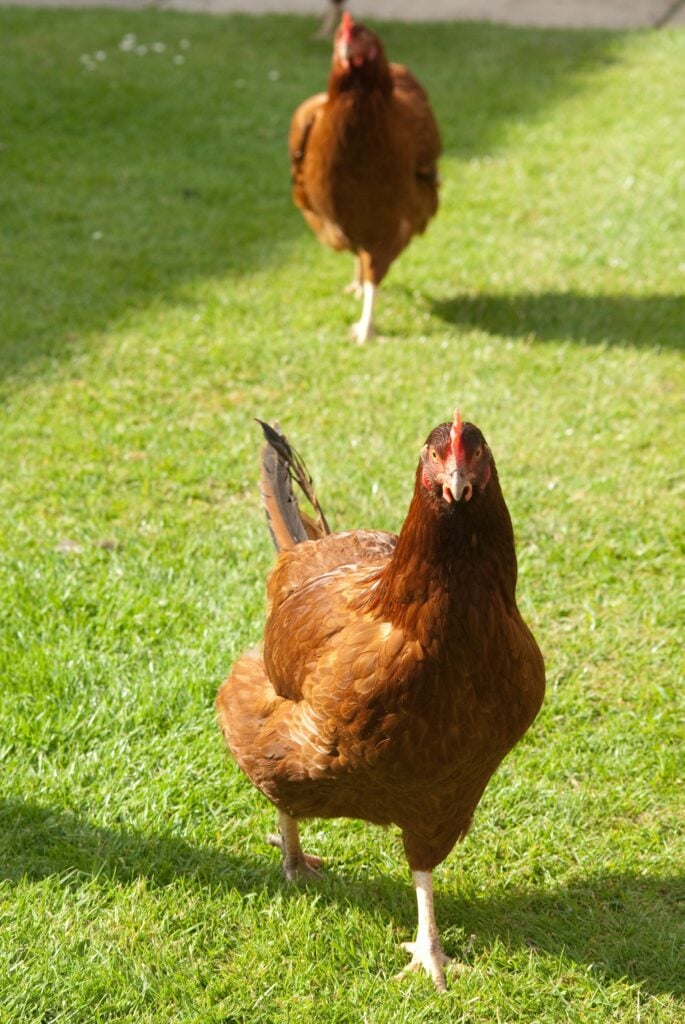
Feather pecking sometimes happens when birds are short on protein or important nutrients. Feathers are protein-rich. Yes, that sounds like strange behavior but it’s survival instinct after all.
Make sure they’re getting:
- quality layer feed
- suitable protein levels
- extras in moderation
4. Blood attracts more pecking
This one gets nasty quickly. If one chicken has an injury, a bloody comb, or broken skin, the others might jump in as well. It’s best to seperate injured hens as soon as possible to avoid this. It’s a horrible situation!
5. Heat stress
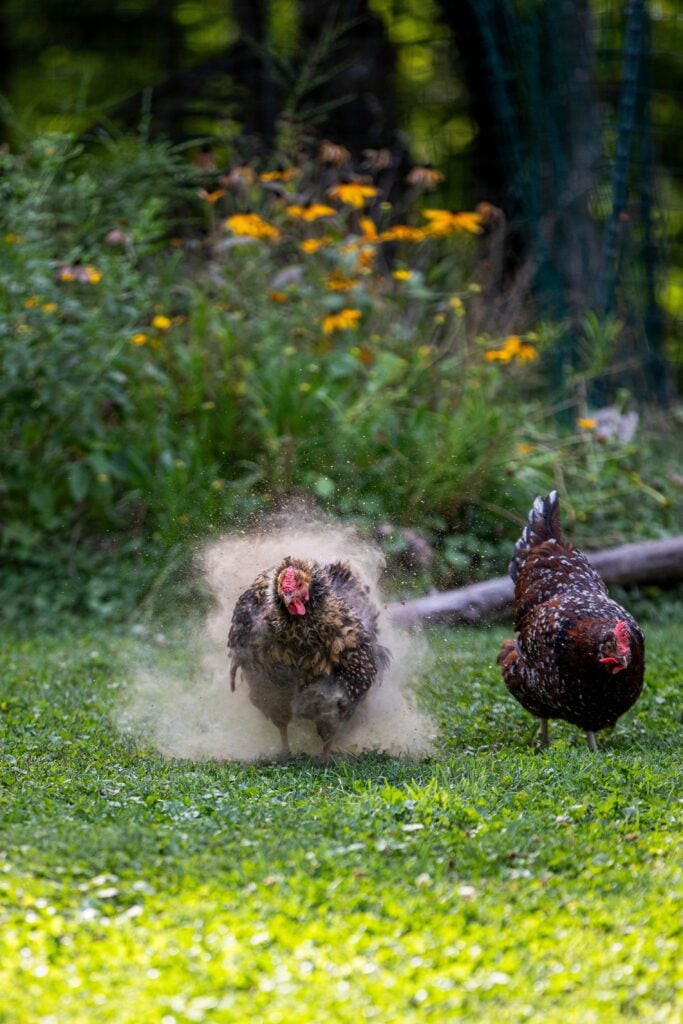
Hot chickens become cranky chickens. We’re in a very hot climate and you definitely notice the hens get as irritated with the weather as we do.
In summer:
- panting
- crowding
- stress
- irritability
can trigger aggression.
Try to provide plenty of shade, airflow, cool water, frozen treats, and cool dirt to make a dust bath in.
6. Introducing new chickens
This remains one of the most tricky situations us chicken raisers find ourselves in. Your originals do not appreciate the new company!
Pecking is very normal while everybody figures out the new hierarchy and who belongs where. Slow introductions can help, as well as plenty of space for new hens to get away. Introducing them at night has been successful for us in the past, although we have had to step in in the past.
7. Illness or weakness
Chickens instinctively notice weakness. A sick, limping, withdrawn, or odd-acting bird can become a target. Sometimes, older chickens can become targets too. The animal kingdom is harsh!
Check for:
- mites
- worms
- injury
- illness
- egg problems
8. Broodiness / hormonal grumpiness
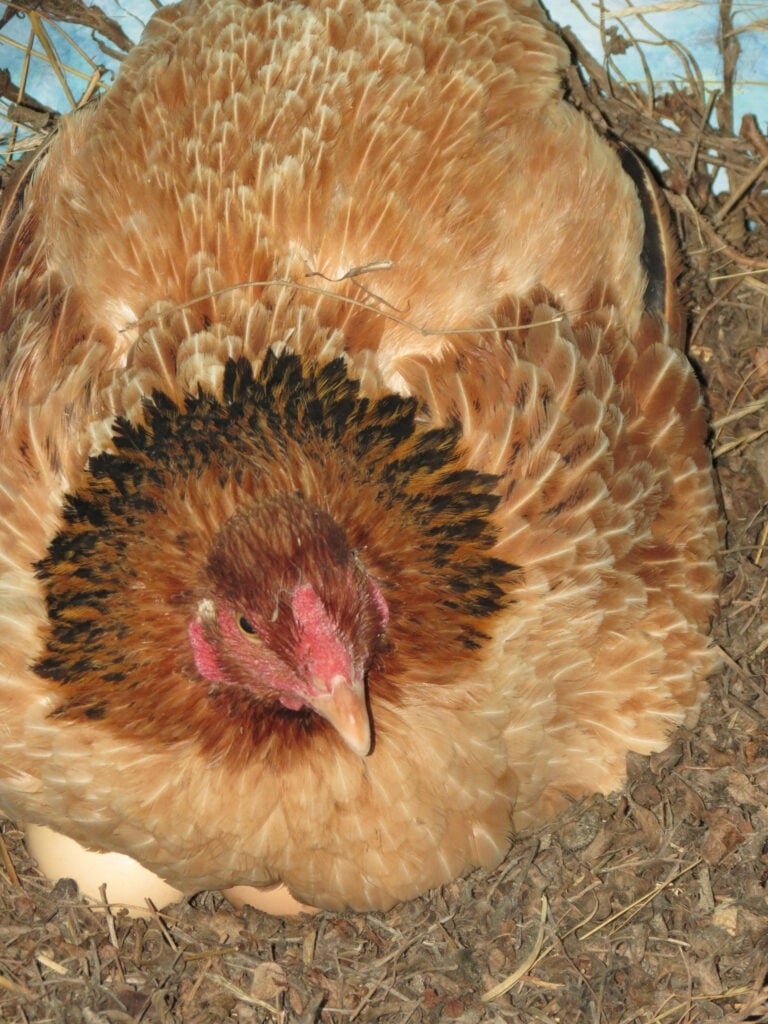
Some hens become very angry and protective when broody. Even my sweetest, most subdued hens will peck anything that comes near them when they’re broody.
Temporary aggression can happen.
How to stop chickens pecking each other
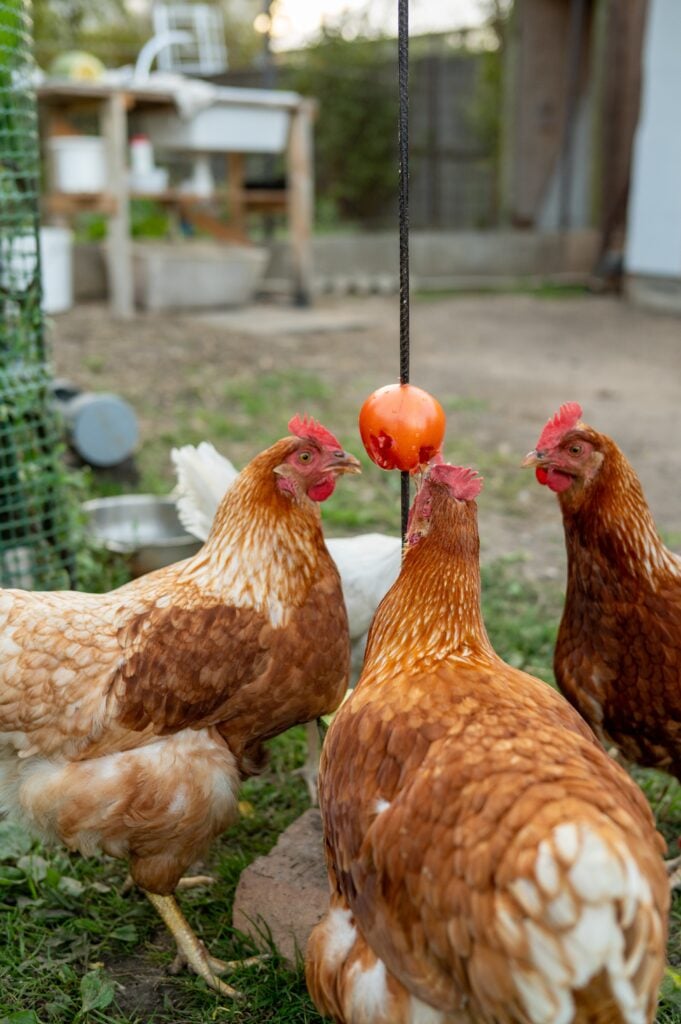
I talked about most of the solutions above, but here’s a quick recap of things that should make the situation a lot better. Generally, once you figure out what’s causing it, it is fairly easy to fix.
- Give them more space. If your coop or run feels cramped, adding more room can make a huge difference.
- Add things to do. Scatter scratch feed, toss in leaf litter, hang a cabbage, add perches, logs, or other things to investigate.
- Check their diet. Nutritional deficiencies, especially low protein, can contribute to feather pecking.
- Separate injured birds quickly. If there’s blood, it’s best to act quickly. Chickens are strongly attracted to red skin and wounds, and pecking can escalate quickly.
- Look for illness or parasites. A bird that seems weak, quiet, or unwell can become a target. Check for mites, lice, worms, injury, or signs something else is going on.
- Keep them cool in hot weather. Heat stress can make chickens irritable and more aggressive. Shade, airflow, cool water, and frozen treats all help.
- Introduce new birds slowly. Dumping new chickens straight into an established flock rarely goes smoothly. Slow introductions through a barrier usually work much better.
- Add extra feeders and water stations. If bossy hens guard the food, lower-ranking birds can end up stressed, hungry, and picked on. Multiple feeding spots reduce competition.
When pecking becomes dangerous
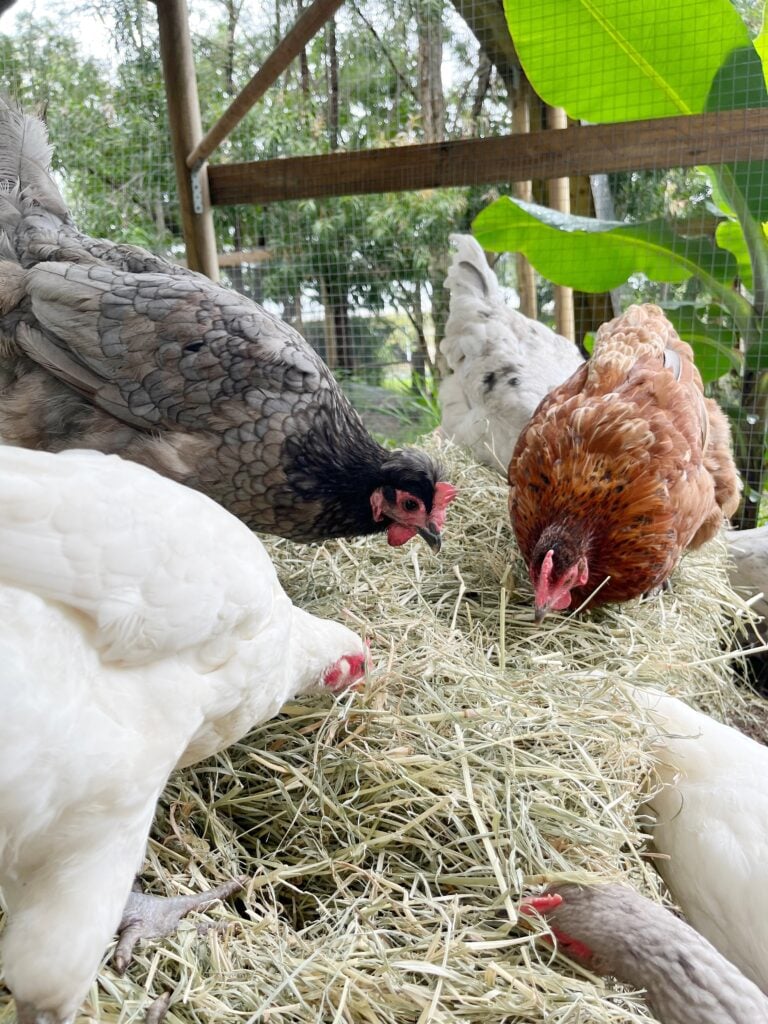
A bit of squabbling is normal in any flock, but some situations need immediate action. If you see any of the following, don’t leave the flock to sort it out.
Blood
Even a small wound can trigger intense pecking. Chickens are strongly drawn to red skin and blood, and what starts as a minor injury can turn into a serious attack surprisingly fast.
Vent pecking
This is one of the more dangerous forms of pecking. It often happens after laying, when the vent is still visible or irritated, and other chickens start investigating. Vent pecking can quickly cause severe injury and needs immediate intervention.
Severe feather loss
A few missing feathers during molt is one thing. Bald patches, ripped feathers, or one bird looking noticeably scruffy compared with the rest can be a sign that pecking has gone beyond normal flock behavior.
Relentless attacks
If one chicken is being chased, cornered, blocked from food or water, or repeatedly attacked by the same bird (or group), that’s bullying, not normal pecking order behavior.
A frightened or hiding bird
A chicken that’s constantly avoiding the others, hiding in nesting boxes, refusing to come out, or acting stressed may already be getting picked on more than you realize. At that point, step in.
Separate the injured or targeted bird if needed, treat any wounds, and work out what triggered the behavior before reintroducing her. Chickens can cause serious injuries very quickly when pecking escalates, so this is one problem that’s best handled early rather than hoping it settles on its own.
Frequently Asked Questions About Chickens Pecking Each Other
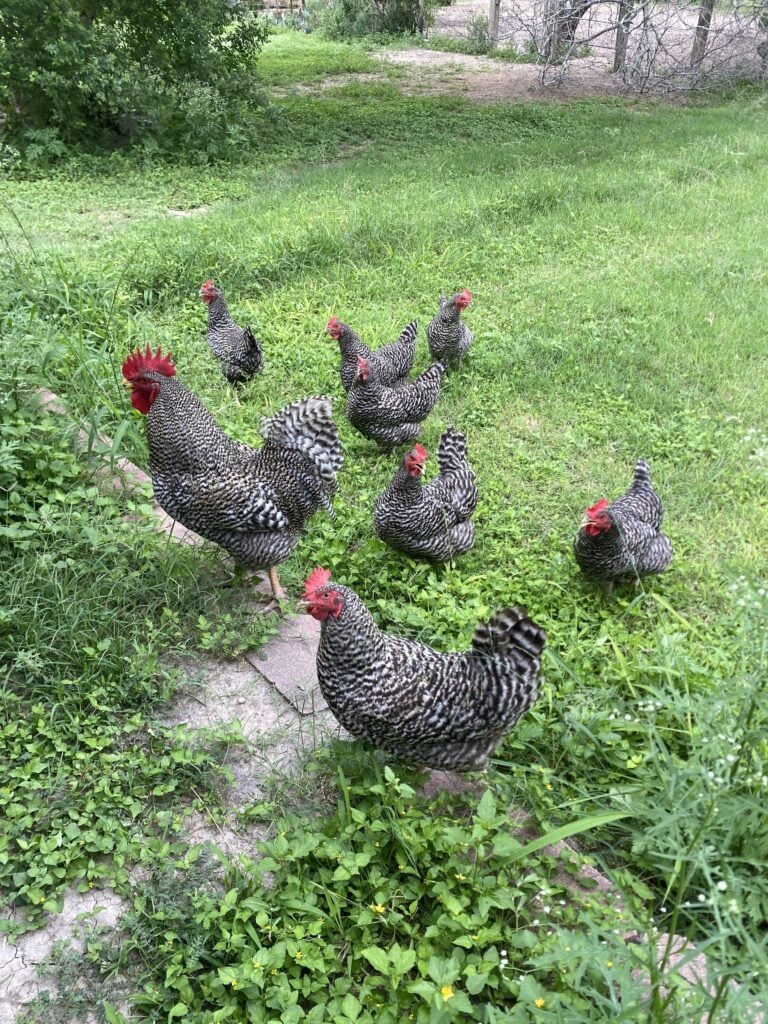
Feather pulling is usually a sign that something’s off rather than just normal chicken behavior.
Common causes include overcrowding, boredom, stress, poor diet, parasites, heat stress, or simple flock bullying. Sometimes chickens start pecking at damaged feathers or bald spots, which can quickly turn into a nasty habit.
Molting can make this look worse too, since loose feathers attract attention.
If your chickens are actively pulling feathers from each other rather than just losing them naturally, it’s worth checking your setup, feed, and flock dynamics.
Yes, to a point.
Chickens naturally establish a pecking order, which is simply their social ranking system. A quick peck, minor squabble, or bossy hen telling another to move along is completely normal.
What isn’t normal is repeated aggression, feather ripping, blood, or one bird being constantly targeted. Think of it this way: a bit of chicken drama is expected. Full-scale flock bullying is not.
Unfortunately, yes.
It’s not the norm in a healthy, well-managed flock, but serious pecking can escalate quickly, especially if blood is involved.
Chickens are strongly attracted to wounds, red skin, and visible vents, which can lead to repeated attacks. A weak, injured, or isolated bird is especially vulnerable.
That’s why it’s important to step in early if pecking becomes aggressive rather than assuming they’ll sort it out themselves.
When one hen is being singled out, there’s usually a reason.
She may be lower in the pecking order, newly introduced, sick, injured, broody, older, weaker, or simply behaving differently enough to attract attention.
Chickens are surprisingly observant about weakness. A hen with mites, worms, an injury, or an illness may become a target before you even realize something’s wrong.
Sometimes it’s just social reshuffling, but if one bird is being relentlessly chased, cornered, or blocked from food and water, it’s time to intervene.
Vent pecking usually happens after laying, when the vent is more visible or irritated. Curiosity can quickly turn into dangerous pecking, especially if there’s redness or blood. This needs immediate intervention because injuries can escalate quickly.
Absolutely. Bored chickens often redirect that energy onto flockmates. If there’s nothing to scratch, forage, climb, or investigate, feather pecking can become a bad habit surprisingly quickly.
They can. Loose feathers attract attention, and molting birds can look vulnerable or unusual to the rest of the flock. Mild curiosity is normal, but active feather pulling needs addressing.
Chickens absolutely can gang up on a rooster, especially if he’s new to the flock, young, timid, injured, or simply hasn’t earned his place yet.
Introducing a rooster to established hens can be surprisingly dramatic. Some hens will test him, chase him off food, or make it very clear they didn’t ask for his company.
A weak or sick rooster is even more likely to be targeted, since chickens tend to notice vulnerability quickly.
A bit of pecking and social sorting can be normal during introductions, but if your rooster is being relentlessly chased, cornered, losing feathers, or too scared to eat, that’s no longer normal flock behavior.
Slow introductions, extra space, multiple feeders, and places to escape can make a big difference.

Fill your garden with fresh vegetables and your kitchen with homegrown food. This heirloom seed collection includes 32 popular varieties, from tomatoes, cucumbers, and lettuce to pumpkins, corn, beans, and carrots. It's an easy way to start a productive vegetable garden, grow more of your own food, and enjoy harvests that taste far better than store-bought produce. Perfect for anyone dreaming of a backyard packed with fresh vegetables!



What’s worked for you?
Have something to add? Share your experience below. Whether you’ve been gardening, raising animals, or making things yourself for years, your tips might help someone else.