
The Ultimate Guide to Growing Snake Plants From Seed, Cuttings, or Transplant!
Welcome! This article contains affiliate links, meaning I get a commission if you decide to make a purchase through my links, at no extra cost to you.
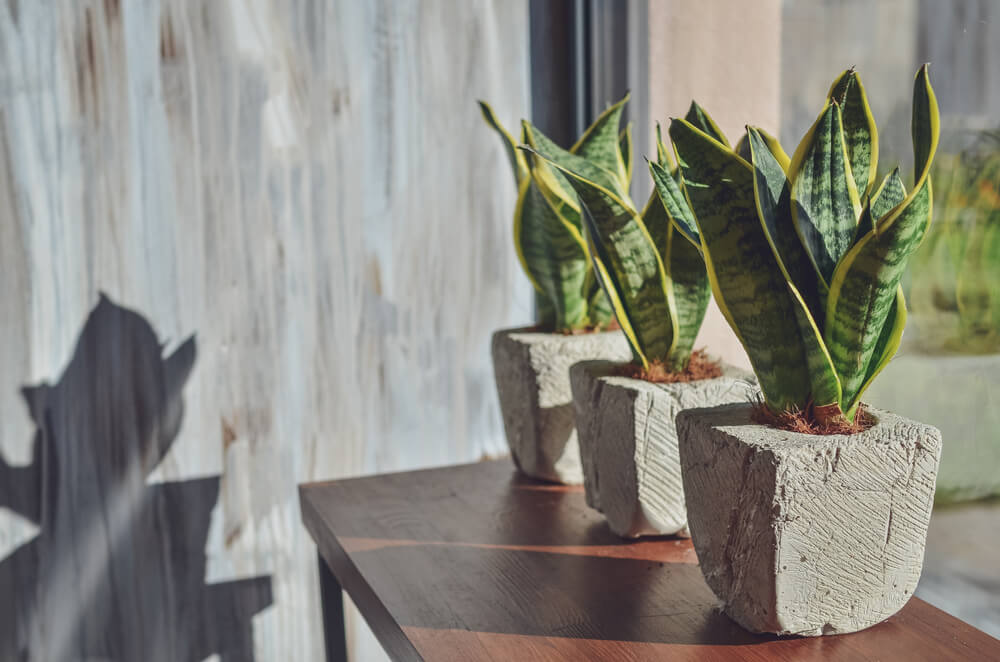
Snake plants are one of the best winter houseplants! They’re nearly indestructible, strikingly architectural, and low-maintenance. They practically thrive on neglect. And their sword-like leaves shoot upward like green flames. All the while, their ability to survive everything from forgotten waterings to dim corners is legendary. Whether you call them snake plants, mother-in-law’s tongue, or Sansevieria (now scientifically reclassified as Dracaena trifasciata), one thing’s sure. Once you grow one successfully, you’ll want an entire collection. So, let’s dive into everything you need to know to produce these stunning survivors from scratch.
Sound good?
Then let’s grow some snake plants!
Growing Snake Plants From Seed
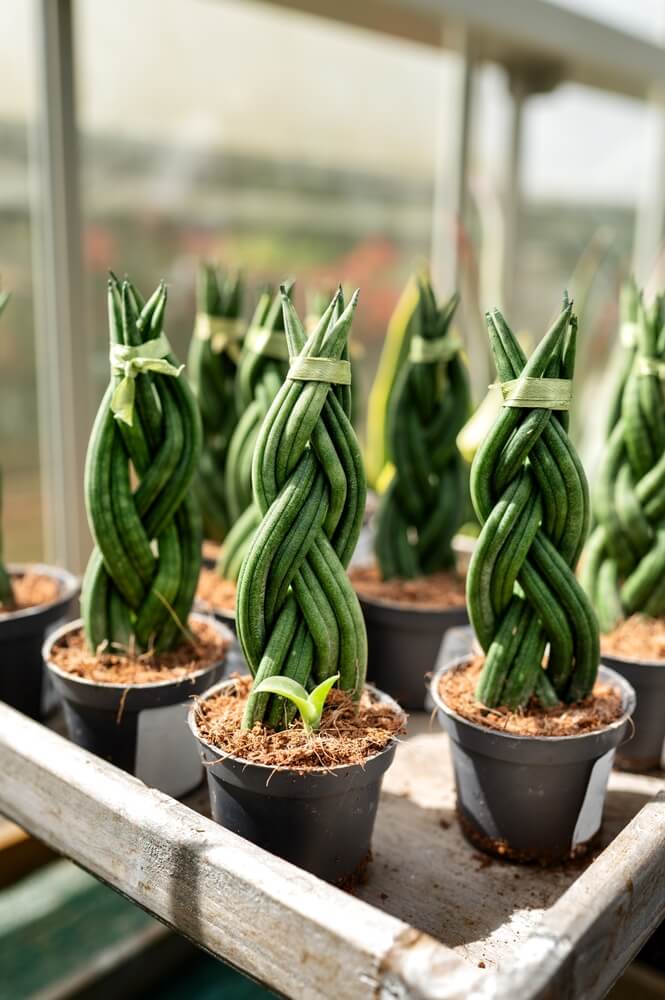
A heads up. Growing snake plants from seed takes a long time and requires a lot of patience. It’s a complex process and can take months, sometimes even over a year, before you see any sprouts. On the plus side, it’s inexpensive if you can find seeds. And it can be rewarding to grow a plant from the very start. Still, unless you want the challenge, it’s much easier to use cuttings or transplants.
Step 1 – Source Fresh Seeds
Snake plant seeds are surprisingly rare in commerce because the plants are slow to flower and rarely produce viable seed indoors. You will likely need to buy them from a specialty grower. Please make sure they’re fresh. Old snake plant seeds have abysmal germination rates. Store them in a cool, dry place until you’re ready to plant.
Step 2 – Prepare Your Growing Medium
Mix equal parts seed-starting mix and coarse sand or perlite. Snake plants despise soggy roots. So drainage is absolutely critical. Fill small pots or seed trays with this mixture. Leave about half an inch from the top.
Step 3 – Plant and Cover Lightly
Press the seeds gently into the soil surface. Then cover with a thin layer of your growing medium. We’re talking 1/8 inch max. These seeds need some light to germinate, so don’t bury them deep.
Step 4 – Create a Mini Greenhouse
Cover your containers with plastic wrap or a humidity dome to maintain consistent moisture. Please place them in a warm spot! 75-85°F is ideal. Add bright, indirect light. Bottom heat from a seedling mat works wonders here.
Step 5 – Wait… and Wait Some More
Keep the soil slightly moist but never waterlogged. Germination can take anywhere from 3 weeks to 3+ months. Check regularly for mold and provide air circulation by removing the cover for a few minutes daily. Once seedlings appear with a couple of leaves, gradually acclimate them to normal humidity levels.
Read More – How To Grow Hedge Apple Trees (Osage Oranges) From Seeds Or Transplants!
Growing Snake Plant From Cuttings
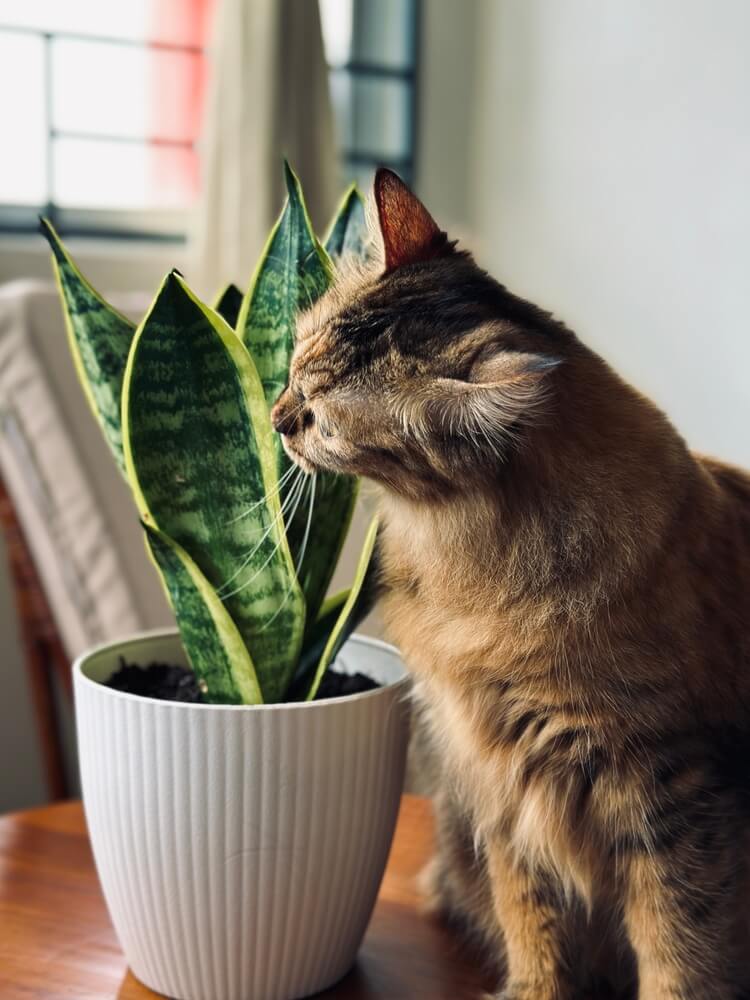
The image above is undeniably adorable. It features a curious little cat nibbling on the tall, striped leaves of a snake plant. But as charming as the moment looks, it comes with a gentle warning. Snake plants are mildly toxic to cats and can cause stomach upset or other discomfort. So it’s best to keep them out of reach! Enjoy the cuteness. But make sure your furry companions stay safe around houseplants.
Propagating snake plants from cuttings is a quick and easy way to grow new plants. If you already have a plant, it won’t cost you anything, and you’ll see results in just a few weeks. It’s a simple process that many homesteaders find very rewarding.
Step 1 – Take Your Cutting
Select a healthy, mature leaf and cut it into 3-4 inch sections with clean, sharp scissors or a knife. It’s essential to mark the bottom of each cutting, which is the end that was closest to the soil, because snake plant cuttings will only root if planted upright. Allow the cut ends to dry and form a callus for 1-2 days to help prevent rot.
Step 2 – Plant in Well-Draining Mix
Stick the bottom third of each cutting into a pot filled with cactus mix or a blend of regular potting soil and perlite (50/50 ratio). Firm the soil around the cutting so it stands upright. Water lightly to settle everything in.
Alternatively, you can place your cuttings in a jar of water. It’s fun to watch the roots grow, though it can take a bit longer than soil. Change the water every 3-5 days to prevent bacterial buildup, which can cause the cutting to turn to mush.
Step 3 – Practice Patience (But Not Too Much)
Put your cuttings in a spot with bright, indirect light and water them only when the soil is dry. Roots usually form in 4-8 weeks, but don’t panic if you don’t see leaves yet! It often takes 3-4 months for the new ‘pups’ actually to break through the soil surface. Hang in there.
⚠️ Important Note for Variegated Plants – If you propagate a variegated variety (like Laurentii with yellow edges) from a leaf cutting, the new baby plant will likely turn out solid green! To keep the beautiful stripes, you must propagate by division (separating the roots) rather than leaf cuttings.
Read More – How To Grow Blueberry Shrubs At Home From Seeds, Cuttings, Or Seedlings – The Ultimate Guide!
How to Grow Snake Plant From Nursery Seedlings
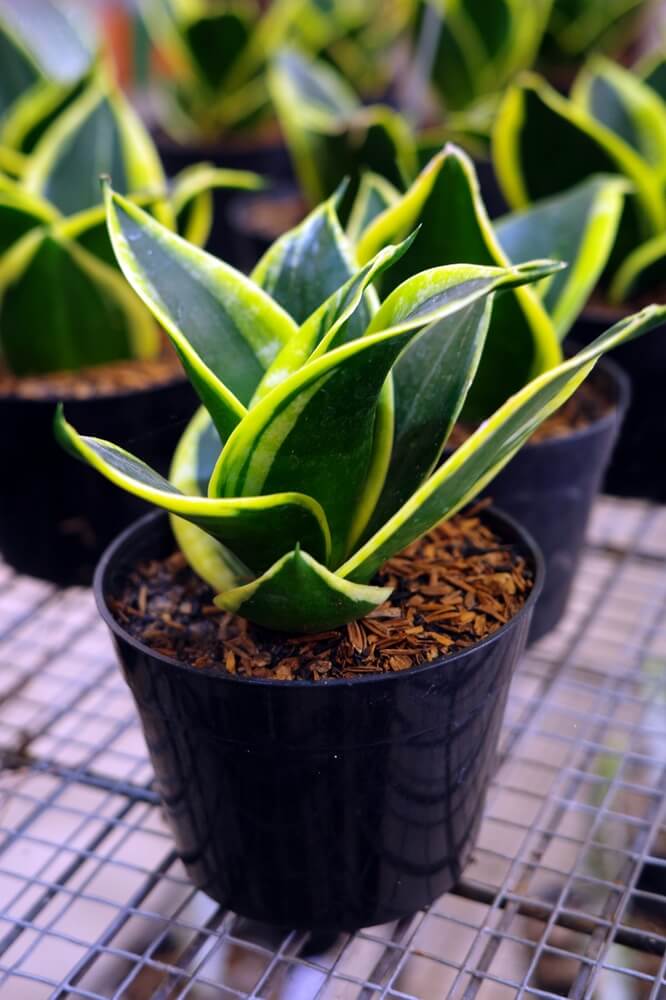
If you prefer a quick and easy option, buying a snake plant from a nursery is a great choice. You get a mature plant right away! They’re also very common and inexpensive. So you can enjoy its beauty immediately. It may not be as hands-on as growing from seed or cuttings, but it’s a reliable way to add a healthy plant to your space.
Choose a plant with healthy, vibrant leaves and no brown tips. While others may still be waiting for their seeds to sprout, you’ll already have a thriving snake plant to enjoy.
Snake Plant Growing Requirements
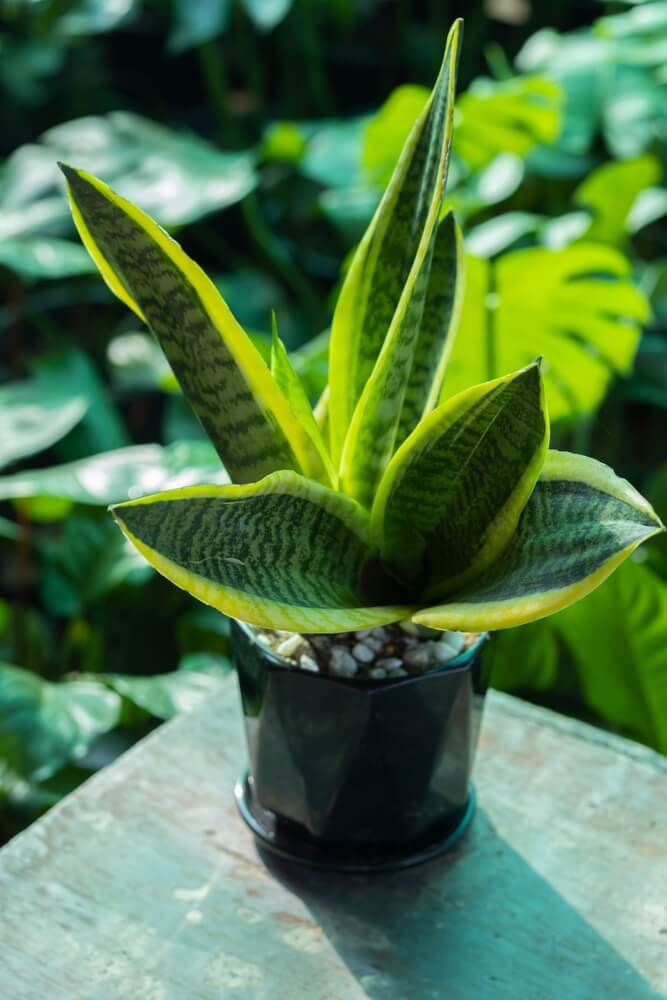
Now that you’ve got your snake plant started (whether you went the patient seed route, the satisfying cutting method, or the instant gratification transplant), let’s talk about keeping this resilient beauty thriving. The good news? Snake plants are nearly indestructible. The bad news? Most people accidentally kill them with kindness. Here’s what these tough-as-nails plants actually need.
Sunlight
Snake plants are very adaptable to different light conditions. They can grow in low light or bright, indirect sunlight, but they do best with moderate light. While they can handle bright spots, they prefer not to be in direct sunlight all the time.
A spot near an east or west-facing window is perfect. They can survive in that dim corner of your living room, but growth will slow to a crawl. Just avoid direct, scorching afternoon sun through south-facing windows, which can bleach and burn those gorgeous leaves. If you’re growing them outdoors (in zones 9-11), give them partial shade. Morning sun and afternoon protection work beautifully.
Climate
Here’s where snake plants show their desert heritage. They’re happiest in temperatures between 60 and 85°F, which conveniently matches most homes year-round. They can tolerate brief dips into the 50s, but anything below 50°F for extended periods spells trouble. These are tropical plants at heart, not cold-hardy warriors.
An average household humidity of 30-50% is ideal for snake plants. They do well in both heated homes during winter and air-conditioned spaces in summer. In USDA zones 9-11, you can grow them outdoors year-round. In other areas, keep them as houseplants or bring them inside before the first frost. Most people go wrong with soil and drainage. Snake plants have evolved in rocky, sandy environments where water drains away quickly. They absolutely despise sitting in moisture. Standard potting soil is too dense and water-retentive for these plants.
Soil And Fertilizer
Use a commercial cactus or succulent mix, or make your own by mixing equal parts regular potting soil with coarse sand, perlite, or pumice. The soil should drain very quickly.
Thankfully, snake plants are super simple to fertilize. They don’t grow very fast, and they’re not picky. An annual feeding of balanced fertilizer applied in the summer works perfect. They don’t need any fertilizer during fall and winter. They’re basically dormant and won’t use the nutrients anyway. Overfertilizing causes more problems than it solves, leading to fertilizer burn and weak, floppy growth. When in doubt, underfeed. These plants genuinely prefer benign neglect.
Watering
The most important rule for watering snake plants is to avoid overwatering. Overwatering is the most common cause of these plants’ death. Because they store water in their thick leaves, they can go for weeks, or even longer, without being watered.
Let the soil dry out completely between waterings. Stick your finger two inches down, and if you feel any moisture, wait. During the growing season (spring and summer), you might water every 2-3 weeks. In winter, cut back to once a month or even less. The leaves will start to wrinkle slightly when the plant is genuinely thirsty.
When you water, water thoroughly until it drains from the bottom, then dump any excess from the saucer. Never let your snake plant sit in standing water. That’s a one-way ticket to root rot city. Remember. These plants survived in arid conditions for millennia. They can handle your vacation! But they can’t handle your helicopter parenting!
Read More – How To Grow Gorgeous Japanese Maple Trees From Seed In Your Home Garden – The Ultimate Guide!
Snake Plant Growing Schedule
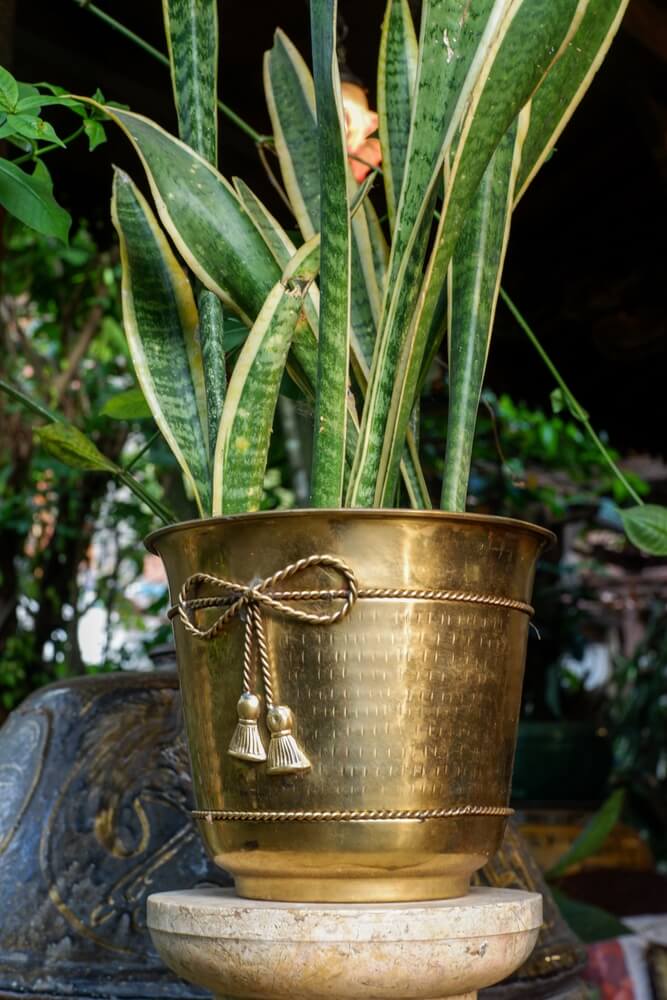
Here are the critical dates all Snake Plant growers should know. While most folks think of these as indoor-only plants, they actually make stunning outdoor specimens in warmer climates. Even temperate gardeners can give their snake plants a summer vacation outside. Here’s your month-by-month game plan.
April
Spring awakening! Your snake plant is emerging from winter dormancy, so April is prime time to resume regular watering and give it that first feeding of diluted fertilizer. If you’re planning to repot (they only need it every 3-5 years), early spring is your window. For outdoor growers in zones 9-11, this is an excellent time to plant new divisions or transplants in the garden.
May
Growth mode is officially activated. If you’re in a temperate zone and want to move your potted snake plants outdoors for summer, wait until nighttime temperatures consistently stay above 55°F. Start them in partial shade to avoid shock, even if they’ll eventually get more sun. This is also a great month to take cuttings for propagation. They’ll root faster in the warmer temperatures ahead.
June
Summer heat is here, and your snake plants are loving it. Outdoor plants may need slightly more frequent watering (though still let the soil dry between drinks), especially if you’re experiencing hot, dry spells. Check plants weekly rather than on a strict schedule. Indoor plants near sunny windows might show faster growth now. Enjoy watching those new pups emerge!
July
Peak growing season continues in July. Give your snake plants their second (and final) feeding of the year with that diluted fertilizer. If outdoor leaves start looking bleached or developing brown spots, they’re getting too much direct sun. Move them to a shadier spot. Remember, these plants can sunburn just like you can, so afternoon shade is your friend during the dog days of summer.
August
Keep up your watering routine, but start mentally preparing for the transition ahead. Late August is your last chance to take cuttings if you want them well-rooted before the winter slowdown. Outdoor plants are still thriving, but if you’re in a temperate zone, start scouting a good indoor spot for when temperatures drop.
September
Transition month for temperate growers. Before nighttime temps dip below 55°F, bring those outdoor plants back inside. Check thoroughly for hitchhiking pests before the move. Spray leaves with water or wipe them down. Cut back on watering frequency as daylight decreases. Skip any fertilizing from here on out.
October – Winter
Your snake plant is entering its rest period, and you should too (at least when it comes to fussing over it). Water sparingly. Maybe once a month or even less, depending on your home’s humidity and temperature. This is hands-off season. No fertilizing, no repotting, no significant changes. Think of it as hibernation mode.
The most common mistake in winter is overwatering snake plants. Avoid watering too often, as the plant is resting and storing energy for spring growth. In zones 9-11, where snake plants stay all year outdoors, they will grow more slowly but still add structure to your garden.
Read More – How To Grow Epic Fig Trees From Seeds Or Cuttings – The Ultimate Guide!
5 Best Snake Plant Cultivars For Homesteaders
The classic snake plant is beautiful, but these five cultivars offer unique colors, shapes, and features that can make your plant collection stand out.
1. Whale Fin
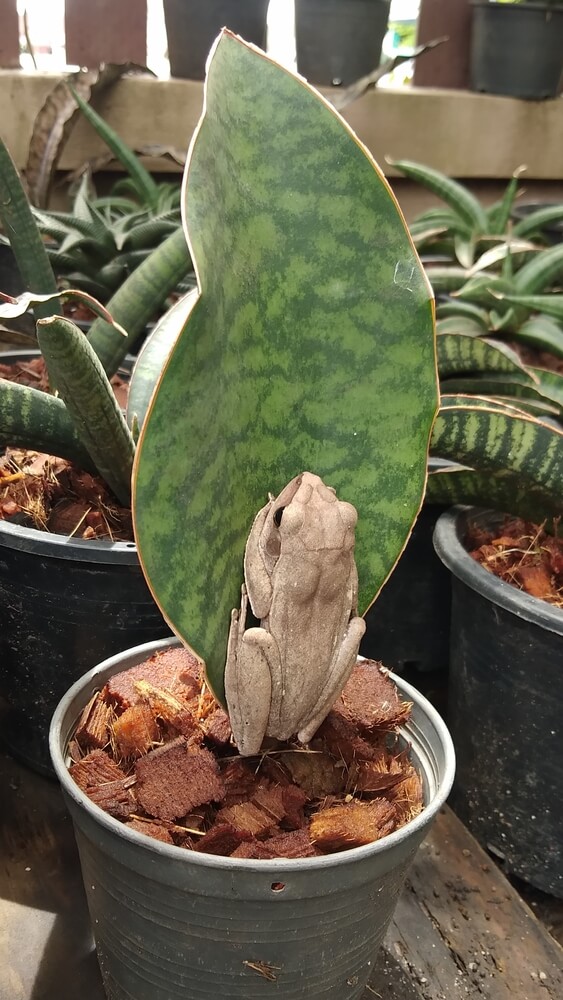
The Whale Fin cultivar is known for its single, broad, paddle-shaped leaf that looks similar to a whale’s fin. It has a bold, architectural appearance and stands out among snake plants for its unique shape.
- Growing Zones: Best suited for USDA Hardiness Zones 9 through 11 if planted outdoors.
- Appearance: Single, dramatically broad, paddle-shaped leaf that resembles a whale’s fin.
- Plant Size: A mature single leaf can easily reach 2 to 3 feet in height and 6 to 10 inches in width.
- Qualities: Striking, minimalist appearance and incredibly low maintenance needs make it highly desirable.
This snake plant is ideal for those who prefer minimalist or modern design. They have gorgeous, well-shaped leaves that make an epic indoor impact.
2. Moonshine
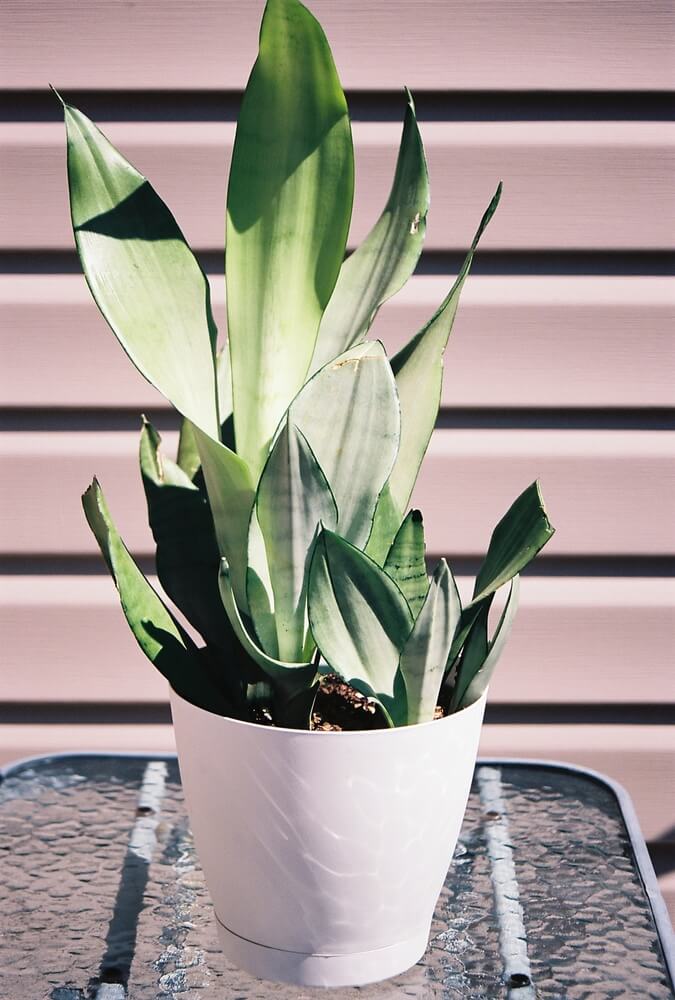
The Moonshine cultivar has pale, silvery foliage that almost glows. It looks stunning in bright spaces. While it tolerates low light, it needs bright, indirect light to keep its silvery sheen. In dark corners, it will fade to a standard dark green. They also add a soft, elegant look to spaces where darker snake plants might seem too bold.
- Growing Zones: Thrives in USDA Hardiness Zones 10 through 11 in outdoor settings.
- Appearance: Beautiful, pale, silvery-green color that gives the plant its luminous “moonshine” name.
- Plant Size: Typically grows to a moderate height of around 2 to 3 feet when fully mature.
- Qualities: Celebrated for its bright, almost metallic foliage that helps lighten up dim indoor spaces.
Do you want something different from the usual dark green snake plant? Moonshine snake plants offer a lighter and brighter option that’s still surprisingly hardy.
3. Black Gold Extreme
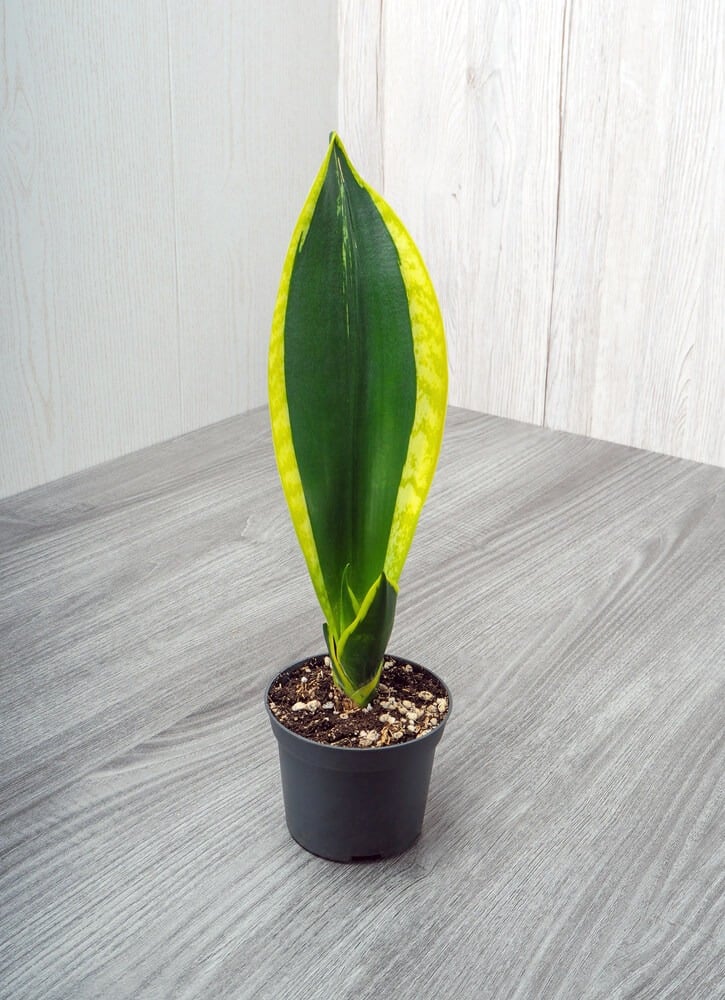
Black Gold Extreme is a striking snake plant variety! Notice its epic dark-green leaves with thick, bright-yellow edges. The strong contrast makes it a standout in any collection.
- Growing Zones: Most reliably grown outdoors in USDA Hardiness Zones 9 through 11.
- Appearance: Very dark, deep green leaves bordered by thick, vibrant yellow-gold margins.
- Plant Size: Usually reaches a medium size, often growing between 2 to 4 feet tall.
- Qualities: Prized for the dramatic, high-contrast coloration that makes it a stunning focal point.
This variety stands out and works well as a single plant, serving as a focal point in a room.
4. Laurentii
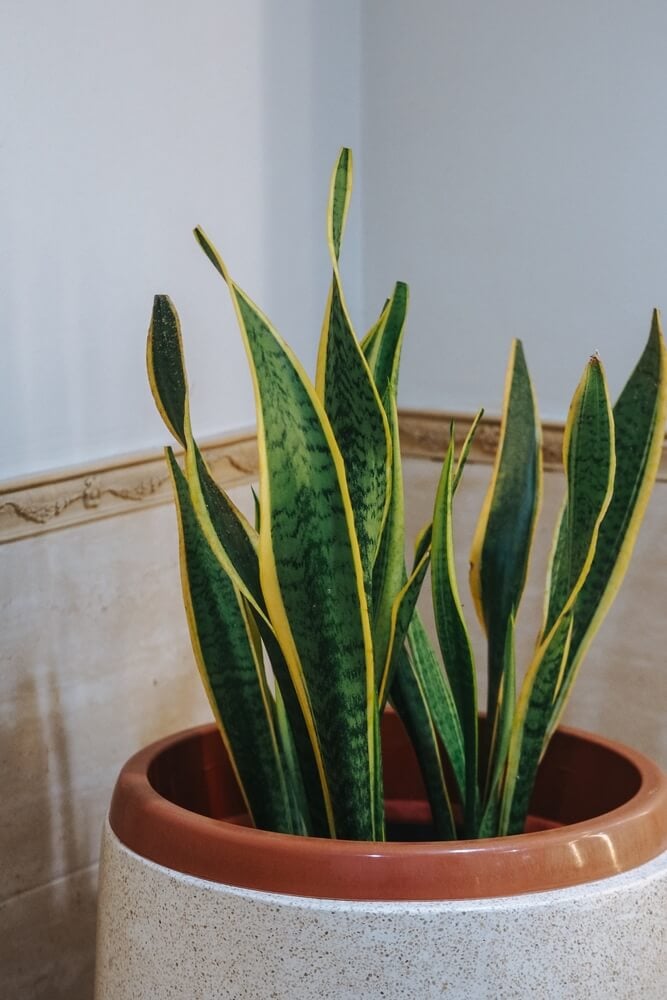
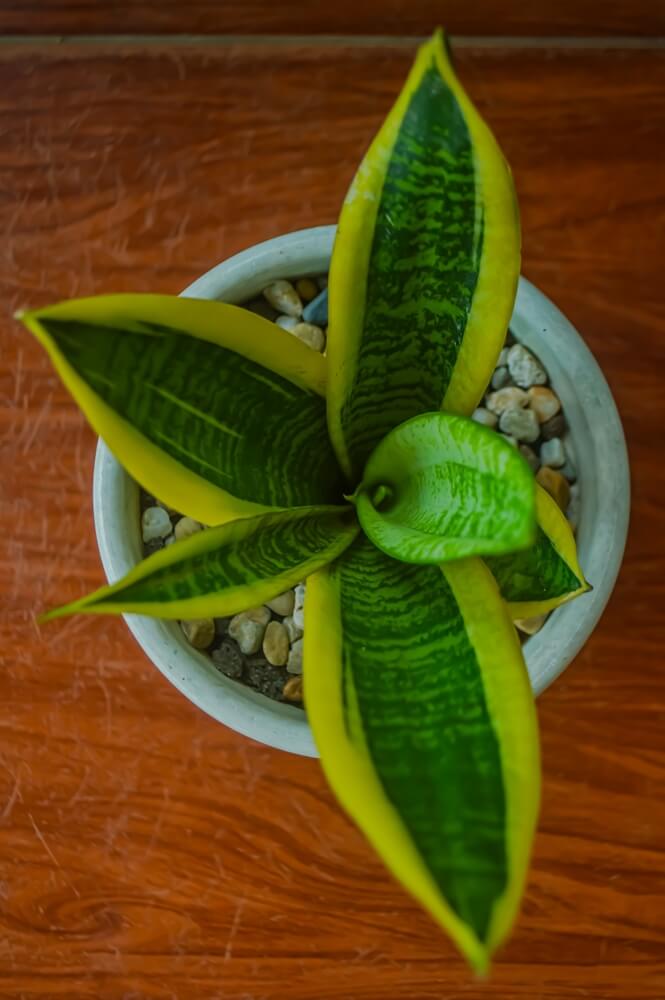
Laurentii is the classic snake plant variety, known for its upright dark green leaves with bright yellow edges. Its bold appearance makes it a popular choice for many plant enthusiasts.
- Growing Zones: Can be grown outdoors in USDA Hardiness Zones 9 through 11.
- Appearance: Dark green, upright leaves with distinct, bright yellow stripes along their vertical margins.
- Plant Size: A large, stately plant that can reach heights of 3 to 4 feet, sometimes more.
- Qualities: Easy care and striking architectural form make it one of the most popular and classic cultivars worldwide.
If you choose just one snake plant variety, Laurentii is a reliable and timeless option.
5. Bantel’s Sensation
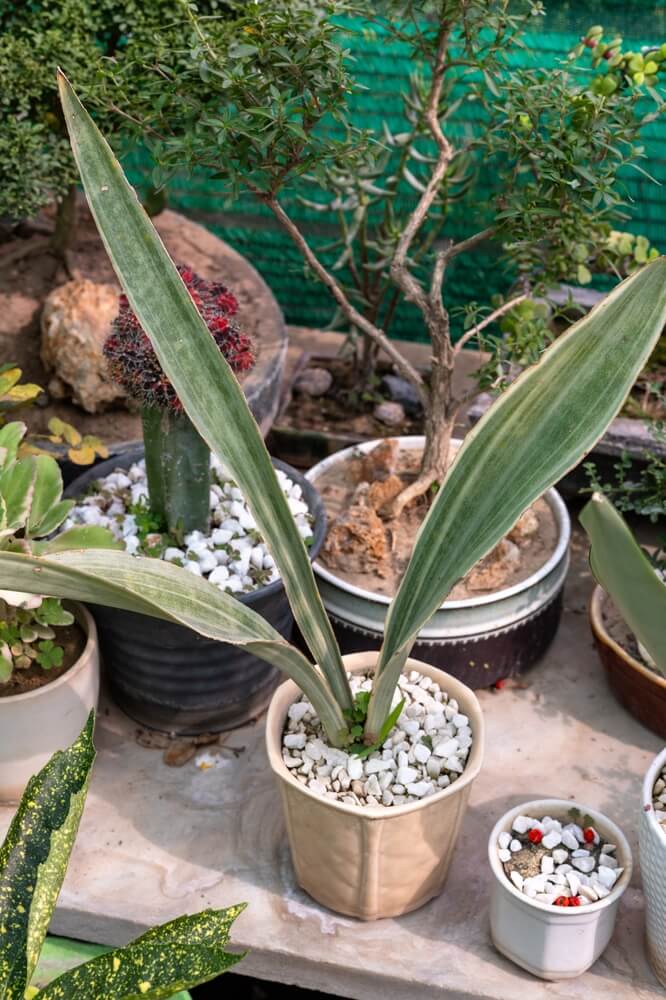
Bantel’s Sensation is a unique snake plant with slender leaves marked by creamy white and dark green vertical stripes. It grows more slowly than other varieties, making it especially appealing to collectors.
- Growing Zones: Best grown in USDA Hardiness Zones 10 through 11, like many other Sansevieria varieties.
- Appearance: Slender, dark green leaves heavily variegated with creamy white vertical stripes.
- Plant Size: A more compact variety, typically growing to about 2 to 3 feet tall.
- Qualities: Unique, painterly striping pattern and slower growth rate make it a sought-after, premium houseplant.
This cultivar is for collectors who appreciate subtlety and elegance. It’s quieter than Black Gold Extreme, but no less captivating once you really look at it.
Read More – How To Grow Delicious Lettuce From Seed To Harvest For Epic Homemade Salads!
Common Snake Plant Growing Problems
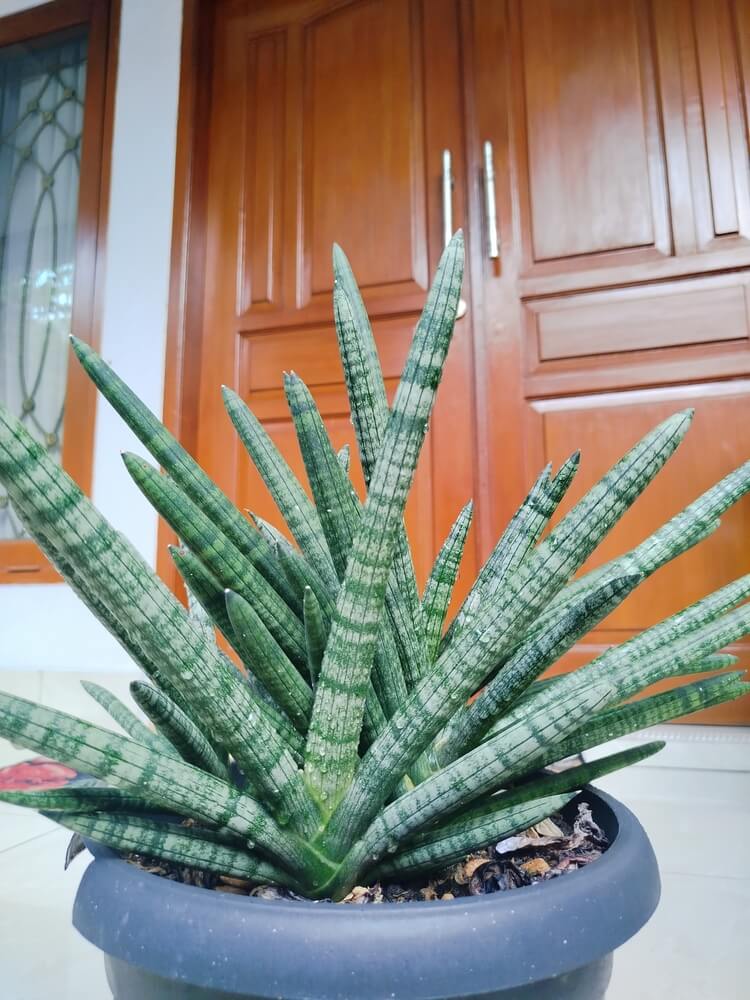
The main problems with growing snake plants are overwatering, poor soil and drainage, and not enough light. These plants are very tough, but most issues happen when their basic needs are not met or when they receive too much attention.
Overwatering (by far the #1 killer)
Overwatering is the most common cause of snake plant death. These plants are succulents! They store water in their thick leaves and rhizomes. They can easily tolerate dry conditions. But not constant moisture! Common mistakes include watering on a fixed schedule rather than checking the soil’s moisture level, using pots without drainage holes, or letting the plant sit in standing water.
The symptoms are hard to miss once they start. Leaves turning yellow (especially at the base), roots that feel mushy and gross when you check them, and a foul, swampy smell coming from the soil. By the time you notice these signs, root rot has usually taken hold.
To fix overwatering, allow the soil to dry out completely between waterings. This may mean watering only every three to eight weeks, depending on your home’s light and humidity. When unsure, it is usually better to wait before watering. Snake plants prefer less attention rather than too much.
Using the wrong soil / poor drainage
Even if you nail the watering schedule, planting your snake plant in regular dense potting soil is like asking it to swim with ankle weights. It’s a death sentence. Standard potting mixes are designed to retain moisture for thirsty plants like ferns and pothos, but snake plants need the exact opposite. They require an extremely fast-draining, gritty mix that lets water zip through in seconds, not sit around for days.
Use a soil mix that is 50-70% perlite, pumice, or coarse sand combined with regular potting soil, or choose a commercial cactus mix. Terracotta pots with drainage holes are best, as they allow moisture to escape and help prevent overwatering. If you want to use a decorative pot without drainage holes, place your snake plant in a nursery pot with drainage and set it inside the decorative pot.
Too little light (leads to leggy, weak, pale growth)
Snake plants can survive in low-light areas, but they do much better with more light. In very dim conditions, they will stretch toward any available light, resulting in long, weak, pale leaves instead of the strong, upright leaves seen in healthy plants.
They’ll also lose their stunning variegation, and because they’re photosynthesizing less, they use water even more slowly. This ironically makes them more prone to root rot from sitting in damp soil too long.
For best results, provide snake plants with medium to bright indirect light. They can tolerate a few hours of direct morning or evening sun, but darker varieties are more sensitive to strong sunlight. If your plant is growing tall and bending toward the window, it needs more light. Move it closer to a window or use a grow light to encourage healthy, strong new leaves.
Read More – How To Grow Gorgeous Bonsai Trees In Pots From Seed Or Nursery Stock!
Conclusion
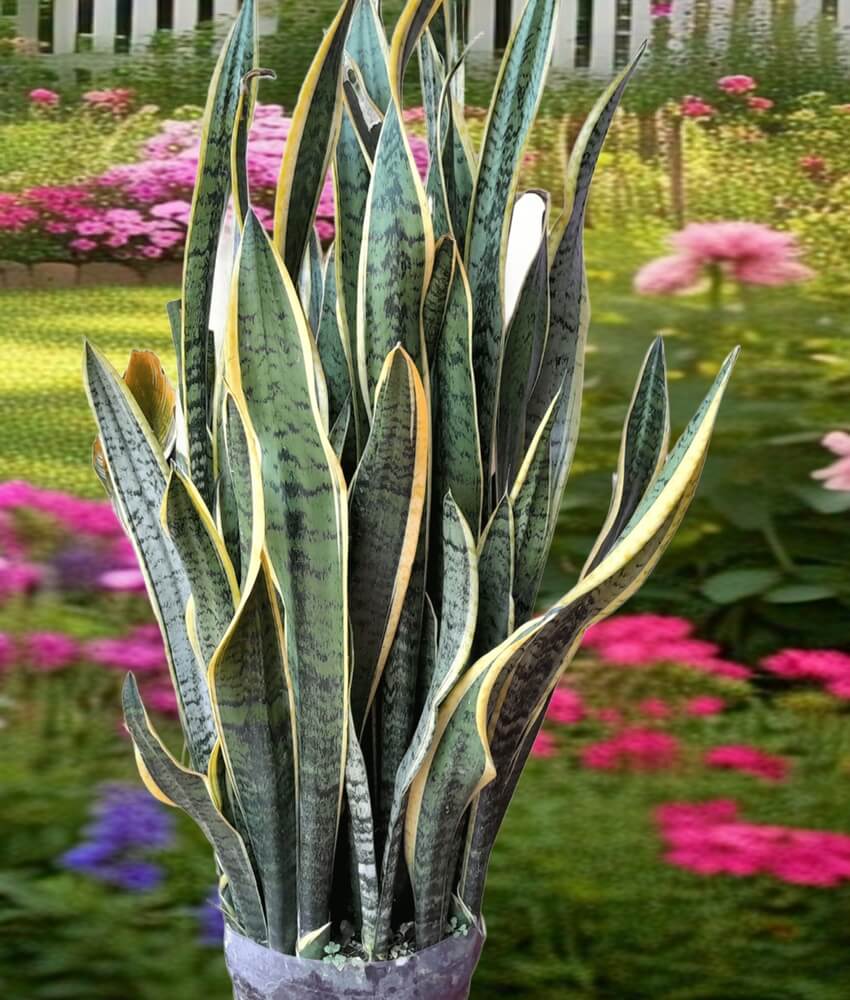
This guide covers everything you need to know about growing snake plants from seed, cuttings, or transplants. These epic plants are resilient and offer both attractive looks and air-purifying benefits. Whether you are new to growing them or expanding your collection, remember to water less and provide more light when unsure! These rules are easy to follow and will pay off tenfold, as growing snake plants can make your home healthier and more beautiful!
Thanks for reading.
Have a great day!


