The Ultimate Guide To Growing Serviceberry Trees (Or Shrubs) From Seed Or Transplant!
Welcome! This article contains affiliate links, meaning I get a commission if you decide to make a purchase through my links, at no extra cost to you.
Serviceberries deserve way more attention than they get. This native North American shrub (or small tree, depending on how you train it) is practically bulletproof once established, produces clouds of beautiful white flowers in spring, offers stunning fall color, and rewards you with sweet, nutritious berries in early summer. We can show you everything you need to grow and care for these bountiful trees (or shrubs) without fuss.
Sound intriguing?
Then let’s plant some serviceberries!
How To Grow Serviceberries From Seed
Growing serviceberries from seed requires patience, at least at first. They need to mimic a natural winter cycle before they will sprout.
1. Cold Stratify Your Seeds (The “Fridge Method”)
Serviceberry seeds require 90–120 days of cold, damp conditions to germinate. Mix your serviceberry seeds with moist sand or peat moss and seal them in a plastic bag. Place the bag in your refrigerator (33–40°F) for at least three months.
Note: You can also plant serviceberry seeds outdoors in fall and let winter do the work, but the fridge method gives you more control.
2. Sow Indoors
Once the cold treatment finishes (usually early spring), remove the serviceberry seeds from the fridge. Fill seed flats or small pots with a well-draining potting mix.
3. Plant at the Right Depth
Serviceberry seeds are tiny. Press them lightly into the soil surface and barely cover them. About 1/8 inch deep is perfect. Do not bury the teeny serviceberry seeds too deep!
4. Maintain Consistent Moisture
Keep the soil consistently moist for your serviceberry seeds. But never soggy. Place the pots in a warm spot for your seeds. A place with indirect light works fine. Be patient. Serviceberry seed germination is slow and can take 2–8 weeks.
5. Pot Up the Seedlings
Once your serviceberry seedlings develop two sets of “true” leaves, transplant them gently into individual pots, if necessary.
6. Grow Out for the First Year
Serviceberries grow slowly at first. Keep them in their pots for the first full growing season to let them establish a strong root system before moving them to their permanent spot in the garden.
Read More – 21 Epic And Edible Shrubs That Produce Deliciously Sweet Fruit Without Fuss!
How To Plant Serviceberry Transplants

If you want to expedite your pathway to delicious serviceberry harvests, we should start with a transplant. Follow these steps to ensure it settles in for the long haul.
1. Choose the Right Plant
You can buy Bare Root serviceberry plants (cheaper, establish fast, must plant in early spring while dormant) or Container plants (more expensive, can be planted anytime in spring, summer, or fall).
Tip: Smaller serviceberry plants (1–2 feet) often adapt faster than large ones. Always check the pot to ensure the plant isn’t rootbound.
2. Dig The Perfect Hole
Dig your hole twice as wide as the serviceberry tree’s root ball, but no deeper. You want the shrub’s root flare (the spot where the serviceberry tree’s roots meet the trunk) to sit slightly above ground level to prevent rot.
3. Position the Tree
Place the tree in the center of the hole. If you are planting a bare-root serviceberry tree, spread the roots out gently so they aren’t crowded.
4. Backfill with Native Soil
Fill the hole back up with the dirt you just dug out. Do not add compost or fertilizer to the hole! Doing so encourages the serviceberry tree’s roots to stay in the soft pocket rather than exploring the surrounding soil.
5. Water Deeply
Soak the area thoroughly immediately after planting. Create a small soil “basin” or ring around the base of the serviceberry tree to help water soak down to the roots rather than running off.
6. Apply Mulch
Add 2–3 inches of wood chips around the base of the serviceberry to retain moisture. Keep the mulch six inches away from the trunk (like a thin donut, not a volcano) to prevent bark rot.
7. Follow First-Year Care
Your serviceberry tree needs to focus on roots, not leaves.
- Water: Deeply soak the tree 1–2 times per week if there is no rain.
- Fertilizer: Skip it for the first year.
- Monitor: If leaves wilt or edges brown, the tree needs more water.
Read More – 14 Best Fruit Trees To Grow In Containers And Pots – Even On A Porch Or Balcony!
Serviceberry Growing Requirements
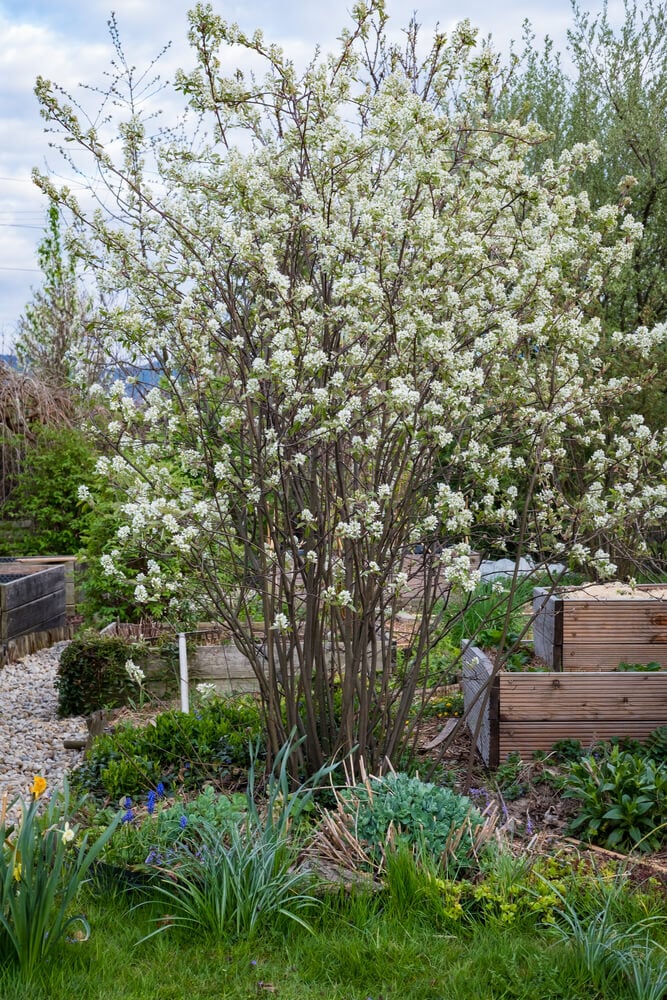
Once your serviceberry is in the ground, keeping it happy is surprisingly easy. These North American natives are low-maintenance workhorses that thrive on benign neglect once established.
Sunlight
Serviceberries are flexible about light. But, they perform best with at least 4–6 hours of direct sun daily. Full sun gives you the most flowers and the heaviest berry crop. Part shade works fine too, especially in hot climates where afternoon shade prevents leaf scorch.
You’ll get fewer berries in shadier spots. But the serviceberry tree will still look beautiful. They’re originally understory trees in the wild. So they handle dappled shade better than most fruiting plants. If you’re planting multiple serviceberries, give them room. Crowding reduces airflow and cuts down on berry production.
Climate
Serviceberry trees laugh at the cold. They’re cold-hardy to the last and thrive in Zones 2–9 without flinching. They handle winter temperatures down to -30 or even -40°F without batting an eye. They actually need winter chill (at least 800–1,000 chill hours) to set fruit properly. This chill requirement makes them perfect for northern gardeners tired of babying tender plants.
The catch is summer heat. Serviceberries struggle in consistently hot, humid climates. They do best where summers are moderate. In Zone 8 or 9, plant them where they get afternoon shade and keep them watered during heat waves. If you’re in the Deep South or desert Southwest, serviceberries probably aren’t your best bet unless you’re committed to extra care.
Soil + Fertilizer
Here’s where serviceberries get interesting. They prefer acidic to neutral soil (pH 5.0–7.0) and absolutely love what most gardeners consider “problem soil.” Wet spots that stay soggy in spring? Serviceberries don’t mind. Heavy clay that chokes out other fruit trees? They’ll grow there. Sandy, lean soil? Also fine.
The key is decent drainage. Serviceberry trees tolerate wet feet better than most others. But standing water will eventually rot the roots. They’re also one of the few fruiting plants that actually prefer lean soil over rich, amended beds. No need for fancy chemical fertilizers. Too much nitrogen pushes leafy growth at the expense of flowers and berries.
A light top-dressing of compost every couple of years is plenty. If your leaves turn yellowish with green veins (chlorosis), your soil might be too alkaline. Add sulfur or use an acid fertilizer designed for blueberries.
Watering
Newly planted serviceberries need consistent moisture for the first year. But once established, they’re remarkably drought-tolerant. Water deeply once a week during dry spells for the first growing season. After that, they mostly take care of themselves.
Mature trees can handle dry periods. But they’ll drop berries early if stressed during fruit development (late spring to early summer). If you want a good harvest, keep them watered from bloom time through berry ripening. A 2–3 inch layer of mulch helps retain moisture and keeps roots cool.
Harvesting
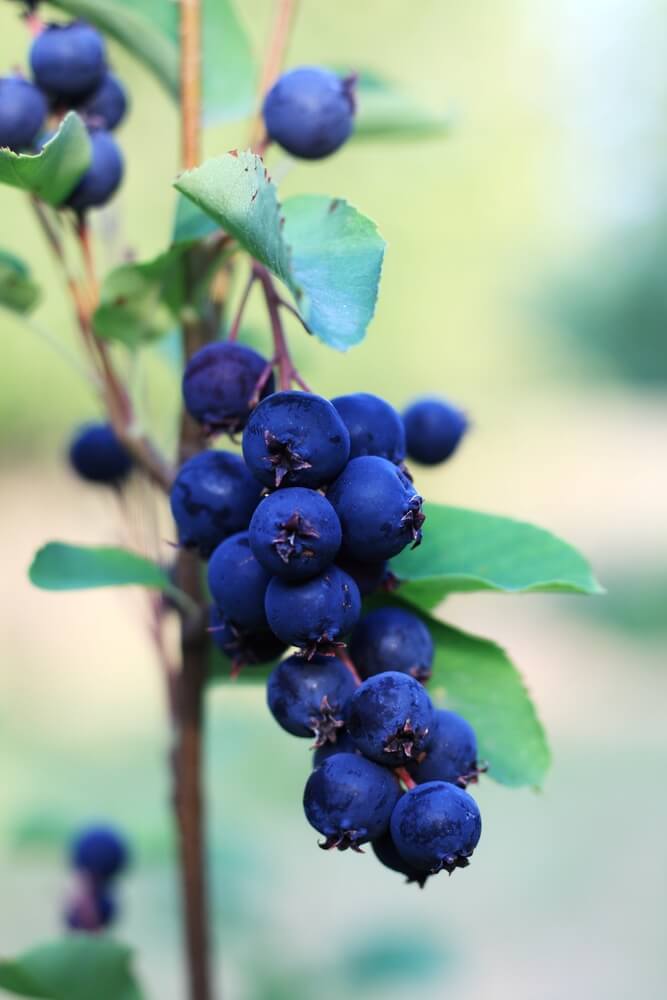
Serviceberries ripen in early summer (June or July, depending on your location). They usually turn from red to deep purple-black when ready. There’s also a slight homesteader’s dilemma! Birds love these berries as much as you do. And they know exactly when they’re ripe. You’re competing with robins, cedar waxwings, and every other fruit-loving bird in the neighborhood.
So, grow a few extra! Luckily, the serviceberries don’t all ripen at once. So you’ll harvest over 2–3 weeks. Pick them when they’re fully dark and slightly soft. They should come off easily with a gentle tug. Taste one serviceberry first because “ripe” varies by variety. Some are sweet immediately, others need a day or two after picking to develop full flavor.
Use berry-picking tarps or sheets under the tree to catch falling fruit. Or just accept that the birds will get their share. Fresh serviceberries keep 3–5 days in the fridge but freeze beautifully for later use in pies, jams, or muffins.
Read More – 30 Beautiful And Beneficial Plants That Grow In The Shade | Herbs, Veggies, Fruits, And Shrubs!
Serviceberry Growing Schedule
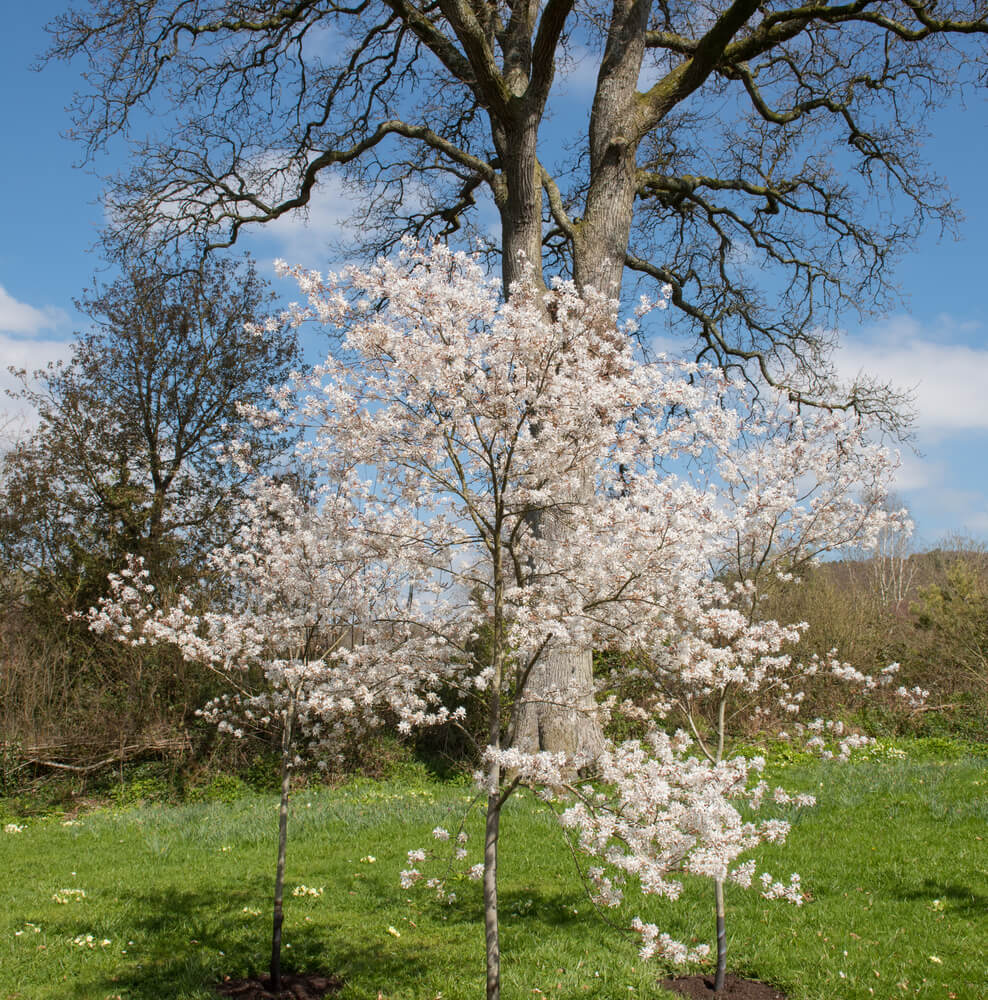
Here are the critical dates all serviceberry growers should know. This won’t apply perfectly to every climate. But it gives you a rhythm to follow for Zones 4–7, where most serviceberries thrive.
April
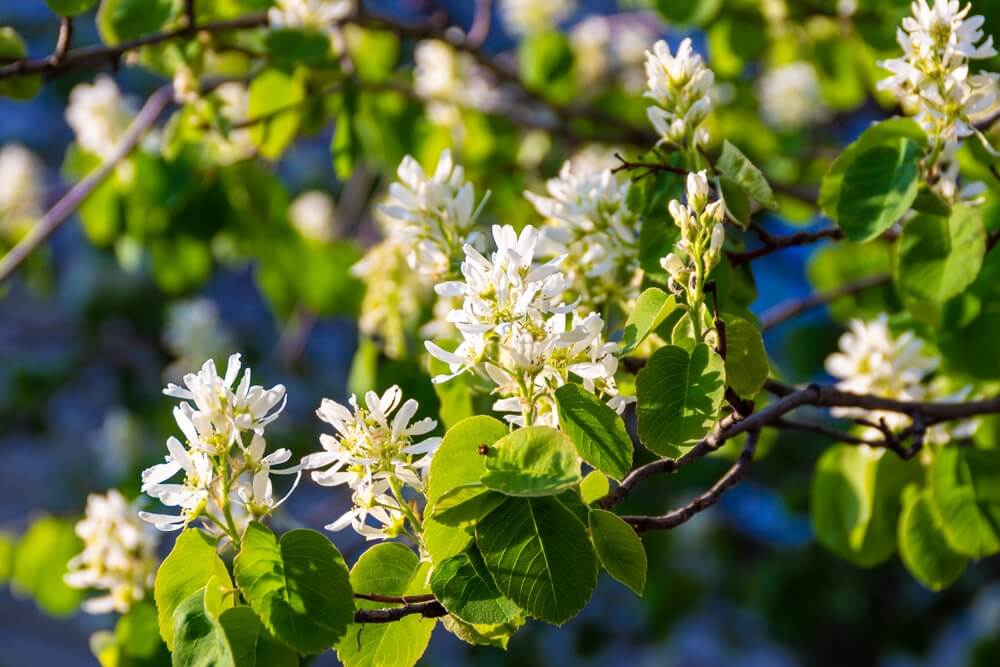
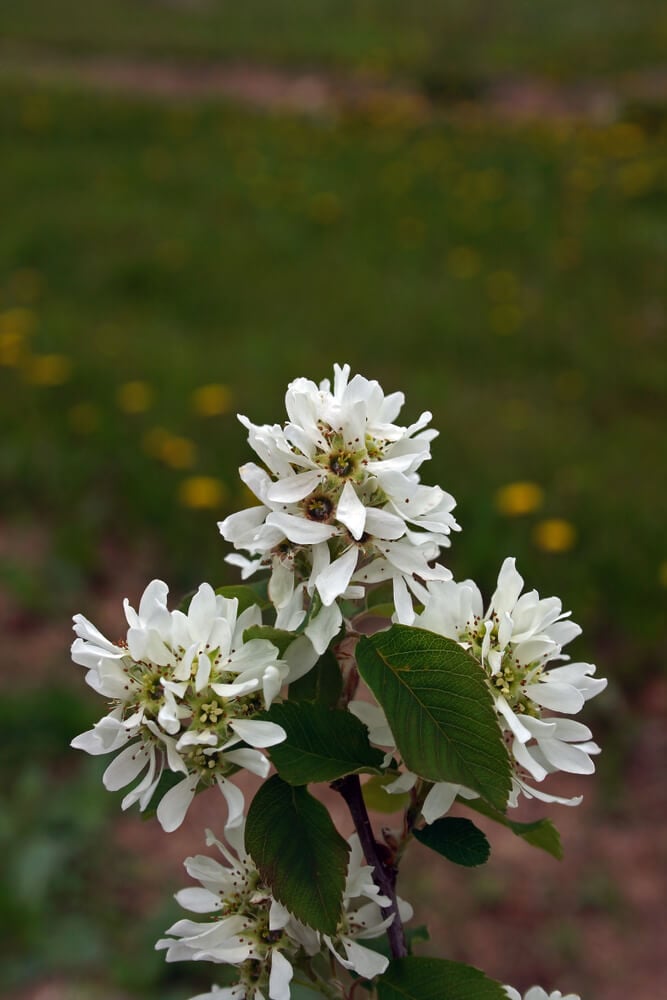
Bloom time! Your serviceberry explodes with delicate white flowers, usually before the leaves fully emerge. April is when pollinators do their work, so avoid spraying anything that might harm bees. If you’re planting bare root stock, early April is your last chance before they break dormancy.
May
May is when flowers fade, and tiny green berries start forming while fresh leaves unfurl in beautiful bronzy-red shades. Keep newly planted trees watered as temperatures warm up. This is also when you might spot tent caterpillars. Knock down their webby nests early before they defoliate branches.
June
Peak harvest season in most regions! Berries turn from red to purple-black. And the race against the birds begins. Check daily and pick in the morning when berries are cool and firm. Water established trees consistently during fruiting to prevent berry drop.
July
Late-season berries finish ripening in cooler climates. Most harvesting wraps up by mid-month. The tree shifts energy to growing and storing nutrients for next year. Reduce watering frequency but keep an eye out for drought stress during heat waves.
August
Maintenance mode. Serviceberries are coasting through late summer without needing much from you. This is a good time to lightly prune any dead or crossing branches. Though major pruning should wait until dormancy. Keep mulch refreshed to conserve soil moisture.
September
Fall color show starts! Serviceberry leaves turn gorgeous shades of orange, red, and yellow. If you’re planning to plant new trees, late September is prime time for transplanting. The soil is still warm. But the air is cool, giving roots time to establish before winter.
October through Winter
Leaves drop. And the tree goes dormant. October is the best window for major pruning or moving established plants. If you’re stratifying seeds, get them in the fridge now for spring planting. Protect young trees from deer and rabbit browsing with fencing or tree guards. Hungry critters love tender bark in winter.
Read More – 31 Easiest Fruits To Grow In Home Gardens – Alpine Strawberries, Figs, And Pawpaws!
How to Eat Serviceberries
There are dozens of delicious ways to eat serviceberries! But, they all narrow down to these handful of methods.
Fresh Off the Tree

The simplest way to enjoy serviceberries is to pop them straight into your mouth while you’re picking. When fully ripe, they taste like a cross between blueberries and almonds with a hint of apple sweetness. The flavor is mild and pleasant, not super intense like wild blackberries or tart like currants.
Some people find serviceberries a bit bland compared to other berries. But that’s actually part of their charm. They’re easy to eat without the pucker factor. The seeds are small and edible. They’re kinda similar to blueberry seeds. So you don’t need to spit anything out. Kids love grazing on them right in the yard. Just rinse them first if you’re worried about dust or bird droppings on the branches.
Baked Into Desserts and Preserves

Serviceberries really shine when you cook with them. Their mild flavor means they play well with other ingredients without overpowering a recipe. Toss them into muffins, pancakes, or scones just like you would blueberries. They make excellent pies, cobblers, and crisps, especially when mixed with a tart berry like rhubarb or cranberries to balance the sweetness.
For jam or jelly, you’ll want to add pectin since serviceberries are low in natural pectin and won’t set up on their own. The jam has a beautiful, deep purple color and tastes like a sophisticated blueberry preserve. Some homesteaders make serviceberry syrup for pancakes or use the juice to make wine. The berries also dry well. Spread them on dehydrator trays. And, you’ve got homemade raisins that work great in trail mix or granola.
Frozen for Year-Round Use
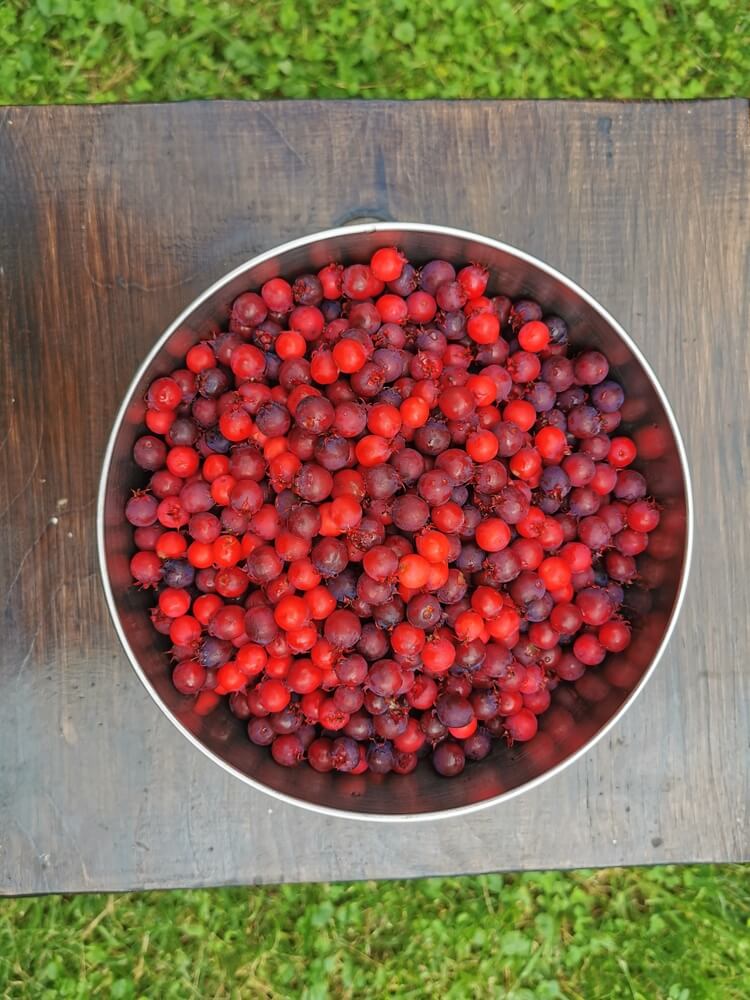
If you can’t use your harvest right away (or the birds left you with more than expected), freezing is the way to go. Serviceberries freeze beautifully and keep for up to a year without losing much flavor. Spread clean berries in a single layer on a baking sheet and freeze until solid, then transfer to freezer bags. This prevents them from clumping into one giant berry brick.
Frozen serviceberries work perfectly in smoothies. They add sweetness, color, and nutrition without the tartness of other frozen berries. You can also throw frozen berries directly into baked goods without thawing. Keep a stash in the freezer. You’ll have a taste of early summer all winter long.
Read More – How to Grow Pineberries for an Abundant and Tasty Fruit Harvest!
Three Biggest Serviceberry Blunders
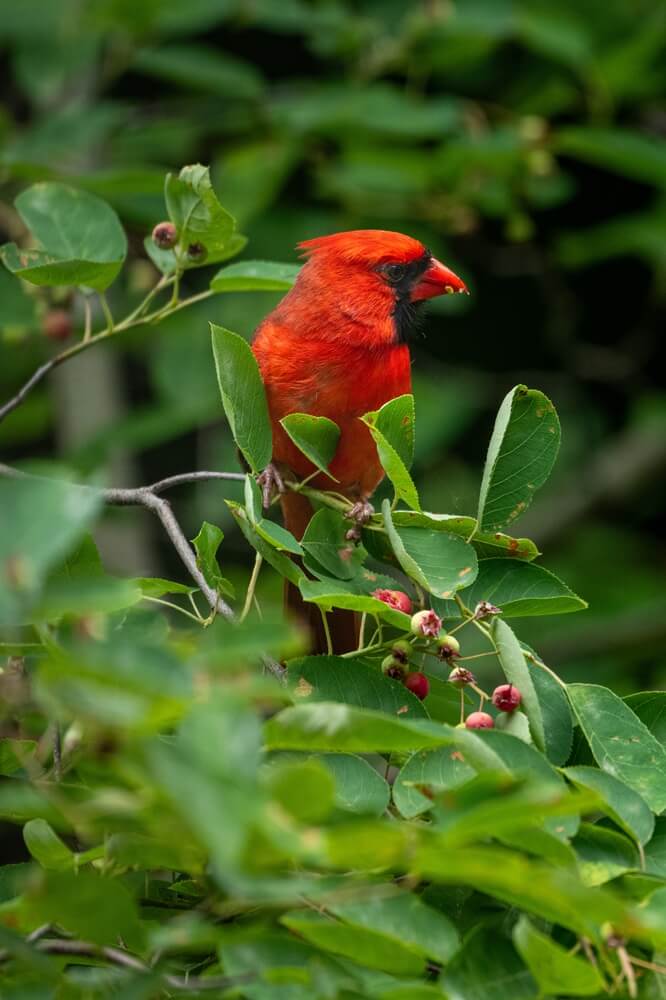
Serviceberries are very easy to grow, but they also have a few nagging plagues.
1. Cedar-Serviceberry Rust
While serviceberries are famously low-maintenance, they have a few specific quirks that can lead to a sad-looking plant if ignored. The most common heartbreak for serviceberry owners is Cedar-Serviceberry Rust. It’s a fungus that requires two hosts to survive. A juniper or cedar and a serviceberry.
If you plant your serviceberry within several hundred feet of junipers (like Eastern Red Cedar), you’re setting yourself up for disappointment. Your beautiful berries might turn into hairy, orange, alien-looking spikes that are completely inedible. And the leaves will develop bright orange spots that make the whole plant look diseased. It’s not fatal to the tree. But it ruins your harvest and looks terrible.
The fix is simple. Keep serviceberries and junipers far apart. Or choose rust-resistant varieties like ‘Autumn Brilliance’ or ‘Regent’ if you’re stuck with nearby junipers you can’t remove.
2. Incorrect Pruning
The second big mistake is pruning at the wrong time or in the wrong way. Serviceberries bloom on old wood. In other words, the flower buds for this year’s crop formed last summer on growth from the previous year. If you trim the tips of branches in early spring, trying to “shape” the bush, you’re accidentally cutting off all the flower buds for the entire season.
No flowers means no berries, and you’ll spend the summer wondering why your tree looks great but produces nothing. Even worse, making random heading cuts in the middle of branches can trigger Witches’ Broom, where a messy, ugly cluster of weak twigs erupts from the cut site and ruins the plant’s natural form.
The solution is to only prune immediately after the berry harvest is finished. Focus on thinning cuts (removing entire stems at ground level) rather than shortening branch tips. If you must shape the plant, do it right after the berries are gone so you’re not sabotaging next year’s crop.
3. Unrelenting Spread!
The third blunder is ignoring those persistent suckers that sprout from the base. Serviceberries are naturally shrubby and love sending up new shoots from their roots, which is great if you want a multi-stemmed shrub, but a disaster if you’re trying to maintain a single-trunk tree.
Many people plant a nice, clean tree form and then just let it do whatever it wants. Within five years, that elegant small tree has transformed into a massive, tangled thicket that’s impossible to harvest from and lacks the airflow needed to prevent powdery mildew.
You need to decide early whether you want a shrub or a tree and commit to that vision. If you want a tree, you must be diligent about snipping off the bottom suckers every spring to maintain a clean trunk.
If you want a shrub, let it grow. But thin out the oldest, woodiest stems every few years to keep it productive and manageable. The worst thing you can do is ignore the question entirely and end up with an awkward in-between mess.
Read More – 25 Fruit Trees That Grow In Shade [They Will Surprise You!]
Conclusion
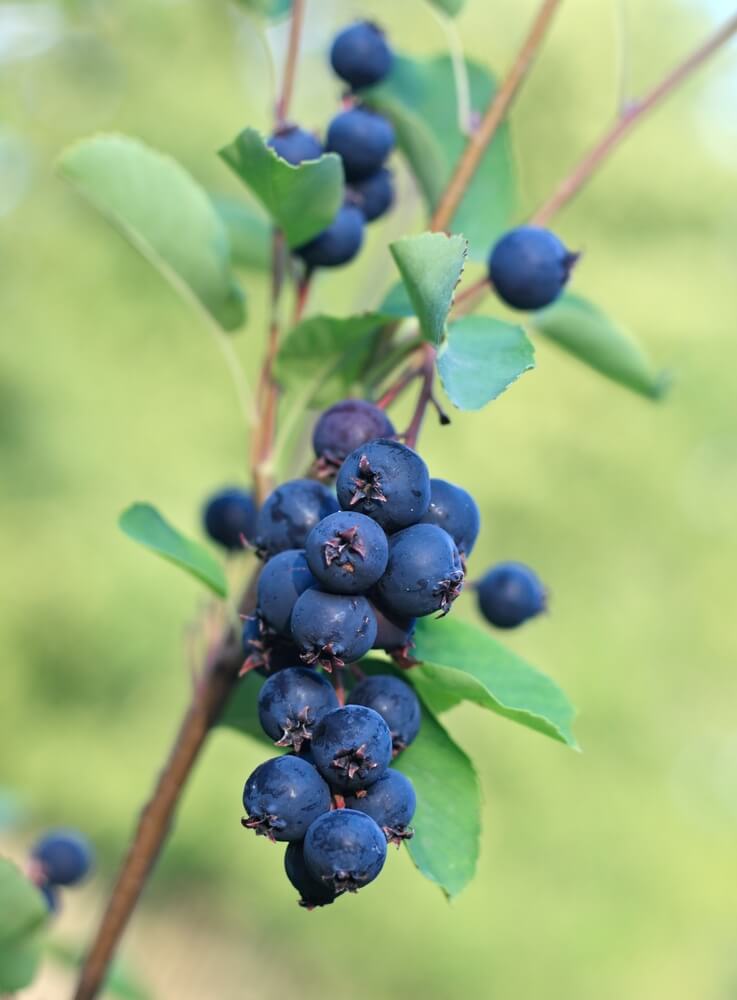
Serviceberries are the ultimate set-it-and-forget-it fruit crop for homesteaders and gardeners who want results without constant maintenance. Once you get past the first year of establishment, these tough natives basically take care of themselves. They also provide food for you, habitat for wildlife, and beauty for your landscape.
The berries might not be as flashy as strawberries or as abundant as apples. But they’re dependable, delicious, and available right when you’re craving fresh fruit in early summer.
Plant one now. Avoid the common blunders. And in a few years, you’ll have a productive tree that keeps giving for decades.
Thanks for reading.
Have a beautiful day!