
The Only 10 Christmas Tree Cultivars You’ll Ever Need For Your Backyard Or Homestead!
Welcome! This article contains affiliate links, meaning I get a commission if you decide to make a purchase through my links, at no extra cost to you.
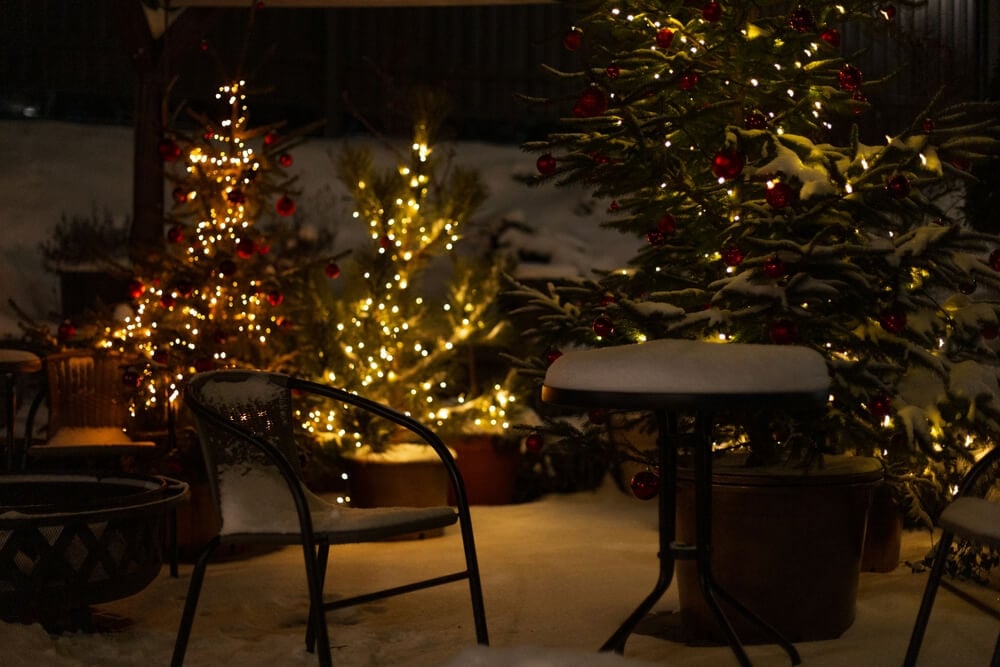
Forget the lot, forget the axe. The most festive move you can make is planting a Christmas tree right in your own backyard! Once established, you can decorate it year after year without ever cutting it down. It turns your yard into a living holiday tradition. (That is, until it hits 30 feet and you realize it’s time to start a new one!)
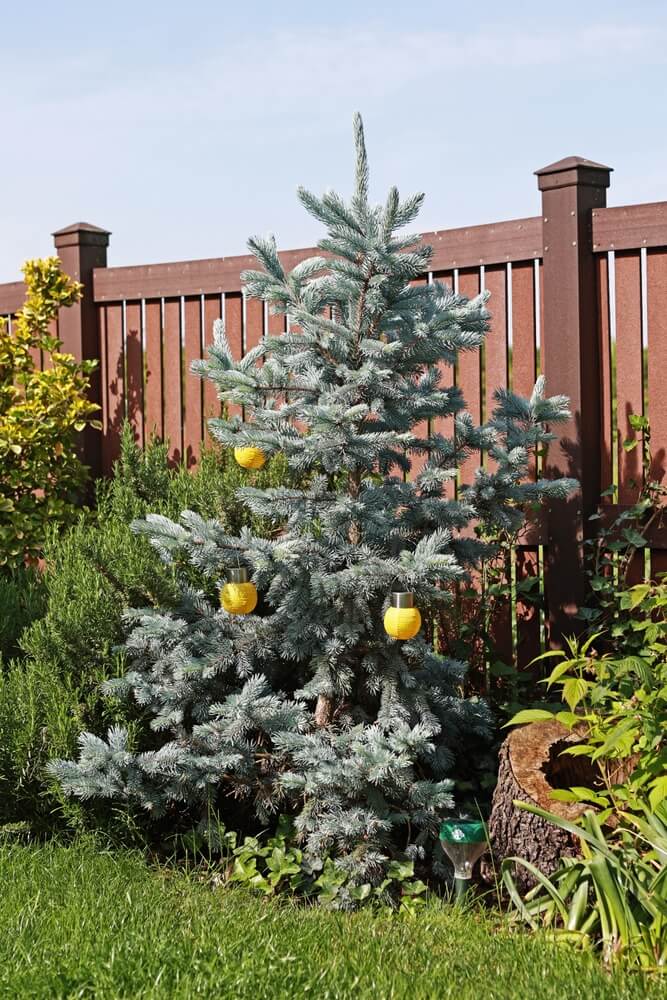
Ready to grow your own holiday magic?
Let’s dig into the top 10 cultivars.
Top 10 Christmas Tree Cultivars For Home Gardens
Let’s dive into the best of the best. Here are ten outstanding cultivars that’ll transform your property into your very own Christmas tree farm.
1. Noble Fir (Abies procera)
If you’re looking for the Mercedes-Benz of Christmas trees, the Noble Fir is your answer. This Pacific Northwest native grows into a perfectly symmetrical specimen that practically decorates itself. The blue-green needles are stiff enough not to droop under heavy ornaments, and the foliage is incredibly durable against winter winds.
- USDA Zones: 5 to 6.
- Tree Size: 50 to 80 feet tall.
- Growth Rate: Moderate. (12 to 18 inches per year).
- Special Features: Superior needle durability, exceptional branch strength, silvery-blue foliage.
For homesteaders in cooler climates, the Noble Fir is a tree that rewards patience. It’s not the fastest grower, but the payoff in quality is absolutely worth it.
2. Douglas Fir (Pseudotsuga menziesii)
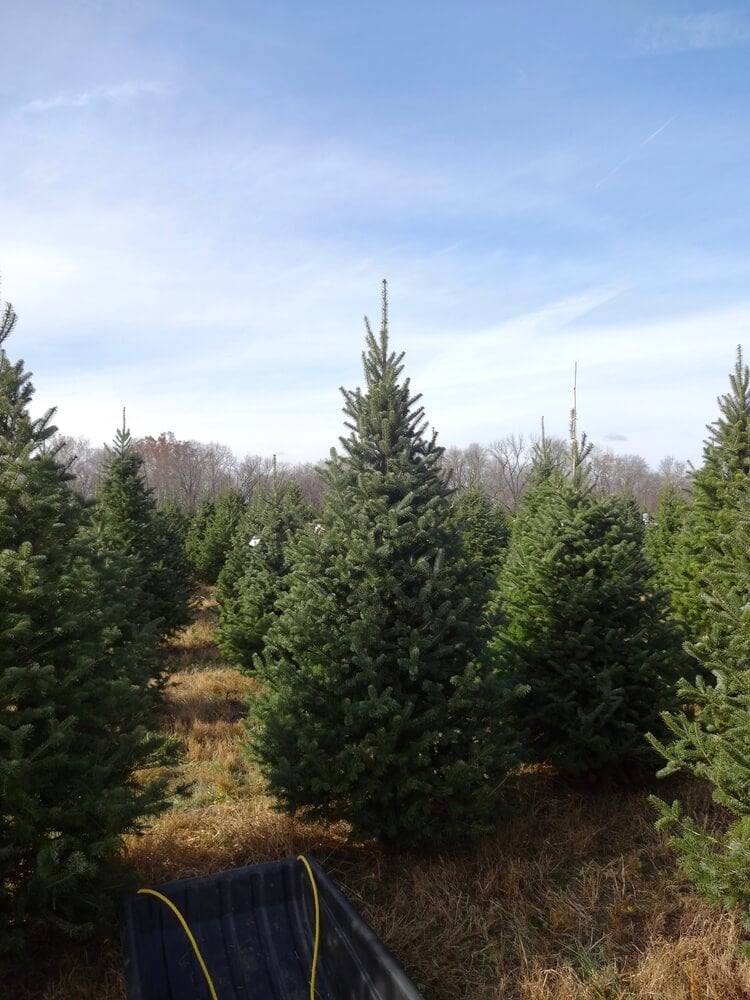
There’s a reason the Douglas Fir dominates Christmas tree lots across America. It’s beautiful, majestic, and easy to grow. The soft, dark green needles release a sweet, clean fragrance that fills your home without being overpowering, and the classic conical shape means less pruning work during the growing years.
- USDA Zones: 4 to 6.
- Tree Size: 40 to 80 feet.
- Growth Rate: Moderate. (12 to 18 inches per year).
- Special Features: Sweet fragrance, soft needles, classic Christmas tree shape, and wide adaptability.
The Douglas Fir is forgiving for newer growers and adapts well to a range of soil conditions. It’s one of those dependable varieties that makes you look like a pro even if you’re still learning the ropes.
Read More – How Long Does It Take to Grow A Christmas Tree?
3. Fraser Fir (Abies fraseri)
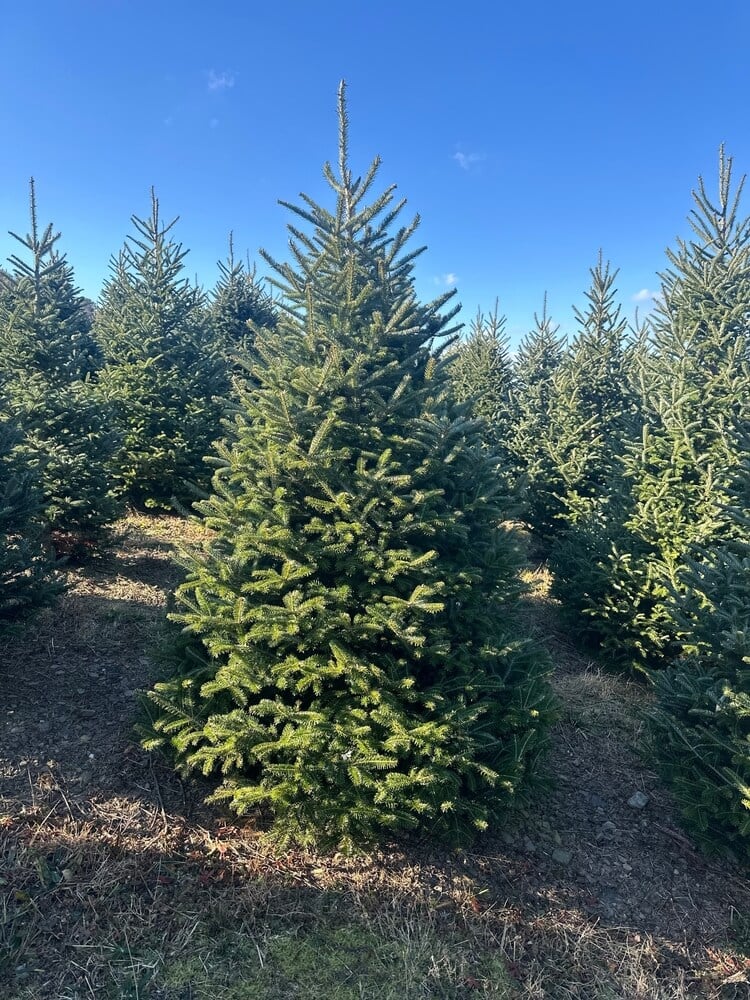
The Fraser Fir is what commercial growers dream about, and for good reason. Those upward-angled branches can hold the heaviest ornaments your family throws at them, and the needle durability is legendary. If you decide to harvest this beauty, it’ll look fresh for weeks. The fragrance is everything you want from a Christmas tree. It’s strong, piney, and nostalgic.
- USDA Zones: 4 to 7.
- Tree Size: 50 to 75 feet (can be maintained at 6 to 8 feet with shearing).
- Growth Rate: Slow to moderate. (6 to 12 inches per year).
- Special Features: Exceptional needle retention, powerful fragrance, strong upturned branches, ideal for heavy ornaments.
For homesteaders in the Appalachian region or similar climates, the Fraser Fir feels like it was made for your land.
4. Scotch Pine (Pinus sylvestris)
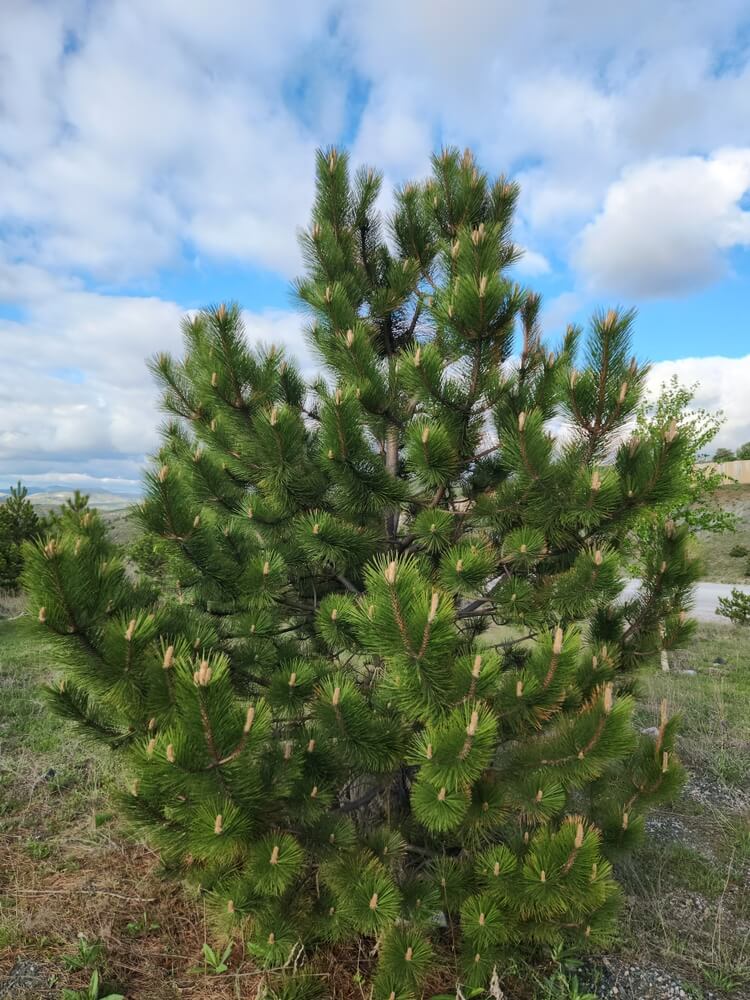
The Scotch pine is tough as nails and practically bulletproof. It’s a lovely European import that adapts to a wide range of conditions and keeps its needles even when you forget to water it (though please don’t). The stiff, dark green needles give it a traditional look, and it shapes up beautifully with regular shearing.
- USDA Zones: 3 to 7.
- Tree Size: 30 to 60 feet tall.
- Growth Rate: Moderate. (12 to 18 inches per year).
- Special Features: Excellent needle retention, even when dry. Very durable. Widely adaptable. Popular with commercial growers.
If you’re establishing a small Christmas tree operation or want a reliable tree for your own family, the Scotch Pine won’t let you down.
Read More – 21 Valuable Homestead Trees That Feed You, Fuel You, And Fight For You!
5. Leyland Cypress (x Cupressocyparis leylandii)
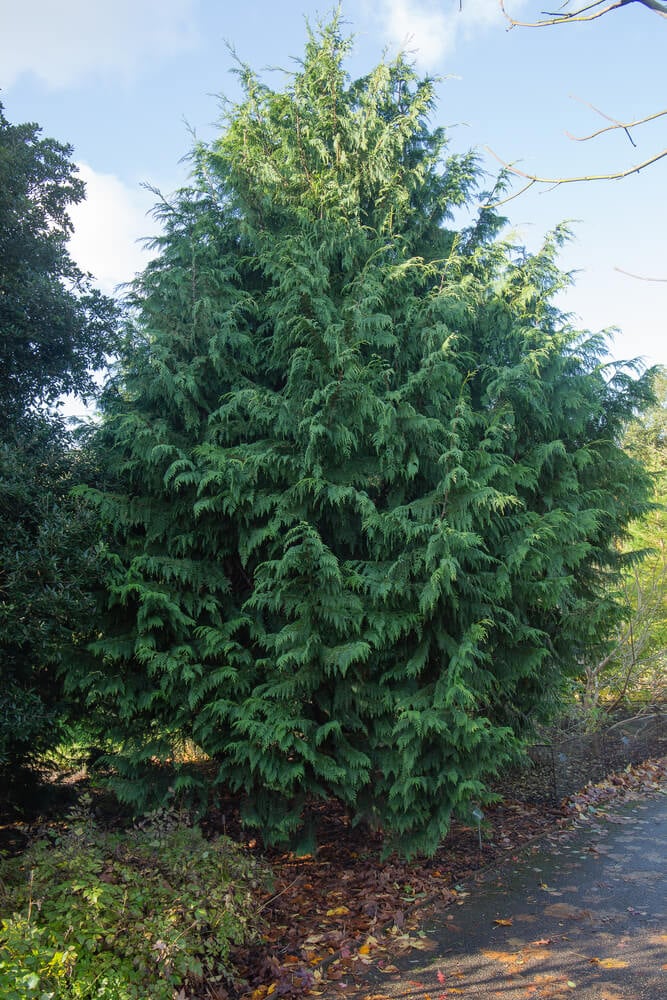
The Leyland Cypress is perfect for southern growers who’ve struggled with traditional firs and pines. This fast-growing hybrid thrives in heat and humidity that would stress out a Fraser Fir. The soft, feathery foliage has a very different texture from that of needle-leaved trees. Some folks love it, some don’t, but it’s undeniably unique. The bonus? It’s non-allergenic, making it perfect for households where pine allergies are an issue.
- USDA Zones: 6 to 10.
- Tree Size: 60 to 70 feet tall.
- Growth Rate: Fast. (More than 2 feet per year).
- Special Features: Thrives in warm, humid climates, non-allergenic, soft, feathery foliage, and speedy growth.
Warning: The Leyland Cypress is an epic speedster who will quickly outgrow its space if you’re not paying attention.
6. Balsam Fir (Abies balsamea)
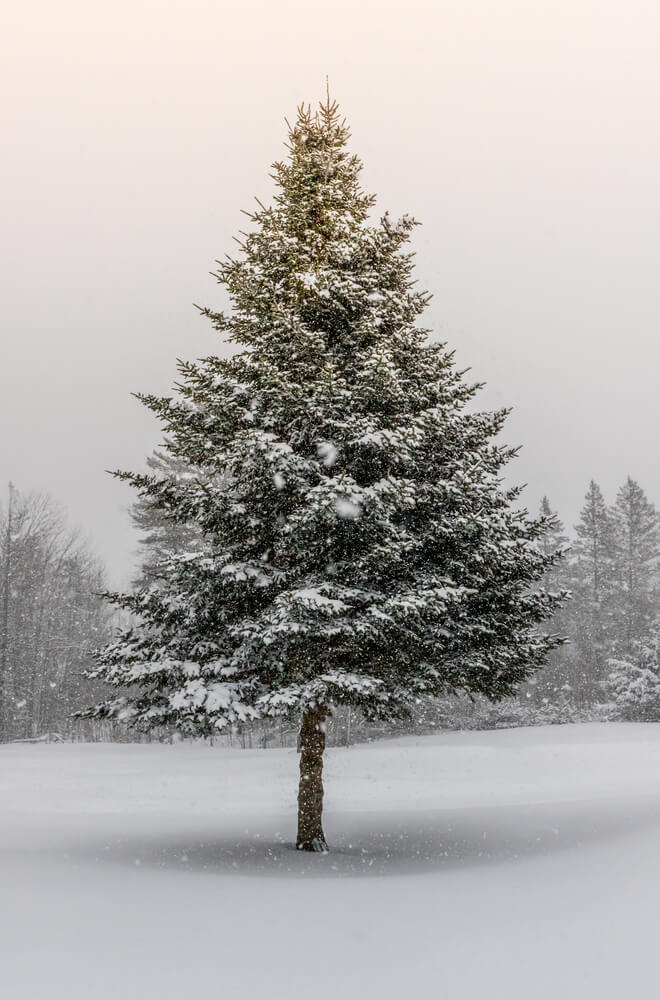
Close your eyes and imagine the perfect Christmas tree. That’s the Balsam Fir. This northern beauty produces the most iconic evergreen fragrance you’ll ever experience, and it fills every corner of your home. The symmetrical shape and dark green needles make it a picture-perfect tree, though it does demand respect! It needs cooler temperatures, consistent moisture, and well-drained soil.
- USDA Zones: 3 to 6.
- Tree Size: 40 to 60 feet tall.
- Growth Rate: Slow. (Less than 12 inches per year).
- Special Features: Quintessential Christmas tree fragrance, beautiful symmetrical shape, thrives in cooler climates, requires moist soil.
For northern homesteaders, the Balsam Fir is the tree that makes your neighbors ask where you bought it, never suspecting you grew it yourself.
Read More – The Ultimate Guide To Growing Thanksgiving Cactus From Seed, Cuttings, Or Transplant!
7. White Pine (Pinus strobus)
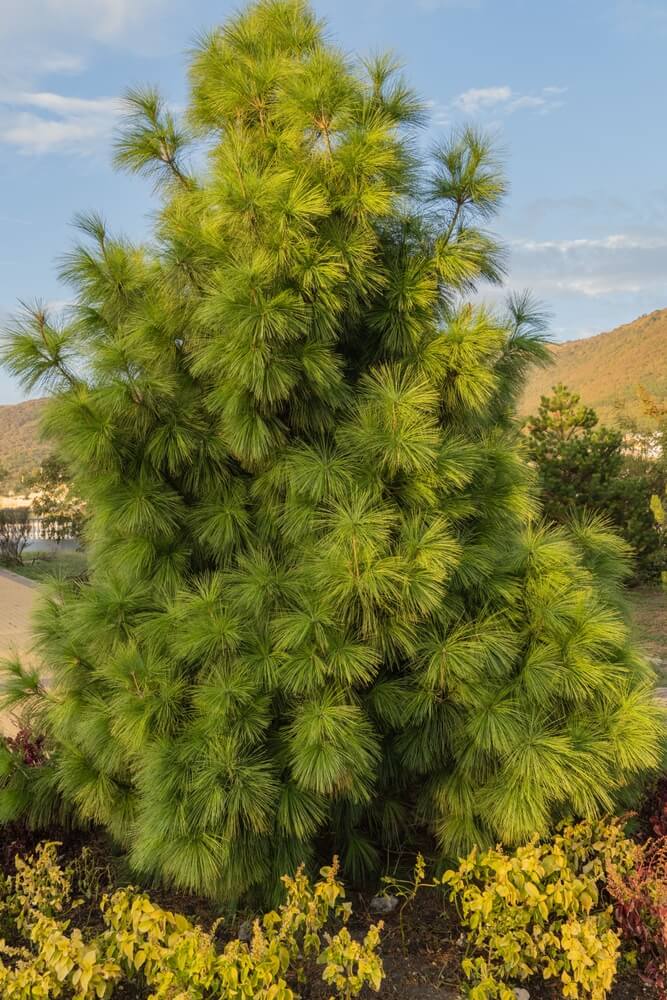
The White Pine is the gentle giant of Christmas trees. Those long, soft, bluish-green needles give it an almost feathery appearance. The minimal scent makes it perfect for homesteaders with sensitivities, and the fast growth rate means you’ll have harvestable trees sooner than with many other species. Just remember that branches are softer, so stick with lighter ornaments to avoid bowing.
- USDA Zones: 3 to 8.
- Tree Size: 50 to 80 feet tall.
- Growth Rate: Fast. (More than 1.5-2 feet per year).
- Special Features: Soft, long needles. Minimal scent (good for allergies). Fast-growing. Feathery appearance; requires lighter ornaments.
The White Pine is an excellent choice for beginners because it’s forgiving and grows like a weed.
8. Concolor Fir (Abies concolor)
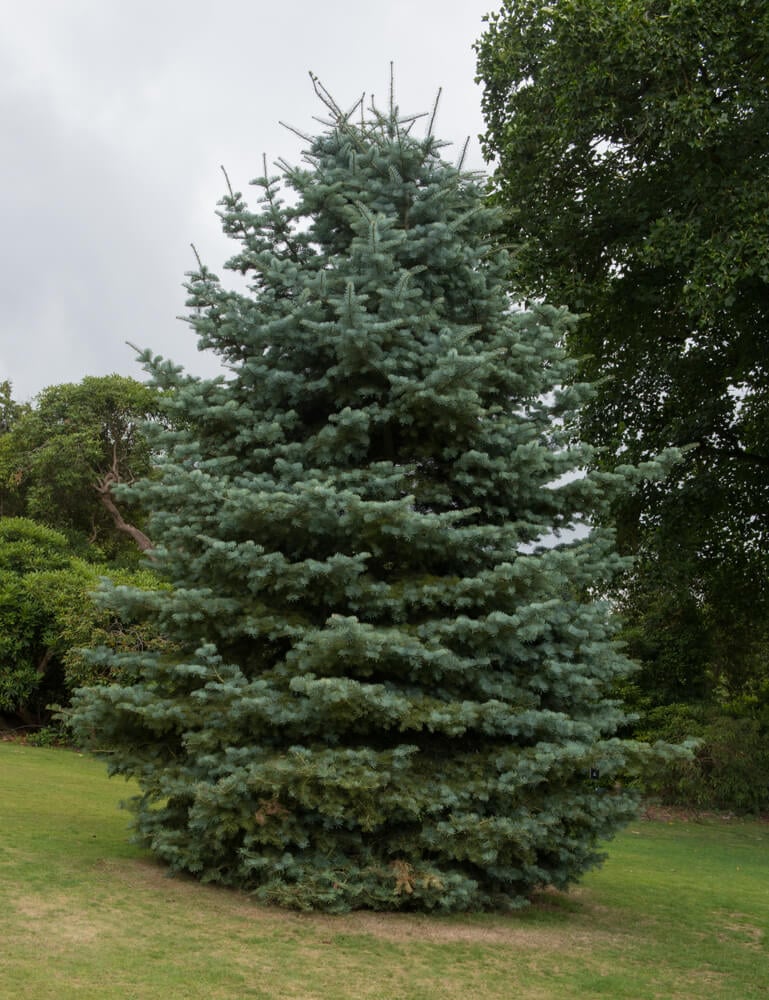
Here’s a unique one. It’s a Christmas tree that smells like citrus. The Concolor Fir, or White Fir, releases a unique orange-like fragrance when you brush against its long, curved needles. It’s unexpected and absolutely delightful. The color retention is excellent, so your tree stays looking fresh, and the shape develops naturally with minimal intervention.
- USDA Zones: 3 to 7.
- Tree Size: 30 to 50 feet tall.
- Growth Rate: Moderate (12 to 18 inches per year).
- Special Features: Unique citrus/orange fragrance, long upward-curving needles, excellent color retention, better heat and drought tolerance than most firs.
The Concolor Fir handles heat and drought better than many other firs, making it a solid choice for growers in slightly warmer or drier climates who still want that classic fir appearance.
Read More – The Ultimate Guide To Wyandotte Chickens – Fancy Feathers, Cold Hardiness, And Exceptional Eggs!
9. Colorado Blue Spruce (Picea pungens)
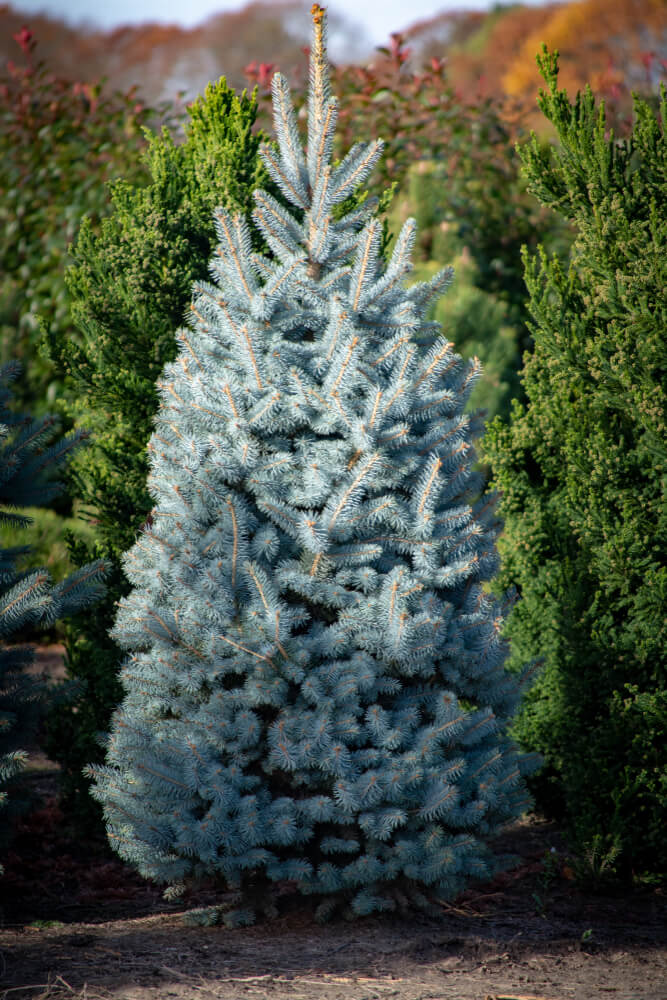
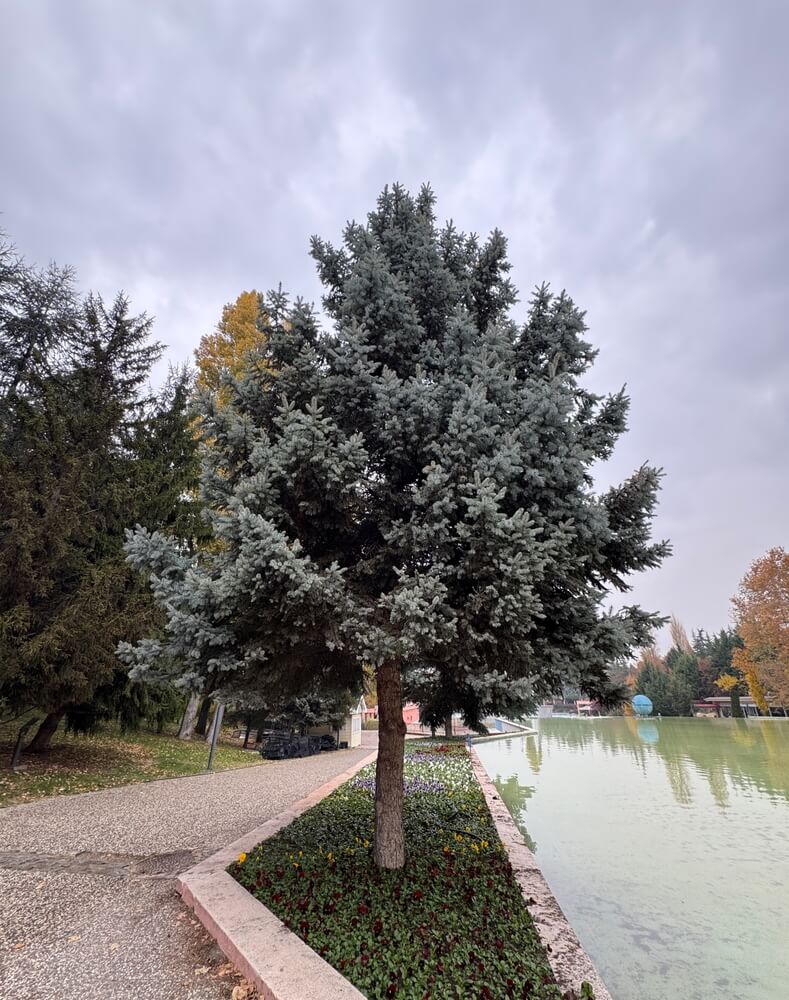
The Colorado Blue Spruce is a garden gem that makes people stop and stare. That silvery-blue color is absolutely stunning, and unlike any other Christmas tree you’ll grow. The stiff branches and needles can easily handle your heaviest ornaments, though fair warning. Those needles are genuinely sharp. Decorating can feel like a blood sport!
- USDA Zones: 3 to 7.
- Tree Size: 30 to 60 feet tall.
- Growth Rate: Slow to moderate. (12 inches per year).
- Special Features: Striking silvery-blue color. Stiff branches support heavy ornaments. Prickly needles. Extremely cold-hardy. Dramatic visual impact.
The Colorado Blue Spruce is perfect for growers who want something visually dramatic and don’t mind trading soft-and-cuddly for wow-factor. It’s also quite cold-hardy, making it ideal for northern climates.
10. Canaan Fir (Abies balsamea var. phanerolepis)
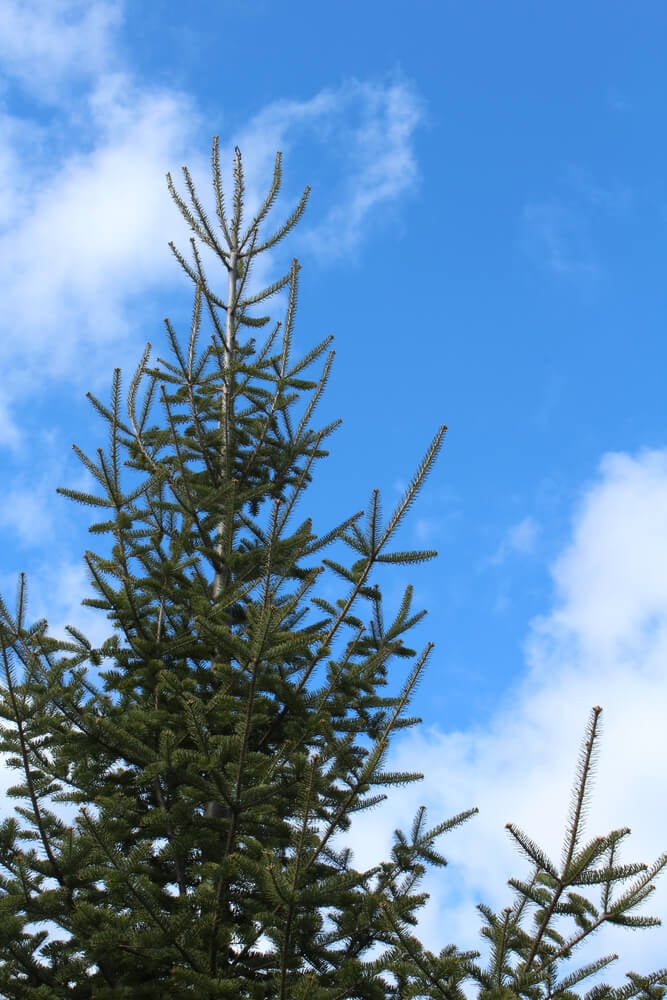
Think of the Canaan Fir as the best of both worlds. This natural hybrid combines the incredible fragrance of the Balsam Fir with the toughness and needle retention of the Fraser Fir. It’s more adaptable to varying soil conditions than the Balsam and handles warmer temperatures better, while still delivering that classic fir appearance and scent.
- USDA Zones: 3 to 6.
- Tree Size: 40 to 50 feet tall.
- Growth Rate: Moderate. (12 to 18 inches per year).
- Special Features: Strong Balsam-like fragrance, superior needle retention, better adaptability than Balsam Fir, combines the best traits of Balsam and Fraser firs.
For homesteaders who want a premium-quality tree but have less-than-perfect growing conditions, the Canaan Fir is an excellent compromise that doesn’t feel like you’re settling.
Read More – How To Grow Hedge Apple Trees (Osage Oranges) From Seeds Or Transplants!
Why Grow Your Own Christmas Tree Instead Of Buying?
Growing your own Christmas tree is more fun! There’s something magical about walking out your back door with a mug of hot cocoa and decorating a living tree that’s been growing alongside your family. There’s no more hauling a cut tree through the house, no dried needles trailing across your floor, and no sad, browning branches by New Year’s. Your tree stays vibrant and healthy because, well, it’s alive and thriving right there in your yard.
Here’s the best part. You don’t have to cut it down. For the first several years, you can decorate it outdoors and create a stunning living display. Kids absolutely love this approach. They get to watch “their” tree grow taller each year, and decorating becomes an outdoor adventure rather than an indoor chore.
Eventually, yes, your tree will outgrow this tradition. Once it hits 15 to 20 feet or more, you’ll need a cherry picker to reach the top, and at that point, it’s time to plant your next generation of Christmas trees!
The key is planning and giving your tree plenty of space from the start. Please don’t plant it three feet from your driveway or house foundation unless you enjoy the idea of a 60-foot giant looming over your property in a decade or two.
Beyond the holiday magic, these conifers provide year-round evergreen beauty, act as windbreaks, offer privacy screening, and create critical habitat for wildlife. Birds nest in their branches, small mammals shelter beneath them during harsh weather, and their seeds feed everything from chickadees to squirrels. Established conifers improve soil structure, reduce erosion, and help moderate temperatures around your property.
So really, you’re not just growing a Christmas tree. You’re investing in a long-term landscape asset that gives back in dozens of ways and happens to be the best-looking holiday decoration on the block.
Read More – The 21 Best Food Forest Crops For Homesteaders And Small Gardens!
Conclusion
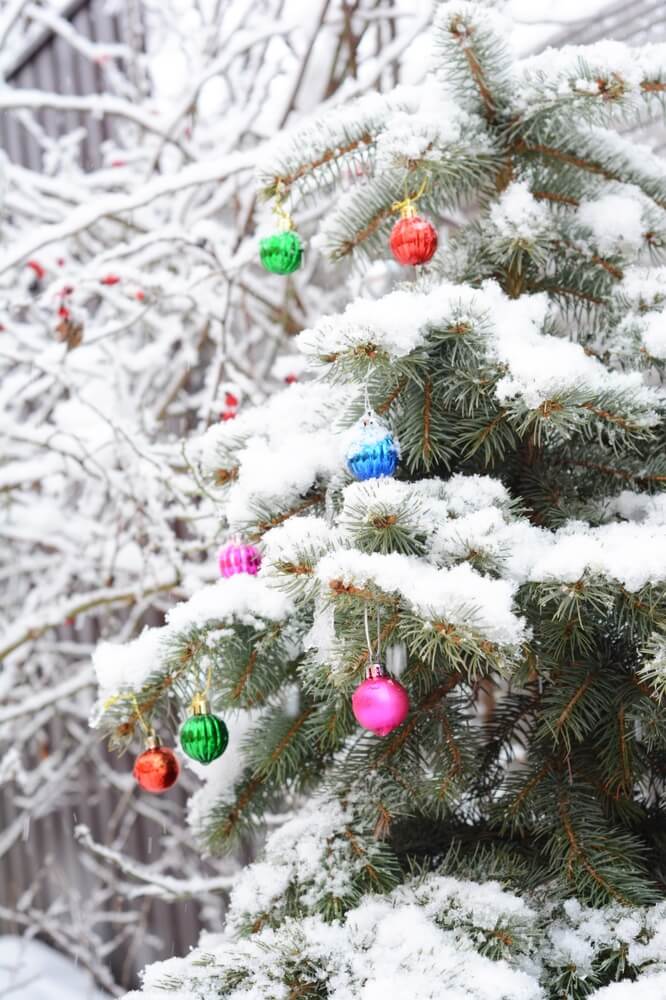
Whether you choose a fragrant Balsam or a striking Blue Spruce, growing your own backyard Christmas tree is one of those homesteading decisions that keeps giving year after year. Your kids will grow up decorating the same tree, watching it get bigger alongside them. And when it finally outgrows the tradition, well, that’s just your cue to plant the next generation.
Thanks for reading.
Have a great day!


