10 Low-Light Houseplants That Grow Even In The Darkest Days Of Winter!
Welcome! This article contains affiliate links, meaning I get a commission if you decide to make a purchase through my links, at no extra cost to you.
Winter interiors can feel downright dreary when short sun cycles, wintry weather, and dark, stormy days leave your home feeling more like a cave than a cozy retreat. That’s why we love these 10 epic houseplants that can grow nearly anywhere, even if you don’t have a glorious sunroom. In fact, some of these plants strongly dislike the sun and prefer dappled light, making them perfect companions for those shadowy corners and dim hallways that need a touch of life during the longest, darkest months of the year.
Sound fun?
Then, let’s grow some shade-loving plants. (In any room of the house!)
10 Epic Low-Light Houseplants for Winter
Honestly, there are dozens of low-light houseplants. But these 10 are our absolute favorites for low-light situations. Many of them also help clean the air.
1. ZZ Plant (Zamioculcas zamiifolia)
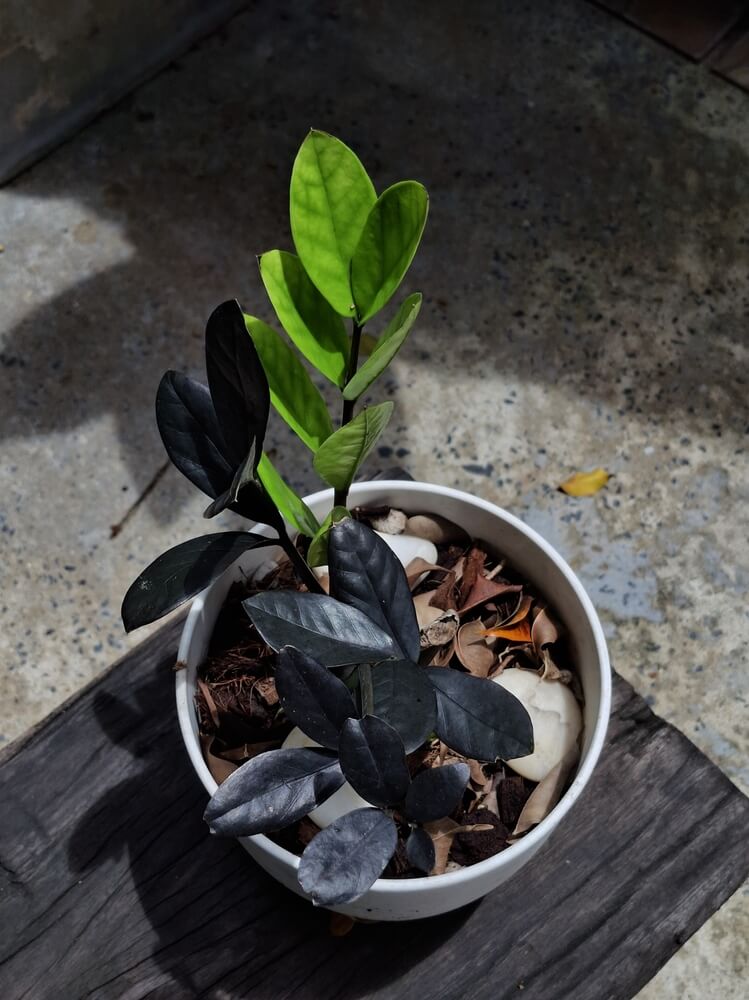
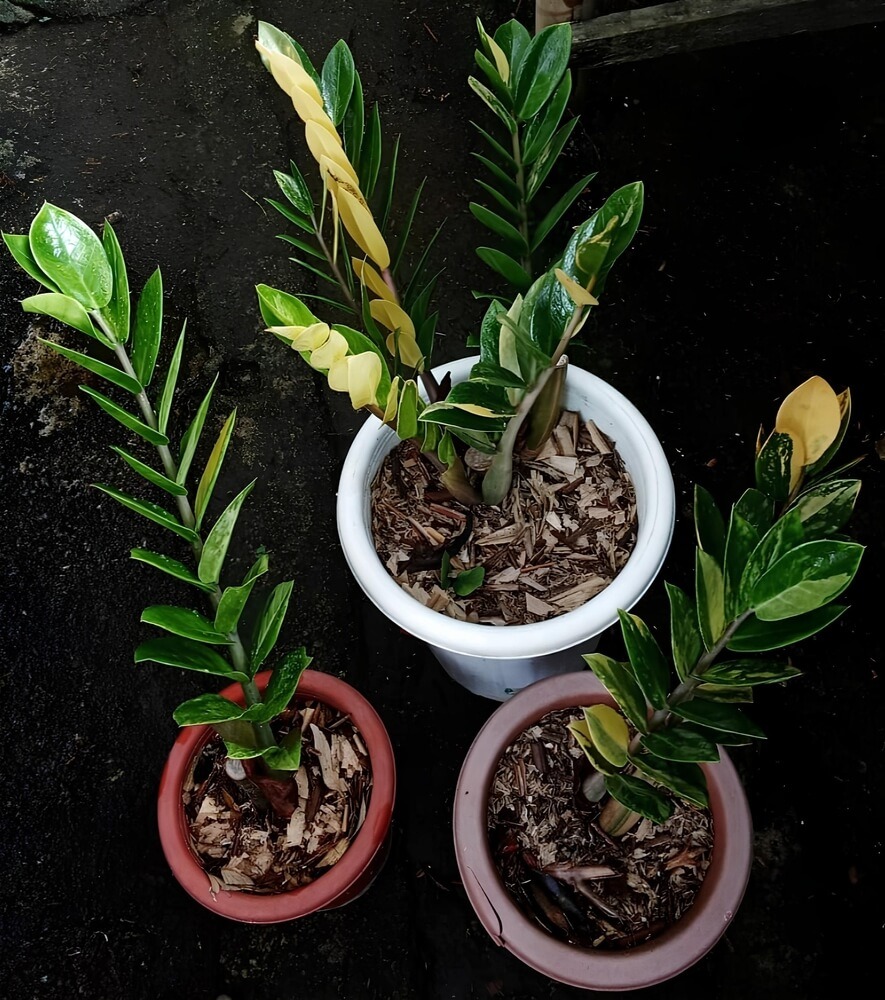
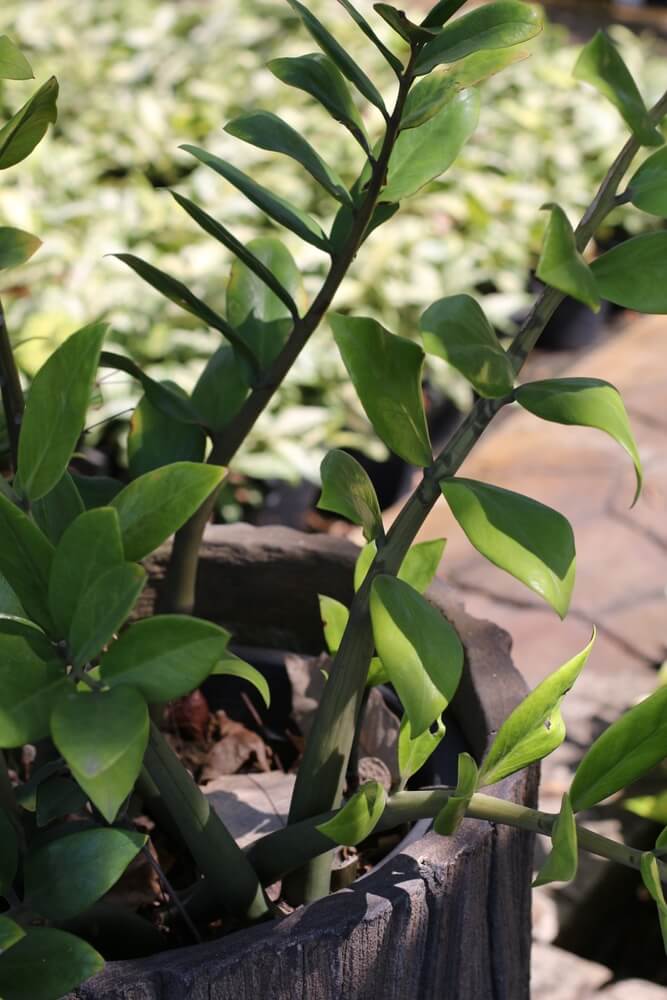
The ZZ plant is a homesteader’s dream for those darker corners where nothing else grows. ZZ plants effortlessly thrive while purifying your indoor air of toxins like xylene and toluene. It’s an African native plant, so it’s really good at storing water in its potato-like rhizomes. It’s ludicrously drought-tolerant and perfect for busy households or winter cabins where watering schedules slip.
- Plant Size: Grows slowly to 2-3 feet tall indoors, with thick rhizomes that allow it to be grown in compact pots up to 3 feet wide.
- Foliage: Very waxy. Glossy dark green leaflets on upright stems, arranged in pinnate fashion for a tropical look.
- Sunlight Needs: Thrives in very low light. Avoid direct sun to prevent leaf scorch.
The ZZ plant is one of the few houseplants that can actually grow new plants from a single leaf cutting! Propagation is (almost) foolproof.
2. Snake Plant (Sansevieria trifasciata)
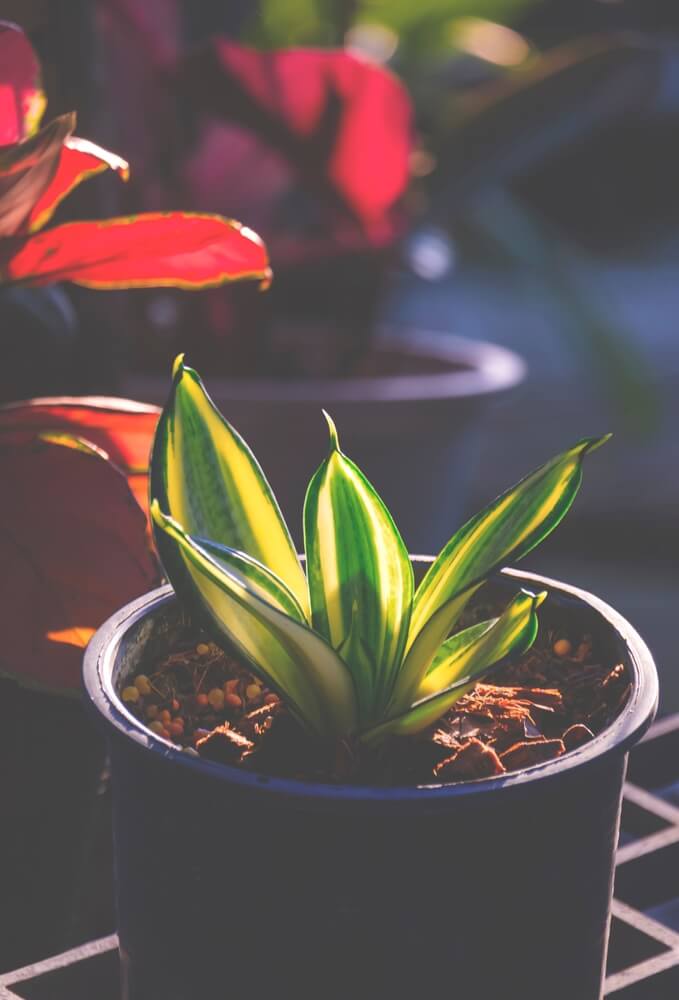
Snake plants are the ultimate set-it-and-forget-it choice for homesteaders. This healthy plant continues gas exchange at night (unlike most plants), making it ideal as a bedroom companion for better air quality while you sleep. These architectural beauties can survive months without water thanks to their succulent leaves, and they’re nearly impossible to kill even in the darkest hallway or north-facing room.
- Plant Size: Reaches 2-4 feet tall indoors, with rigid leaves forming rosettes up to 2 feet wide.
- Foliage: Long, upright sword-shaped leaves in gray-green with yellow edges, leathery texture.
- Sunlight Needs: Tolerates low-light interiors. Prefers low indirect light. But it handles deep shade better than almost any houseplant.
NASA’s Clean Air Study identified snake plants as top performers for removing formaldehyde, benzene, and other common household chemicals, essentially turning your dim corners into air-purifying stations.
Read More – 21 Microgreens To Grow Indoors For Fresh, Nutritious Food All Winter!
3. Pothos (Epipremnum aureum)
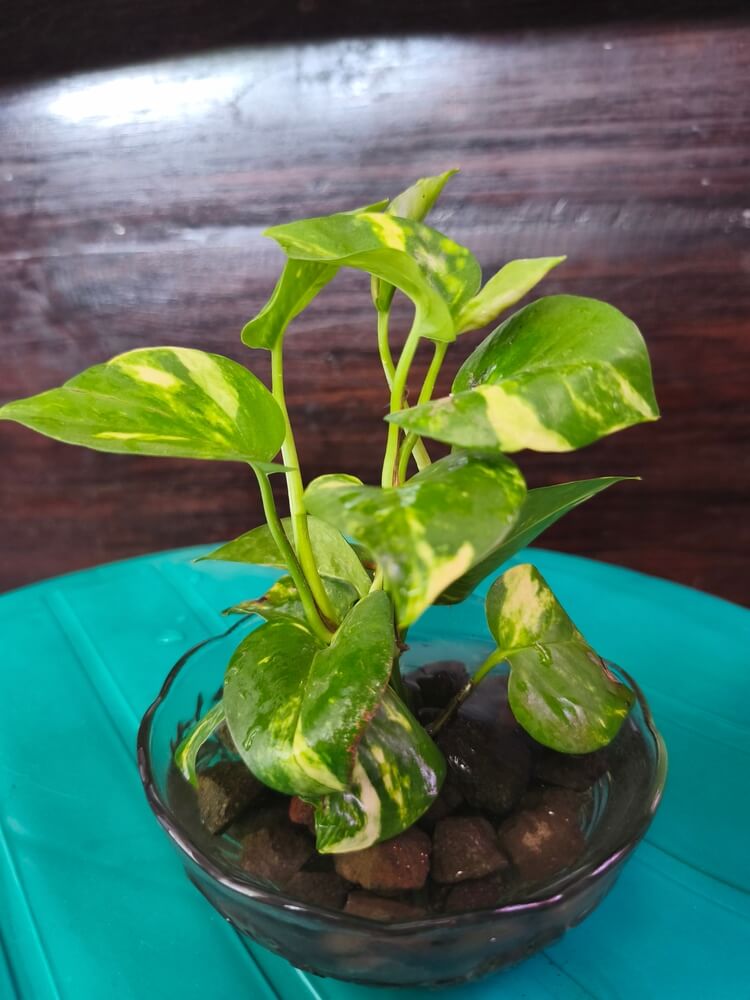
Pothos is the workhorse trailing vine that’ll cascade beautifully from shelves or climb moss poles in even the dimmest root cellar or mudroom. This Solomon Islands native grows so vigorously in low light that you can snip cuttings year-round to propagate gifts for fellow gardeners or fill additional rooms without buying new plants.
- Plant Size: Trails or climbs to 10+ feet long indoors, vining flexibly in hanging baskets or shelves.
- Foliage: Heart-shaped, variegated or solid green leaves, glossy and forgiving of dust.
- Sunlight Needs: Adapts well to low fluorescent light. Green types best in dim conditions.
Pothos leaves can grow to nearly three feet across when climbing trees in its native habitat. Though indoor specimens rarely exceed six inches. Luckily, those compact leaves are perfect for small spaces.
4. Cast Iron Plant (Aspidistra elatior)
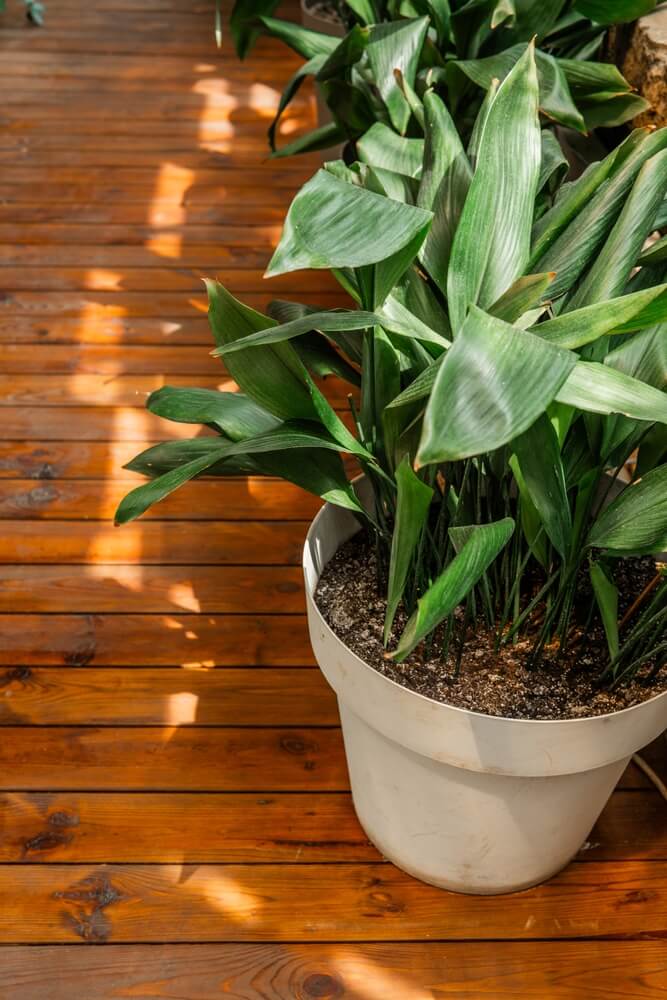
The cast iron plant can withstand the neglect, temperature swings, and dim conditions that would kill most houseplants. It’s perfect for unheated porches, drafty entryways, or forgotten corners of the farmhouse. Victorian-era gardeners prized this Japanese native for its ability to survive the sooty, gas-lit parlors of the 1800s. And modern homesteaders love it for the same bulletproof reliability.
- Plant Size: Grows roughly 2 to 3 feet tall and wide.
- Foliage: Long, arching, dark green lance-shaped leaves. Tough and strap-like.
- Sunlight Needs: Excels with very low light. Named for shade and neglect tolerance.
This slow-grower actually benefits from being left alone. That means less maintenance and more time for outdoor chores.
Read More – 21 Best Perennial Plants For Winter Garden Interest That Lasts All Season Long!
5. Chinese Evergreen (Aglaonema)
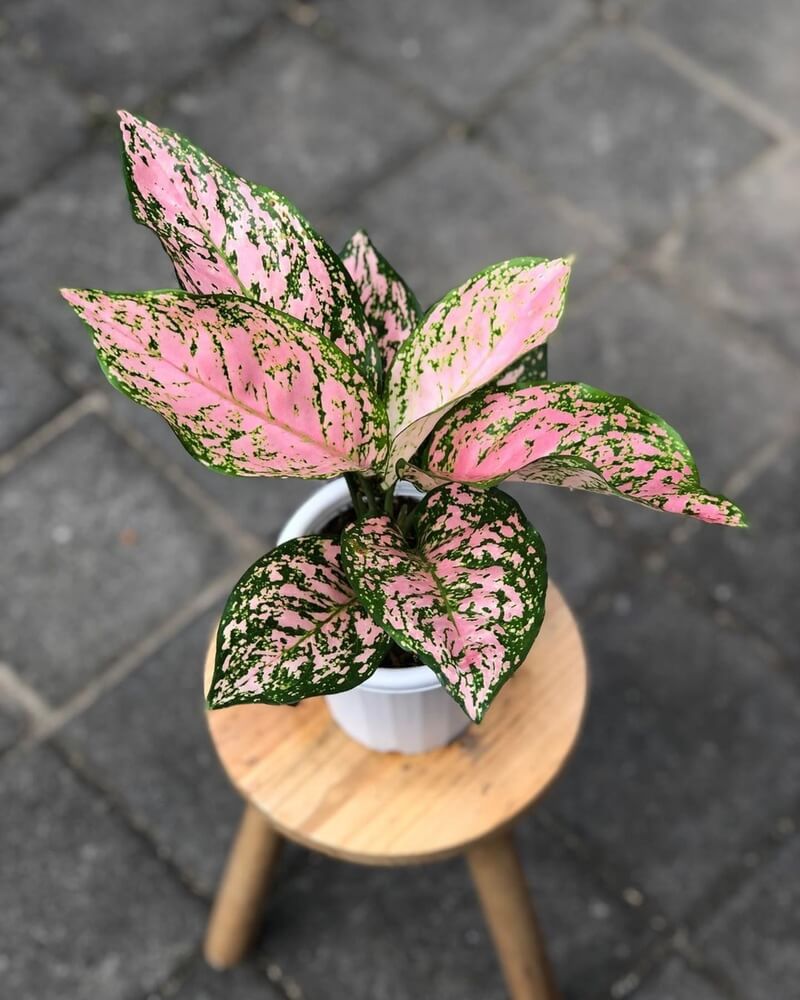
Chinese evergreens bring color to shadowy spaces. It’s easy to fall in love with their gorgeously silver, pink, or red-splashed foliage. All while quietly filtering out ammonia and formaldehyde (common culprits in cleaning products and off-gassing furniture). These tropical understory plants from Southeast Asian rainforests are so adaptable to low light that they’ve become staples in windowless offices. And they’ll reward homesteaders with the same resilience in basements or interior bathrooms.
- Plant Size: Compact 1-3 feet tall indoors, bushy with multiple stems filling pots.
- Foliage: Oval leaves in silver, pink, or green patterns, elliptic and pointed.
- Sunlight Needs: Handles very little artificial light. Variegation fades gracefully in shade.
Chinese evergreens are considered symbols of good fortune in feng shui. Their slow, steady growth means they’ll maintain a tidy appearance for years without the leggy stretching that plagues other low-light plants.
6. Peace Lily (Spathiphyllum)
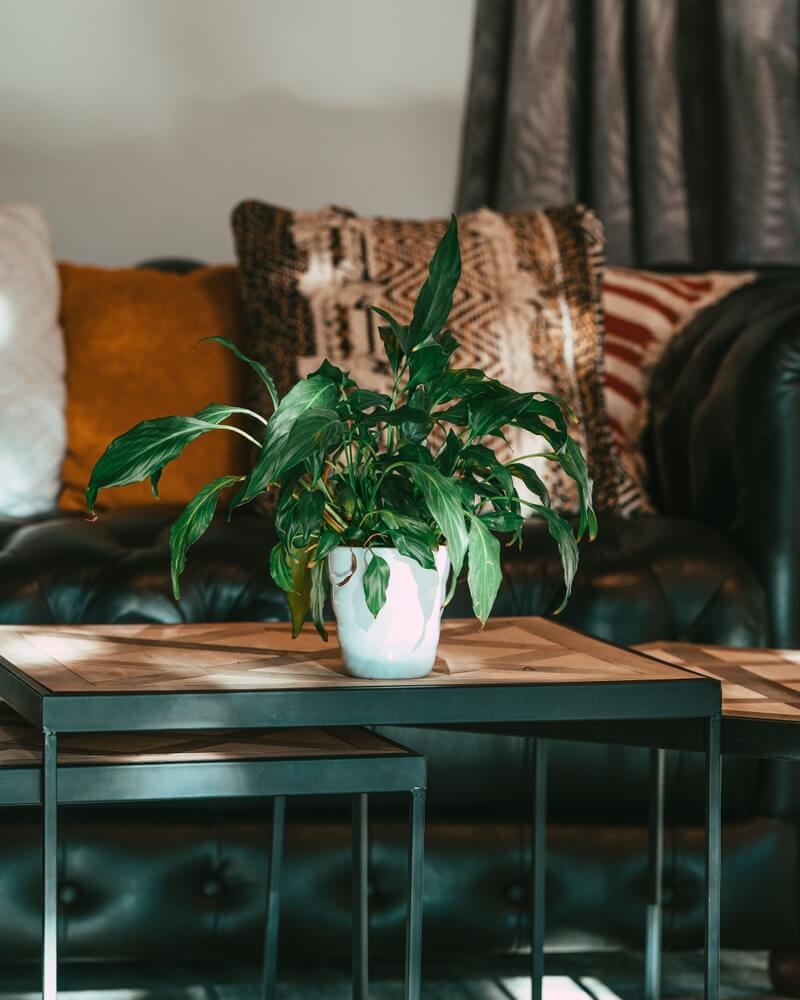
Peace lilies are exceptional communicators. They dramatically droop their leaves when thirsty. Then, they perk up within hours of watering. So, they’re easy to read and are foolproof for beginners. Beyond their elegant white blooms that appear even in low light, these tropical beauties rank among the best natural air purifiers! Peace lilies also remove benzene, ammonia, and formaldehyde from the air. (It’s almost like having an organic air filter running 24/7.)
- Plant Size: Reaches 1-4 feet tall indoors, clumping with spreading rhizomes.
- Foliage: Lance-shaped glossy green leaves, drooping elegantly when thirsty.
- Sunlight Needs: Survives in very low light. Blooms best with brighter indirect light.
Peace lilies can also grow without traditional soil; folks grow them in pebbles and water. They’re perfect for households with curious pets who might dig in soil.
Read More – 21 Magnificent Winter Birds To Look For In Your Backyard This Season!
7. Parlor Palm (Chamaedorea elegans)
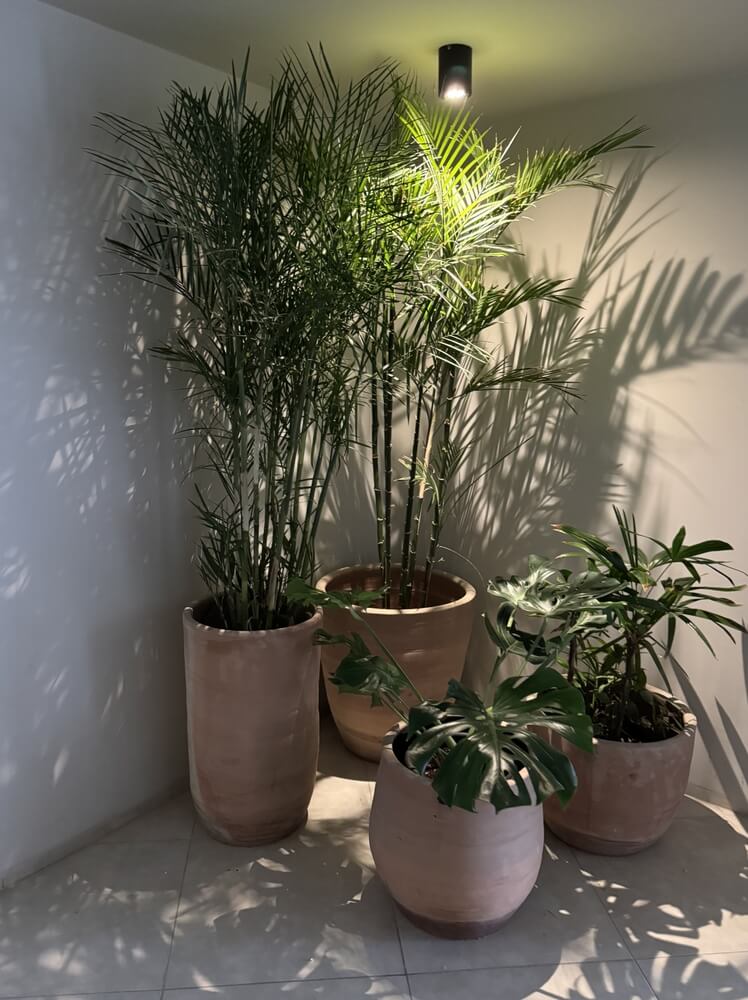
The parlor palm brings tropical flair to your darkest indoor space, whether an office or a bedroom. They’re also perfect if you’re battling wood stove dryness or forced-air heating. This Mexican and Guatemalan native was a Victorian-era favorite specifically because it tolerated the dim, coal-heated parlors of the 1800s. It remains one of the few palms that genuinely thrives indoors without bright light.
- Plant Size: Grows very slowly. It can easily reach 2 to 4 feet tall indoors, with a trunk diameter of 6 to 12 inches.
- Foliage: Glossy, dark green, feathery fronds that emerge in symmetrical whorls from the central trunk.
- Sunlight Needs: Tolerates low to medium light. Prefers bright, indirect light. But avoid direct sun.
Parlor palms can live for decades! And, occasionally, they produce small yellow flowers when growing indoors. However, the most significant benefit is the foliage’s graceful, fountain-like form.
8. Philodendron (Philodendron spp.)
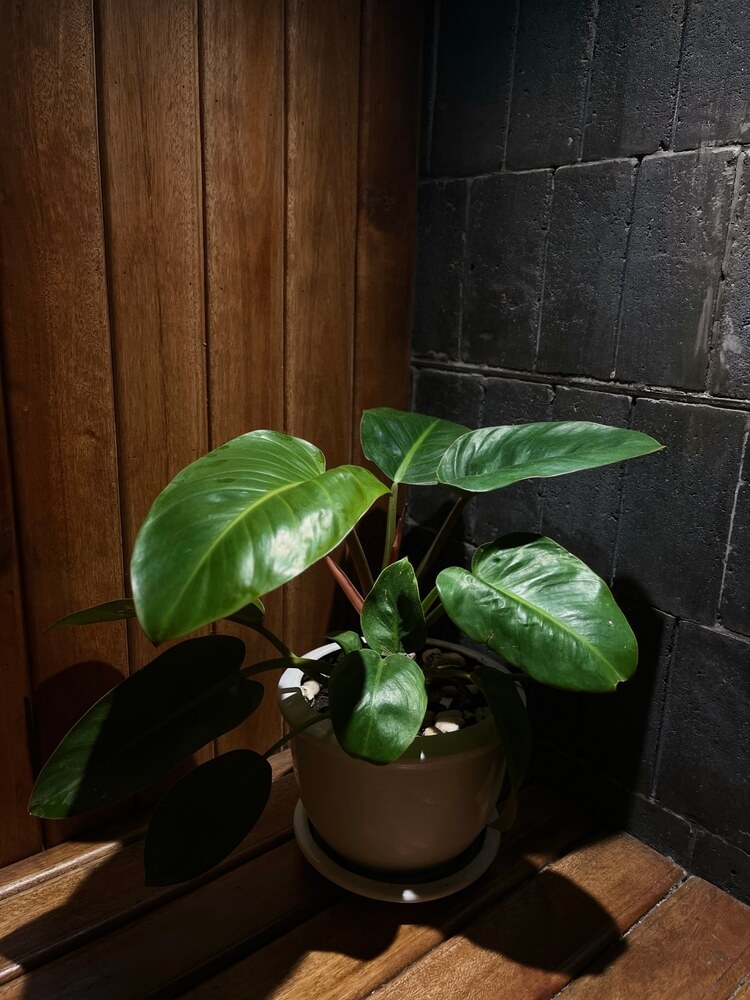
Philodendrons are the reliable backbone of any low-light plant collection. You can find cultivars of either climbing or self-heading varieties. And they can adapt to everything from dark hallways to fluorescent-lit workshops while filtering airborne toxins. These Central and South American natives grow so enthusiastically in shade that commercial greenhouses often use them as “shade indicators.” If a philodendron won’t grow somewhere, nothing will.
- Plant Size: Vines to 10 feet or self-heads to 5 feet tall, versatile in form and scale.
- Foliage: Heart or arrow-shaped leaves, glossy green or variegated, with ruffled edges.
- Sunlight Needs: It can handle low-light interiors. But watch for leggy growth! It indicates they need a slight light boost.
Homesteaders love philodendrons for their versatility. Train heartleaf types up trellises for vertical gardening in tight spaces. Or let them trail from rafters for living curtains that naturally divide rooms while improving air quality.
Read More – The Ultimate Guide To Growing Winterberry From Seed, Cuttings, Or Transplants!
9. Dracaena (Dracaena spp.)
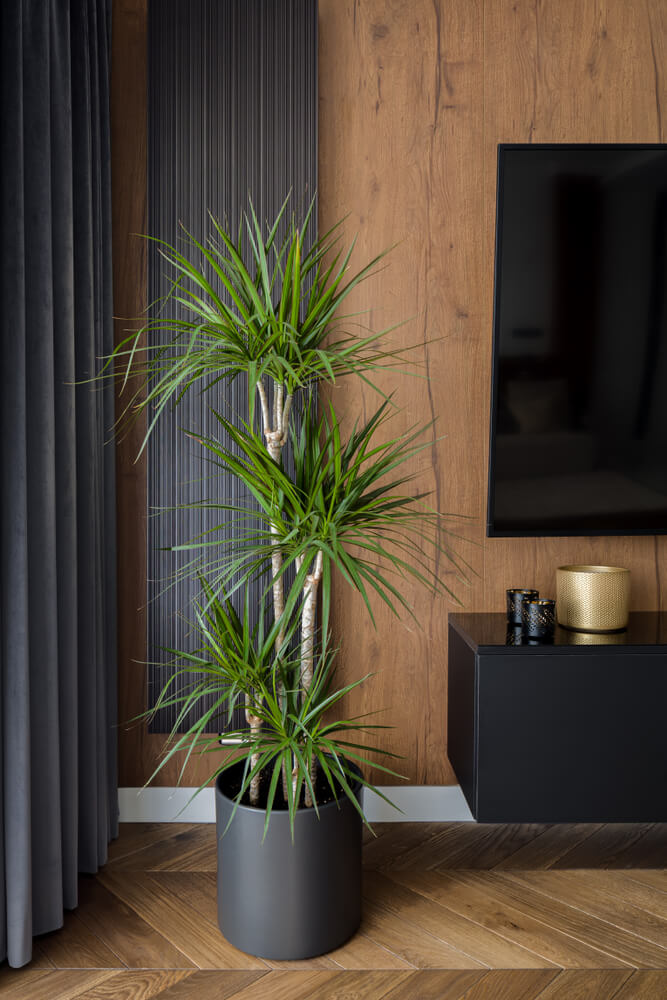
Dracaenas are lovely plants that reach impressive heights even when grown with low light and in pots. They’re perfect for filling empty corners or flanking doorways during winter. These Madagascar natives are also champion air purifiers. They remove benzene, formaldehyde, trichloroethylene, and xylene from the air.
- Plant Size: Dracaena canes grow 6 to 10 feet indoors, topped with leafy rosettes that slim upward.
- Foliage: Strappy, arching leaves in green, red, or striped patterns. Woody stems.
- Sunlight Needs: Thrives in low-light rooms. Avoid direct sunlight for the best form.
Dracaenas are very sensitive to fluoride in tap water. (It causes brown leaf tips.) So, they’re excellent indicators of water quality. They thrive beautifully on collected rainwater, making them ideal for off-grid or eco-conscious households.
10. Lucky Bamboo (Dracaena sanderiana)
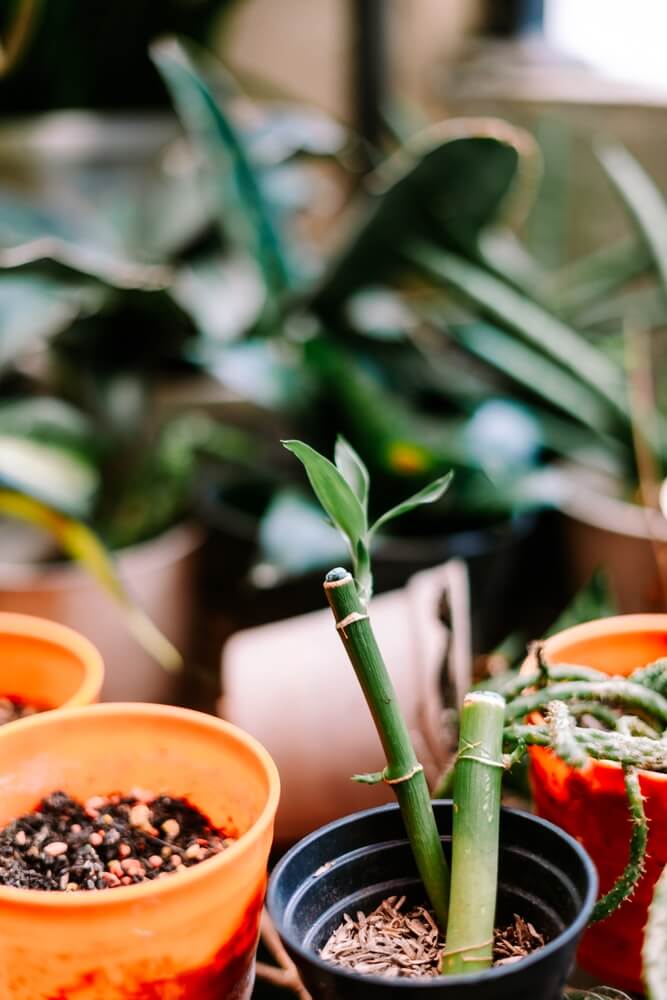
Lucky bamboo isn’t actually bamboo at all. Instead, it’s a resilient dracaena that grows happily in plain water with pebbles. It’s the ultimate no-soil option for homesteaders wanting greenery in unconventional spots like kitchens, bathrooms, or canning areas. This Central African native symbolizes good fortune and prosperity in feng shui traditions. Different stalk numbers are traditionally associated with various blessings. Three for happiness, five for wealth, and six for health.
- Plant Size: Grows 1 to 5 feet tall in stalks. They’re often braided or twisted for decor.
- Foliage: Slender green leaves atop cane-like stems, sparse and grass-like.
- Sunlight Needs: Tolerates very low light in water or soil. Prefers indirect low light.
The real luck for gardeners is its incredible adaptability. Lucky bamboo tolerates low light, irregular watering (when grown in soil), and a wide range of temperatures. Plus, you can easily shape and braid the stalks for custom living sculptures that add personality to any homestead.
Read More – The 5-Step Hydrangea Pruning Protocol For Perfect Blooms Every Time!
Conclusion
You don’t need an elegant south-facing window or a greenhouse to keep your homestead green and thriving all winter long. So grab your watering can. Pick your favorites. And transform those gloomy winter spaces into lush indoor sanctuaries that’ll carry you through until spring returns.
Thanks for reading.
Have a great day!