
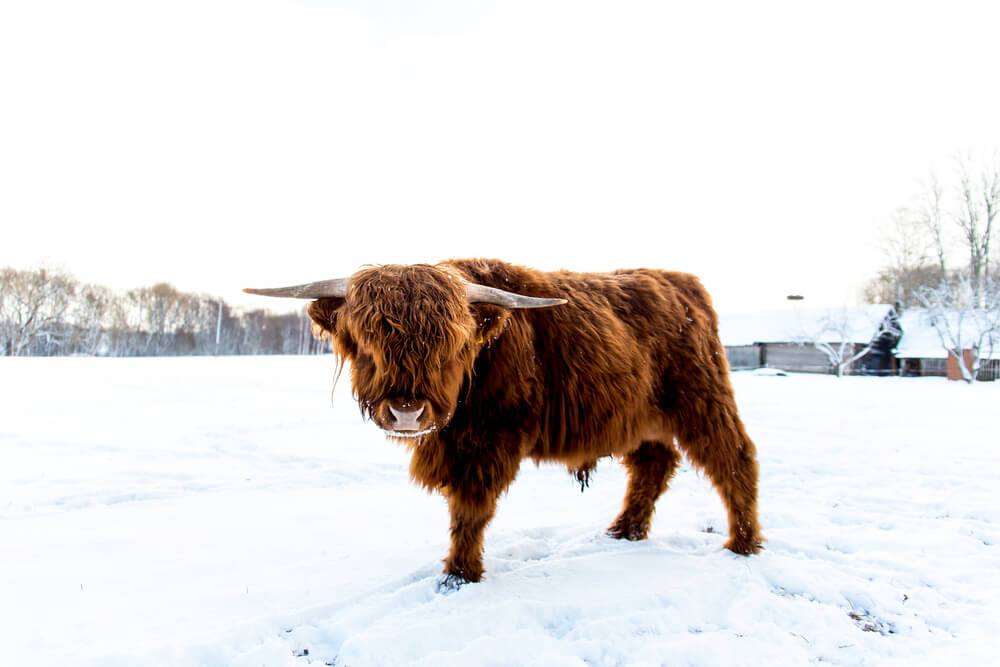
10 Cold-Hardy Cattle Breeds That Laugh at Winter (9 Cows. And A Yak!)
Welcome! This article contains affiliate links, meaning I get a commission if you decide to make a purchase through my links, at no extra cost to you.
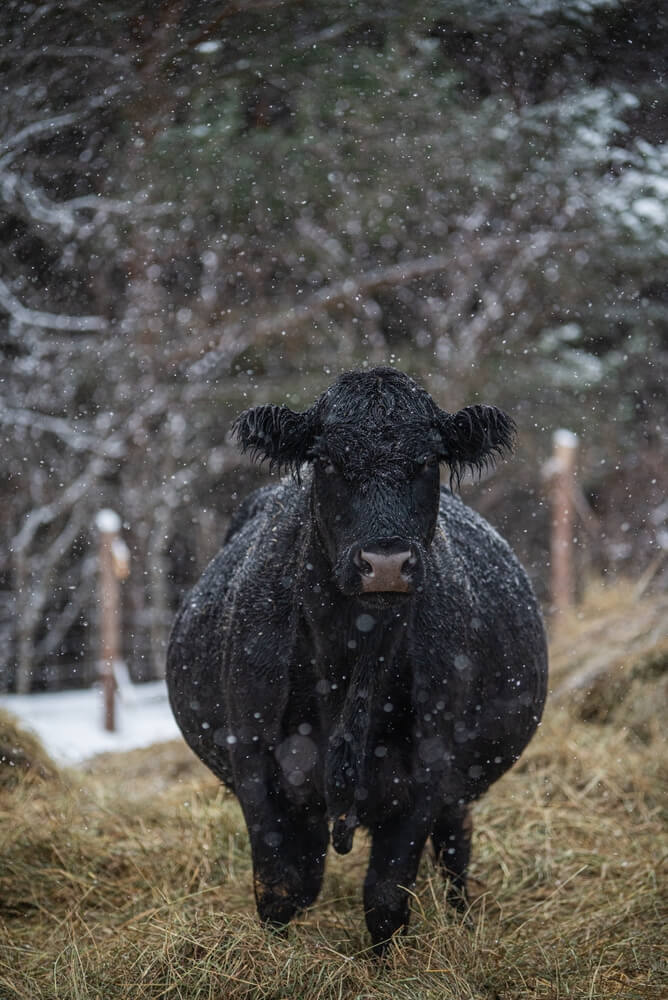
This winter has been fierce across the USA. In fact, snow is hammering my backyard as I write this now. Record-breaking cold snaps, relentless snowstorms, and bone-chilling temperatures have turned routine livestock care into a daily survival challenge. But here’s the good news. Not all cattle treat winter like a crisis. We’ve rounded up 10 of the toughest, most cold-hardy breeds that don’t just survive harsh weather. They actually thrive in it. These are the cattle that laugh at blizzards and turn your frozen pasture into productive grazing ground.
Sound intriguing?
Then let’s review the top 10 cold-hardy cattle breeds. (Including a yak!)
10 Winter-Hardy Cattle Breeds That Are Born For The Blizzard!
Most cattle breeds treat snow as a crisis. These 10 breeds treat it as their natural element.
1. Scottish Highland
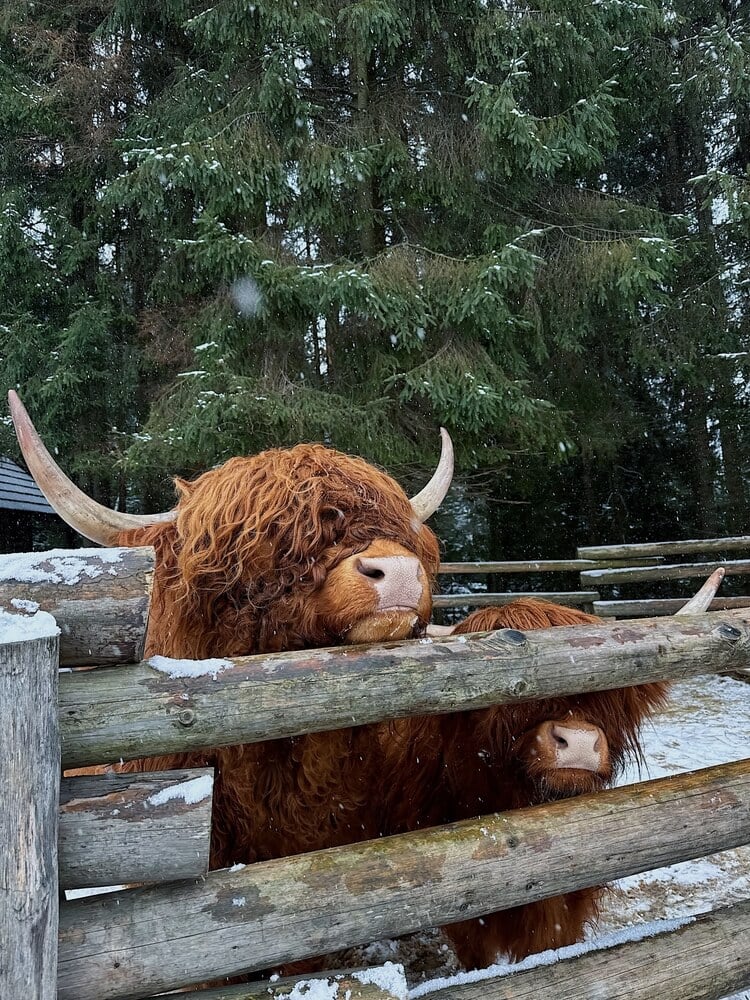
These shaggy giants are basically wearing a winter parka 24/7. They’ve got a double coat with long, coarse hair on the outside that sheds snow like a tin roof. It’s also got a soft, downy undercoat that traps heat like insulation. The wild part? They stay warm without packing on tons of fat, which means their beef is naturally leaner and has this rich, marbled quality that high-end restaurants love.
- Full-Grown Size: Bulls reach 1,800 pounds. Cows are around 1,100 pounds.
- Homestead Uses: Premium beef and land clearing. They’re also docile enough for beginner handlers.
- Cattle Super Power: Their double coat lets them stay warm without excess fat. They naturally produce leaner, more flavorful beef.
Scottish Highland cows are also laid back and surprisingly easy to handle. (Yes. Even with those intimidating horns!)
2. Belted Galloway (“Oreo Cows”)
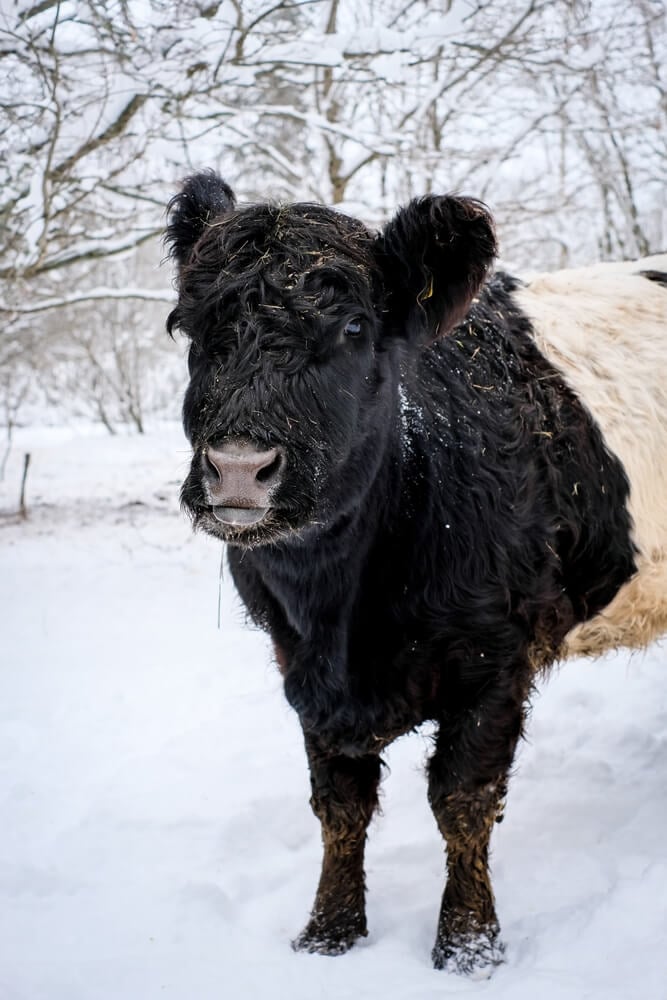
You’ll recognize these guys instantly. They look like they’re wearing a white belt over a black coat. That coat is double-layered just like the Highlands. But Belted Galloways take winter survival to a whole new level. Other, more docile cows will stand around waiting for you to bring hay. But these resourceful animals will literally dig through the snow with their hooves to find the frozen grass beneath. They’re absolute foraging experts.
- Full-Grown Size: Bulls average 1,700 pounds. Cows weigh around 1,200 pounds.
- Homestead Uses: Beef production, brush control, and they excel on marginal pasture.
- Cattle Super Power: They paw through snow to uncover grass and dramatically reduce your winter hay bill.
Belted Galloways are the ultimate foragers! They can save you a fortune in winter feed.
Read More – 10 Things All Homesteaders Need To Know Before Raising Cows, Bulls, Or Cattle!
3. Icelandic Cattle
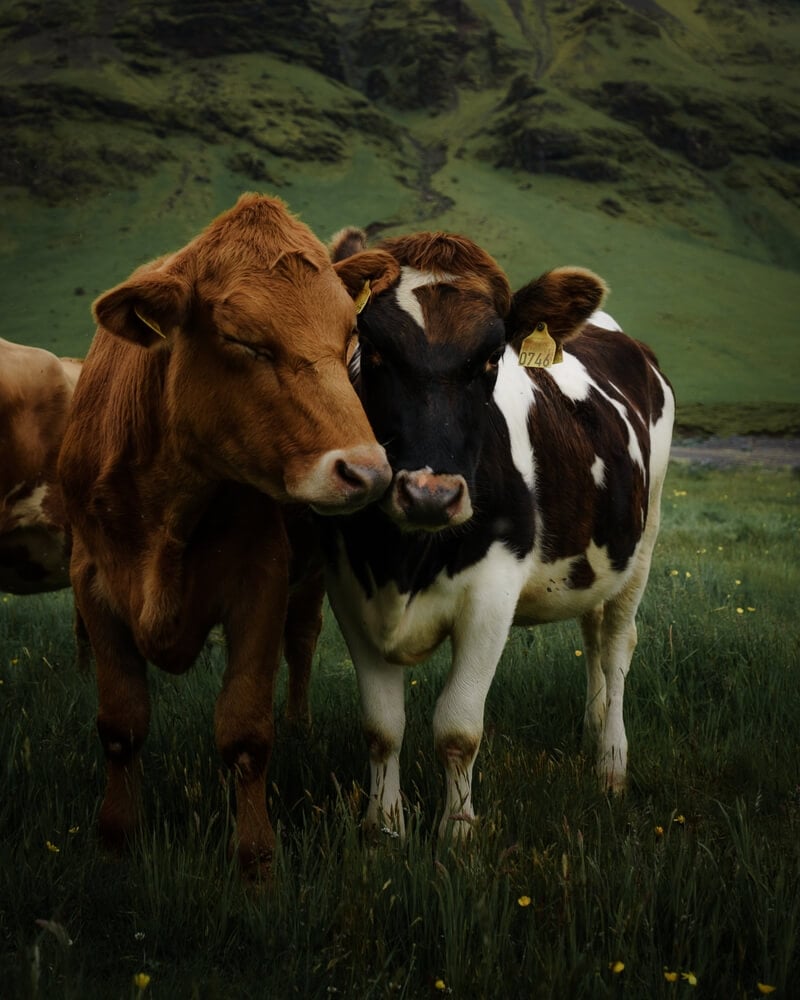
These are the OGs of cold-weather cattle. Literally one of the oldest breeds on the planet. They evolved in Iceland’s brutal sub-arctic conditions! So, winter is just typical for them. What’s cool is how efficient they are. You can feed them mediocre hay. They’ll still produce rich, high-protein milk all winter long.
- Full-Grown Size: Bulls weigh 1,100 pounds. Cows are around 700 to 900 pounds.
- Homestead Uses: Dual-purpose for milk and beef. Ideal for small-scale dairy operations.
- Cattle Super Power: They convert low-quality winter hay into high-protein milk with incredible efficiency.
Icelandic Cattle are smaller than most breeds. They’re ideal for homesteads with limited space and resources.
4. Yak (The Ultimate Ice-Cold Alternative)
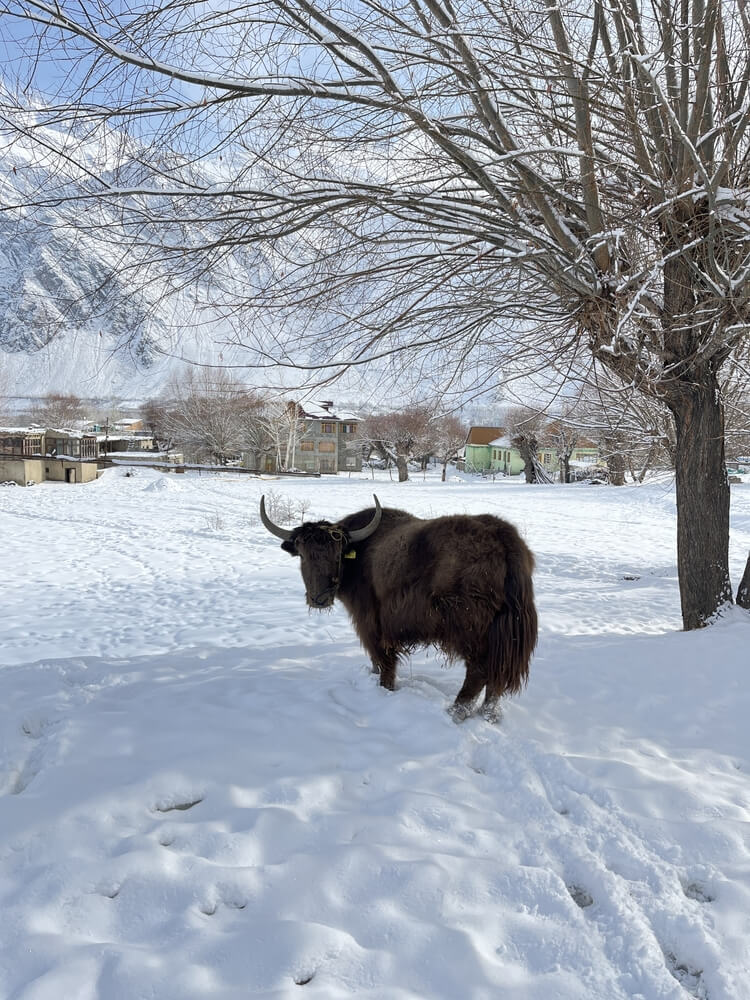
Okay, technically, yaks aren’t cattle. They’re a different species. But if you’re in an icy region (think Montana mountains or high-altitude terrain), yaks are worth considering. These animals thrive in conditions that would literally kill a regular cow. Their undercoat is so soft it rivals cashmere, and you can harvest it for fiber. Plus, yak meat is lean, flavorful, and increasingly popular.
- Full-Grown Size: Bulls reach 1,200 pounds. Cows are around 600 to 800 pounds.
- Homestead Uses: Meat, fiber harvesting, pack animals, and milk.
- Cattle Super Power: They thrive at high altitudes and extreme cold that would kill standard cattle.
Yaks are quirky, tough, and fun to have around.
Read More – 13 Best Cow Breeds For Small Farms, Ranches, Yards, And Homesteads!
5. Hereford
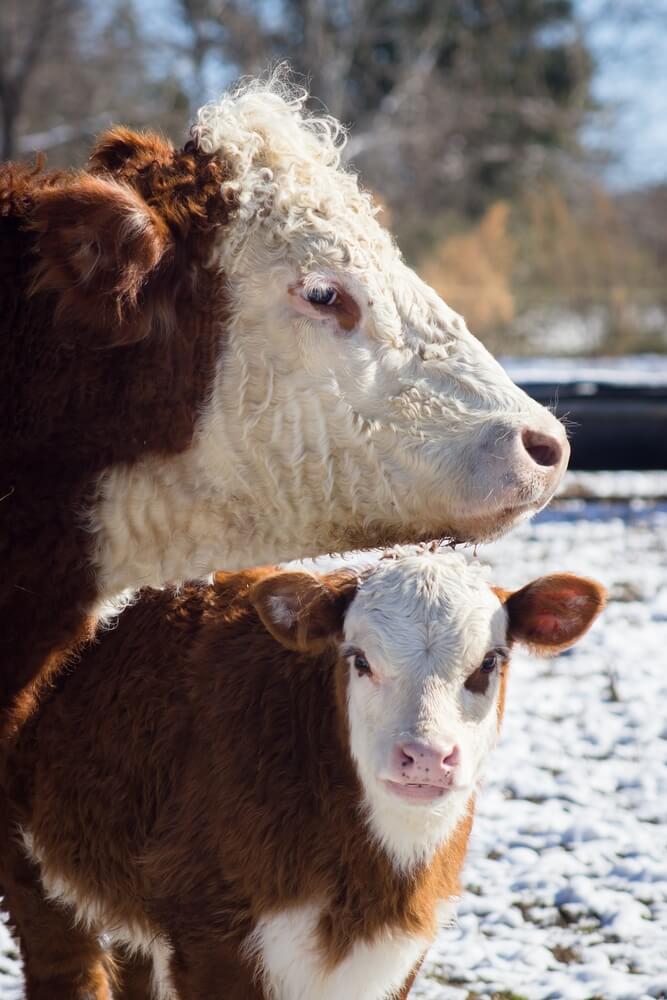
Herefords are the “easy keepers” of the winter cattle world. They have thick hides and a calm, steady temperament, so they’re beginner-friendly. But what really sets them apart in winter is their ability to pack on weight fast in the fall. That extra fat becomes a built-in heating system when temps drop.
- Full-Grown Size: Bulls weigh 1,800 to 2,200 pounds. Cows are around 1,200 to 1,400 pounds.
- Homestead Uses: Beef production. They’re excellent mothers. Also great for crossbreeding programs.
- Cattle Super Power: They rapidly “flesh out” in fall and build a fat reserve that acts as a natural heater all winter.
You’ll spend less on supplemental feed. And Herefords will come out of winter in great shape.
6. Black Angus
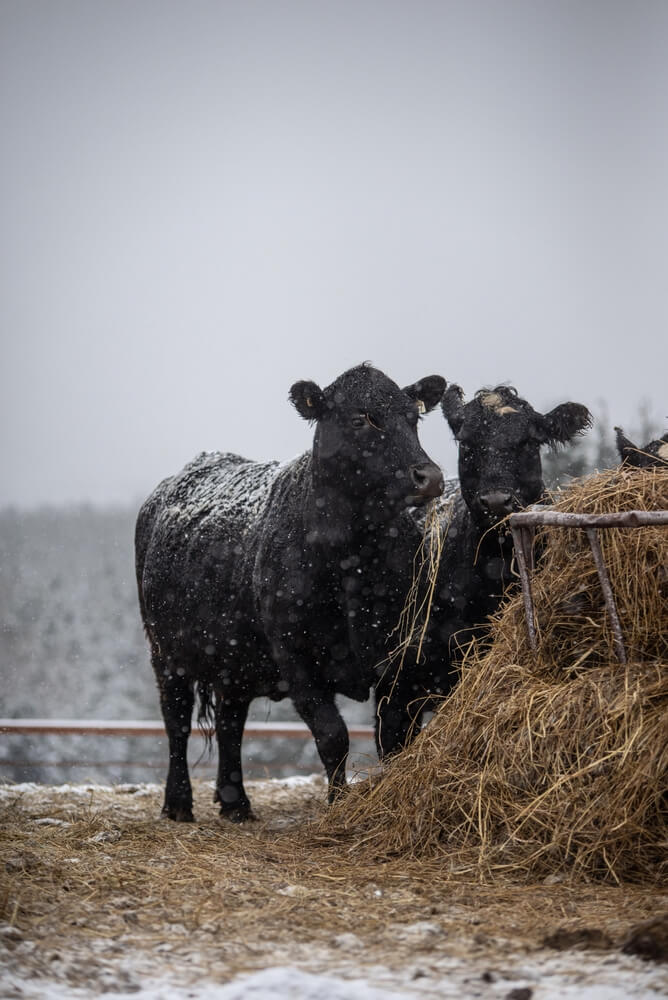
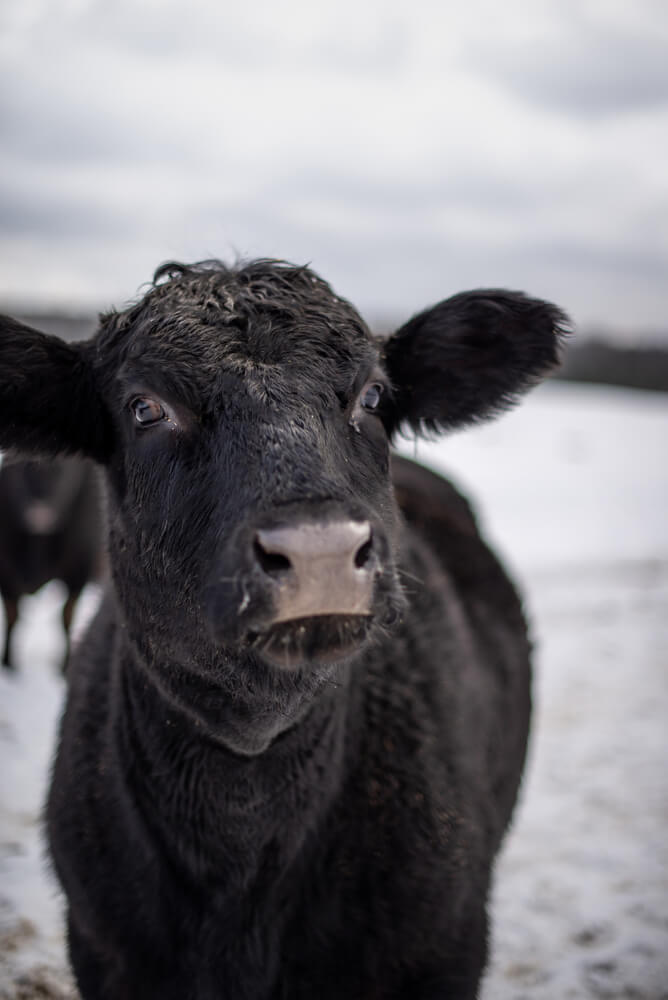
Angus is everywhere for a reason. They work hard! They’re genetically wired to handle harsh winters, as they hail from the cold, windswept hills of Scotland. Their black coats absorb solar heat on sunny days. And they adapt quickly to temperature swings.
- Full-Grown Size: Bulls reach 1,800 to 2,200 pounds. Cows are around 1,200 to 1,400 pounds.
- Homestead Uses: Premium beef production with excellent marbling and consistent quality.
- Cattle Super Power: Their black coats absorb solar heat. And they’re genetically adapted to extreme temperature swings.
If you’re raising beef commercially, Black Angus is the safe bet. The breed is predictable, hardy, and its meat consistently grades well.
Read More – Can Any Cow Be A Dairy Cow? What About Beef Cattle Breeds?
7. Simmental
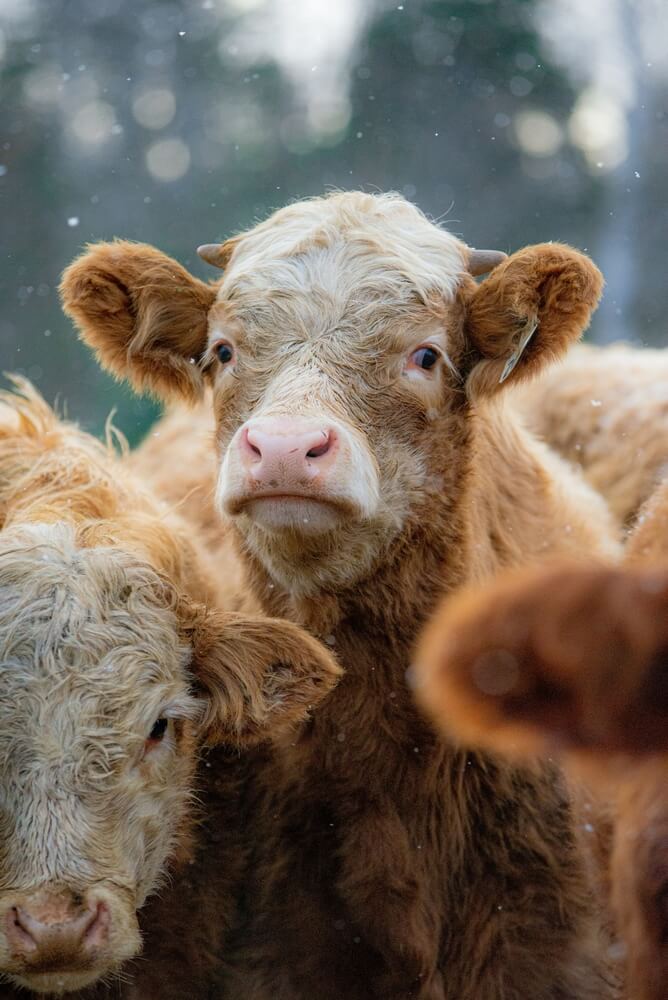
These big Swiss beauties were bred in the Alps. So cold weather is in their DNA. Simmentals are also massive, muscular animals. And all that muscle mass generates a lot of body heat. It’s like having a furnace built into each cow. They were originally triple-purpose (meat, milk, and draft work). So they’re surprisingly versatile if you want more than just beef.
- Full-Grown Size: Bulls weigh 2,300 to 2,500 pounds. Cows are around 1,500 to 1,800 pounds.
- Homestead Uses: Beef, milk, and historically used for draft work. True multi-purpose animals.
- Cattle Super Power: Their massive muscle mass generates metabolic heat like a built-in furnace.
Just know Simmentals eat a lot because of their size.
8. Brown Swiss
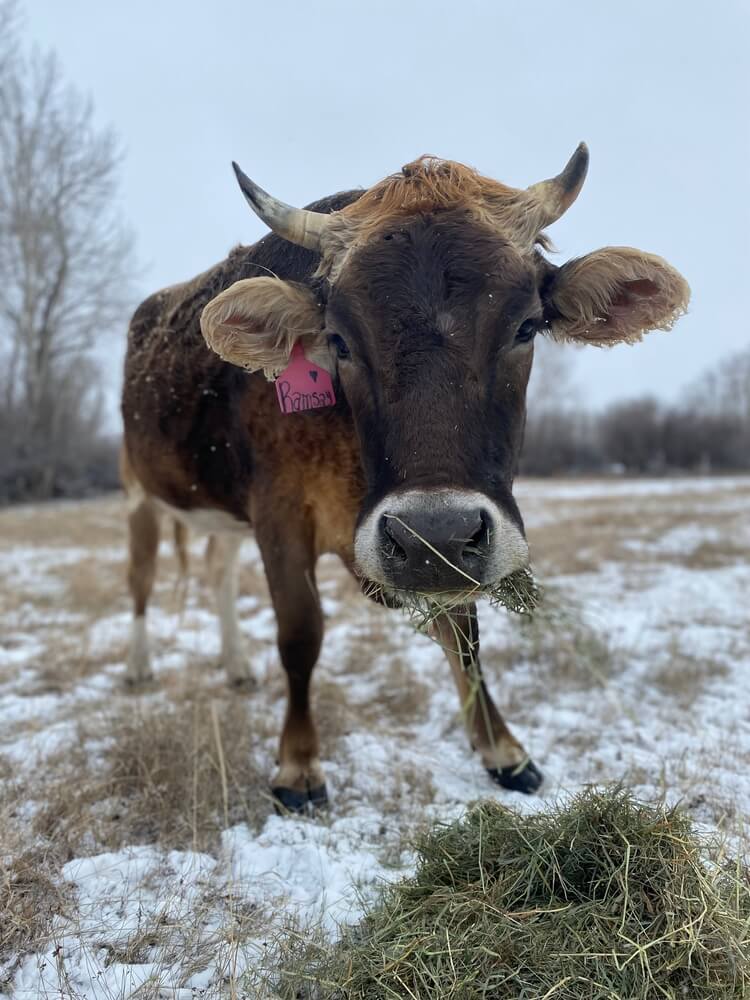
If you want milk year-round, Brown Swiss are hard to beat. They’re known as the “cheesemaker’s cow” because their milk is perfect for cheese. High in protein and butterfat. But they’re also adamant. Their hooves and legs are rock-solid, which matters when your pasture turns into an ice rink.
- Full-Grown Size: Bulls weigh 2,000 to 2,200 pounds. Cows are around 1,400 to 1,500 pounds.
- Homestead Uses: Exceptional milk for cheesemaking, secondary beef production.
- Cattle Super Power: Superior hoof and leg strength on icy terrain. Plus, extreme cold tolerance for a dairy breed.
Brown Swiss handle temperature swings better than most dairy breeds and stay productive even when conditions get rough.
Read More – Here’s How Much Freezer Space You Need for Half a Cow
9. Dexter
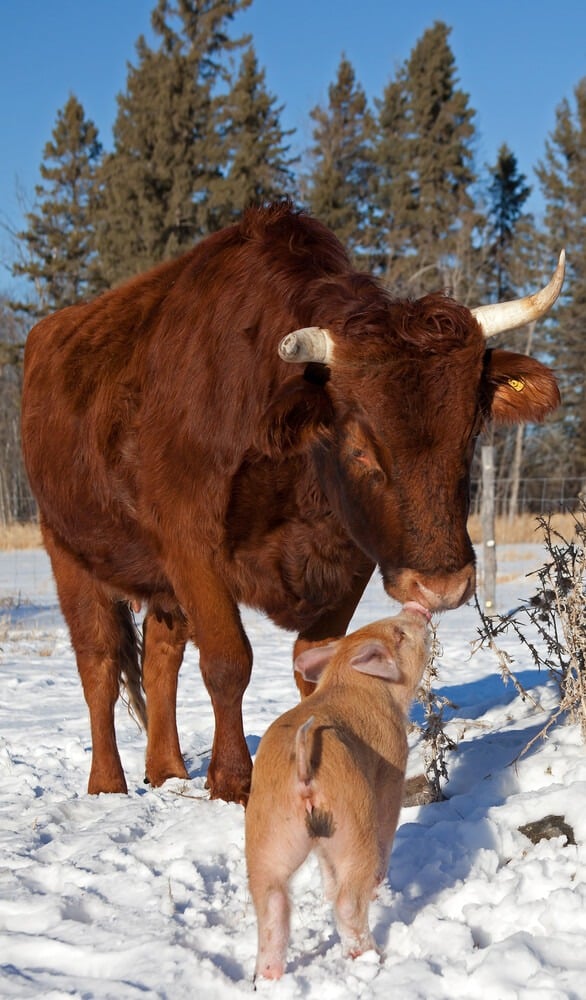
Dexters are scrappy little underdogs of the winter farmyard. They’re compact (about half the size of a standard cow), which means they need way less feed. Perfect for small homesteads or folks just getting started. Despite their size, they’re incredibly hardy and can handle rocky, hilly terrain and rough weather without complaint.
- Full-Grown Size: Bulls weigh 750 to 1,000 pounds. Cows are around 600 to 750 pounds.
- Homestead Uses: Dual-purpose for milk and beef. Perfect for small acreages.
- Cattle Super Power: Their small size means minimal heat loss and dramatically lower feed costs.
Think of Dexters as the ultimate backyard homestead cow.
10. Welsh Black
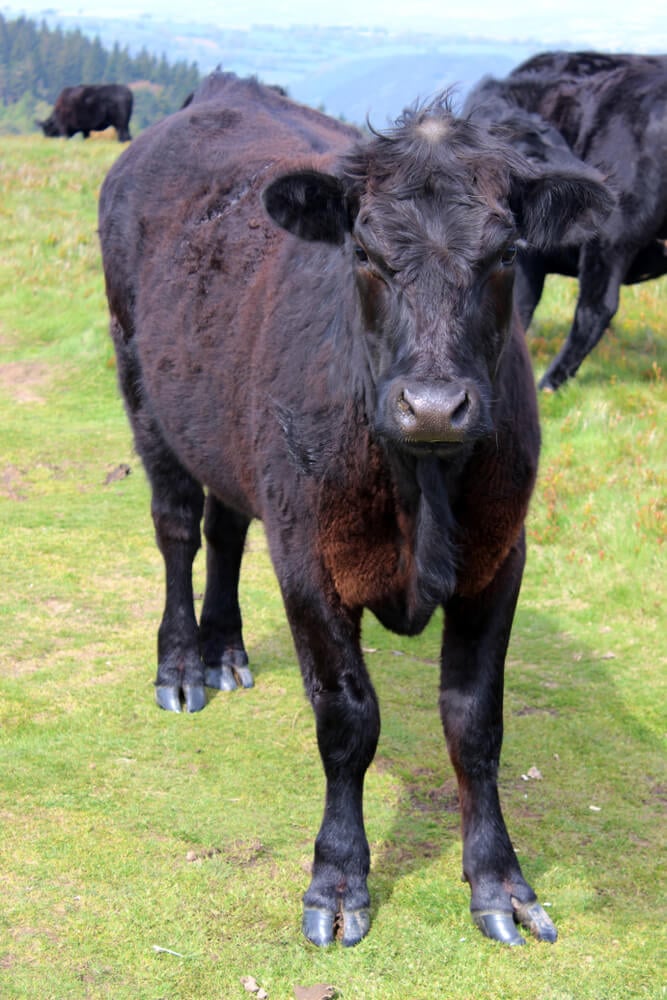
Welsh Blacks were bred in the wet, windy mountains of Wales. So, they’re specialists in handling the worst kind of cold. I’m talking about the damp, bone-chilling kind that comes with sleet and freezing rain. They’re tough as nails, great foragers, and their beef is top-tier.
- Full-Grown Size: Bulls weigh 1,800 to 2,000 pounds. The cows are around 1,200 to 1,400 pounds.
- Homestead Uses: High-quality beef production, excellent for rough terrain.
- Cattle Super Power: They excel in “wet cold” conditions (sleet, freezing rain) that break other breeds.
If you live somewhere with unpredictable winter weather (not just snow, but ice storms and mud), Welsh Blacks won’t skip a beat.
Read More – How Much Meat Is Half a Cow? [Weight, Cost, and Storage Guide!]
Conclusion
Winter doesn’t have to mean struggle and stress when you’ve got the right cattle genetics working for you. These cold-hardy breeds prove that harsh weather is a minor setback rather than a catastrophic liability. Choose a breed that matches your climate and goals. You’ll wonder why anyone bothers with cattle that need babying through every cold snap.
Thanks for reading.
Have a great day!


