
9 Reasons Why I Stopped Raking Leaves (And Why I Might Never Rake Again)
Welcome! This article contains affiliate links, meaning I get a commission if you decide to make a purchase through my links, at no extra cost to you.
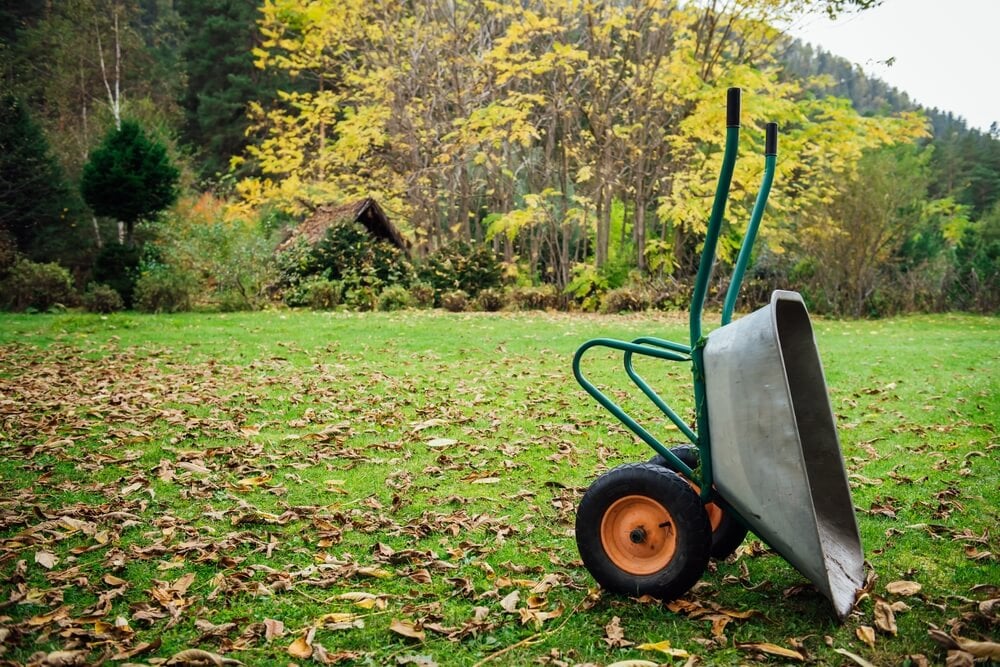
For years, we’ve been told that a perfect, leaf-free lawn is the hallmark of responsible homesteading. But this year, I broke every lawnkeeping rule in the book. I stopped raking my leaves! As a result, my yard is thriving. And my back doesn’t ache. I’ve also reclaimed countless hours for the work that actually matters.
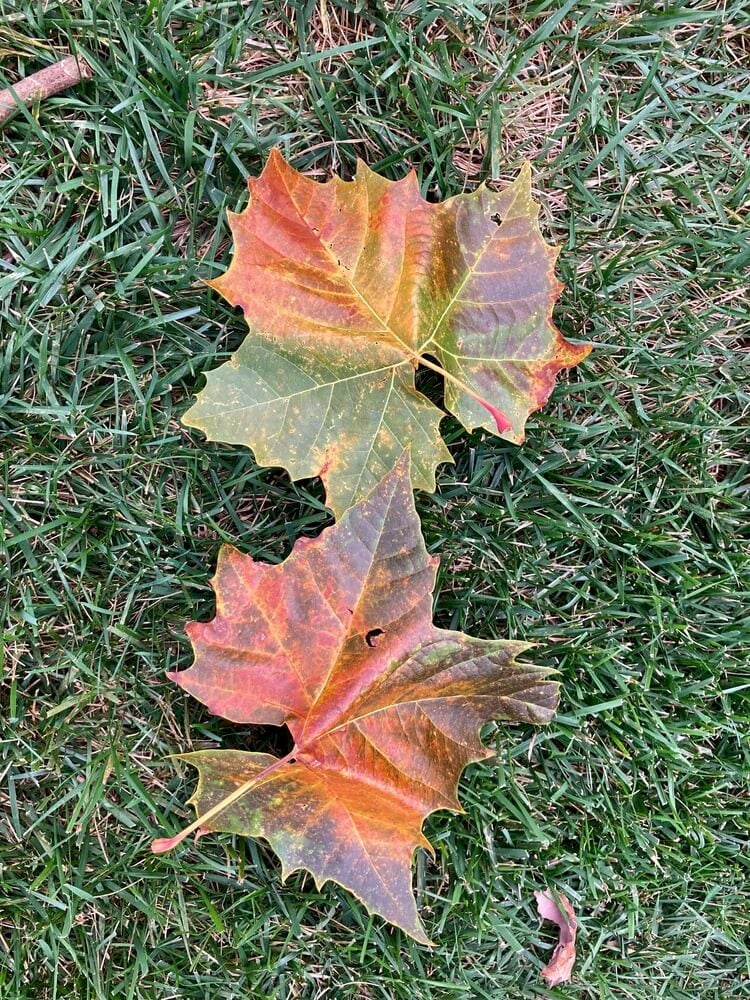
That’s why I’m making this list of 9 reasons I stopped raking my lawn. And, I might NEVER rake again.
I know it sounds unconventional, but the science supports it.
Why I Stopped Raking Leaves This Fall
Here are the nine reasons that completely changed how I manage my land each autumn.
1. Leaves Are Free Mulch – Not Debris
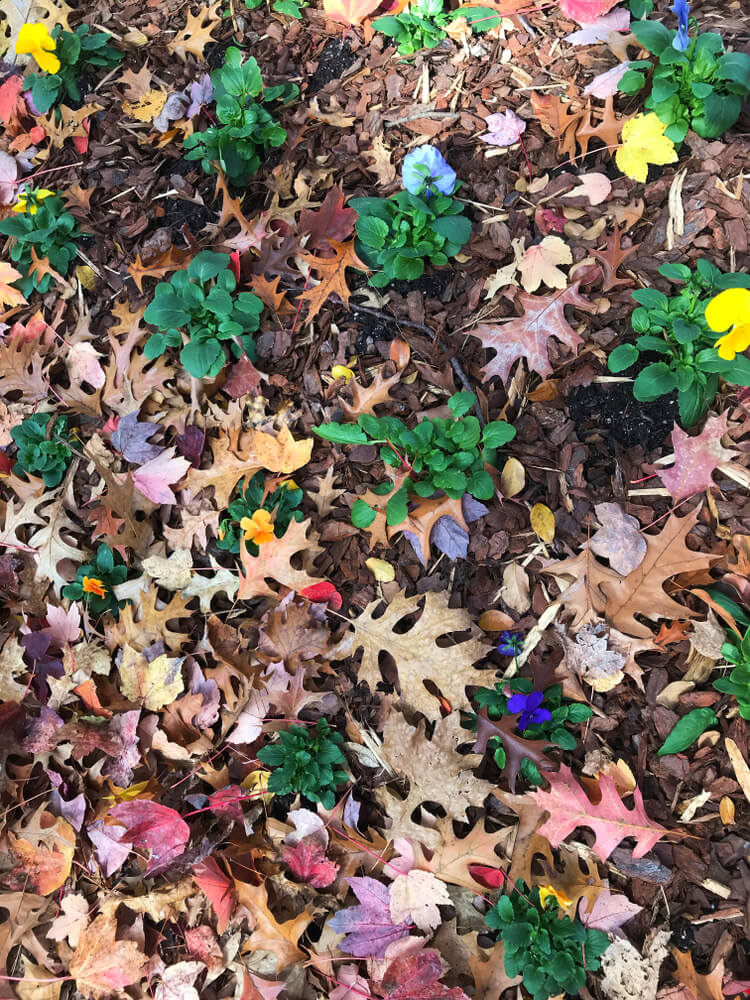
When leaves fall, they’re completing a nutrient cycle that’s been perfecting itself since before humans walked the earth. Trees send roots deep into the subsoil, pulling up minerals and trace elements that shallow-rooted plants can’t reach.
When those leaves drop and decompose into leaf mold, they return those nutrients exactly where your lawn and garden need them most.
Here’s what you’re throwing away when you bag leaves:
- Nitrogen, phosphorus, and potassium (the NPK on fertilizer bags).
- Trace minerals (like iron, calcium, and magnesium) are extracted from the deep soil layers.
- Carbon-rich organic matter that feeds beneficial soil organisms.
- Natural mulch, worth hundreds of dollars if you had to buy it bagged.
Bagging and removing leaves is literally throwing away free, perfectly balanced fertilizer. Instead, run over them once with a mulching mower. You’ll create a thin, nutrient-rich blanket that feeds your soil throughout the winter.
It’s the same principle behind sheet mulching, but nature does the work for you.
2. Prevents Grass Stress And Winter Damage
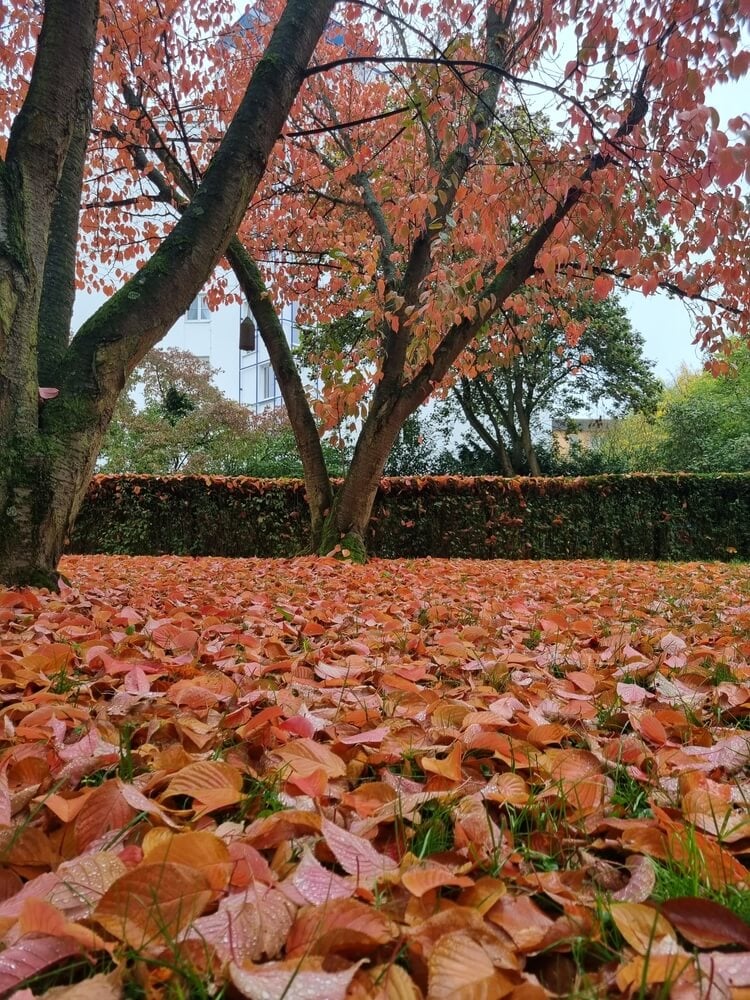
A light layer of shredded leaves acts as natural insulation for your turf, protecting root systems from the brutal freeze-thaw cycles that cause winter damage and slow spring green-up. This organic buffer moderates soil temperature fluctuations, creating conditions that allow grass to enter dormancy gradually and emerge stronger in the spring.
The benefits of this natural protection include:
- Reduced crown damage from repeated freezing and thawing.
- More consistent soil moisture levels through winter.
- Earlier spring green-up because roots stay healthier.
You’ll also notice your lawn looks fuller and more vigorous when growth resumes. The key distinction here: thick mats of whole leaves can indeed smother turf, which is why shredding matters.
Read More – The 21 Best Food Forest Crops For Homesteaders And Small Gardens!
3. Supports Wildlife (Butterflies, Fireflies, Native Bees)
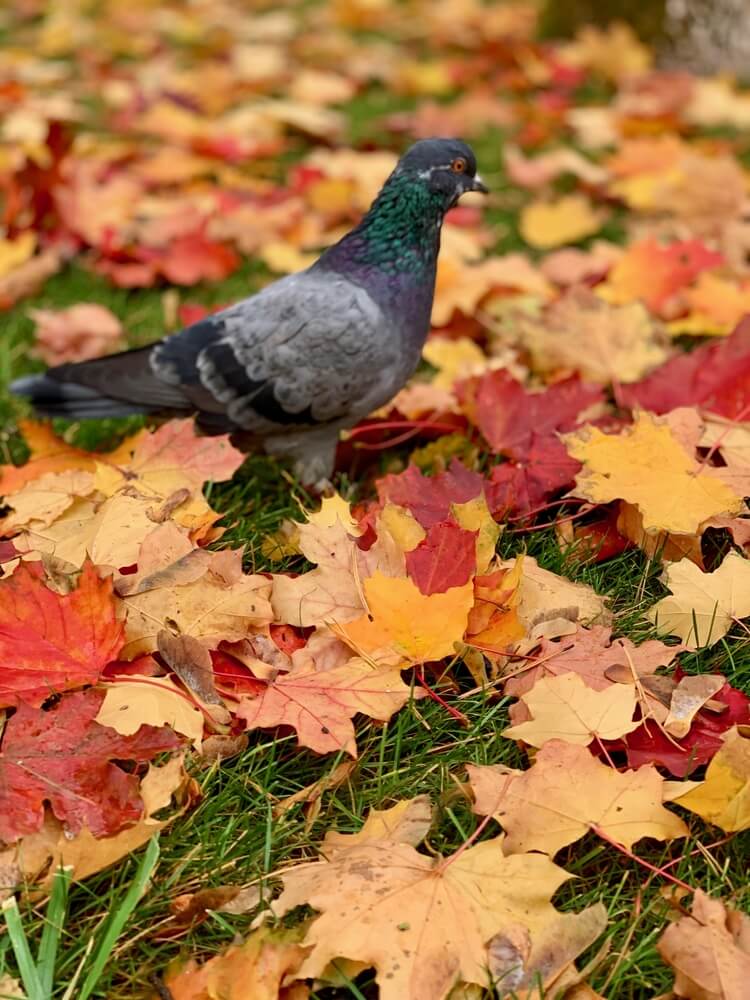
Backyard leaf litter serves as a critical overwintering habitat for countless beneficial insects. The luna moths, swallowtail butterflies, native bees, and fireflies that make summer evenings magical all depend on leaf cover to survive winter.
When we rake leaves to the curb, we’re evicting these creatures from the only shelter they have.
Consider what lives in your leaf litter:
- Butterfly and moth pupae overwinter until spring.
- Native bee larvae in small ground nests.
- Firefly larvae (they spend up to two years in leaf litter before becoming adults).
- Beneficial beetles and spiders that control garden pests.
The ecological impact ripples upward. Fewer insects means fewer songbirds, because most bird species rely heavily on insect protein, especially during nesting season. If you’ve noticed quieter springs or fewer lightning bugs at dusk, this is one reason why.
Leaves are the foundation of your yard’s food web, and the life they support provides natural pest control and improved pollination.
4. Builds Living, Healthy Soil
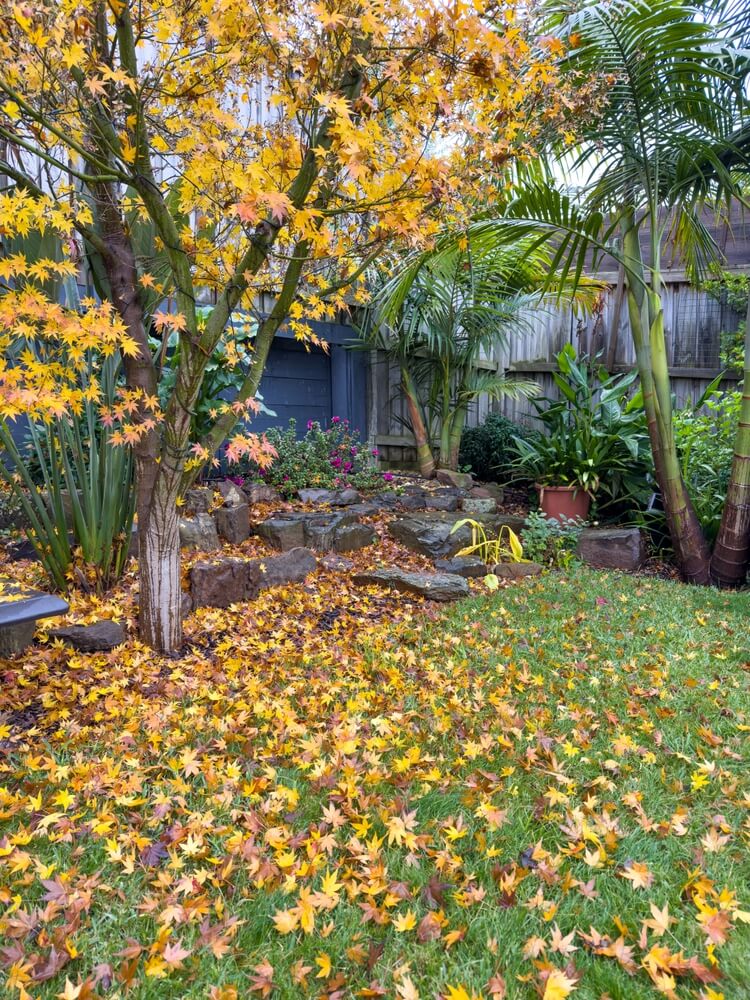
Healthy soil is like a thriving community. Imagine teams of earthworms, beneficial fungi, bacteria, and microorganisms working in harmony. Leaf litter helps feed this underground ecosystem. In return, these organisms break down organic matter, improve the soil structure, and make nutrients available to plant roots.
These nutrients are precisely how forest floors build that rich, crumbly tilth without any human intervention.
When you leave shredded leaves on your lawn, you’re supporting:
- Earthworm populations that aerate soil and create drainage channels.
- Mycorrhizal fungi that extend root systems and improve nutrient uptake.
- Beneficial bacteria that fix nitrogen and suppress disease organisms.
- Soil aggregation that improves both drainage and water retention.
Over time, you’ll notice improved drainage in clay soils, better water retention in sandy soils, and grass that stays greener with less fertilizer input. You’re inoculating your soil with the same beneficial biology that makes forest soil so productive.
The results compound year after year.
Read More – 13 Advantages Of Clover Lawns – From Sustainability To Friendly Pollinator Support
5. Helps Retain Moisture (Saves Water + Money)
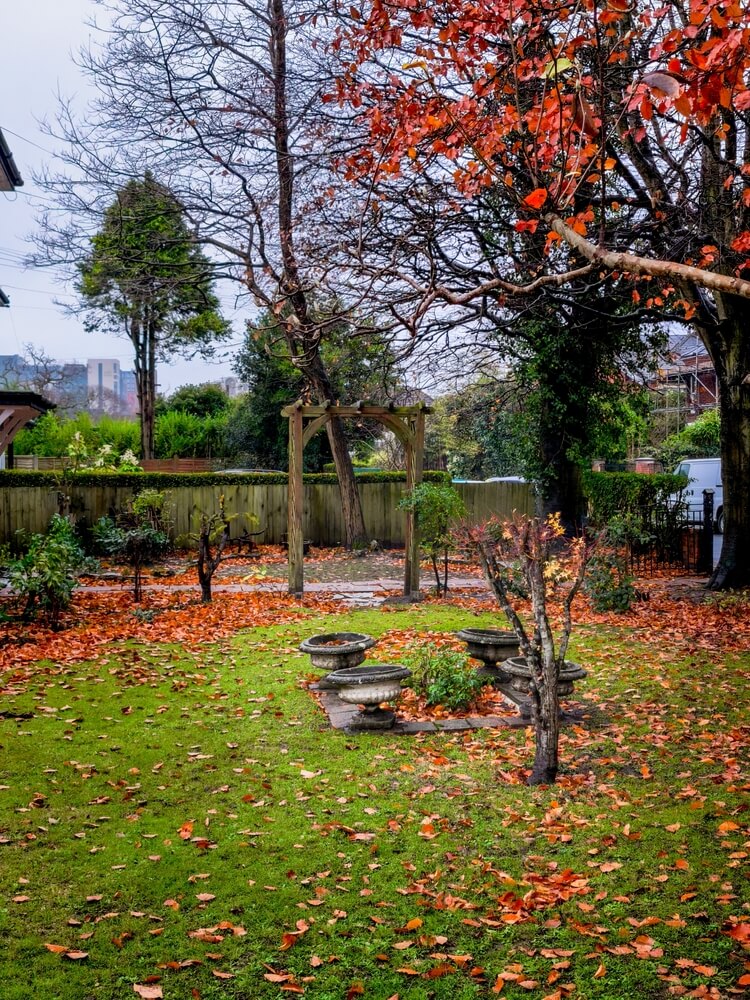
Shredded leaves function as a moisture regulator. They also act like a giant sponge, absorbing rainfall and releasing it slowly into the root zone. This natural mulch layer significantly reduces evaporation, allowing your soil to stay hydrated longer between rain events or irrigation cycles.
For those of us dealing with increasingly unpredictable weather patterns and rising water costs, this is a practical approach to drought resilience.
The water-saving benefits include:
- Reduced evaporation from the soil surface.
- Slower soil moisture depletion during dry periods.
- Less frequent irrigation is needed during the summer months.
- Lower water bills and reduced strain on wells or municipal systems.
I’ve significantly reduced my summer watering since adopting this practice, and my grass shows less heat stress during dry spells. It’s a perfect example of how working with natural systems saves both resources and money.
Your lawn stays greener with less intervention.
6. Reduces Erosion and Manages Stormwater
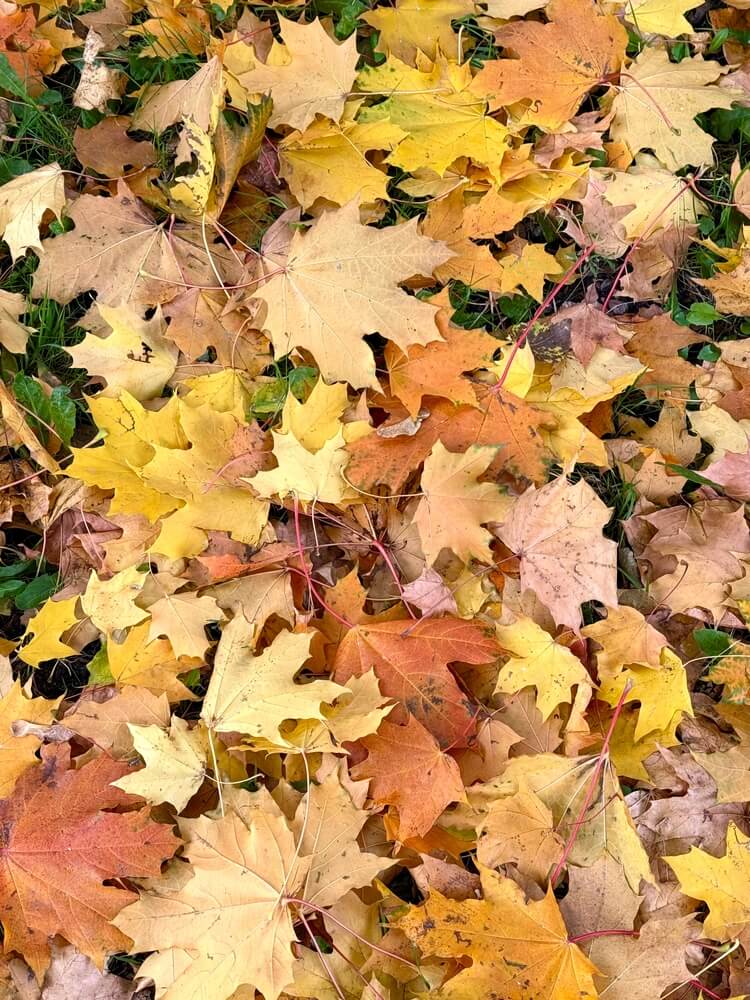
Bare soil is vulnerable soil. Exposed to the pounding force of heavy rain, it quickly compacts, crusts over, and washes away. A layer of leaf mulch breaks the impact of falling raindrops and slows water movement across the surface, giving it time to infiltrate instead of running off.
This protection is particularly valuable for:
- Managing runoff near downspouts and along building foundations.
- Stabilizing slopes where water naturally concentrates.
- Reducing muddy patches and bare spots after heavy rains.
- Improving infiltration in compacted areas from foot traffic or equipment.
- Reducing standing water and soggy spots after storms.
Climate patterns are shifting, and many regions now experience longer dry periods punctuated by intense rainfall events. Leaf mulch creates thousands of tiny spaces that trap and slowly release water, functioning as a distributed sponge across your entire property.
Read More – 18 Delicious Edible Groundcover Crops That Are Way More Beneficial Than Turfgrass!
7. Keeps Organic Material Out Of Landfills
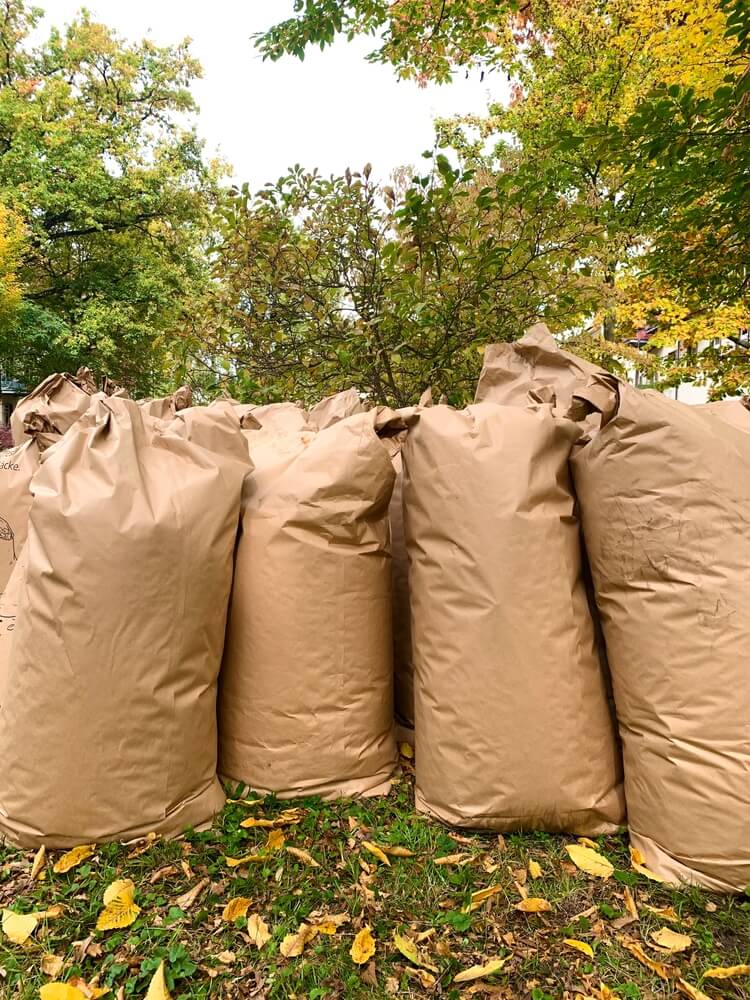
In many municipalities, yard waste still ends up in landfills, where leaves are often packed in plastic bags and occupy valuable space. Doing so makes no ecological or economic sense when those same leaves could be building soil fertilizer right where they fell.
Leaves evolved to drop, decompose, and return their nutrients to the earth. That’s the cycle they’re designed for.
When you mulch in place, you eliminate:
- Fuel costs and emissions from collection trucks.
- Plastic yard waste bags and their negative environmental impact.
- Landfill space taken up by valuable organic matter.
- The absurdity of hauling away fertilizer only to repurchase it later.
You’re simply letting a natural system complete its intended function. No waste, no transport, no methane production.
Just soil building exactly where you need it.
8. Saves Time, Effort, and Sanity
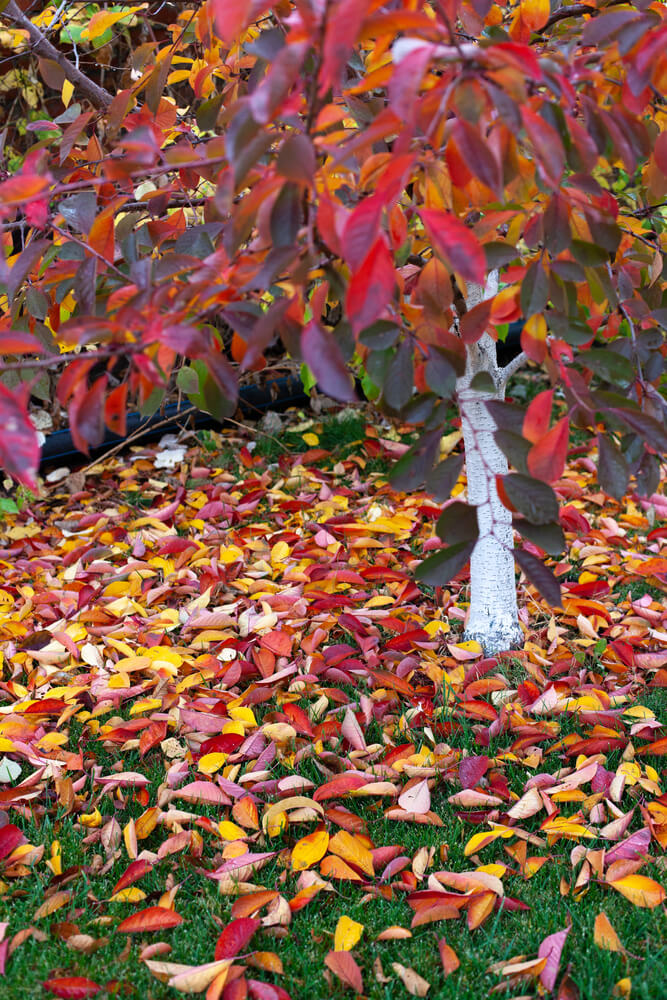
Let’s talk practically. Raking is repetitive, physically demanding work that needs to be done multiple times as leaves continue falling. It’s noisy, generates massive piles to deal with, and consumes entire weekends during the precious few months we have between harvest and hard freeze.
Mulching with your mower takes about five minutes. One pass and you’re done.
Consider what you gain back:
- Hours of weekend time during the busiest season of the year.
- Physical energy you can redirect to preserving food or preparing for winter.
- Tranquil peace instead of the roar of leaf blowers.
- Mental space to actually observe and enjoy the seasonal transition.
The time and energy you save can be directed toward work that truly matters on your homestead. Your yard isn’t failing if it looks like it was designed by nature. It’s succeeding.
A working landscape should support you, not create endless maintenance tasks.
Read More – 21 Gorgeous Garden Flowers That Grow Wicked Fast And Fill Empty Spots Quickly!
9. Suppresses Weeds Naturally
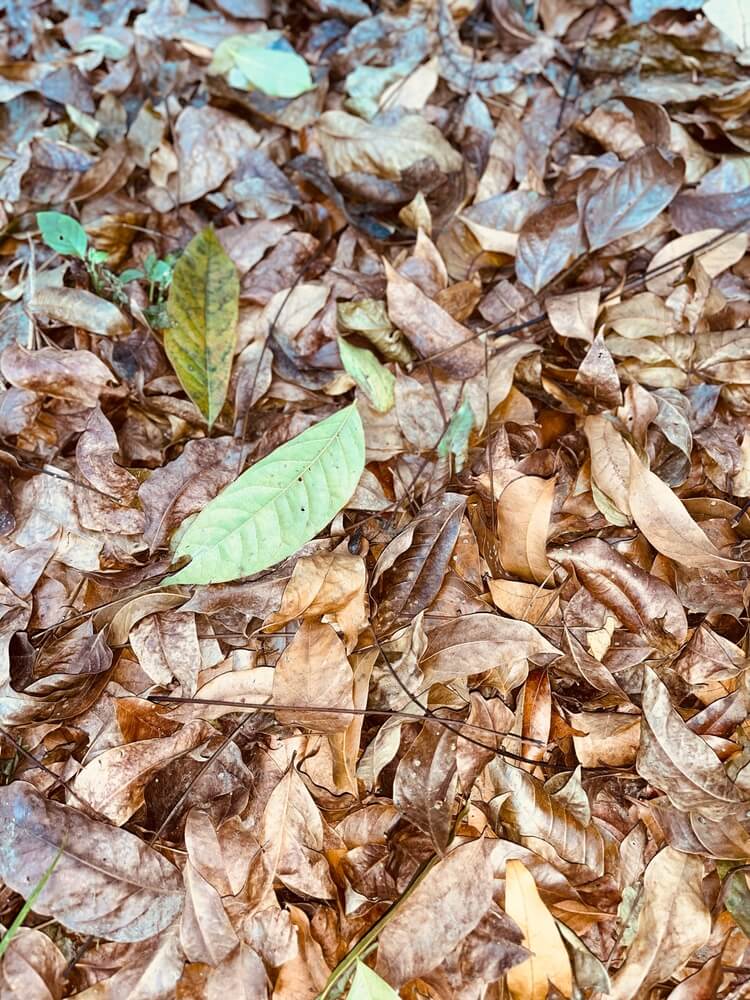
A layer of shredded leaves is the perfect natural pre-emergent barrier. It helps block sunlight from reaching dormant weed seeds in your soil. The most common lawn weeds, such as dandelions, crabgrass, and chickweed, require light exposure to germinate. When you blanket your turf with leaf mulch, you’re preventing those seeds from sprouting without the need for chemical intervention.
This natural weed suppression delivers multiple benefits:
- Fewer spring weeds compete with your grass for water and nutrients.
- Reduced the need for herbicide applications and the expense that comes with them.
- Less time spent hand-pulling or spot-treating problem areas.
- Healthier grass that can outcompete weeds as it establishes more vigorously.
The effect continues even after the leaves decompose. As the organic matter integrates into your soil, it promotes dense, healthy turf that naturally crowds out opportunistic weeds. You’re not just preventing this season’s weeds, you’re building a lawn that resists weed pressure year after year.
It’s preventative maintenance that requires no extra work beyond your single mowing pass.
How to Leave the Leaves (The Right Way)
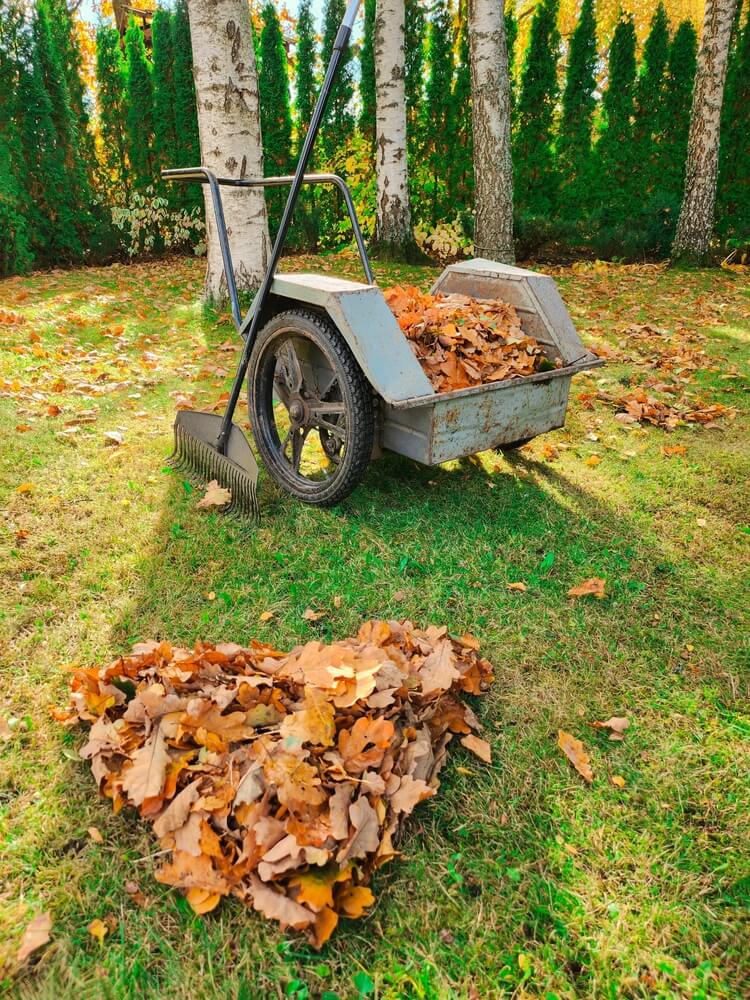
Leaving the leaves isn’t an all-or-nothing approach. Innovative land management involves understanding when to leave the land alone and when intervention is necessary. The goal is working with your ecosystem, not against it.
Start by assessing your situation. If you have native plantings, pollinator gardens, or woodland edges, leaf litter provides essential overwintering habitat and should be left largely undisturbed. If you’re managing turf areas, one pass with a mulching mower transforms potential problems into free fertilization. Avoid thick, wet mats that block sunlight and invite fungal diseases, such as snow mold.
The basic method is simple. Set your leaf or mower blade to roughly 3 inches high and make one pass over fallen leaves when most have dropped, but before heavy snow arrives. You’re aiming for confetti-sized pieces that create a light, airy layer of 1 to 2 inches, thin enough to see grass blades through the material. This shredded layer feeds soil life without smothering turf.
Redistribute excess strategically. Any leaves beyond the thin lawn layer should be placed under shrubs and trees, in garden beds, or designated wild areas. These undisturbed areas become refuges for beneficial insects and natural composting zones. If space allows, even a small wild corner left completely alone pays dividends in biodiversity.
There are times when raking leaves still makes sense! Remove leaves from sidewalks, paths, and driveways where they create slip hazards. If you’re dealing with diseased foliage or invasive pest concerns, removal may be warranted. HOA rules and local ordinances sometimes demand leaf removal. Pick your battles based on what matters most for your land’s health.
The real waste to avoid? Bagging leaves for landfills while buying bagged mulch and fertilizer is a springtime task. Running loud equipment for hours when five minutes of strategic mulching would accomplish more. Come spring, observe and adjust. You’ll likely find that the leaves have disappeared, having been integrated primarily into healthier, more resilient turf that requires significantly less maintenance than the traditional approach.
Read More – 23 Best Root Crops For A Healthy And Hardy Survival Garden | Carrots, Parsnips, And Sunchokes!
Conclusion

Work with your land. Stop working against it!
You don’t need to rake your lawn clean. You need to stop fighting your ecosystem and start partnering with it.
Leave the leaves, save your lawn, save your back, and support the web of life that makes your homestead more productive and resilient.
Your soil will thank you, your local wildlife will thank you, and come spring, you’ll have healthier grass and more Saturday mornings to spend on the work that truly matters. The best regenerative practice is often the one that requires you to do less, not more.
Let nature lead. Follow her wisdom. Your land will show you the results.
This fall, try mulching just one section of your lawn and compare it to a raked area. By spring, you’ll see the difference in soil health, grass vigor, and the time you’ve reclaimed. Your yard (and your back) will thank you.
Thanks for reading.
Have a great day!


